REVIEW · JAIPUR
Jaipur: Leopards Safari Tour at Jhalana l Spot Wild Animals
Book on GetYourGuide →Operated by Ultimate Urban Adventures Pvt. Ltd. · Bookable on GetYourGuide
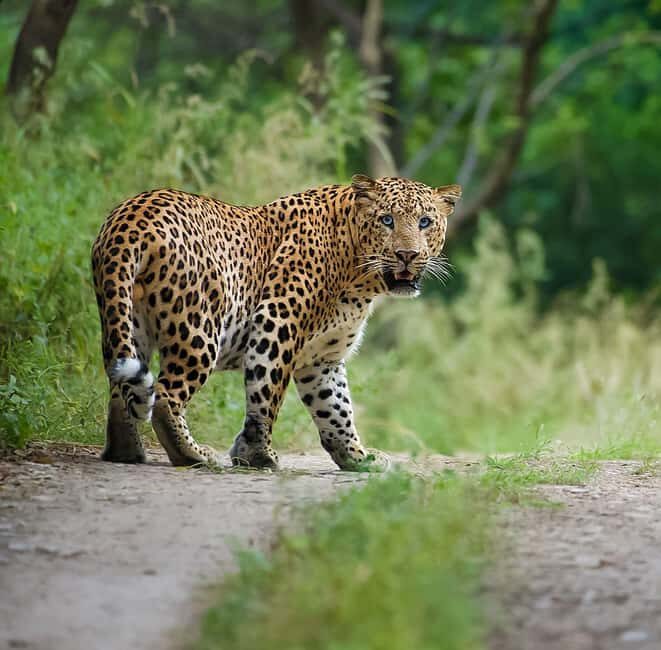
Leopards can show up fast here. The Jhalana Leopard Park safari gives you a real chance to spot big cats in the wild, plus plenty of smaller wildlife moving through the same hills and forests. I like the open 4-wheel drive jeep setup because you’re not stuck staring through glass, and the trained naturalist helps you notice what you’d otherwise miss.
What makes it especially worth your time is the way the drive turns into part of the hunt: you’re out on rugged ground, scanning for movement, and you’re not just passively waiting. If you get a guide like Monty, you’ll benefit from his kind, fun approach and strong wildlife know-how. The only catch I’d plan for is that wildlife sightings aren’t guaranteed, so you should go with patience and solid expectations for a 3.5-hour window.
In This Review
- Key things that make this safari work
- Getting to Jhalana: why the drive matters as much as the sightings
- The open jeep experience: more view, more motion, more chances
- Your naturalist guide: how spotting becomes easier
- What you’ll do inside the park (2.5 hours of wildlife time)
- Wildlife expectations: the right mindset for leopards and birds
- Comfort and packing: what actually helps during a Jaipur winter safari
- Price and value: is $109 fair for this safari setup?
- Who this tour suits best (and who should skip it)
- Should you book the Jaipur Jhalana Leopard Safari?
Key things that make this safari work
- Fast scanning from an open jeep: You can spot motion and posture changes quickly as the jeep moves.
- A trained naturalist guide: You get help identifying animals like blue bulls, foxes, hyenas, and birds.
- Real park variety: Rolling hills, forest patches, and good wildlife cover mean more chances to see something.
- Great viewing moments from the drive: On private tours, you may go up toward a hunting lodge area for standout views.
- Bring the right gear: Camera and binoculars help a lot; winter layers matter because the jungle can feel cold and shady.
Getting to Jhalana: why the drive matters as much as the sightings
This is a hotel pickup and drop-off safari in Jaipur, so you’re not juggling taxis or trying to time your own transportation. Once you’re collected, you start with a drive into Jhalana Leopard Park, and that “getting there” time isn’t wasted. You’re already in the right mindset—looking for signs of wildlife and watching how the terrain changes.
I like tours that don’t dump you into the park and forget about context. Here, the drive includes scenic views on the way, which matters because Jhalana’s terrain shapes what you can see. Rolling hills and forested sections can hide animals at one moment and reveal them the next.
There’s also a practical rhythm to the experience. You’re outdoors for a set stretch—2.5 hours on safari—with a total experience time of about 3.5 hours. That tight structure is good if you have limited time in Jaipur and still want a serious wildlife session.
You can also read our reviews of more tours and experiences in Jaipur
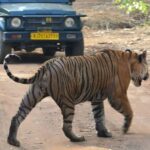
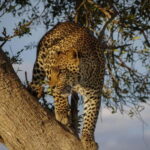
The open jeep experience: more view, more motion, more chances
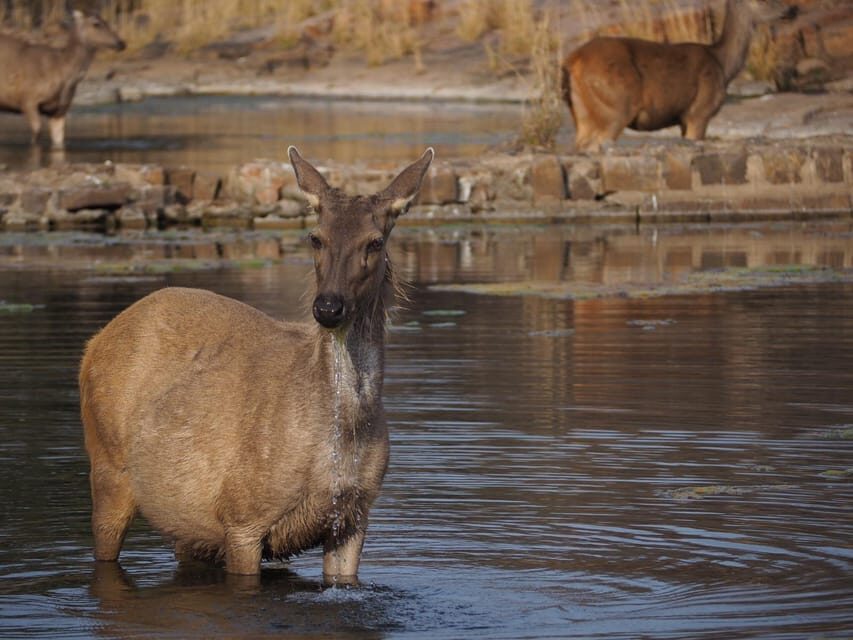
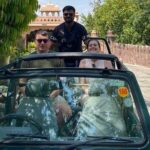
The safari itself runs on an open 4-wheel drive jeep, and that is the difference between a wildlife trip that feels exciting and one that feels awkward. When you’re up front and open-air, you can react quickly—turn your head, adjust your angle, and track animals as they move.
You should also expect movement. This isn’t a quiet, sit-and-watch kind of ride. The terrain can be rough, and your best strategy is to dress for comfort and keep your eyes ready. If you bring binoculars, you’ll use them more than you think because animals can appear at a distance, then vanish behind foliage.
Also note the photography rules: no flash photography. If you’re hoping to shoot sharp portraits of a leopard, plan on natural light and slower, steadier timing rather than blasting flash. It’s not just a “rule”—it’s also better for animal comfort.
Your naturalist guide: how spotting becomes easier
The guide is the secret ingredient here, and it’s not just for fun facts. You’re going to learn about the park’s wildlife as you search, so the trip becomes more than a checklist. A trained naturalist helps you understand what you’re seeing—tracks, body language, calls, and the kinds of spots animals prefer.
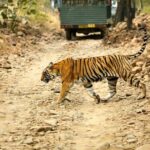
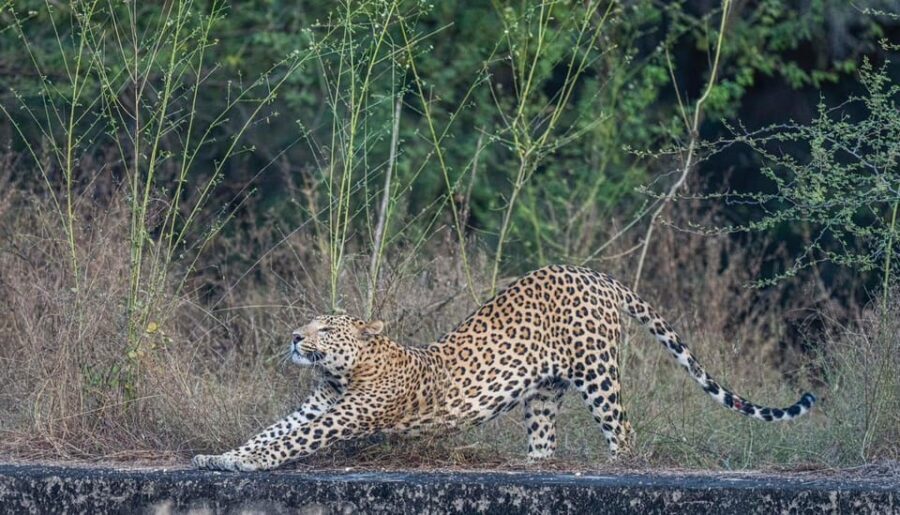
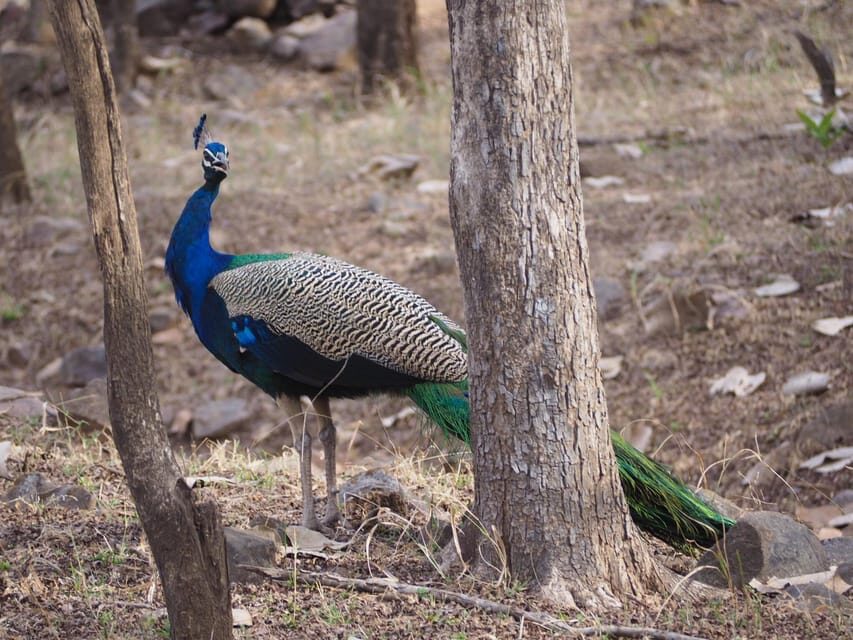
In at least one past safari, the guide team made a big difference early on: a leopard sighting happened within the first 15 minutes, along with peacocks, antelopes, wild rabbits, and other birds. That kind of early success usually comes from active scanning and knowing where to look.
You may also get a guide experience that feels more personal because this is a private group format. That matters when you’re trying to see small details like foxes in brush or birds perched in trees. If the guide can adjust the pace based on what’s moving, you get more viewing time with less wasted driving.
One more practical note: the tour description specifies English as the live guide language. If you want to ask questions mid-safari, this is the setup that actually makes that easy.
What you’ll do inside the park (2.5 hours of wildlife time)
Your park time is about 2.5 hours, and it’s built around guided wildlife viewing. You’re not wandering alone. You’re following a naturalist, moving in a jeep, and stopping or shifting position when the guide spots promising activity.
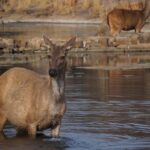
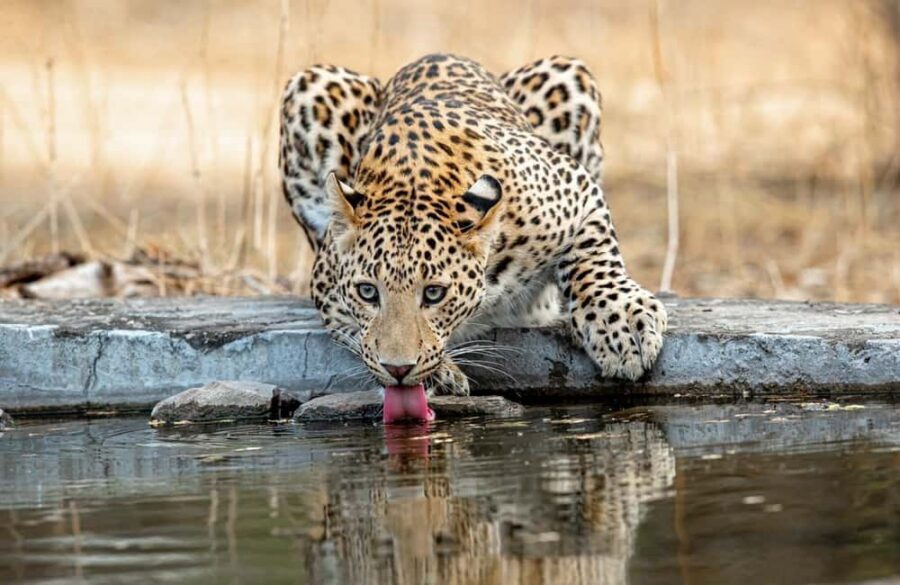
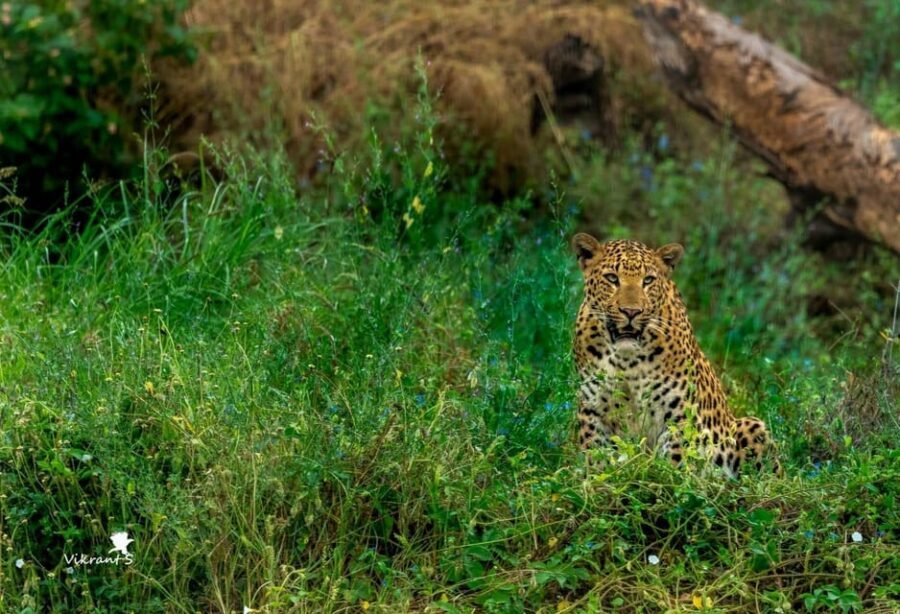
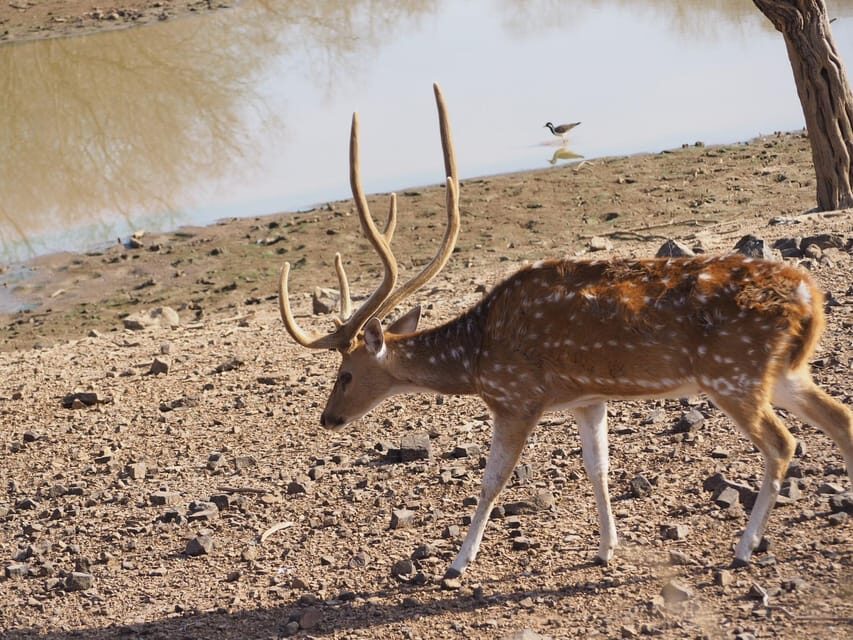
The animals you’re hoping to see are realistic for this park and terrain: leopards, deer, foxes, blue bulls, hyenas, and colorful birds. The point isn’t just that these animals exist nearby. It’s that the guide’s job is to improve your odds by reading the environment and the animal signals.
The tour also leans into the “park as a living place” idea. Expect rolling hills and lush forest pockets, with flora and fauna you’ll notice if you slow down and watch the edges of the greenery. Many animals here are at least partly about cover—so the best sightings often happen when you pay attention to what’s happening just beyond the obvious open areas.
And for private tours, there’s a chance to add a more scenic viewpoint moment. One account notes going up toward a hunting lodge area for a beautiful view. Even if that detail varies by day, the overall feel is the same: drive, scan, and then enjoy a clear moment to look out and reset.
Wildlife expectations: the right mindset for leopards and birds
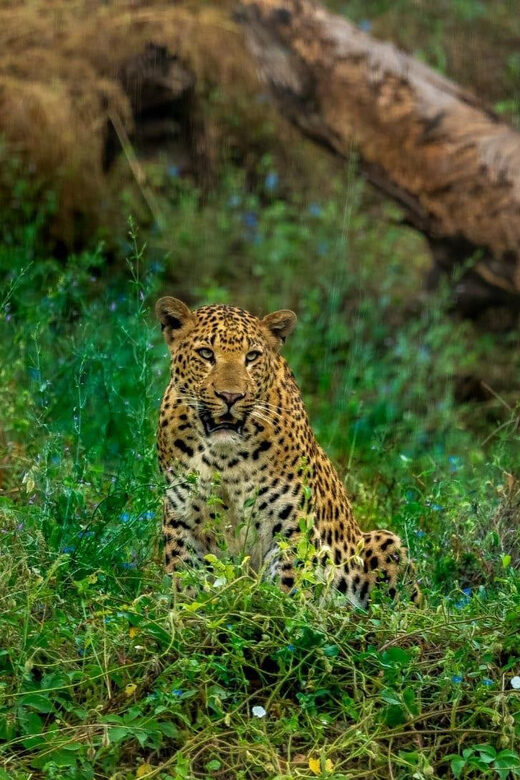
Let’s set expectations the honest way. You’re paying for a guided attempt at seeing wildlife, and leopards are the headline, but leopards don’t run on your schedule. Still, the park is recognized as one of the best places in the country for leopard spotting, which is exactly the reason this safari is popular.
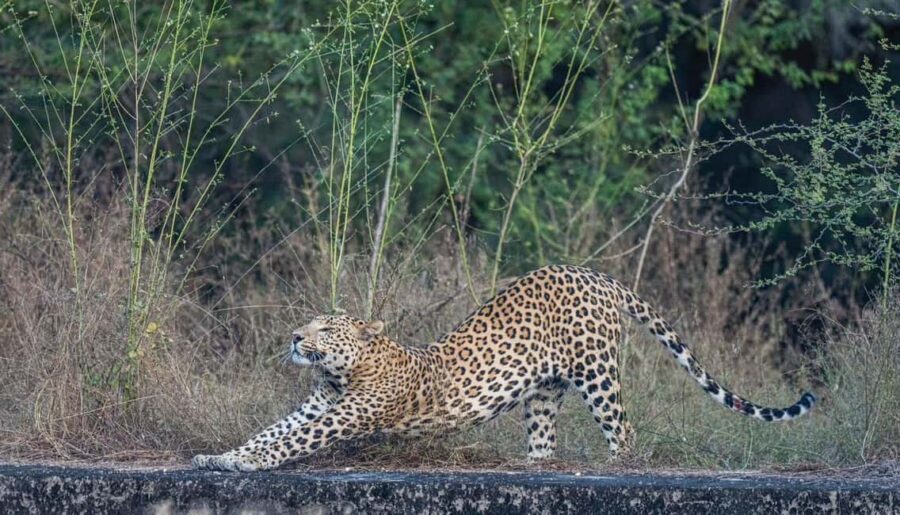
When sightings go well, they can be dramatic. One guide experience described several leopard sightings, plus a mix of other wildlife. Another account got a leopard very early, which shows how quickly things can happen when the jeep is in the right spot at the right time.
If you’re also a bird person (or you want to become one), the bird list is a bonus. Expect colorful birds as a steady form of entertainment, even on days when big-cat sightings are brief. Birds also tend to be easier to see at distance, so they keep the safari exciting while you’re waiting for the bigger action.
Here’s the mindset I’d recommend: treat the safari like a moving observation session. Look for movement, listen for cues, and accept that your best view might be quick. That’s not disappointment; that’s wildlife reality, and it’s why the guide and jeep setup matters.



Comfort and packing: what actually helps during a Jaipur winter safari
You’re out in open air on a short but real wildlife outing, so packing matters. The tour notes that in winters (Nov–Mar) the jungle can be shady and cold, so dress with warm layers. Think warm top, something for your legs, and a jacket you can keep on without sweating too much when the jeep is moving.
Bring a camera and binoculars. Even if you’re not a photographer, binoculars help you track animals sooner. For photography, remember no flash, and plan to work with available light.
Also keep rules in mind so you don’t accidentally get stuck. No smoking, no pets, no flashlight, and no food or plastic bags/plastic bottles. It’s a long list, but it mostly boils down to: keep the area clean, don’t distract animals, and don’t bring extra clutter into the park.
For IDs, bring a passport or ID card. The tour also notes that a copy is accepted, including for children.
Price and value: is $109 fair for this safari setup?
At $109 per person, this isn’t a bargain-bin wildlife trip. But it also isn’t just a short drive with a driver. You’re getting a trained naturalist guide, an open 4-wheel drive jeep, and hotel pickup and drop-off—all inside a timed 2.5-hour safari window, with total experience time around 3.5 hours.
Value usually comes down to how many “inputs” you get for the same money:
- transport handled for you in Jaipur
- an expert guide actively improving spotting odds
- open-air viewing that actually helps you see
- a park-focused session long enough to matter
If you try to DIY this, you’d still need transport, a knowledgeable guide, and a way to reach the right areas at the right times. Paying for the guided setup is often cheaper than piecing it together yourself, especially if your schedule is tight.
So I’d call the pricing fair for the combination of guide + jeep + logistics. If you’re someone who loves wildlife but struggles to identify animals, this format is where the money tends to pay off.
Who this tour suits best (and who should skip it)
This safari is designed for people who enjoy being outdoors, moving around, and watching carefully. It’s a great fit if you’re:
- traveling with limited time in Jaipur
- interested in leopards and also like seeing birds and smaller mammals
- the type who will actually use binoculars and ask questions
It’s not suitable for pregnant women, people with back problems, or people over 95 years. That’s less about the guide and more about the jeep ride and outdoor nature of the activity.
If you’re sensitive to cold, winter conditions can still be tough because the jungle can be shaded and chilly. Dress accordingly, and you’ll feel much better.
One last practical note: the info says that sharing safaris can be cancelled if there aren’t enough travellers. If you prefer absolute certainty, you might want to double-check what your specific booking is set as before you lock in other plans.
Should you book the Jaipur Jhalana Leopard Safari?
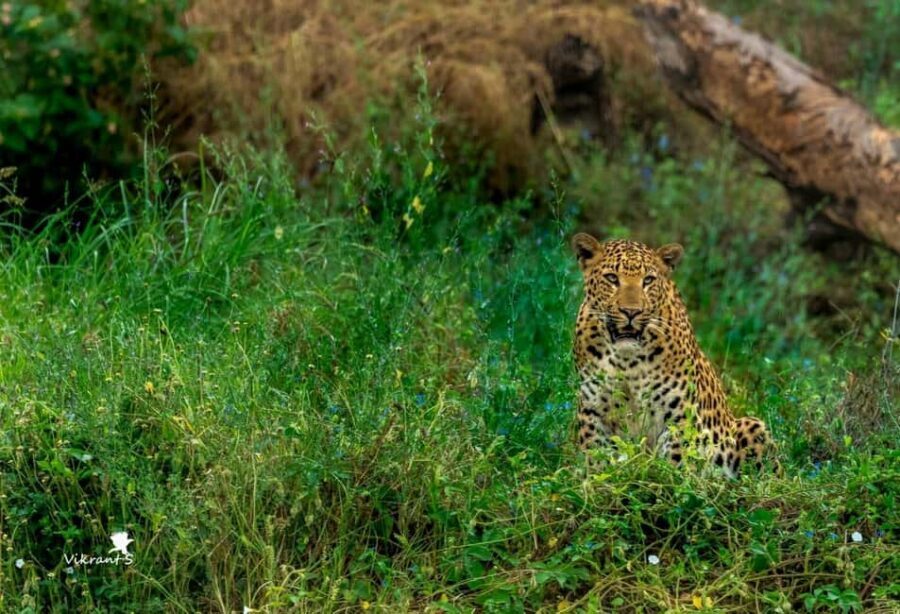
If you’re in Jaipur and you want one high-impact wildlife experience, I think this is a strong choice. The best reason to book is the pairing: open jeep access plus a trained naturalist guide focused on spotting leopards and other animals in the same areas.
Book if you:
- want a guided safari with active wildlife viewing, not just a passive ride
- enjoy the thrill of scanning for movement from an open vehicle
- want hotel pickup and drop-off handled for you
Skip or reconsider if:
- you can’t handle outdoor cold in winter months
- you need an easy, low-movement experience
- you’re expecting guaranteed leopard sightings (nobody can promise that in the wild)
If you go in with the right mindset—patient eyes, warm layers, camera ready—you’ll come away with a safari that feels like real wildlife time, not a tourist checkbox.