REVIEW · BODH GAYA
From Varanasi: Private Same Day Bodhgaya Tour
Book on GetYourGuide →Operated by Taj Voyages Tour - TVT India · Bookable on GetYourGuide
This Bodh Gaya day trip is built around pilgrimage time, not just photo time. I like that you get a guided pass through major highlights like the Mahabodhi Temple complex and the Bodhi Tree, plus quiet prayer and meditation moments like Animesh Lochana Chaitya. The route also gives you a clear snapshot of how different Buddhist traditions are practiced right where the story of enlightenment began.
Two things I really like: you’ll spend focused time at the spiritual core (especially around the Bodhi Tree), and you’ll also see how multiple traditions live side by side through stops at monasteries and meditation centers. One consideration: it’s a long day with a 4–5 hour drive each way, so if you’re hoping for a super relaxed pace, the schedule can feel tight.
In This Review
- Key Highlights That Make This Tour Worth Your Day
- Leaving Varanasi Early: The Road Time You’re Signing Up For
- Mahabodhi Temple Complex and the Bodhi Tree
- What to watch for during your visit
- Animesh Lochana Chaitya: A Tiny Shrine With a Big Story
- Why I like this stop
- Bodhi Sarovar: The Peaceful Water Pause
- Practical tip for your pacing
- The 80-Foot Great Buddha Statue: Scale You Can Feel
- The tradeoff
- Monasteries and Meditation Centers: Tibetan, Japanese, Thai
- Where you’ll likely notice the difference
- Archaeological Museum Stop: Context Without the Overload
- How to make it work for you
- Vegetarian Lunch and a Sensible Midday Pace
- What I’d watch for
- Skip the Ticket Line and Get a Real Guide
- The value of a private day like this
- Price and Value: Is $134 a Good Deal?
- Who gets the best value
- Who This Tour Fits Best (and Who Should Skip It)
- Should You Book the Private Same-Day Bodh Gaya Tour?
- FAQ
- How long is the Bodh Gaya tour from Varanasi?
- What time do you start and how is pickup handled?
- How long is the drive from Varanasi to Bodh Gaya?
- Which major sites do you visit in Bodh Gaya?
- Is there an English guide and do you skip ticket lines?
- What food is included during the day?
- What should I bring?
- Is the tour suitable during pregnancy or if I’m traveling with alcohol or drugs?
Key Highlights That Make This Tour Worth Your Day
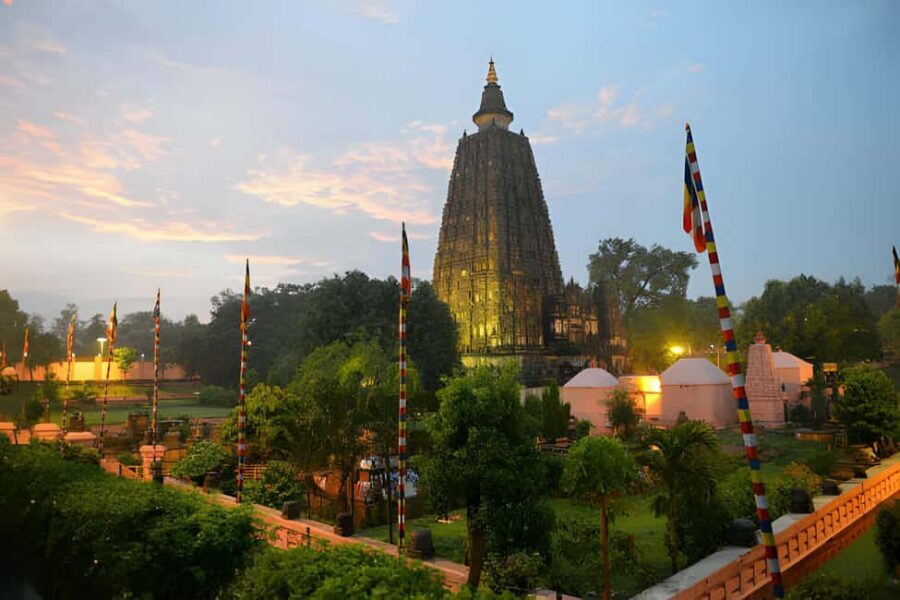
- Mahabodhi Temple + Bodhi Tree: the center of the pilgrimage experience
- Animesh Lochana Chaitya: a small shrine tied to Buddha’s week of gratitude
- 80-foot Great Buddha Statue: a major visual anchor in Bodh Gaya
- Monasteries by tradition: Tibetan Monastery, Japanese Temple, and Thai Monastery
- Meditation centers and quiet pauses: time set aside to reflect
- Private, English-guided comfort: pickup from your hotel and a dedicated guide
Leaving Varanasi Early: The Road Time You’re Signing Up For
Your day starts with a hotel pickup in Varanasi, then you drive to Bodh Gaya in about 4–5 hours. That’s the big commitment, so it’s smart to treat this tour like a pilgrimage day with transit built in, not a quick grab-and-go outing.
Once you arrive, the tour shifts gears right away into spiritual sightseeing. You’re not just collecting stops—you’re moving through places with religious meaning, and the timing helps you experience them in a calmer frame.
You can also read our reviews of more private tours in Bodh Gaya
Mahabodhi Temple Complex and the Bodhi Tree
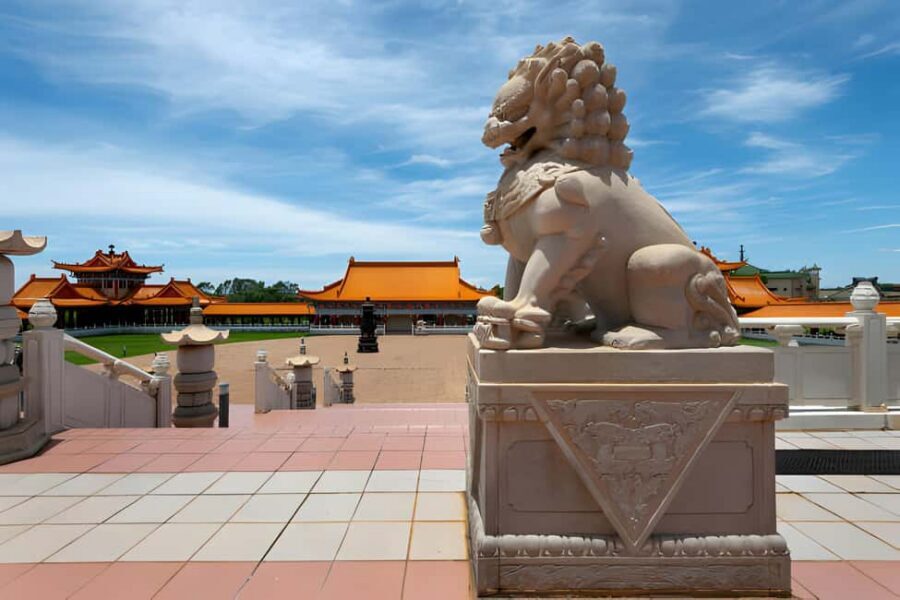
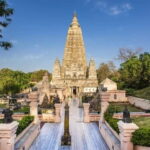
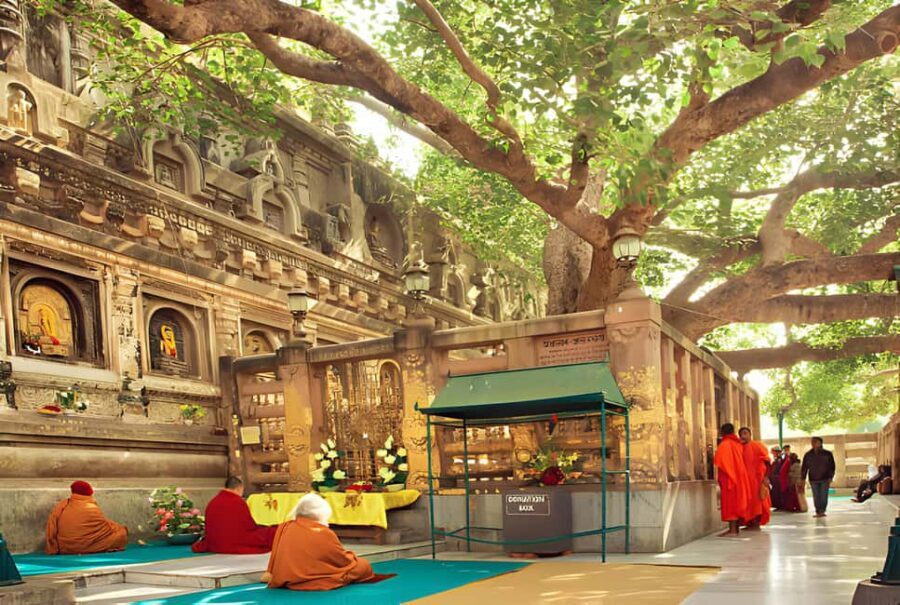
The Mahabodhi Temple complex is the first major anchor of the day. You’ll get a photo stop plus a guided visit, and you’ll spend about an hour here, which is just enough to see the complex and still keep your attention on the important part.
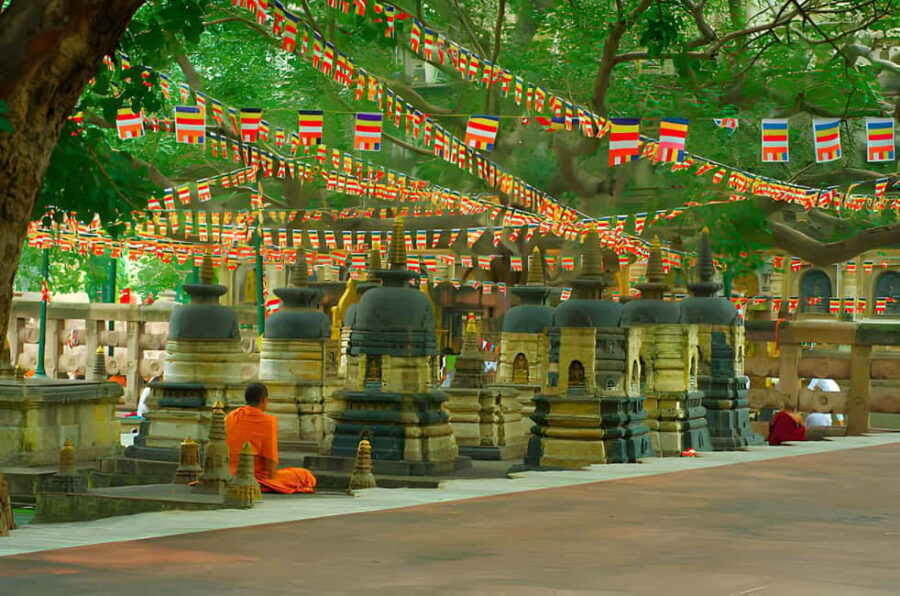
The Bodhi Tree is the reason most people come. It’s revered as the place associated with Gautam Buddha’s enlightenment, so when you’re standing there, you’re not just looking at a landmark—you’re participating in a tradition of reverence that’s been practiced for generations. This is where the tour earns its spiritual gravity.
What to watch for during your visit
Look for the flow of people and how the space is used for prayer and quiet attention. If you’re someone who likes to slow down, this is where you’ll want to keep your camera ready but not constantly in your face.
The main drawback is simple: the temple complex has heavy pilgrimage energy, so it may not feel like a casual sightseeing stroll. You’ll do better if you’re okay with a reverent atmosphere instead of “tourist mode.”
Animesh Lochana Chaitya: A Tiny Shrine With a Big Story
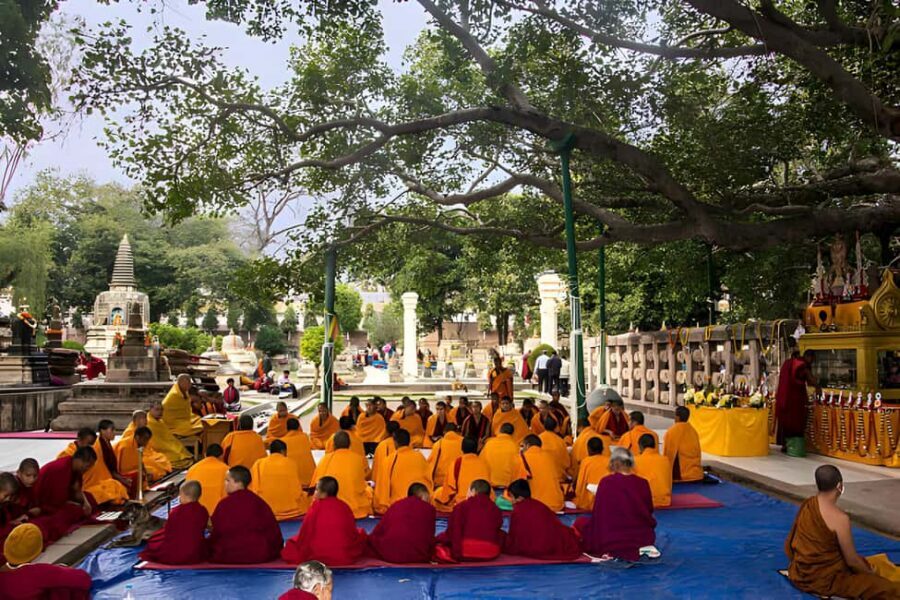
After Mahabodhi, you’ll visit Animesh Lochana Chaitya, described as a small shrine where it’s said Buddha gazed gratefully at the Bodhi Tree for a week. This is one of those stops that can feel almost surprising because it’s not as large as the main temple—but the meaning is specific and focused.
You’ll offer prayers there, which changes how you experience the place. Instead of just learning facts, you’re also doing the action that local practice revolves around.
Why I like this stop
It helps you connect the day’s big centerpiece (the temple and tree) with a smaller, more intimate spiritual moment. In a packed day, a shrine like this is the kind of pause that keeps the whole tour from turning into checkmarks.
Bodhi Sarovar: The Peaceful Water Pause
Next comes Bodhi Sarovar, described as a serene place where Buddha spent a week after enlightenment. This stop is shorter in spirit than it is in meaning—more of a quiet resting point than a “do everything” attraction.
Even if you’re not trying to memorize stories, the setting encourages slower attention. It also works well as a transition between the temple-focused parts of the day and the visual scale of places like the Great Buddha statue.
Practical tip for your pacing
If you’re prone to rushing, treat this as your “reset.” Take a moment to step back from the flow of sightseeing and let the place do the talking.
The 80-Foot Great Buddha Statue: Scale You Can Feel
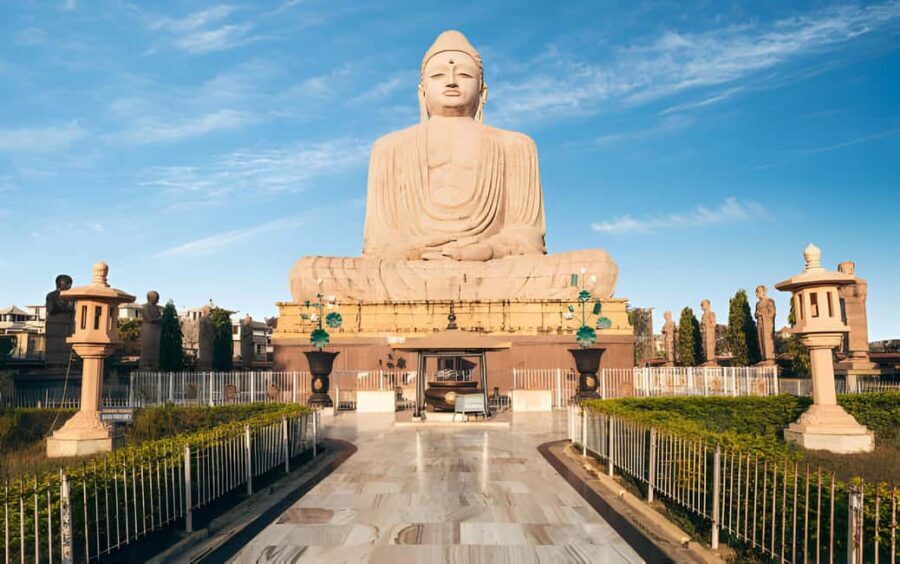
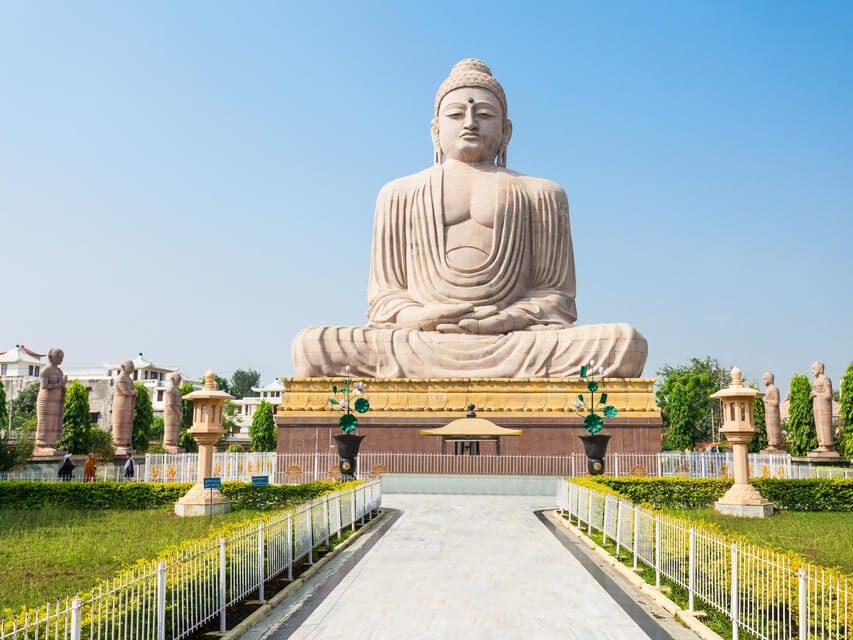
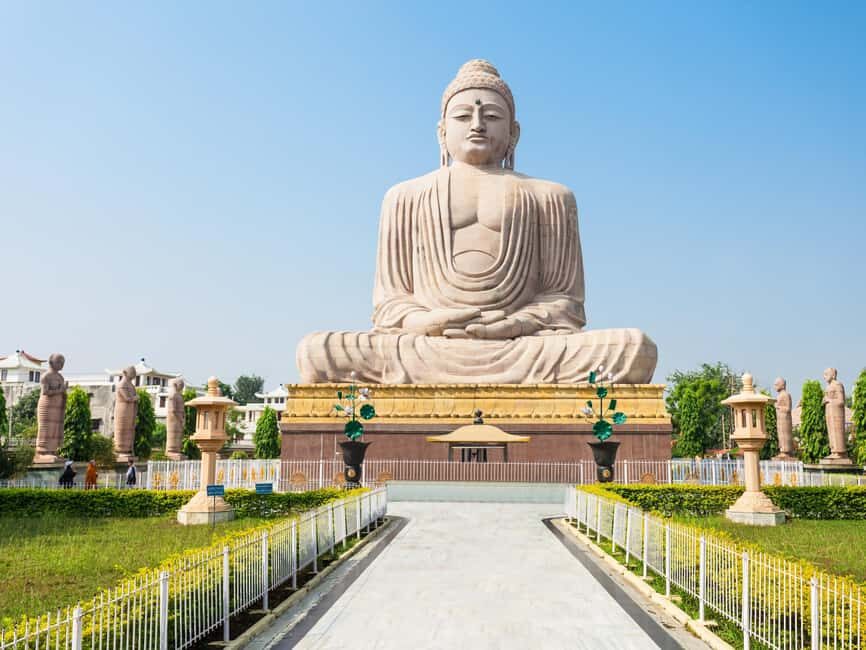
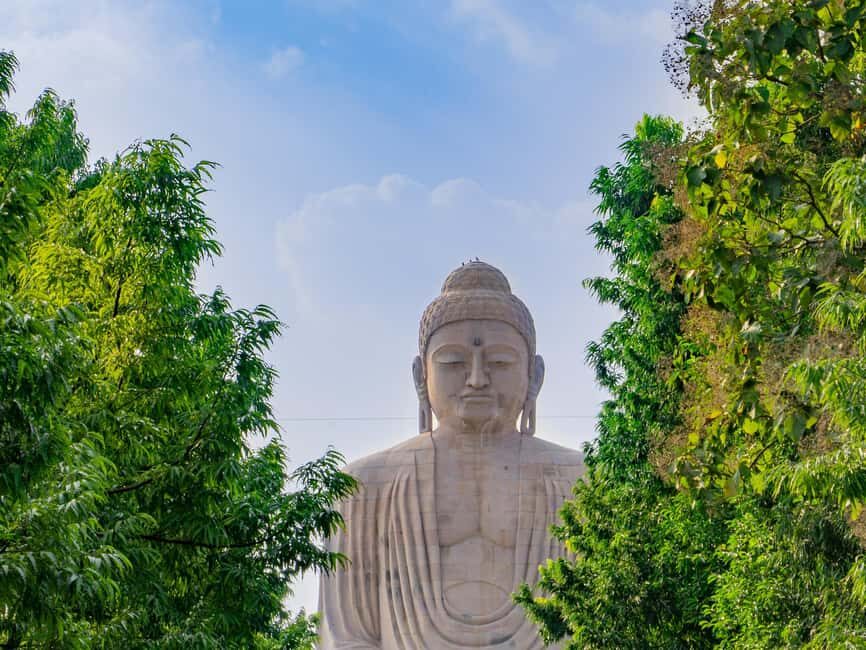
Then you’ll see the 80-foot-tall Great Buddha Statue, showing Lord Buddha in a meditative stance. This is the stop where Bodh Gaya shifts into a more monumental, calming kind of impression—less about intricate detail and more about presence and proportion.
A tall statue like this works well for a private tour because your guide can help you understand how it fits into the overall pilgrimage landscape, not just as a photo spot. You get that sense of “big spiritual message” without needing a long lecture.
The tradeoff
Because it’s a major visual landmark, it can be harder to find personal space for quiet reflection than at smaller sites. If meditation time is important to you, make sure you use the calmer monastery and meditation-center stops later in the day.
Monasteries and Meditation Centers: Tibetan, Japanese, Thai
One of the best parts of the tour is that it doesn’t show you a single-style Buddhism. You’ll explore peaceful monasteries and meditation centers in Bodh Gaya, including the Tibetan Monastery, Japanese Temple, and Thai Monastery.
This matters because you get to see how Buddhist practice expresses itself through different cultural forms. The spirituality feels consistent, but the visual language—temple styles, atmosphere, and the way people move through sacred space—adds depth to what you think you know.
Where you’ll likely notice the difference
The meditation centers and monastery areas tend to feel calmer than the main temple complex. That gives you breathing room in a day that otherwise includes multiple stops and a long drive back to Varanasi.
This is also where a good guide really changes the experience. One English guide named Deepak is specifically noted for explaining things clearly and giving enough time for meditation. If you get a similar approach from your guide, you’ll likely appreciate how the tour protects your quiet time instead of rushing you through.
Archaeological Museum Stop: Context Without the Overload
Your schedule includes an archaeological museum visit as a separate guided stop. This kind of pause is valuable because it gives you context for what you’re seeing—especially when you’re surrounded by sacred places that can feel like “just look at it” if you don’t get any framing.
The ideal museum time in a one-day trip is short and focused, so you leave knowing what to pay attention to at the religious sites. In this tour, the visit is built into the flow, so it complements the pilgrimage moments rather than competing with them.
How to make it work for you
Keep your attention on how the past connects to the traditions you’ll witness in monasteries. That way, the museum becomes a bridge, not a detour.
Vegetarian Lunch and a Sensible Midday Pace
You’ll have lunch at a nearby restaurant with vegetarian food. It’s a straightforward break that keeps energy stable for the remaining monastery and meditation stops.
Because this tour is private, the pace is controlled around your group. That’s useful on a day trip because the “right” timing is hard to get when you’re also dealing with road time.
What I’d watch for
If you’re sensitive to long travel days, plan to eat slowly and stay hydrated in whatever way is normal for you. The day is designed to continue right after lunch, so you’ll want your energy to hold through the afternoon.
Skip the Ticket Line and Get a Real Guide
This tour includes a live English tour guide, along with skipping the ticket line. That matters because Bodh Gaya is a pilgrimage destination, and time lost in queues can shrink your actual quality time at the spiritual stops.
You also get pickup included from your Varanasi hotel or airport, which removes one of the biggest stress points of doing Bodh Gaya as a same-day trip. Private group format also helps because you’re not fighting for listening time or waiting on a larger group rhythm.
The value of a private day like this
You’re paying more than a standard group bus, but you’re buying control: a guide who can explain in a way that suits you, and a driver who keeps the schedule moving so you can actually enjoy the places instead of just touching them.
Price and Value: Is $134 a Good Deal?
At $134 per person for a private same-day tour, you’re paying for a bundle: hotel pickup in Varanasi, a dedicated driver and transport to Bodh Gaya, an English-speaking guide, guided visits to multiple major sites, and time-saving with skipping the ticket line.
Is it “cheap”? No. But for many people, it’s a reasonable value because you’re saving the hassle of arranging your own long-distance transport and trying to stitch together several Bodh Gaya stops on your own. When you factor in the full day structure—from temple to monasteries to meditation-style pauses—the price starts to look more like convenience plus guidance than just transport.
Who gets the best value
This is especially good if you want the key pilgrimage highlights with a calm pace and a guide who can explain meaning, not just logistics. If you’re traveling as a couple, small group, or solo traveler who prefers not to haggle for transport, the private format usually feels like the smartest use of your time.
Who This Tour Fits Best (and Who Should Skip It)
This tour is best for travelers who want a single-day pilgrimage experience with guided context and time for quiet reflection. It’s also a good fit if you like structure and hate the uncertainty of trying to manage a long day from Varanasi independently.
It’s not suitable for pregnant women, based on the provided tour information. And if you’re hoping to include alcohol or drugs as part of your day plan, you’ll need to skip that—this tour has restrictions.
Should You Book the Private Same-Day Bodh Gaya Tour?
If you want Bodh Gaya’s main spiritual highlights in one day—Mahabodhi Temple, Bodhi Tree, Animesh Lochana Chaitya, the Great Buddha Statue, and monasteries by tradition—this tour makes sense. The biggest strength is how it balances iconic sites with quieter meditation-style stops, which is exactly what you want when you’re compressing a pilgrimage into a single day.
I’d book it if:
- You value guided explanations in English
- You want a plan that protects time for prayer and meditation
- You prefer private pickup and a dedicated driver for a long-distance day
I’d hesitate if:
- You’re easily worn out by long road days (the 4–5 hour drive is real)
- You want a mostly flexible schedule with no urgency at all
FAQ
How long is the Bodh Gaya tour from Varanasi?
It’s a one-day tour.
What time do you start and how is pickup handled?
You’re picked up in the morning from your hotel (or airport) in Varanasi.
How long is the drive from Varanasi to Bodh Gaya?
The drive is approximately 4–5 hours.
Which major sites do you visit in Bodh Gaya?
You visit the Mahabodhi Temple complex and Bodhi Tree, Animesh Lochana Chaitya (with prayer), Bodhi Sarovar, the 80-foot Great Buddha Statue, and monasteries/meditation centers including the Tibetan Monastery, Japanese Temple, and Thai Monastery.
Is there an English guide and do you skip ticket lines?
Yes, the tour includes a live English tour guide and includes skip-the-ticket-line access.
What food is included during the day?
Lunch is included, and it’s described as a vegetarian meal at a nearby restaurant.
What should I bring?
You should bring your passport and/or ID card, and wear comfortable shoes.
Is the tour suitable during pregnancy or if I’m traveling with alcohol or drugs?
Pregnant women are not suitable for this tour. Alcohol and drugs are not allowed.