REVIEW · BODH GAYA
BODHGAYA FULL DAY TOUR
Book on GetYourGuide →Operated by TOP TRAVEL AND TOURS P LTD. · Bookable on GetYourGuide
That sacred Bodh Gaya calm is earned.
This Bodh Gaya full day tour strings together the places tied to Buddha’s path to enlightenment and his lasting legacy, from the Mahabodhi Temple and Bodhi Tree to the Great Buddha Statue, plus Tibetan, Thai, Japanese, and Bhutanese monastery stops in one day. I love how the route feels purposeful, not random, and I love that your guide helps you make sense of what you’re seeing, like the Vajrasana (Diamond Throne) connection and the protective story of Mucalinda Lake. One thing to weigh: it’s a packed 8-hour day with a lot of stops, so if you want slow travel and long unplanned breaks, this may feel tight.
I also like the practical setup. You get picked up from Bodh Gaya city hotels, ride in a private AC vehicle, and have an experienced English-speaking guide—plus one liter of mineral water per person to keep you comfortable while temples and viewpoints do their thing. A possible drawback for some people: it’s not wheelchair accessible and it’s noted as not suitable for pregnant women, so check your situation early.
In This Review
- Key highlights you should care about
- Bodh Gaya in One Day: what $59 buys you
- Hotel pickup and the AC-car logistics that keep you sane
- Mahabodhi Temple and the Bodhi Tree: the calm you came for
- Vajrasana, Mucalinda Lake, and monk chants: meaning in the details
- Great Buddha Statue and the Metta Buddha: wisdom and kindness in stone
- Thai, Japanese, Tibetan, and Bhutanese monasteries in one route
- Sujata Stupa and Sujata Kuti: the kheer moment before enlightenment
- Bodh Gaya Archaeological Museum and the Sleeping Buddha
- Lunch and shopping time, minus the chaos
- Who this tour suits best, and who should think twice
- Should you book this Bodh Gaya full day tour?
- FAQ
- How long is the Bodh Gaya full day tour?
- What’s included in the tour price?
- Do I pay entrance fees separately?
- Is pickup available from Gaya airport or railway station?
- Is lunch included?
- Is this tour private and in English?
- Is the tour wheelchair accessible or suitable for everyone?
- Can I cancel for a refund?
Key highlights you should care about
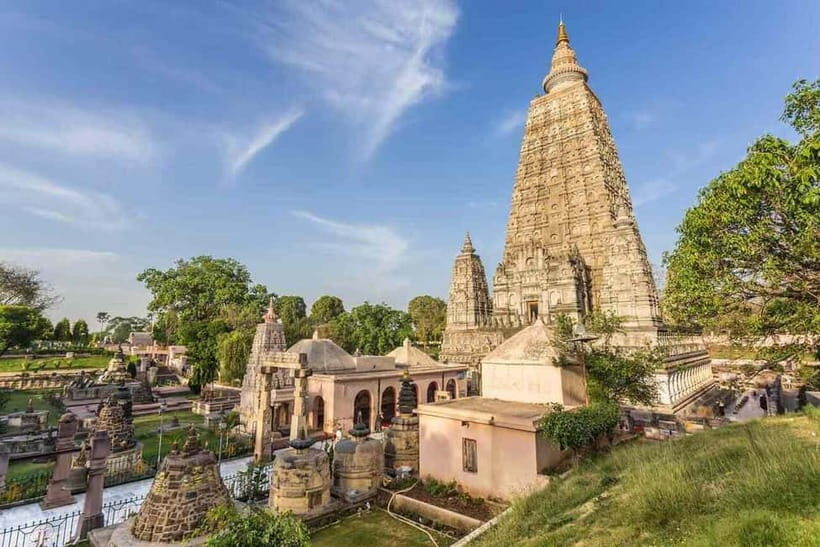
- Mahabodhi Temple and Bodhi Tree: UNESCO site, built in the 5th–6th century CE, with a chance to meditate where enlightenment is tied to Buddha’s story
- Four monastery styles in one day: Thai, Japanese, Tibetan, and Bhutanese architecture side-by-side, so you can feel how Buddhism travels and adapts
- 80-feet Great Buddha Statue: sandstone and red granite, designed for stillness and dhyana mudra pose
- Sujata Stupa and Sujata Kuti: the kheer-before-enlightenment moment, not just the final teaching
- Archaeological Museum visit: artifacts from the Mauryan and Gupta periods that help you read the temples more clearly
Bodh Gaya in One Day: what $59 buys you
This tour is priced at $59 per person and it aims to give you a lot of spiritual and cultural “signal” for the time you have. The big value isn’t only the sites. It’s the way the day is organized around meaning, so you’re not just ticking boxes like Mahabodhi, statue, monastery, repeat.
You’re getting a private group setup, so you’re not forced into a one-size-fits-all pace. The day is built to include the core enlightenment places and then branch out into the different Buddhist traditions living in Bodh Gaya today. That matters, because Bodh Gaya is famous for one story, but the site is also a real meeting point for many lineages.
A quick reality check: monument entrance fees are not included. That’s normal in India and it’s worth budgeting for. Also, the day is about 8 hours, so you’re moving. If you’re the type who likes to sit with one place for a long time, you’ll want to spend your energy wisely at the Mahabodhi Temple area.
You can also read our reviews of more tours and experiences in Bodh Gaya
Hotel pickup and the AC-car logistics that keep you sane
The day starts with pickup from Bodh Gaya city hotels only, then you drop back at the end. You also have parking and tolls covered, which sounds small until you’re stuck figuring out where to park near busy sacred sites.
You’ll ride in a private air-conditioned vehicle the whole way. That is a big deal in this region, because temple time includes slow moments and walking moments, and you want to cool down between stops.
Car type depends on your group size:
- 1–2 people: four seater sedan
- 3–4 people: five seater Innova
- 5–8 people: nine seater Tempo Traveler
One thing I really like here is the human layer. In past tours, the quality of the guide has been a standout, including guides like Abhishek (Bikki) and Arvind, with drivers such as Deepak and Abhay doing the hard part of getting you safely around. You’ll get an English-speaking guide, which matters because Bodh Gaya can feel like a maze of shrines unless someone connects the dots for you.
Mahabodhi Temple and the Bodhi Tree: the calm you came for
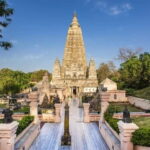
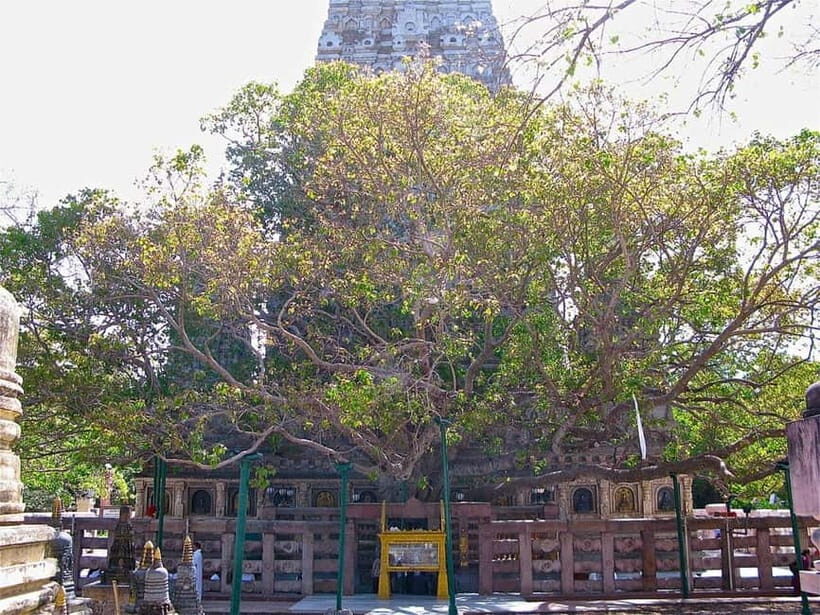
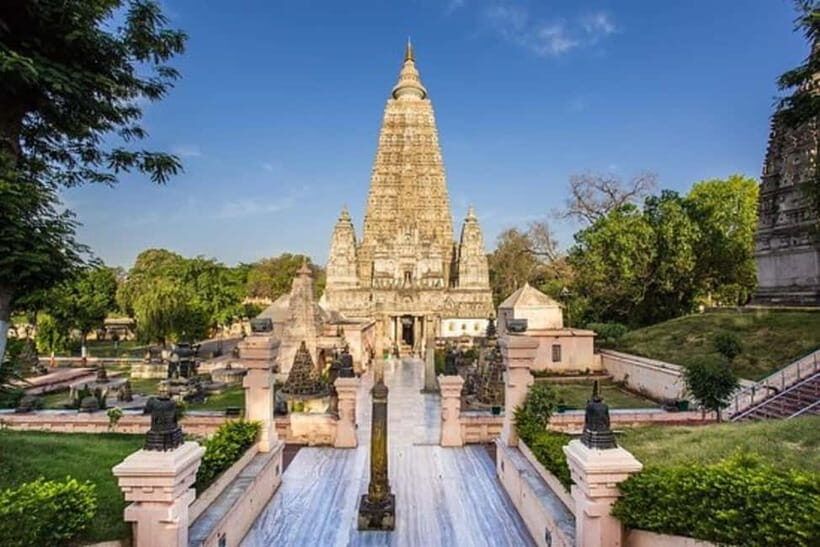
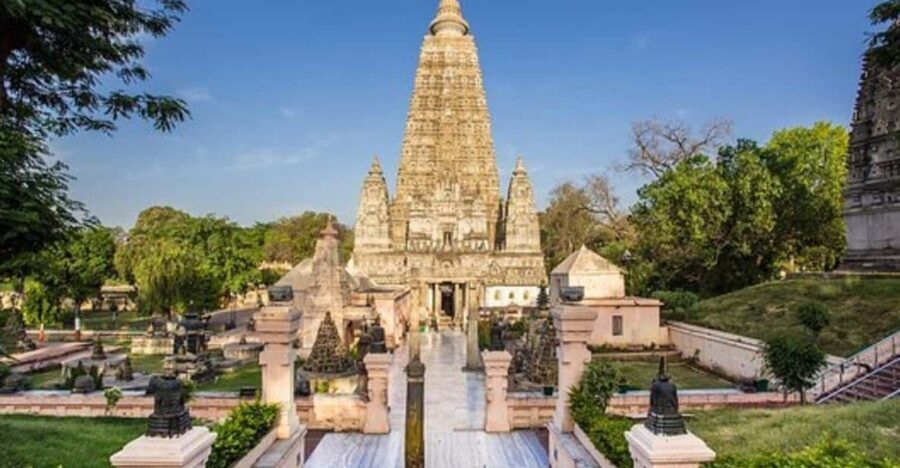
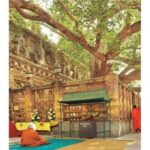
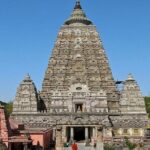
Your first major stop is the Mahabodhi Temple, built in the 5th–6th century CE, tied directly to the Bodhi Tree story and recognized as a UNESCO World Heritage site. This is the anchor point. If you’re visiting Bodh Gaya for one reason, it’s usually this.
What makes the temple area special is that it’s not only architecture. It’s a lived spiritual rhythm. The tour includes time around the sacred tree and the chance to meditate near the Bodhi Tree. You may also see monks chanting prayers, which helps you understand why this place feels different from a regular museum visit.
Inside the broader complex, your guide points out key locations, including the Vajrasana, also called the Diamond Throne—where Buddha is linked to deep meditation. It’s a small space compared to the huge statue scenes people imagine, so it helps to have someone explain what you’re looking at and why it mattered.
Practical note: this area can be active with worshippers. Go in expecting a steady flow rather than a quiet gallery vibe. The payoff is that you’re witnessing something that continues to matter right now.
Vajrasana, Mucalinda Lake, and monk chants: meaning in the details
After the Bodhi Tree focus, the tour keeps you in the story with a few very specific stops.
First is the Vajrasana (Diamond Throne). The point isn’t only that it exists. It’s that it puts Buddha’s practice in the foreground—stillness, focus, discipline. If you’re learning about Buddhism, this is where the abstract becomes physical.
Then you move to Mucalinda Lake, connected to a protective legend. A snake is believed to have protected Buddha from storms. Even if you think of it as symbolism rather than literal events, it’s still important. It shows how stories in Buddhism often communicate protection, patience, and survival through nature’s forces.
Finally, you may catch monks chanting during your visit. That’s not a sightseeing extra. It changes the temperature of the experience. A guide can help you notice when chants are starting, where people gather, and how to move respectfully without stepping into a devotional space.
Great Buddha Statue and the Metta Buddha: wisdom and kindness in stone
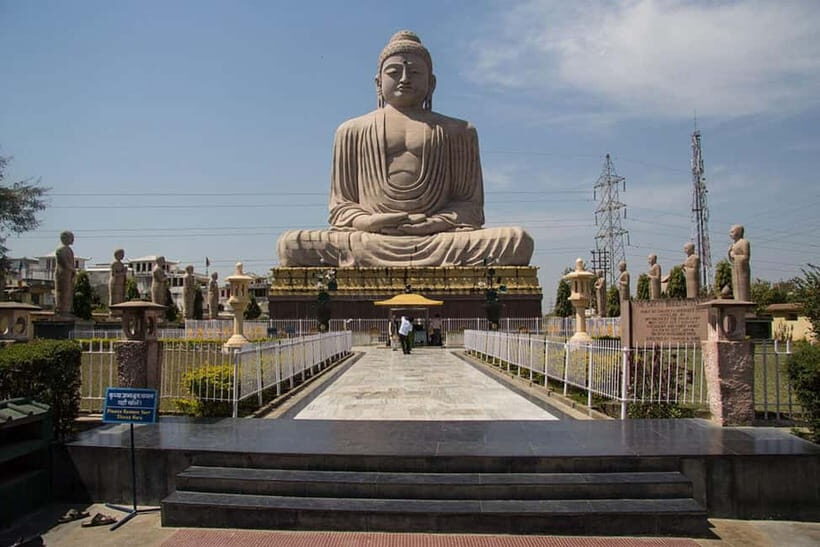
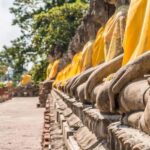
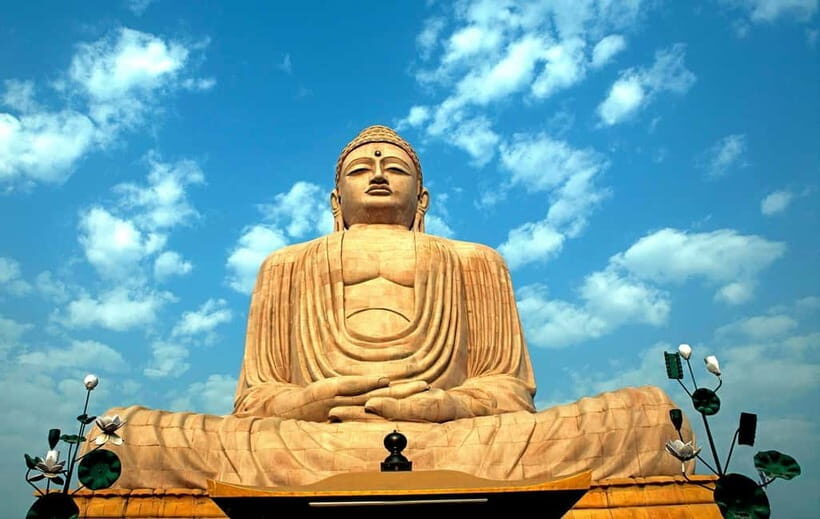
Next comes the big vertical moment: the Great Buddha Statue, an 80-feet tall figure made of sandstone and red granite. This statue is meant to communicate calm. You’ll also hear about the posture, including dhyana mudra, the meditative pose, with smaller disciple statues around it.
This stop works well because it gives your day a visual anchor. After the temple and the smaller devotional spaces, the statue is a shift in scale. It helps you “reset” your brain before you move into more monastery architecture.
You’ll then visit the Metta Buddha Statue, described as a newly built symbol of loving-kindness and compassion. The tour frames it as a good place for reflection and photography, but its deeper value is that it broadens the Bodh Gaya story. You’re not only tracking enlightenment. You’re also learning how the practice points outward to how you treat others.
If you like photos, you’ll appreciate the chance to frame the statue with the surrounding serenity. If you don’t, you’ll still get a clear moment to slow down.
Thai, Japanese, Tibetan, and Bhutanese monasteries in one route
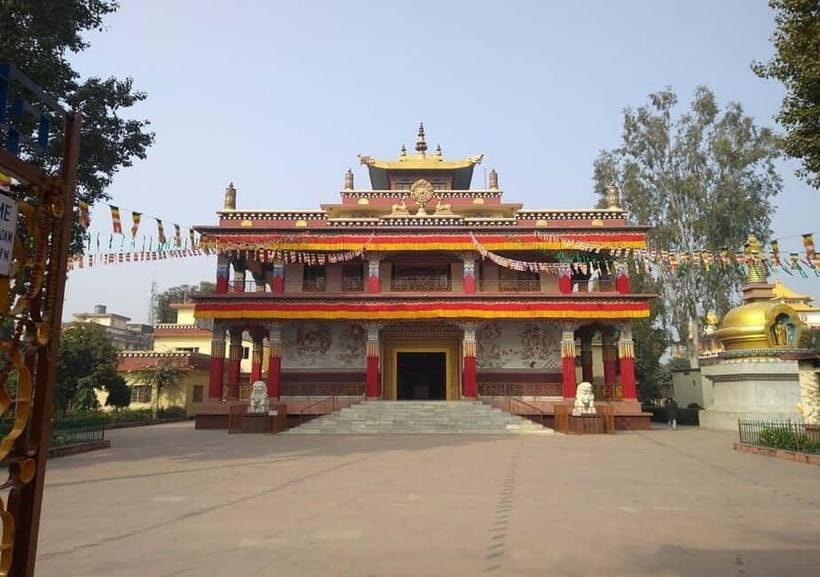
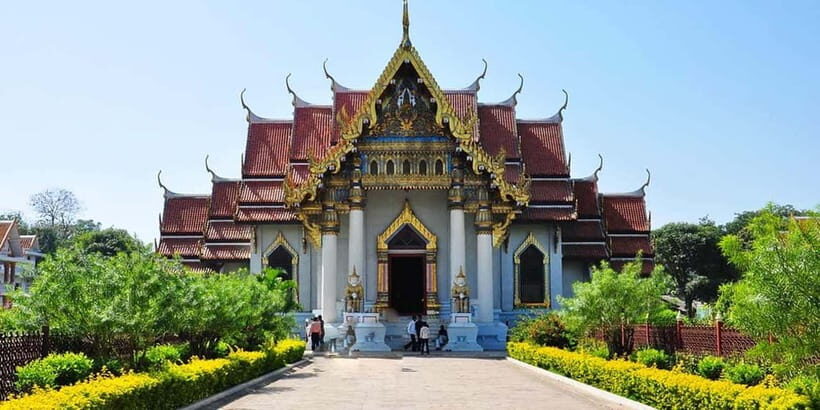
One clever part of this itinerary is that it doesn’t treat Bodh Gaya like one cultural bubble. It presents it as a crossroads. You’ll visit monastery spaces with distinct styles:
- Thai Monastery: golden Thai-style architecture and a golden Buddha idol. The vibe is quiet and meditative, and it often feels like a breath of calm compared to the busier temple areas.
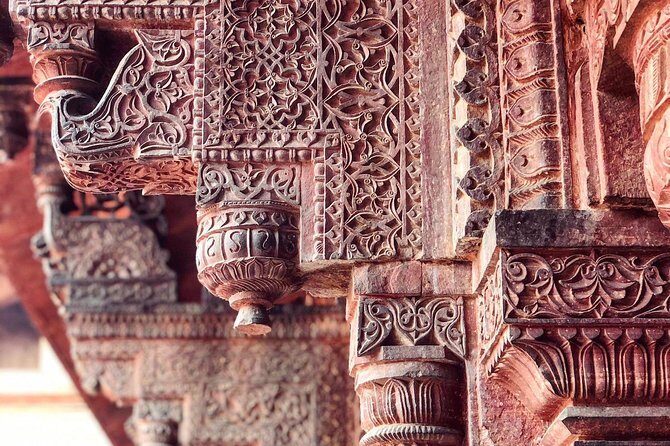
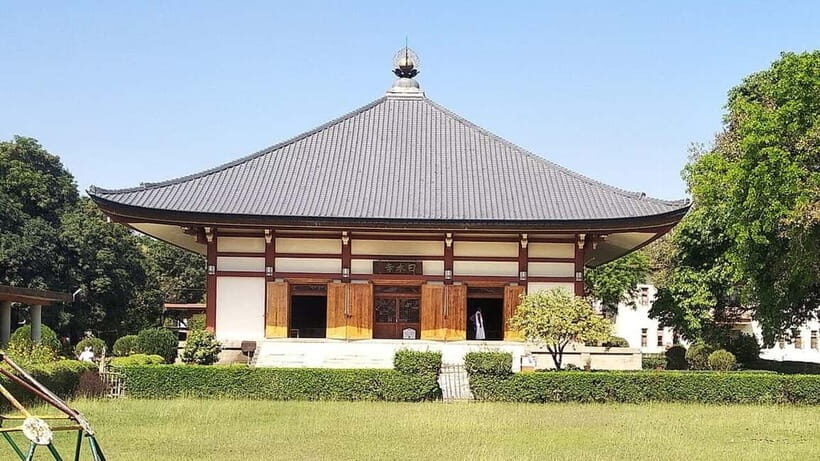
- Japanese Temple (Indoson Nippon Japanese Temple): built in a Japanese architectural style, with intricate wooden carvings. This is a good place to look for detail rather than size.
- Tibetan Karma Temple (Gaden Phelgayling Namgyal Datsang): with prayer wheels and colorful murals, where the visuals do some of the teaching for you.
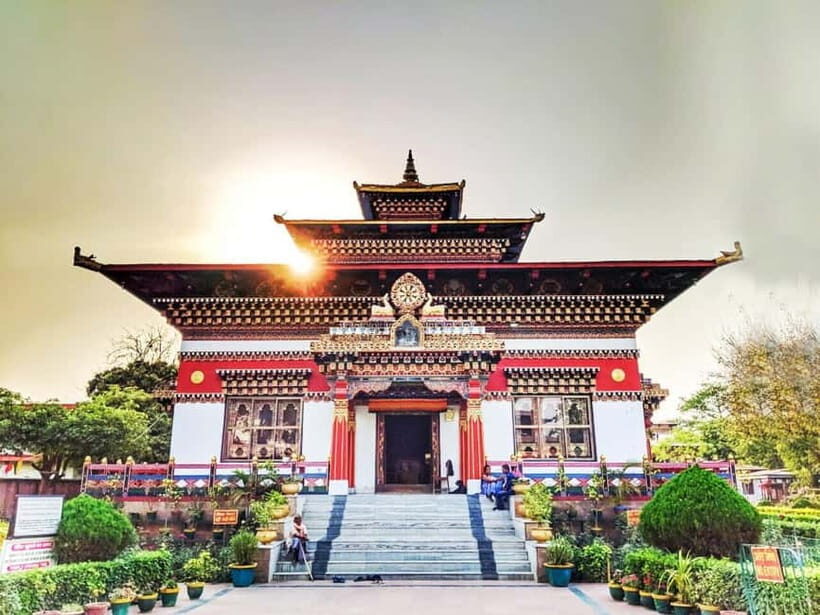
- Royal Bhutan Monastery: built by Bhutanese monks, with carvings depicting Buddha’s life.
When these traditions are close together, you can actually see how the same spiritual goal gets expressed through different art forms. That is the real “why” behind doing multiple monasteries in a single day.
A small heads-up: these sites can vary in how crowded they feel. A private guide helps you time your movement so you aren’t rushing through the parts that matter to you.
Sujata Stupa and Sujata Kuti: the kheer moment before enlightenment
After the monastery cluster, the tour turns toward a very human story: Sujata Stupa and Sujata Kuti.
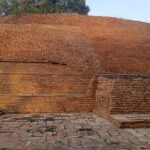
The Sujata Stupa honors Sujata, described as the woman who offered kheer (rice pudding) to Buddha before his enlightenment. It’s a helpful reminder that spiritual change doesn’t appear from nowhere. There’s a whole chain of care, food, and support in the narrative.
Then you visit Sujata Kuti, described as the village where she lived. You’re not only learning the headline. You’re getting a sense of place, which makes the story easier to remember later when you’re comparing different accounts you’ve heard.
This part of the day is often a favorite because it adds emotion. Not everyone wants to focus only on throne and statue. This stop connects enlightenment to everyday human acts.
Bodh Gaya Archaeological Museum and the Sleeping Buddha
To balance the religious sites, the tour includes the Bodh Gaya Archaeological Museum. This is where you can slow down without worrying about weather or crowds in the same way as outside shrines.
The museum displays ancient Buddhist relics, sculptures, and scriptures. You’ll see artifacts from major periods, including the Mauryan and Gupta eras, with statues of Buddha and Bodhisattvas. If you’ve ever looked at a temple and thought, what period is this really from, this stop can answer that in a straightforward way.
Then the tour ends with the Sleeping Buddha, a symbol of Buddha’s Mahaparinirvana (final liberation). It’s described as having a peaceful expression, pointing to enlightenment beyond life and death. It’s a fitting close, because the day starts with the enlightenment moment and then lands on liberation and transition.
Lunch and shopping time, minus the chaos
After the Tibetan and Bhutanese monastery segment, you’ll take lunch at a good restaurant. The tour schedule includes it, but lunch isn’t listed in the included items, so plan to cover your meal costs.
Later, there’s also shopping time in Bodh Gaya (about an hour). This is where a good guide earns their pay. In the experiences tied to this tour, guides such as Bikki and Arvind have been praised for helping people shop without feeling pushed into random stops.
Still, treat shopping time like it is: time. Have an idea of what you want to buy before you get there. If you’re hunting for Buddhist art or small gifts, it helps to move with intention.
Who this tour suits best, and who should think twice
This is a strong pick if you:
- want a structured full day that hits the major Bodh Gaya sites
- prefer a private English guide so you understand what you’re seeing
- like variety: temple, statue, multiple monastery styles, museum, and shrine stories all in one run
It may not be your best fit if you:
- need wheelchair accessibility (the tour is not wheelchair accessible)
- are pregnant (the tour is noted as not suitable)
- want a relaxed pace with fewer transitions
Also, the tour has a clear behavior rule: no alcohol and drugs. If you’re traveling with that in mind, you’ll feel more comfortable knowing it’s not allowed.
Should you book this Bodh Gaya full day tour?
If you’re visiting Bodh Gaya for the first time and you want maximum meaning in one day, I think booking makes sense. You’re paying for more than transport; you’re paying for the order of the experience, the English guidance, and the private pacing that helps you spend your time where it matters most.
I’d book it if you value these three things:
- time-saving hotel pickup/drop inside Bodh Gaya city
- a guide who helps the sites connect (especially the Bodhi Tree, Diamond Throne, and story stops)
- a route that includes the monasteries and the museum, not just statues
Skip it or adjust expectations if you want slow temple wandering or if your mobility needs make an 8-hour, multi-stop day hard.
FAQ
How long is the Bodh Gaya full day tour?
The tour lasts 8 hours.
What’s included in the tour price?
It includes a private air-conditioned vehicle, pickup and drop from Bodh Gaya city hotels only, an English-speaking guide, one liter of mineral water per person, parking and tolls, and all applicable taxes. Monument entrance fees, if any, are not included.
Do I pay entrance fees separately?
Yes. Entrance fee of monuments (if any) is on direct basis, meaning you may pay at the sites.
Is pickup available from Gaya airport or railway station?
Pickup is included from Bodh Gaya city hotels only. If you need pickup from Gaya hotels, the railway station, or the airport, there is an additional charge payable directly.
Is lunch included?
Lunch is described as part of the day after the Tibetan and Bhutanese monastery visits, but lunch costs are not listed in the included items.
Is this tour private and in English?
Yes. It’s a private group tour with a live English tour guide.
Is the tour wheelchair accessible or suitable for everyone?
The tour is not wheelchair accessible and it’s noted as not suitable for pregnant women. Infants must sit on laps.
Can I cancel for a refund?
Yes. There is free cancellation up to 24 hours in advance for a full refund.