REVIEW · BODH GAYA
Bodhgaya Day Tour (Hotel Pickup)
Book on Viator →Operated by Abram Travels · Bookable on Viator
Bodh Gaya fits neatly into one day. This private hotel pickup tour lines up the big spiritual sights in and around Bodh Gaya, so you spend less time planning and more time actually looking. The day has a clear route, with built-in breathing room to slow down where it matters.
I like that you can choose how long you stay at each stop, from the 90-minute Mahabodhi Temple to quicker monastery visits. I also appreciate the bottled water in the mix, because a full temple circuit adds up fast in the heat. One possible drawback: a dedicated guide may not be included by default, so if you want interpretation in English, confirm that up front.
At $32 for roughly 8 hours, it’s a solid value way to hit both the Buddhist landmarks and the Hindu temples that locals treat as part of the same spiritual geography.
In This Review
- Key highlights that make this day tour work
- Bodh Gaya in 8 hours: what you’re really buying
- Mahabodhi Temple: start where the story begins
- Great Buddha Statue: a quick breather with big scale
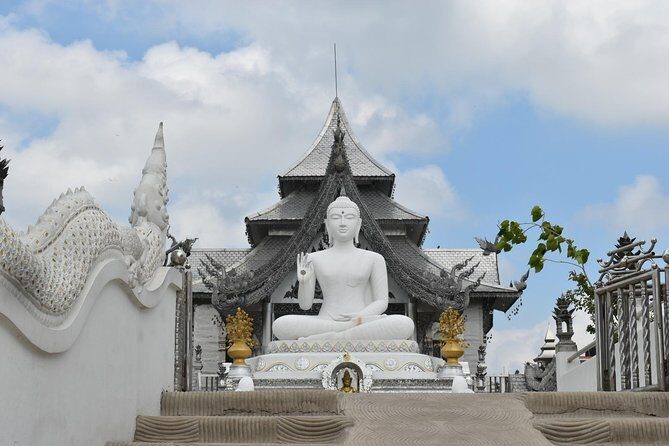
- Monasteries and temples circuit: Thai, Royal Bhutan, Japanese, and more
- Metta Buddharam Temple
- Thai Monastery
- Royal Bhutan Monastery
- Indosan Nippon Japanese Temple
- How to enjoy this stretch
- Sujata Kuti: one hour that can change how you see the day
- Vishnupad Temple and Mangla Gauri: when Hindu and Buddhist travel overlap
- Vishnupad Temple
- Mangla Gauri Temple
- One consideration for entry rules
- Tickets, water, and the guide question: practical stuff that saves headaches
- Price and value: why $32 can make sense here
- Who should book this Bodh Gaya day tour
- Should you book this Bodh Gaya day tour?
- FAQ
- How long is the Bodh Gaya day tour?
- Is hotel pickup included?
- Is this a private tour?
- Does the tour include bottled water?
- What ticket do I receive?
- Which stops are included in the tour?
- Are entrance fees included?
- Is a guide included?
- What hours does the tour operate?
- What happens if weather is poor or I need to cancel?
Key highlights that make this day tour work
- Smart pickup flow: you’re collected after arranging a pickup window, then moved between the main sights without juggling tuk-tuks
- Flexible time at each stop: you can linger at Mahabodhi Temple or keep the smaller monasteries shorter
- Bottled water included: a small detail that makes the whole circuit more comfortable
- Private for your group: only your party rides together, which helps when you want your own pace
- Mostly simple admission: many stops are free; a couple have tickets included so you’re not hunting fees mid-day
Bodh Gaya in 8 hours: what you’re really buying
A lot of people come to Bodh Gaya with one big goal: see Mahabodhi Temple, then build from there. This tour’s value is that it turns that plan into an efficient circuit. After pickup, you jump between the most important Buddhist and nearby spiritual sites, so you’re not spending half your day “figuring it out.”
The other practical win is flexibility. You’re not forced into a rigid time-box at every site. Instead, you can slow down at the places you care about and skim the ones you don’t—like keeping some monasteries short if you’d rather save energy for temples with long lines of pilgrims or crowded courtyards.
I’d also call out the pacing. In the best experiences, the driver keeps things unhurried and doesn’t rush you through what you paid to see. That matters at Bodh Gaya, where even a quick stop can turn into a longer moment because the place pulls you in.
You can also read our reviews of more tours and experiences in Bodh Gaya.
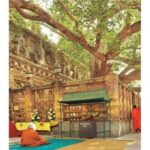
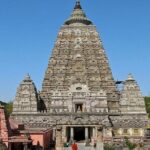
Mahabodhi Temple: start where the story begins
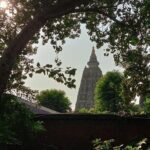
You’ll begin with Mahabodhi Temple, a UNESCO World Heritage Site marking the spot where the Buddha is said to have attained enlightenment. Expect a rebuilt-and-restored complex, but the feeling is still deeply connected to the original sacred idea—especially around the Bodhi Tree inside the temple grounds.
Plan on about 1 hour 30 minutes here. That’s the right amount of time to do three things without panicking: walk the key temple areas, pause for photos, and sit for a few minutes to watch devotion happening around you. This is also the stop where you’ll want your brain switched on. Mahabodhi is where everything else on your route starts to make sense.
A practical tip: if your group is the type that wants details, you’ll appreciate extra time. Even if you don’t have a formal guide, just slowing down here helps you connect the visuals to the spiritual context people travel for.
Great Buddha Statue: a quick breather with big scale
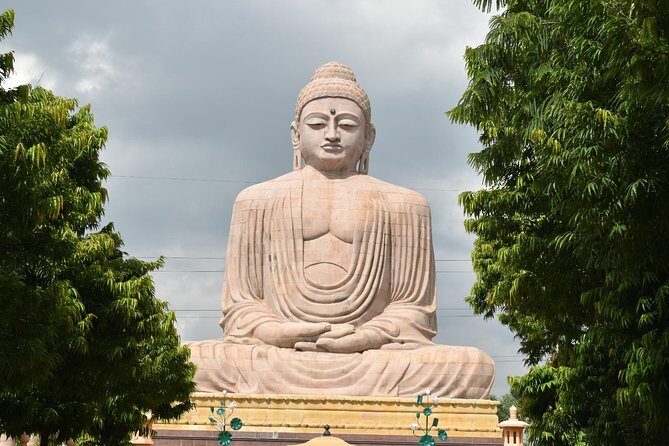
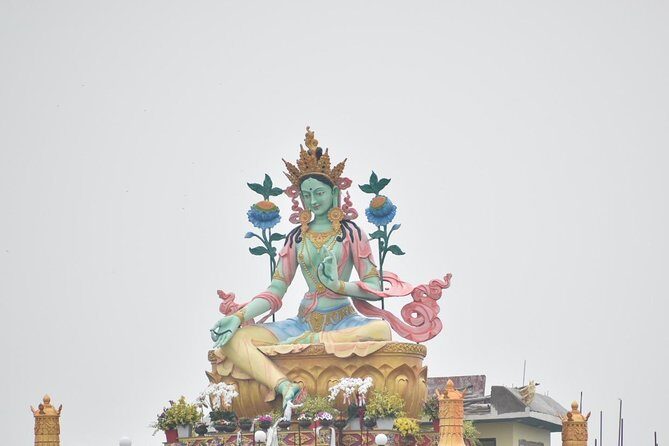
Next is the Great Buddha Statue, a giant figure in a seated meditation pose (dhyana mudra) with the statue set out in open air. It’s a pilgrimage stop, and it has that “you can’t miss it” scale effect even if you’re moving through quickly.
Budget around 30 minutes. This is the kind of place where you can stand back, take in proportions, then come closer for a different angle. It also works well as a short reset between the heavier temple experience of Mahabodhi and the smaller monasteries that follow.
If you’re sensitive to crowds, this is also a good moment to do a slow photo sweep—before you hit the busier complex areas again later in the day.
Monasteries and temples circuit: Thai, Royal Bhutan, Japanese, and more
After Mahabodhi, the tour shifts into a “temples and monasteries” circuit. This is where Bodh Gaya becomes more than one landmark; it turns into a whole map of Buddhist styles and national traditions.
Here’s what you’ll do, roughly in order:
Metta Buddharam Temple
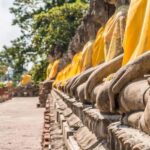
You’ll spend about 30 minutes at Metta Buddharam Temple, known for its design and sculptural work. The time here is brief enough to keep you moving, but long enough to enjoy the details without feeling like you’re just passing through a photo stop.
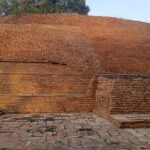
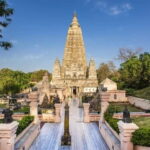
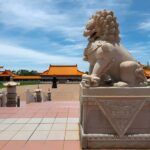
Thai Monastery
Then comes the Thai Monastery, with about 15 minutes. That short slot is perfect if you’re using it as a taste: you’ll see central architecture and get a sense of the Thai influence, but you won’t burn the day here.
Royal Bhutan Monastery
You’ll move to the Royal Bhutan Monastery for around 20 minutes. This monastery is associated locally with Bhutanese royal support, and that connection shows up through the art and craftsmanship. It’s a good stop for people who like seeing how different Buddhist communities interpret sacred spaces.
Indosan Nippon Japanese Temple
Next is the Indosan Nippon Japanese Temple (about 20 minutes). It was built in the early 1970s and is one of the more visited shrines in Bodh Gaya. Even if you’re not a shrine-detail person, it’s worth the stop because it adds another layer to the “global pilgrimage” feeling here.
How to enjoy this stretch
This middle portion is where you’ll feel the benefits of the tour’s flexibility. If your legs are tired, keep your time short at each stop. If something catches your eye—sculptures, carvings, ritual activity—ask for a little extra time.
The goal isn’t to see everything at super-speed. It’s to see enough that the different styles of devotion start to register.
Sujata Kuti: one hour that can change how you see the day
Stop seven is Sujata Kuti, and you’ll have about 1 hour here. This is a key place in the Buddhist story: it marks where the lady Sujata is said to have offered sweet curd and rice to the Buddha.
This stop tends to feel different than the monasteries. It’s more story-focused. You’re not just looking at architecture—you’re connecting the setting to a specific moment. That’s why the extra time helps. An hour here gives you room to walk slowly and actually absorb the meaning rather than treating it as a quick ticket stamp.
If you’re traveling with someone who likes narrative—my style of travel, honestly—this is the moment you can slow down and let the day click into place.
Vishnupad Temple and Mangla Gauri: when Hindu and Buddhist travel overlap
After Sujata Kuti, the tour turns to two Hindu temples on the route:
Vishnupad Temple
At Vishnupad Temple (about 30 minutes), you’re at the temple of Vishnu’s feet on the banks of the Phalgu River. The temple is believed to be tied to a sacred event in Hindu tradition. Admission ticket here is listed as included.
This stop can be a surprise for some people because Bodh Gaya isn’t only Buddhist. It’s a spiritual area where multiple traditions share the geography. That makes the day tour more interesting if you’re open to seeing how faiths coexist in one place.
Mangla Gauri Temple
Then you’ll visit Mangla Gauri Temple (about 30 minutes) with the admission ticket included as well. It’s associated with Shakti Peetham and described in multiple scriptures. Again, you’re seeing a different kind of sacred architecture and devotion.
One consideration for entry rules
There’s one important heads-up from real-world experience: access rules for some temples can vary for non-Indian visitors. In at least one case, the tour shifted away from Hindu temple stops and added an alternative site after entry was not possible. The practical takeaway for you is simple: if you’re a foreign visitor and certain sites have restrictions on entry, ask your driver or organizer early in the day what your options are so you don’t lose time.
Tickets, water, and the guide question: practical stuff that saves headaches
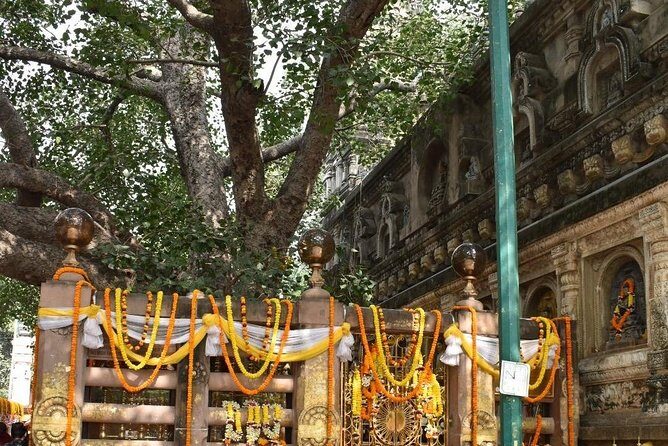
This experience includes bottled water, and it’s built for efficient sightseeing across multiple locations. The ticketing is handled with a mobile ticket, and you should receive confirmation at booking time.
Now, the guide issue deserves a clear note. The tour is described as a private tour for your group, but it doesn’t specifically promise a formal guide in the way some tours do. In one case, a driver arrived without a guide, and the provider’s response clarified that the tour does not include a guide as stated in the product. At the same time, other runs included a named guide and a driver, with people praising how well they explained things.
So here’s how I’d handle it:
- If you want someone to explain the stories behind Mahabodhi and the monasteries, confirm whether a guide is included for your exact booking.
- If you only need transport plus time on-site, this format can still work well.
Language can also matter. In at least one positive experience, a guide’s English was limited, but they still managed to provide a useful tour of Mahabodhi and nearby areas. You might find that the driver is the main support, with a guide adding extra context only if included.
The good news: when the pacing is unhurried, even partial explanations can still make the sites click because you’re physically present in the place, not stuck in a rushed loop.
Price and value: why $32 can make sense here
For about $8 hours of private transport with hotel pickup, $32 can be a fair deal—especially in a place where hiring a driver on your own for a full day can quickly cost more. The value improves because bottled water is included and because you’re hitting multiple major sites without arranging each one separately.
Also, admission isn’t a constant hassle. Many stops list admission ticket free, so your spending is limited mainly to the temples where tickets are included (like Vishnupad and Mangla Gauri). That helps the day feel simpler and less like you’re constantly checking fees.
The real value question is your travel style. If you like structure and want one plan that covers the main highlights in Bodh Gaya, this is good value. If you want a deep, guided interpretation at every site and you don’t speak local languages, you may need to add a guide or ask for one.
Who should book this Bodh Gaya day tour
This tour is a strong fit if:
- You’re short on time and want the top sights of Bodh Gaya in one organized day
- You like flexible time on-site rather than a strict timetable
- You’d rather pay for an easy plan than coordinate transport between multiple temples
It’s less ideal if:
- You require a guaranteed English-speaking guide and want detailed interpretation at every stop
- You hate any possibility of entry restrictions at specific temples and need 100% certainty for each site
If you’re traveling with family, a couple, or friends, the private nature is useful. It prevents the day from feeling like a crowded bus tour, and it makes it easier to adjust your pace when you hit a line or a busy moment.
Should you book this Bodh Gaya day tour?
I’d book it if your priority is getting your bearings fast and seeing the main spiritual landmarks without planning stress. The hotel pickup, private group setup, bottled water, and the “main sites in one sweep” format make it a practical way to experience Bodh Gaya.
I’d think twice if you need a guide for every stop. The tour may not include one by default, and a good guide can change the experience from sightseeing into understanding. If you want that, confirm in advance so you’re not halfway through Mahabodhi Temple wondering how much context you’ll get.
FAQ
How long is the Bodh Gaya day tour?
The tour runs about 8 hours (approx.).
Is hotel pickup included?
Yes. Pickup is offered.
Is this a private tour?
Yes. It’s private, and only your group participates.
Does the tour include bottled water?
Yes. Bottled water is included.
What ticket do I receive?
You receive a mobile ticket.
Which stops are included in the tour?
The stops listed are Mahabodhi Temple, Great Buddha Statue, Metta Buddharam Temple, Thai Monastery, Royal Bhutan Monastery, Indosan Nippon Japanese Temple, Sujata Kuti, Vishnupad Temple, and Mangla Gauri Temple.
Are entrance fees included?
Many stops are listed as admission ticket free. Vishnupad Temple and Mangla Gauri Temple are listed as having admission ticket included.
Is a guide included?
The provider response indicates that this tour does not include a guide.
What hours does the tour operate?
The opening hours are 6:00 AM to 9:00 PM.
What happens if weather is poor or I need to cancel?
The tour requires good weather. If it’s canceled due to poor weather, you’ll be offered a different date or a full refund. You can cancel for a full refund up to 24 hours in advance.