REVIEW · UDAIPUR
Diwali with Udaipur Locals
Book on Viator →Operated by India saying namaste Trips · Bookable on Viator
Diwali in Udaipur feels personal and close. This small-group evening puts you in the middle of the celebration at Rekha’s family home, then carries you into the festive streets so you can see how people actually mark the day with food, music, dress, and home decorations. I especially liked the hands-on rangoli and quick henna, and I also liked that the mood stays family-focused, not performance-only. One thing to consider: there are no transfers, so you’ll need to plan your own way to the meeting point.
What makes this experience stand out for me is the plain, everyday way it explains Diwali. You’re not just watching candles and fireworks—you learn what families prepare, what they wear, and how they turn the front of the home into something beautiful. The group stays small (maximum 15 travelers), and the whole experience runs about 4 hours starting at 6:30 pm, so it’s long enough to feel the rhythm without dragging on.
If you want a quiet, sit-and-listen history lesson, this won’t be your match. It’s more active: creating decorations, sharing a traditional dinner, and taking part in the evening’s sights and sounds with other participants who join the activity.
In This Review
- Key things you’ll do and notice
- Diwali with Udaipur Locals: Why this evening feels real
- Getting to the action: the 6:30 pm meeting at Rekha’s home
- The heart of the evening: Diwali celebrations, music, dance, and family food
- Rangoli with colored sand: making the design with local help
- Henna on the hands: quick, fun, and culturally tied to the night
- Fireworks as part of the celebration, not the main event
- Bapu Bazaar Shopping Streets: the festive side of Udaipur’s evening
- Price and value: what $22.67 buys you in real time
- Who this tour is best for (and who should skip it)
- Quick tips so you enjoy every part
- Should you book Diwali with Udaipur Locals?
- FAQ
- How long is the Diwali with Udaipur Locals experience?
- Where do I meet the group?
- What time does the experience start?
- What is included in the tour?
- Are transfers included?
- Is there free cancellation?
Key things you’ll do and notice
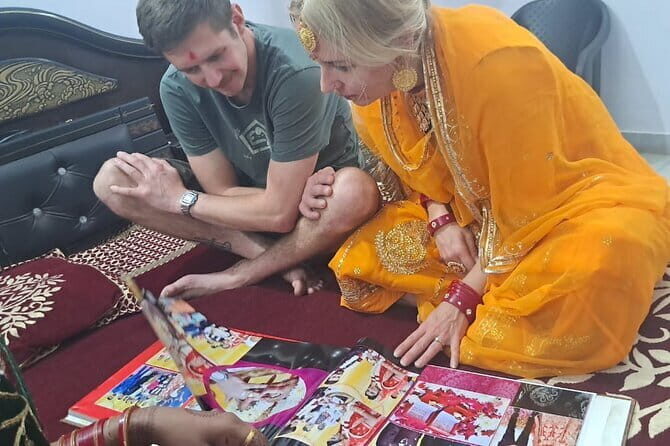
- Start at Rekha’s home in Old City Udaipur and see how families celebrate Diwali at ground level
- Learn rangoli basics and follow along as designs get filled in with colored sand
- Try henna quickly with a design applied to your hands during the festivities
- See Diwali food and dinner served traditionally as part of the evening’s flow
- Experience fireworks as part of the night rather than as a separate spectacle
- Spend time at Bapu Bazaar Shopping Streets with the festive atmosphere around you
Diwali with Udaipur Locals: Why this evening feels real
Diwali is often described like a postcard. In Udaipur, it’s more like a family schedule—people cook, dress up, make decorations, and then gather to eat and celebrate together. This tour leans into that practical reality. You get the feeling of what the day looks like from inside the celebration, not just what it looks like from a distance.
The most praised part of the experience is also the most useful for you: it feels authentic and educational. You learn by doing things alongside locals, including the floor art (rangoli) and a quick henna application. That hands-on approach changes what you notice afterward—your eyes start tracking details like the role of home decorations and the way food fits the timing of the festival.
The second big win is simply the pacing. It’s about 4 hours, starting at 6:30 pm, so it lands when the lights and family energy are strongest. You also return to the meeting point at the end, which makes your evening planning easier.
You can also read our reviews of more tours and experiences in Udaipur.

Getting to the action: the 6:30 pm meeting at Rekha’s home
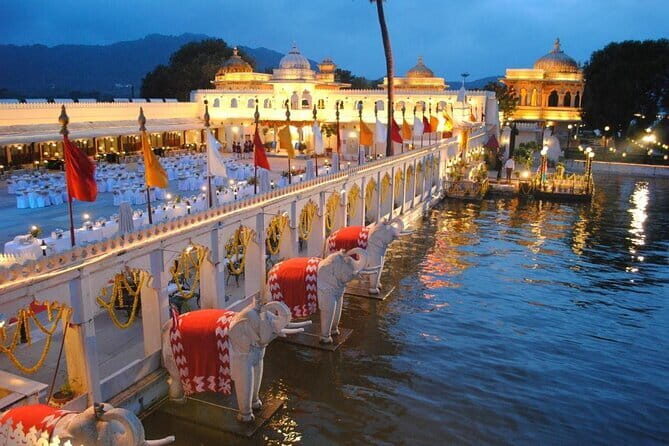
The meeting point is Cook with rekha’s Family, Kalaji Goraji D Rd, Old City, Kalaji Goraji, Udaipur, Rajasthan 313001. The start time is 6:30 pm, and your activity ends back at the same meeting point.
Why this matters: you’re not starting at a big landmark where everyone funnels through. You start where the celebration is happening. That gives you a clearer sense of what families prepare at home—dishes, decorations, and the small details that tourists usually miss.
You’ll receive a mobile ticket, which is a nice practical touch if you’re already juggling maps, cash, and late-evening plans. Also note that this is a shared activity, so you may participate alongside other people booked for the same session.
The heart of the evening: Diwali celebrations, music, dance, and family food
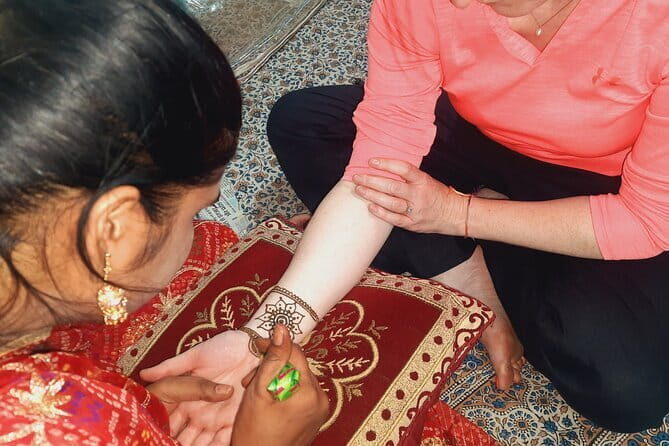
The evening is built around Diwali as it’s actually celebrated: worship and family time, plus the sensory stuff—music, dance, food, and fireworks. The description ties Diwali to the festival of lights, worship for the goddess of money and home, and the homecoming story of Lord Rama after 14 years. That context helps you understand why so many actions feel connected to prosperity and home life, not just lights for fun.
For you, the value is that the experience doesn’t treat food as an add-on. You’re told you’ll see what dishes people make, and you’ll be part of a traditional dinner full meal during the celebration. When a tour gives you dinner as part of the event, you’re not left scrambling afterward to find something open or to hunt for a place that fits the mood.
One small practical reality: because it includes multiple parts (decorations, dinner, and festive visuals), it’s not a “slow walk and take photos” kind of experience. It moves with the festival energy.
Rangoli with colored sand: making the design with local help

Rangoli is one of those things that looks simple until you try it. Here you get to try, and that’s where the tour becomes genuinely memorable.
You’ll enroll in creating a rangoli—the intricate decoration made with colored sand placed at an entranceway. You’ll learn from young Indian women who draw designs and then guide you while you fill in the pattern. One specific design mentioned is a peacock, which is a great subject for a first attempt because it gives clear shapes to follow.
Why I think this is a strong experience choice: you’re practicing the “how,” not just seeing the “what.” After you’ve filled in even a small section, you’ll better understand how families create these patterns quickly and neatly, and why the placement at the doorway matters as a greeting to the home.
Henna on the hands: quick, fun, and culturally tied to the night
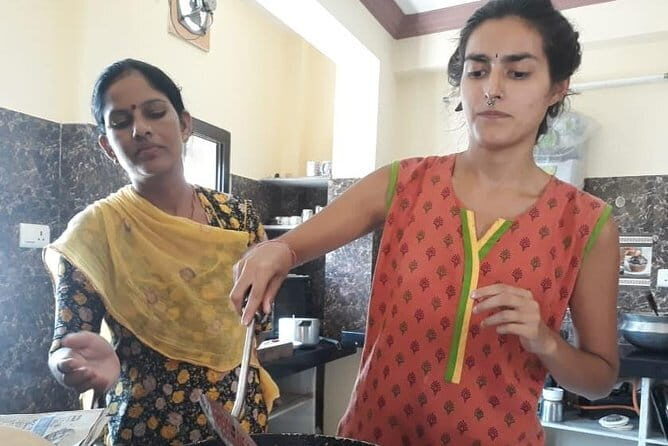
Alongside rangoli, you can take part in getting a quick henna on your hands with beautiful designs. Henna during Diwali is part art, part celebration ritual. Even a short application makes the evening feel connected to the festival, not like you’re only passing through.
Keep expectations practical: the tour describes it as quick, so treat it as a light, festive activity. Plan to go into it ready to have your hands involved in something that’s part craft and part tradition.





Fireworks as part of the celebration, not the main event
Your evening includes fireworks as part of the Diwali night experience. That’s a simple detail, but it helps shape how you’ll remember the pacing. Instead of fireworks being a separate show you race to, they’re placed within the flow of the celebration—after you’ve handled the festive activities and before/around the dinner portion.
If you prefer to avoid crowds, this is something to think about. Fireworks typically bring more attention and movement. Still, the group size stays capped at 15 travelers, which helps keep the experience from feeling like a giant rush.
Bapu Bazaar Shopping Streets: the festive side of Udaipur’s evening

At the end of the Diwali home-and-art portion, you also spend time at Bapu Bazaar Shopping Streets. This is where Diwali becomes visible in everyday items: people out, shopfront energy, and the sense that the whole neighborhood is participating.
Why this matters for your trip: Udaipur’s historic core is where you’ll get the texture of local life, and Diwali adds a layer you can’t fake with museums or viewpoints. Shopping streets are also where you’ll see how people dress for the day and how families move through the evening together.
A practical note: since the tour doesn’t include transfers, you’re responsible for getting to the meeting point on Old City streets. Once you’re inside the experience, you’ll follow the schedule for the evening.
Price and value: what $22.67 buys you in real time
The price is $22.67 per person, and the tour typically gets booked about 7 days in advance. It runs about 4 hours and includes the big ticket items: meals, Diwali festival activities, rangoli creation, henna, fireworks, and a traditional dinner full meal. There’s also a shared activity component where other participants may join.
Is it good value? For me, yes—because you’re not paying just for a look at lights. You’re paying for structured participation: food, decoration-making guidance, and a local-led celebration segment. Those are hard to replicate on your own without the language and local access.
The trade-off is logistics. With no transfers, you need to be comfortable handling your own arrival plans. But if you’re already planning an Old City evening, that’s not a deal-breaker—it can actually be part of the charm.
Who this tour is best for (and who should skip it)
This tour fits best if you want Diwali to feel human-scale. It’s ideal for:
- Couples or small groups who like a personal welcome
- People who enjoy doing something, not only photographing
- Travelers who care about how locals celebrate, including what people wear and eat
It may not be the best match if you:
- Want long downtime or a slow, flexible schedule
- Prefer an explanation-only experience with lots of sitting and quiet reading
- Need pickup or transfers to make an evening outing workable
The group cap of 15 travelers helps most people get the kind of attention you want for hands-on activities like rangoli and henna.
Quick tips so you enjoy every part
- Arrive on time for the 6:30 pm start so you don’t miss the opening celebration flow.
- Bring your energy for active participation. Rangoli and henna mean you’ll be doing small tasks rather than only watching.
- Eat before you go only if you truly must. The plan includes meals and a traditional dinner full meal, so you’ll want your appetite ready.
If you like learning through participation, this is the kind of plan that leaves you thinking about Diwali differently afterward.
Should you book Diwali with Udaipur Locals?
I’d book it if you want Diwali to feel like a local household celebration—home start, family-style dinner, hands-on rangoli with a peacock design, and quick henna during the festivities. At $22.67 for about 4 hours, with meals and multiple activities included, it’s a smart value if you can make the meeting point without transfers.
I’d skip it only if you need transport help or you’re hoping for a quiet, museum-style overview. This is a lively evening built for participation, and that’s exactly why it works.
FAQ
How long is the Diwali with Udaipur Locals experience?
It lasts approximately 4 hours.
Where do I meet the group?
You meet at Cook with rekha’s Family, Kalaji Goraji D Rd, Old City, Kalaji Goraji, Udaipur, Rajasthan 313001, India.
What time does the experience start?
The start time is 6:30 pm.
What is included in the tour?
It includes the Diwali festival experience, meals, Diwali rangoli and fireworks, and a traditional dinner full meal.
Are transfers included?
No, there are no transfers included.
Is there free cancellation?
Yes. You can cancel for a full refund up to 24 hours before the experience starts.