REVIEW · NEW DELHI
Food Tour to Old Delhi with a Local
Book on Viator →Operated by Day Trips · Bookable on Viator
Old Delhi food can feel like sensory overload. This tour turns that chaos into a short, guided route with 8–10 tastings you can actually finish and enjoy. What I like most is how the stops are chosen for variety (cool yogurt tang, hot fried snacks, sweet finishes) and how Deepak makes the experience feel orderly, even when the streets get busy. One thing to keep in mind: you’ll be walking through tight lanes and you need moderate physical fitness for the pace.
At $37.99 per person for about 3 to 4 hours, the value is in the setup. You get a planned circuit, a rickshaw ride, and hotel pickup/drop-off if you select it, so you’re not spending your trip time figuring out which stall is worth the line. Also, tours like this can book up fast, so if you want a specific day, it’s smart to lock it in early.
If you’re a first-timer to New Delhi street food—or you just want Old Delhi without stress—you’ll like the structure. You’re also in a small group (maximum 12 people), which makes it easier to ask questions and keep the pacing comfortable. The one drawback: food tours like this depend on good weather, so have a plan for a possible reschedule.
In This Review
- Key highlights to look for
- Why Old Delhi street food works best with a plan
- Meet in Connaught Place, then transfer by metro and rickshaw
- Stop 1: Pasar Chandni Chowk for dahi bhalla
- Stop 2: Gurudwara Sis Ganj Sahib and the community kitchen
- Stop 3: Dariba Kalan for jalebi and samosa
- Stop 4: Khari Baoli spice market with Karachi halwa and chole bhatura
- Stop 5: Chawri Bazaar kulfi with 20+ flavors
- Price and logistics: what $37.99 buys you
- Who should book this Old Delhi food walk (and who might not)
- Should you book? My take
- FAQ
- What’s the duration of the Food Tour to Old Delhi with a Local?
- How much does the tour cost?
- Does the tour include pickup and drop-off?
- Where do we meet for the tour?
- What time does the tour start?
- How many people are in a group?
- What food is included in the tasting?
- Are gratuities included?
- What happens if the weather is bad?
Key highlights to look for
- Deepak leads in English and keeps things smooth and friendly from start to finish
- 8–10 tastings across savory, fried, sweet, and a kulfi finale
- Old Delhi by metro + rickshaw, so you see more without burning your energy
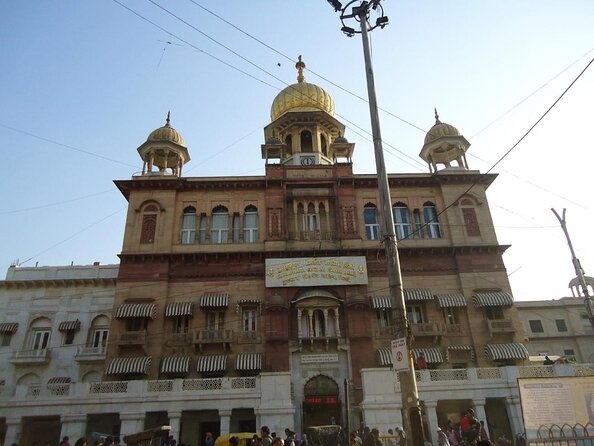
- Gurudwara Sis Ganj Sahib stop for context on Sikh history and the community kitchen
- Classic Chandni Chowk and Dariba Kalan bites, including jalebi and samosa from a long-running shop
- Khari Baoli spice market route, with sweets and hearty street classics
Why Old Delhi street food works best with a plan
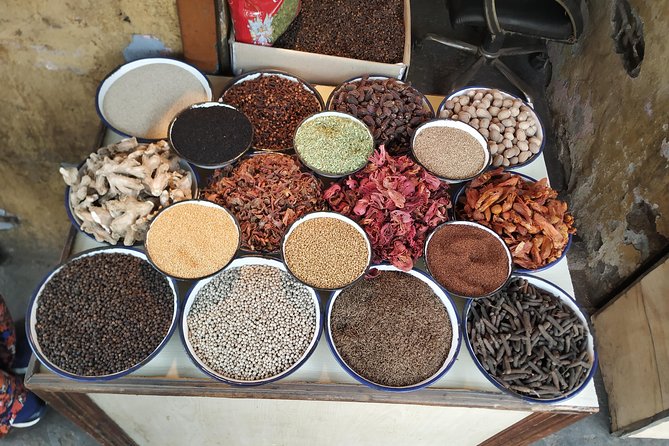
Old Delhi has a special talent for mixing smells, sounds, and motion into something that can either feel thrilling or overwhelming. With this tour, you get the best part—street food variety—without having to read a map while you’re standing in the middle of a market crowd.
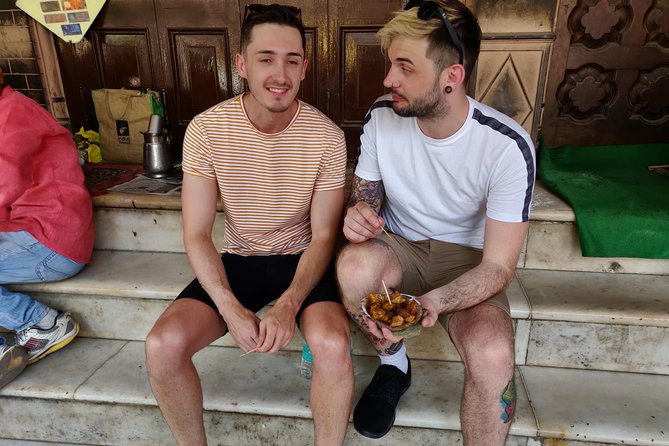
The route is built around foods that change the mood as you go. You start with something tangy and cooling (dahi bhalla), move into warm fried snacks (samosa, jalebi), then hit hearty savory plates (like chole bhatura) and end with a cold, flavor-packed sweet (kulfi). That flow matters because it helps you pace yourself. Instead of one big meal attempt at a single stall, you’re sampling in stages, which is easier on your stomach and more fun for your taste buds.
I also like the sense of cultural framing. You don’t only taste; you learn why these foods matter in daily life—especially with the stop at Gurudwara Sis Ganj Sahib and its connection to the community kitchen service and Sikh history.
You can also read our reviews of more tours and experiences in New Delhi.



Meet in Connaught Place, then transfer by metro and rickshaw
You start at United Coffee House, Inner Circle, E-15, Block E, Connaught Place with a 2:30 pm departure. If you choose the pickup option, you’ll be collected and later dropped off; if not, you’re close to public transport, so you can still get there without fuss.
One of the practical wins here is movement. You don’t spend the whole afternoon stuck in traffic or walking every single street. The tour includes a subway/metro ride early on and later uses a rickshaw ride toward the spice market area. That combo helps you cover more ground while keeping your feet from taking all the punishment.
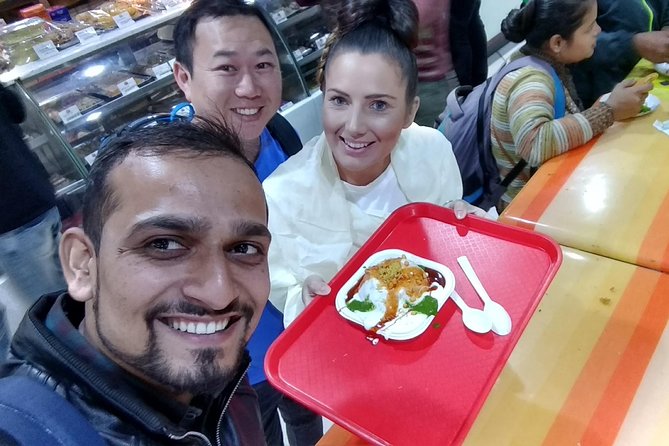
Group size is capped at 12 people, which I find makes a difference. In a small group, the guide can adjust pacing, handle questions, and make sure you’re not swallowed up by the crowd. It also helps the tour feel safer and calmer, particularly for solo visitors who want to try street food but would rather not do it completely on their own.
Finally, this is a mobile-ticket experience, so you’re not scrambling for paper confirmations.
Stop 1: Pasar Chandni Chowk for dahi bhalla
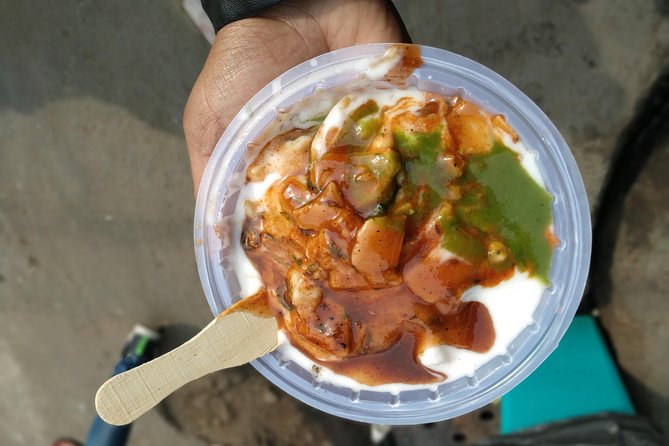
Your first stop is Pasar Chandni Chowk, an area known for old-school eating. You’ll walk through tight lanes, then make that early transition by metro before arriving at an established eatery for dahi bhalla—fried lentil balls served with yogurt plus tamarind sauce.
Why this first bite is smart: dahi bhalla is forgiving. The yogurt cools the palate and balances the fried elements. Tamarind adds a tart punch that wakes up your taste buds, so you’re ready for the richer snacks that come after.
This stop is allotted about 30 minutes, including time to order and eat. If you’re sensitive to very spicy flavors, this is also a good moment to communicate with your guide early—ask how spicy things are and what’s milder. Since the tour is structured around tastings, you’re not stuck with a full plate that’s too intense for you.
One more point: dahi bhalla is messy in the best way. It’s normal to eat it slowly and wipe your hands between bites. You’ll get more enjoyment if you treat it like a street snack ritual, not a sit-down dish.
Stop 2: Gurudwara Sis Ganj Sahib and the community kitchen
Next comes Gurudwara Sis Ganj Sahib, a Sikh gurudwara with an important historical reference. Here you’ll spend about 30 minutes learning about Sikh history and the community kitchen service.
Even if you’re mainly here for food, this stop gives context that makes the rest of the day click. Street food culture doesn’t exist in a vacuum. In Delhi, you’re moving through neighborhoods shaped by religious and community traditions, and the guide’s explanation helps you understand why food is often more than just fuel.
It’s also a welcome pace change. After market lanes and constant motion, the gurudwara setting gives you a break—time to slow down, absorb the atmosphere, and refocus.
Practical note: places of worship can have dress expectations. The tour data doesn’t specify rules, so I’d plan to wear clothing that covers appropriately and keeps you comfortable for walking and quick stops.
Stop 3: Dariba Kalan for jalebi and samosa
Then you head toward Dariba Kalan, where you’ll sample jalebi and samosa from a shop with about 100 years of history. The time here is short—around 15 minutes—but it’s a focused taste stop.
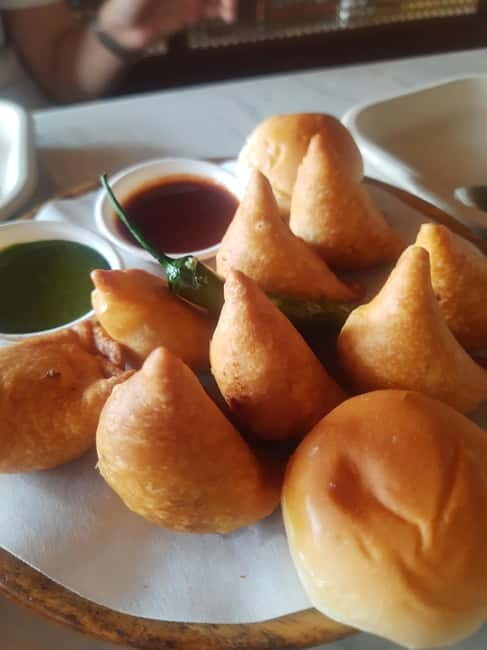
Jalebi brings the sweet and sticky factor. It’s deep-fried and soaked in sugar syrup, so it’s intense, sweet, and best eaten in small bites. Samosa gives you the opposite texture: crisp, hot, and savory, typically with a potato-based filling.
This is also where your guide’s role matters most. In a market like this, it’s easy to get distracted by other options. Having the guide point you to the specific stands and teach what makes each item distinctive helps you avoid the common mistake of eating the first thing you see.
A drawback to know: since this is a fast stop, you may not get the kind of lingering experience you’d have at a café. If you love slow food, you’ll want to balance your expectations—this tour is designed for variety in limited time, not leisurely sitting.



Stop 4: Khari Baoli spice market with Karachi halwa and chole bhatura
After Dariba Kalan, you’ll take a rickshaw ride toward Khari Baoli, one of Delhi’s famous spice market areas. The tour frames this part as a way to see spices up close—how they look, how they’re sold, and how they’re connected to everyday cooking.
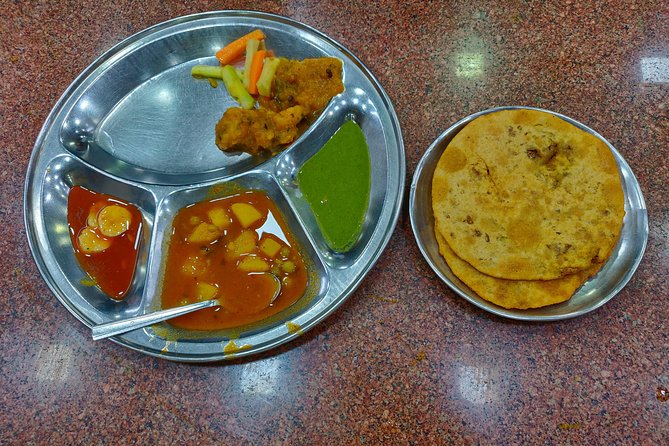
Food-wise, you’ll keep going with more than one highlight, including Karachi halwa and chole bhatura. Karachi halwa is a sweet you’ll recognize as dessert energy, while chole bhatura is the kind of hearty classic that makes you feel like you’ve had an actual meal, not only snacks.
This stop lasts about 30 minutes, which gives you enough time to taste, check your spice comfort level, and decide how full you want to be before the final sweet.
This is also the place where you’ll likely appreciate the small-group structure again. Spice markets can be packed and visually intense. With a guide leading the route, you’re not trying to squeeze through gaps while you’re holding food and trying to figure out where to stand.
One consideration: chole bhatura is filling. If you’re the type who enjoys every bite, go ahead. If you’re worried about overdoing fried foods, consider pacing: take smaller bites, drink water when you need it, and keep an eye on the kulfi stop coming later.
Stop 5: Chawri Bazaar kulfi with 20+ flavors
You finish in Chawri Bazaar with kulfi, an Indian ice cream that comes in more than 20 flavors. This final stop runs about 15 minutes, so it’s designed as a quick, happy landing.
Kulfi is the perfect ending because it resets the palate. After fried snacks and savory dishes, the cold sweetness feels like a reward rather than a continuation. With a guide’s help, you can likely try a flavor combination that you wouldn’t pick on your own—especially if you’re curious but unsure what to order.
After the kulfi, you’ll be taken back, dropping you near a metro station and bringing you back toward the meeting point. The goal is to keep the last part easy so you don’t turn your food high into a navigation headache.
If you’re wondering how full you’ll be at the end: expect to be satisfied, not stuffed. The entire tour is built around tastings, so you get the range of Old Delhi flavors without needing to commit to one heavy restaurant meal.
Price and logistics: what $37.99 buys you
Let’s talk value, because street food tours can go two ways: either you get structure and real tastings, or you pay for a walk and a lot of stopping at generic places.
Here, the math is clearer. For $37.99 per person, you get:
- Snacks / food tasting of 8–10 dishes
- Rickshaw ride experience
- Hotel pickup and drop-off only if you select that option
- A timed 3 to 4 hour route with multiple stops
That’s a lot of food for one afternoon, and it matters in a city where you can easily end up paying for one or two dishes and still feel like you missed the best stuff.
I also like that the tour keeps the group small and the timing tight. If you’re on a schedule in New Delhi, this is the kind of activity that can fit your day without turning into an all-day project.
About what’s not included: gratuities are optional, so you’ll be deciding how to tip based on how you felt about the guide and the pacing.
Who should book this Old Delhi food walk (and who might not)
This tour fits best if you want:
- A street-food introduction in Old Delhi without sorting it out yourself
- A guided route that mixes markets, snacks, and cultural context
- Comfort with trying new tastes, including fried and sweet dishes
- A small group experience where your guide can manage pace
It may be less ideal if:
- You hate walking in crowded lanes or you struggle with moderate walking
- You’re only looking for a sit-down meal (this is a tasting route)
- Weather is a big concern for you, since the experience requires good weather and may be rescheduled if conditions are poor
One useful note from the overall feel of the experience: the guide approach seems designed to help people feel at ease while trying unfamiliar street foods. That’s a huge deal if you’re coming from a country where street food can feel intimidating at first.
Should you book? My take
If you want a smart first Old Delhi food plan, I’d book this. You’re getting a timed route, 8–10 tastings, and a mix of savory and sweet that actually works within a short afternoon. I also appreciate the cultural stop at Gurudwara Sis Ganj Sahib—it adds meaning beyond just eating.
Book it especially if you’re traveling with limited time and you’d rather spend your energy enjoying the flavors than figuring out logistics. If you’re careful with spice, you’re still likely to have a great time—just let the guide know early.
If you hate fried foods or you need a fully laid-back, slow sightseeing day, you might prefer a different pace. But for most people, this is one of the most efficient ways to experience Old Delhi street food with confidence.
FAQ
What’s the duration of the Food Tour to Old Delhi with a Local?
It runs about 3 to 4 hours.
How much does the tour cost?
The price is $37.99 per person.
Does the tour include pickup and drop-off?
Hotel pickup and drop-off are included only if you select that option.
Where do we meet for the tour?
The tour starts at United Coffee House, Inner Cir, E-15, Block E, Connaught Place, New Delhi, Delhi 110001, India.
What time does the tour start?
The start time is 2:30 pm.
How many people are in a group?
The group size is capped at maximum 12 travelers.
What food is included in the tasting?
The tour includes snacks and food tastings of 8–10 dishes, with stops featuring items like dahi bhalla, jalebi, samosa, Karachi halwa, chole bhatura, and kulfi.
Are gratuities included?
No. Gratuities are optional.
What happens if the weather is bad?
The experience requires good weather. If it’s canceled due to poor weather, you’ll be offered a different date or a full refund.