REVIEW · BODH GAYA
Exclusive Guided Tour of Bodh Gaya
Book on Viator →Operated by TravelBaits · Bookable on Viator
Bodh Gaya gets easier with the right plan. This exclusive private guided tour is built for a smooth 2-day circuit, with an air-conditioned vehicle and a guide who helps you understand what you’re seeing without rushing you. I like that you get practical help like tour maps and eating-out suggestions, not just a checklist of temples. One trade-off: many monasteries and cave/hill stops list admission as not included, so you’ll want to budget a bit beyond the base price.
What makes the route special is how it mixes the biggest pilgrimage sites with a “Buddhism in many countries” walk. You start at Mahabodhi Temple, where you can meditate in the temple area and spend time with the Bodhi Tree setting, then move through Thai, Bhutan, Cambodian, Japanese, and other monastery-style stops around Bodh Gaya.
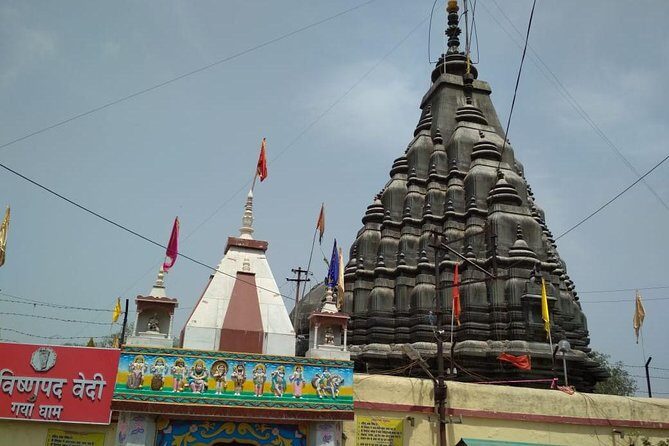
Day 2 widens the story. You begin at Vishnupad Temple in Old Gaya (admission free), then head to the ancient-feeling rock-cut Barabar Caves and the Dungeshwari Hills, followed by Tibetan and Chinese temple visits.
In This Review
- Key highlights you should know before you go
- Why this Bodh Gaya private tour feels calmer and easier
- Day 1: Mahabodhi Temple, the Bodhi Tree, and the Thai–Bhutan monastery loop
- Quick reality check on the monastery sequence
- Day 1 continues: Great Buddha Statue, Japanese temple, Metta Buddharam, and Sujata Kuti
- Day 2: Vishnupad Temple, Barabar Caves, Dungeshwari Hills, and Tibetan and Chinese stops
- Admission fees and tickets: what’s free and what you’ll pay for
- Transport, timing, and what happens with a flexible guide
- Price check: is $226.67 per group good value?
- Who should book this 2-day Bodh Gaya experience
- Should you book this Bodh Gaya exclusive guided tour?
- FAQ
- Is this a private tour?
- How many people is the group limited to?
- What’s the duration of the tour?
- Is pickup included?
- Does it include airport transfer?
- Are admission tickets included for all stops?
- What’s included in the price?
- Do I need a certain fitness level?
- Can I cancel and get a refund?
- Are service animals allowed?
Key highlights you should know before you go
- Private group pace (up to 3) with pickup and only your group participating
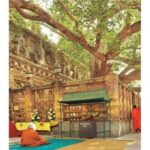
- Mahabodhi Temple time with a guide, including meditation-atmosphere and a focused Bodhi Tree visit
- A cross-country monastery circuit: Thai, Bhutan, Cambodian, Japanese, Metta Buddharam, Tibetan, and Chinese stops
- Barabar Caves on the schedule: early rock-cut caves in India, described as dating to around 300 BC
- Dungeshwari Hills for the full 2 hours where Buddha spent time meditating
- Guides and drivers who run on schedule in at least one past booking (Dinu as the guide, Brijesh as the driver)
Why this Bodh Gaya private tour feels calmer and easier
Bodh Gaya can be overwhelming. Temples are everywhere, people are moving in every direction, and you can lose time just figuring out what’s worth your attention. This tour stays private, so you’re not trapped in a crowd rhythm.
You’ll ride in an air-conditioned vehicle, and that matters more than you’d think when you’re bouncing between sites across two days. I also like that the tour includes guide support plus handy extras like tour maps and suggested places to eat, which helps you keep the day moving without guessing.
The other big advantage is flexibility. One group shared that their guide explained things simply and adjusted the pace so they could spend more time at Mahabodhi Temple. That’s exactly what you want when one stop hits you harder than you expected.
You can also read our reviews of more guided tours in Bodh Gaya
Day 1: Mahabodhi Temple, the Bodhi Tree, and the Thai–Bhutan monastery loop
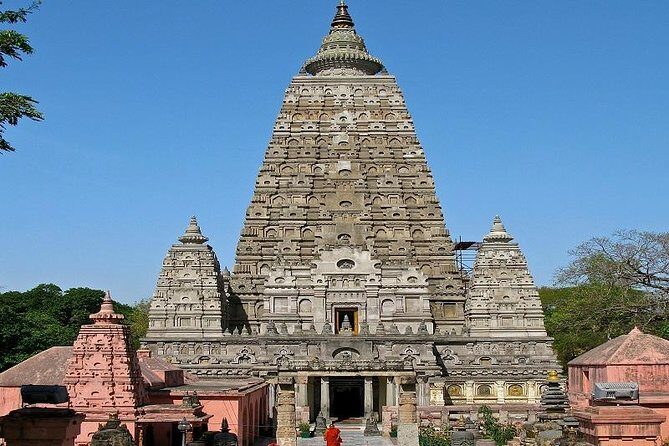
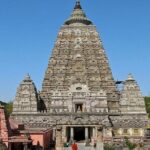
Day 1 is the classic Bodh Gaya spiritual anchor, then it widens outward. You begin at Mahabodhi Temple, where Gautam Buddha is associated with attaining enlightenment. The itinerary calls for about an hour here, and it’s designed for a quiet, reflective feel, including time to meditate in the temple area and see the Bodhi Tree.
From a practical standpoint, starting at Mahabodhi first makes sense. It’s the kind of place where you’ll want your brain switched on, not half-panicked about timing. With a guide, you also get context for what you’re seeing, so you’re not just standing there taking photos and hoping it all makes sense later.
Next comes a sequence of monasteries that show Buddhism’s international footprint in one compact day:
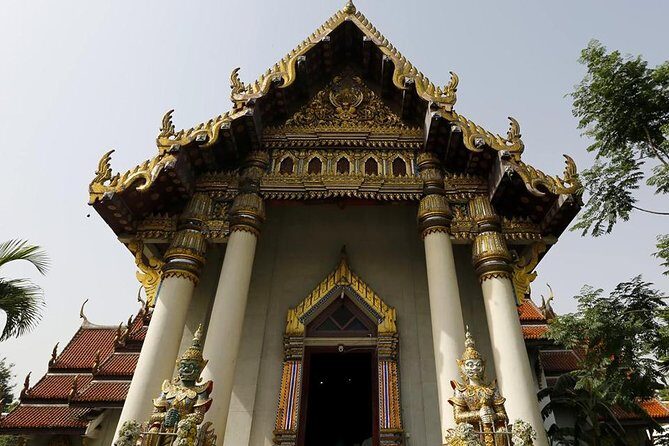
- Thai Monastery (about 20 minutes): built by the Royal Thai government to commemorate 2500 years of Buddhism.
- Royal Bhutan Monastery (about 20 minutes): the royal monastery style at Bodh Gaya.
These stops are short on paper, but they’re useful because you get quick contrasts. Thai-influenced architecture and Bhutanese monastery design each communicate something different, even before you know the fine details.
Quick reality check on the monastery sequence
Those 20-minute blocks mean you’ll get a strong overview, not a deep study of every inscription. If you’re the kind of person who loves lingering, you’ll want to use your guide to steer the pace. The good sign is that the tour can shift time, at least based on past experiences.
Day 1 continues: Great Buddha Statue, Japanese temple, Metta Buddharam, and Sujata Kuti
After the Thai and Bhutan stops, Day 1 keeps stacking famous landmarks:
- Cambodian Monastery Bodhgaya (about 20 minutes)
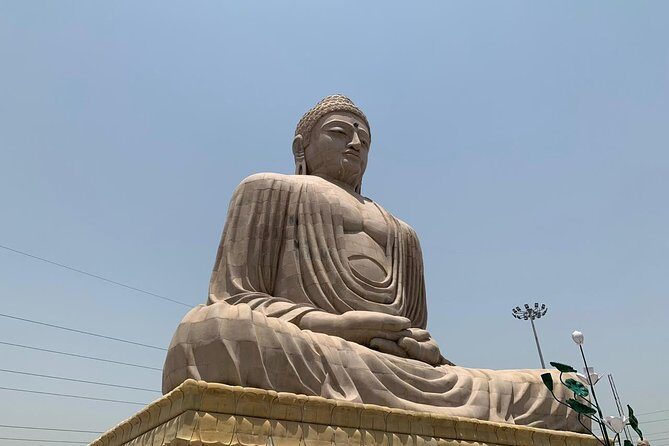
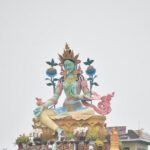
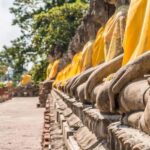
- Great Buddha Statue (about 20 minutes), an 80-foot landmark
- Indosan Nippon Japanese Temple (about 20 minutes)
- Metta Buddharam Temple (about 20 minutes), described as newly constructed with refreshing architecture
This is where the tour becomes more than sightseeing. It becomes a map of how one holy place attracts Buddhist communities from many directions. Even if you’re not comparing architectural styles line-by-line, you’ll notice how each monastery space invites a slightly different mood and way of viewing the same central devotion.
Then you finish the day with one of the more emotionally resonant stops:
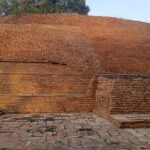
- Sujata Kuti (about 30 minutes): the place remembered for Sujata, who offered food to Buddha while he was meditating.
That extra half-hour matters. After seeing statues and monasteries, Sujata Kuti gives you a human-scale moment in the story—food, patience, and the long middle of enlightenment work.
Day 2: Vishnupad Temple, Barabar Caves, Dungeshwari Hills, and Tibetan and Chinese stops
Day 2 starts in Old Gaya near the Falgu Bank with Vishnupad Temple. The itinerary gives you about an hour here, and admission is listed as free. Vishnupad is a strong way to shift from the Mahabodhi story into the older layers of the pilgrimage geography.
After that, you head to something completely different:
- Barabar Caves (about 1 hour): described as one of the earliest rock-cut caves in India, constructed around 300 BC.
Caves have a particular effect. They slow your pace down. Even with a one-hour stop, the feeling of stone age engineering can make the day feel less like a temple hop and more like a historical walk in your mind.
Then comes the most time on Day 2:
- Dungeshwari Hills (about 2 hours)
This part matters because it’s explicitly tied to meditation time—Buddha is said to have spent a lot of time meditating here. In other words, it’s not just scenic. It’s the “why” behind Bodh Gaya that you can feel through the location, even if you don’t read every plaque.
Finally, you end with more monastery stops:
- Tibetan Monastery (about 20 minutes)
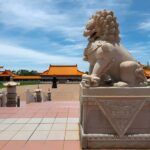
- Chinese Temple (about 20 minutes)
These two are shorter, but they’re a satisfying closing note. You’ve already covered Thai, Bhutanese, Cambodian, Japanese, and others on Day 1, so Day 2 rounds out the global mix.
Admission fees and tickets: what’s free and what you’ll pay for
This is one of those tours where the details really matter. Two major sites list admission tickets as free:
- Mahabodhi Temple (Day 1)
- Vishnupad Temple (Day 2)
But many other stops list admission as not included. That includes multiple monasteries, plus Barabar Caves and Dungeshwari Hills (as per the itinerary). Translation: the tour price covers guides, vehicle, and all fees and taxes tied to the tour service, but you should still expect to pay separate entry fees at several stops.
My advice: travel with a simple mindset—free temples early, then paid monastery/cave entries later. It keeps you from being surprised when the group moves into the next site.
Transport, timing, and what happens with a flexible guide
The tour runs about 2 days, and it’s offered daily with opening hours listed from 6:00 AM to 11:00 AM. That morning window is important because several of these places feel best earlier in the day, especially when you’re doing multiple stops.
You’ll also get pickup offered, plus a mobile ticket, which makes it easier to find your meeting plan without paperwork stress. The tour is described as private, so only your group participates, which helps keep the schedule from getting swallowed by other groups’ needs.
One more practical point: the itinerary includes outdoor elements like caves/hills. The provider notes that the experience requires good weather, and if it’s canceled due to poor weather you’ll be offered a different date or a full refund.
As for the guide and driver experience, past bookings mention Dinu as a guide and Brijesh as a driver, described as punctual and helpful. There’s also mention of a travel support contact named Shraddha smoothing things out for broader India plans, including helping with train-ticket and multi-city arrangements. Even if you only want Bodh Gaya, that kind of real-world support tends to reduce stress.
Price check: is $226.67 per group good value?
The price is $226.67 per group (up to 3 people), for an approximately 2-day private guided experience in Bodh Gaya. That’s not just “a car and a map.” The package includes an air-conditioned vehicle, guides, and all fees and taxes, plus airport transfer if you’re traveling to Patna or Gaya airports (and drop can be included as well).
So is it worth it? It depends on how you travel.
- If you’re traveling as a small group (or as a couple who wants space), the per-person math gets much easier.
- If you’d otherwise hire a driver and then pay a guide separately, this package can save you time coordinating pieces.
The only thing that can change the real cost is admissions at the monasteries and cave/hill stops marked as not included. Still, you’ll at least know the structure: two free temple anchor points plus paid entries at several additional sites.
One more angle: the tour is often booked about 93 days in advance. If your dates are flexible, you can breathe. If they aren’t, booking earlier usually gives you better odds.
Who should book this 2-day Bodh Gaya experience
This tour is a strong match if you want:
- A private guide who can explain what you’re seeing in a straightforward way
- A schedule that includes both the “must-see” sites and the surrounding monastery world
- Comfort-focused logistics, including air-conditioned transport
It’s also a good choice if you’re traveling with friends or supporters and you want one shared plan instead of splitting up on your own. The structure is clear, and it’s designed for a moderate fitness level. That matters because the Dungeshwari Hills and cave visit take real time on your feet.
If you’re the kind of traveler who only wants one temple and perfect silence, you might find the Day 1 rotation of multiple monasteries a bit fast. But if you like themes—Buddhism’s story in space—this route is built for you.
Should you book this Bodh Gaya exclusive guided tour?
I’d book it if you want a guided 2-day plan that protects your time and keeps the day coherent. The combination of Mahabodhi Temple, multiple international monasteries, Vishnupad Temple, and the mix of caves and hills is exactly the kind of route that can turn a trip from scattered stops into a real sense of place.
I wouldn’t book it if you hate paying separate admissions at several stops, or if you’re hoping for long, slow immersion at only one site. Your best move there is to bring up your priorities early—like spending extra time at Mahabodhi—because the tour’s pacing can shift in response to what you care about.
Bottom line: for a small group wanting comfort, guidance, and a well-balanced Bodh Gaya and Old Gaya experience, this is a solid value.
FAQ
Is this a private tour?
Yes. It’s listed as a private tour/activity, and only your group will participate.
How many people is the group limited to?
The price is per group for up to 3 people.
What’s the duration of the tour?
The tour duration is about 2 days (approx.).
Is pickup included?
Pickup is offered.
Does it include airport transfer?
Airport transfer and drop can be included if you are traveling to Patna or Gaya airports.
Are admission tickets included for all stops?
No. Mahabodhi Temple and Vishnupad Temple list admission tickets as free. Many other stops list admission as not included.
What’s included in the price?
The tour includes an air-conditioned vehicle, guides, airport transfer (as applicable), and all fees and taxes. Accommodation is not included.
Do I need a certain fitness level?
The tour notes that travelers should have a moderate physical fitness level.
Can I cancel and get a refund?
You can cancel up to 3 days in advance of the experience for a full refund. If you cancel less than 3 days before, the amount paid will not be refunded.
Are service animals allowed?
Yes, service animals are allowed.