REVIEW · NEW DELHI
Delhi: 7 Days Golden Triangle with Tiger safari & Varanasi
Book on Viator →Operated by India Day Trip · Bookable on Viator
Delhi to Varanasi in one clean loop sounds ambitious, but this 7-day Golden Triangle plus tiger safari plan keeps the pace practical. You get a guided sweep of the big sites in Delhi, Jaipur, and Agra, then you switch gears for a Ranthambore safari and finish with the river rituals of Varanasi. It’s a strong way to see North India without living out of taxis all day.
I especially like the mix of guided stops and breathing room. You’ll have time with English-speaking guides at the major monuments, but you also get moments to relax in the cities and handle your own exploring in the evenings. I also like that the trip includes real transportation glue: private AC transfers for the sight days plus train travel between Agra and Varanasi, and Varanasi and Delhi.
One thing to consider: monument entrance fees are not included, listed at about $100 per person, so your final spend won’t be only the headline tour price.
In This Review
- Key Highlights You’ll Really Feel
- The Big Picture: A Golden Triangle Route That Actually Works
- Day 1 in Delhi: War Memorials, Mughal Giants, and a Calm Break
- India Gate and the Rajpath area
- Rashtrapati Bhavan (President’s House)
- Qutub Minar and Humayun’s Tomb
- Lotus Temple and Agrasen Ki Baoli
- Day 2: Drive to Jaipur and Start Exploring the Pink City
- Why Jaipur works well early
- Day 3: Amber Fort, City Palace, Jantar Mantar, Hawa Mahal (and more)
- Amber Palace: the big fort-style stop
- City Palace: Maharaja’s seat
- Jantar Mantar: UNESCO-style science
- Hawa Mahal: quick but iconic
- Gaitore Ki Chhatriyan and Panna Meena ka Kund
- Evening drive to Ranthambore
- Day 4: Ranthambore Safari Morning + Fatehpur Sikri on the Way to Agra
- Ranthambore safari: shared jeep or canter
- Fatehpur Sikri: Mughal capital stop
- Mehtab Bagh: golden-hour mood across the Yamuna
- Day 5 in Agra: Sunrise Taj Mahal, Agra Fort, and Itmad-ud-Daula
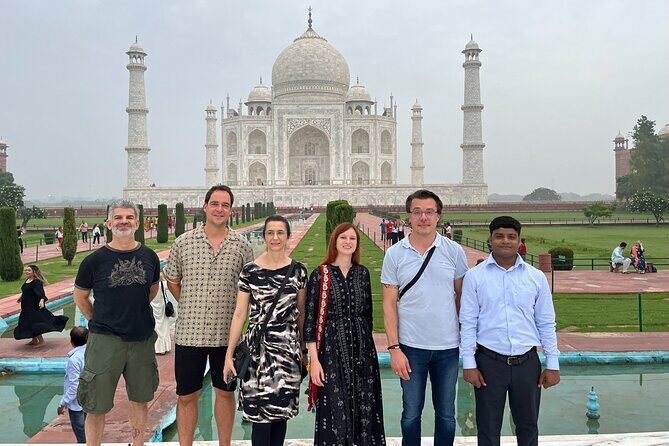
- Taj Mahal at sunrise + inside visit
- Agra Fort: palaces, balconies, gardens
- Itmad-ud-Daula: the Bachcha Taj style stop
- Overnight train to Varanasi
- Day 6: Varanasi Morning Boat Ride, Kashi Vishwanath, and Ganga Aarti
- Assi Ghat sunrise boat ride
- Kashi Vishwanath Temple
- Dasaswamedh Ghat and Ganga Aarti
- Day 7: Sarnath Morning and Back to Delhi by Train
- Sarnath: Buddhism’s sacred site
- Train back to Delhi
- Price and Value: How This Deal Adds Up
- Drivers and Guides: The Comfort Factor You’ll Notice
- Is This Tour Right for You?
- FAQ
- FAQ
- What’s the main route on this 7-day tour?
- What transport is included between cities?
- Are entrance fees included for monuments?
- What’s included in the Ranthambore safari?
- Is pickup available on Day 1?
- Is there free cancellation?
Key Highlights You’ll Really Feel
- Private AC vehicle + English-speaking guides across most sightseeing days
- Ranthambore safari with a trained naturalist, done early for best viewing conditions
- Taj Mahal at sunrise plus an included battery rickshaw ride in the Agra area
- Varanasi morning boat ride on the Ganges, then Kashi Vishwanath Temple and Ganga Aarti at Dasaswamedh Ghat
- Overnight train to Varanasi to save time and reduce backtracking
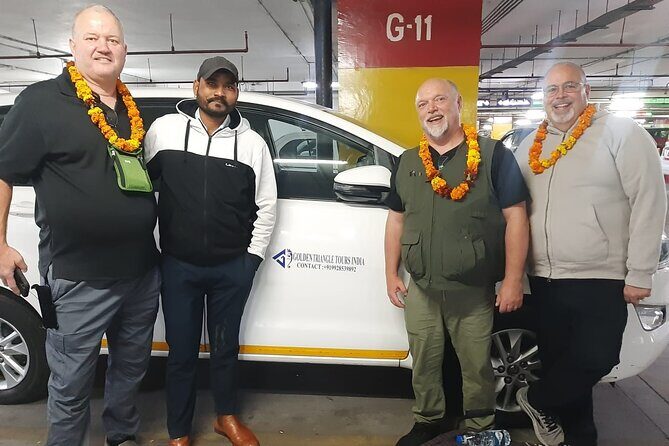
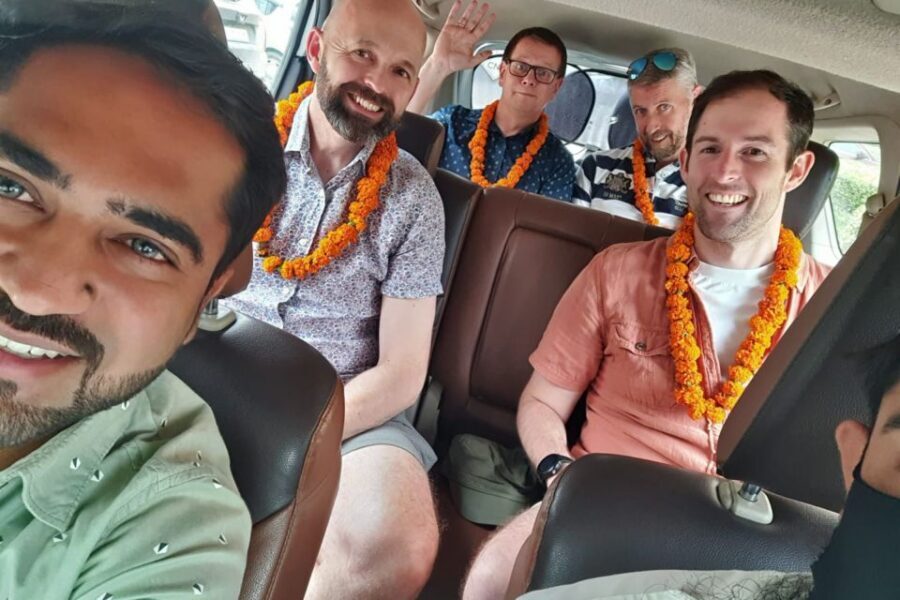
- Driver service praised by name for safety and comfort, including Melvin, Bipin Kumar, and Omveer
The Big Picture: A Golden Triangle Route That Actually Works

This tour strings together the classic North India circuit in a way that feels easy to manage. You start in Delhi, then move to Jaipur, down to Agra, and onward to Varanasi. Along the way you get one major nature break: Ranthambore National Park.
What makes the plan attractive is the order and the sleep strategy. Instead of cramming everything into a single city, you get overnight stays in the right places so you can wake up and go. And instead of driving the whole way to Varanasi, you use an overnight train, which tends to make the journey feel less draining.
If you’re traveling as a group, the structure helps even more. It’s described as private for your group, and it includes group discounts, so the experience can stay good value even when you’re not traveling solo.
You can also read our reviews of more tours and experiences in New Delhi



Day 1 in Delhi: War Memorials, Mughal Giants, and a Calm Break

Day 1 starts with pickup from your Delhi airport (pickup time is 8:00 AM). From there you’re in classic Delhi sights mode, with a mix of memorials, presidential power, and Mughal architecture, then you head toward Agra for the next part of the loop.
India Gate and the Rajpath area
You’ll visit India Gate, a war memorial on/near the Rajpath. It’s free and easy to take in quickly, and it’s also a good spot for a simple break because locals do the same thing—picnic energy, not museum pressure.
Practical note: this is the kind of place where you’ll want decent footwear. Delhi mornings can still feel warm, and you’ll likely be walking more than you expect.
Rashtrapati Bhavan (President’s House)
Next is Rashtrapati Bhavan. This stop is also free. Even if you don’t go inside, the scale and landscaping are worth your attention, and it helps set the tone for Delhi as a seat of government and history.
Qutub Minar and Humayun’s Tomb
You also get time near two heavy hitters:
- Qutub Minar (admission not included)
- Humayun’s Tomb (admission not included)
These are the stops where monument fees start to matter. Since entrance is not included, plan on paying the on-site costs unless you’re already holding tickets.
You can also read our reviews of more tours and experiences in New Delhi

Lotus Temple and Agrasen Ki Baoli
To balance out the monumental energy, the itinerary includes:
- Lotus Temple (free)
- Agrasen Ki Baoli (free)
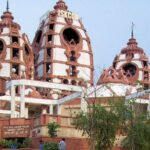
The Lotus Temple is a rare pause in Delhi’s pace, shaped with 27 marble-like petals and designed for quiet worship. Agrasen Ki Baoli is different—an old stepwell that feels more local and less touristy than the big-ticket buildings.
By the end of Day 1, you should be ready to shift gears from Delhi’s history to the next travel day. This is a good day to keep your expectations realistic: it’s sightseeing heavy, then you transition onward.
Day 2: Drive to Jaipur and Start Exploring the Pink City

After breakfast, you drive to Jaipur, check into your hotel, and then keep the afternoon flexible. The itinerary keeps Jaipur light on big museum time and heavier on orientation and evening atmosphere.
Why Jaipur works well early
You’ll spend about 5 hours in Jaipur on Day 2, which is enough to get your bearings. Since this is your first night in the city, you’ll likely appreciate having a low-pressure evening—markets or a Rajasthani dinner option are built into the plan.
Practical tip: Jaipur evenings can be pleasant, but midday can be hot. If you plan your own shopping, aim for earlier in the evening so you don’t end up shopping while tired.
Day 3: Amber Fort, City Palace, Jantar Mantar, Hawa Mahal (and more)
Day 3 is the heavy culture day in Jaipur. You’ll go from the forts to observatories to palaces, with plenty of recognizable landmarks.
Amber Palace: the big fort-style stop
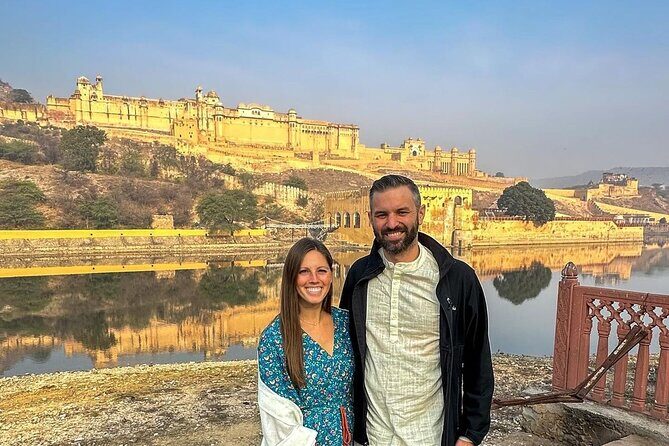
You start at Amber Palace (about 2 hours). It’s described as the capital until 1728, and the guided tour covers palaces, squares, and monuments. This is where Jaipur’s royalty feels physical—courtyards, gates, and layered viewpoints.
City Palace: Maharaja’s seat
Then you move to City Palace for about 1 hour. It’s the administrative and ceremonial seat of the Maharaja of Jaipur, so it adds a different flavor than the military-fort vibe at Amber.
Jantar Mantar: UNESCO-style science
Jantar Mantar is on the list for about 1 hour. It’s a UNESCO World Heritage site built in 1734, with nineteen architectural astronomical instruments. Even if you’re not a science person, it’s an interesting way to understand how prediction and observation were tied to power and planning.
Hawa Mahal: quick but iconic
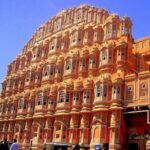
Hawa Mahal (Palace of Breeze) is listed for about 45 minutes. You’re looking at it mostly for the architecture—the red and pink sandstone facade and the famous “breeze” concept. Don’t plan to linger too long here unless you’re doing photos. You’ll have plenty of other stops.
Gaitore Ki Chhatriyan and Panna Meena ka Kund
The itinerary also includes two quieter-feeling add-ons:
- Gatore Ki Chhatriyan (free, about 1 hour): a royal crematorium with intricate cenotaphs
- Panna Meena ka Kund (free, about 30 minutes): a stepwell that the itinerary calls a hidden, serene-style stop
This is a smart pairing. The fort and palace stops can become repetitive if you only chase the big names. These two help break up the day so it feels less like checking boxes.
Evening drive to Ranthambore
After Jaipur sightseeing, you drive to Ranthambore National Park. You check into your hotel and get an evening surrounded by nature before sleeping in the park region. This setup matters because safari day requires an early start.
Day 4: Ranthambore Safari Morning + Fatehpur Sikri on the Way to Agra
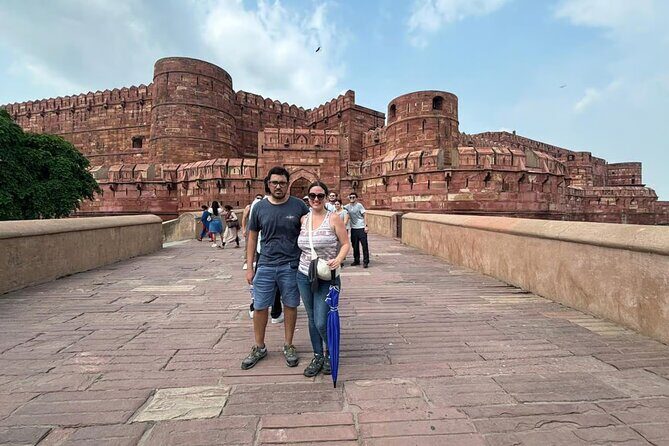
You wake up early and head into Ranthambore.
Ranthambore safari: shared jeep or canter
Your safari is listed as 2–3 hours inside the park, done by shared jeep or canter, with a trained naturalist. The ticket is included.
A quick reality check: this is wildlife viewing, not a guaranteed wildlife show. The value here is that you’re in the right place at the right time, guided by someone who can spot and explain what you’re seeing.
Fatehpur Sikri: Mughal capital stop
After breakfast and safari, you head toward Agra and stop at Fatehpur Sikri for about 2 hours. The itinerary describes it as a beautifully preserved Mughal capital with palaces, mosques, and courtyards.
This stop is a good “bridge” day. It connects Rajasthan’s fort culture to Mughal architecture and sets you up for the Agra days without exhausting you with even more museum hours.
Mehtab Bagh: golden-hour mood across the Yamuna
When you arrive in Agra, the plan includes an evening visit to Mehtab Bagh, a Mughal garden across the Yamuna River. This is one of those spaces that can feel more atmospheric than monumental—great for unwinding after a long day.
Day 5 in Agra: Sunrise Taj Mahal, Agra Fort, and Itmad-ud-Daula
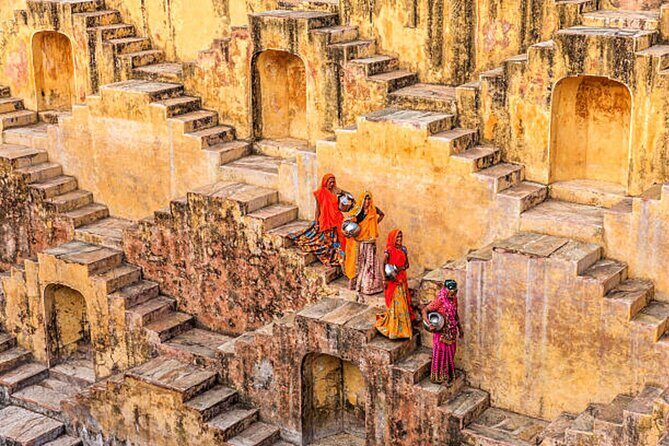
This day is built around the Taj Mahal, but it doesn’t stop there.
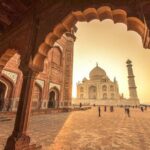
Taj Mahal at sunrise + inside visit
You’re scheduled to watch the sun rise over the Taj Mahal, then get a guided inside tour for about 2 hours.
Entrance is not included, but the guide time is. Also, the tour includes a battery rickshaw ride in the Taj Mahal area, which is a practical little convenience that helps reduce stress and walking.
If you want the most out of the sunrise timing, aim to be ready on time for the collection point. In Agra, the light changes quickly, and the whole point is to arrive before the crowds fully take over the day.
Agra Fort: palaces, balconies, gardens
Next is Agra Fort for about 1 hour. You’ll get guide-led context on its palaces, balconies, and gardens. This one adds a different angle: not only the tomb, but the political center that made such projects possible.
Itmad-ud-Daula: the Bachcha Taj style stop
After lunch you visit Itmad-ud-Daula for about 1 hour. It’s described as a “jewel box” style mausoleum and sometimes called the Bachcha Taj. Even if you’ve seen photos before, being there in person helps you notice the fine detailing.
Overnight train to Varanasi
In the evening, you board an overnight train to Varanasi. The itinerary lists about 9 hours of travel and “comfortable travel while witnessing the Indian countryside.” That’s doing the smart thing: using the night to move forward instead of wasting a whole daylight day on transport.
Day 6: Varanasi Morning Boat Ride, Kashi Vishwanath, and Ganga Aarti
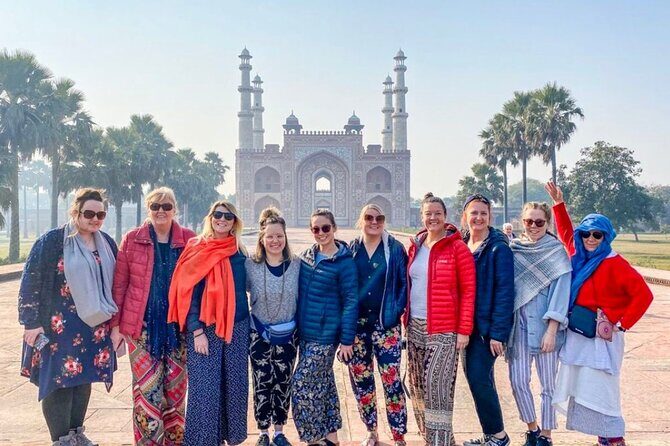
Varanasi is where the tour turns spiritual and sensory.
Assi Ghat sunrise boat ride
You arrive early and start with a sunrise boat ride on the Ganges. It’s listed as about 3 hours, and admission is not included. This is the kind of moment where timing matters more than any checklist.
Watch how the ghats wake up: priests and devotees, morning routines, and the river pulling everyone into the same rhythm. You’ll likely feel like your mind has to slow down just to keep up.
Kashi Vishwanath Temple
After the boat ride and hotel check-in, you visit Kashi Vishwanath Temple for about 5 hours. Entrance is listed as included here (the itinerary says admission ticket free). Since it’s one of Hinduism’s holiest shrines, expect a serious atmosphere and time spent moving through the site respectfully.
Dasaswamedh Ghat and Ganga Aarti
In the evening, you go to Dasaswamedh Ghat for Ganga Aarti (about 2 hours, included). This is the big show: priests performing synchronized rituals with lamps and chants while the river glows. Even if you’re not religious, it’s a powerful cultural event because it’s organized, repeatable, and deeply part of the daily life around the water.
Day 7: Sarnath Morning and Back to Delhi by Train

Day 7 gives you a calmer ending and then gets you home.
Sarnath: Buddhism’s sacred site
You enjoy breakfast, then (if time permits) go to Sarnath for about 2 hours. The itinerary includes the archaeological museum, ancient stupas, and peaceful ruins tied to Lord Buddha’s story.
This pairs well with Varanasi. You’ve just seen one of the world’s most important living river traditions; Sarnath offers a quieter, contemplative counterpoint.
Train back to Delhi
After Sarnath, you head to the railway station for an afternoon train back to Delhi (about 7 hours). On arrival, you’ll be met by a professional driver for pickup/drop-off within Delhi, including airport or a preferred location.
Price and Value: How This Deal Adds Up
The listed price is $10 per person, which sounds almost too low for a 7-day circuit with hotels, guides, private AC transfers, and train tickets. The key is what’s included versus what isn’t.
What’s included (big-ticket items):
- 6 nights accommodation (with a star-rating option)
- Daily breakfast
- All transfers and sightseeing by private AC vehicle
- Professional English-speaking guides
- Ranthambore safari ticket
- Train tickets: Agra to Varanasi and Varanasi to Delhi
- Mineral water
- Hotel or airport pick-up and drop-off
- Battery rickshaw ride in the Taj Mahal area
What’s not included:
- Monument entrance fees listed at about $100 per person
- Lunch and dinner
- Tips/gratuities
So the practical way to think about value is: the low tour price covers the logistics and guidance, while you budget separately for the monuments. If you plan to pay entrances anyway (you will), this structure can still be a solid bargain—especially because the trip includes the hardest parts to DIY: coordinated transfers, hotel nights, safari ticketing, and train timing.
Also, the long booking lead time (on average 117 days) suggests this route is managed well, which often matters when you’re counting on train schedules and hotel rooms.
Drivers and Guides: The Comfort Factor You’ll Notice
Even the best itinerary feels stressful without smooth driving. The experience has strong driver praise tied to real names.
- Melvin is highlighted as excellent for a comfortable, professional drive between major legs of the route.
- Bipin Kumar is praised for professionalism, friendliness, and making people feel safe, with consistently available water.
- Omveer is mentioned for helpful, polite support and for keeping the tour organized while still leaving room for free exploration.
This matters because on this kind of North India circuit, you’re spending a lot of time in vehicles. A calm, well-organized driver can turn long travel days into manageable ones.
Is This Tour Right for You?
You should consider booking if you want:
- A guided Golden Triangle plus a Ranthambore safari without having to plan every connection
- A finish in Varanasi that includes both a morning boat ride and the Ganga Aarti
- A mix of structured sightseeing and time to reset in the evenings
- A private group setup (only your group participates)
You might skip it (or at least rethink the budget) if:
- You don’t want to deal with separate monument entrance fees (listed at $100 per person)
- You prefer fully independent travel with no scheduled guide time
- You’re sensitive to long days of moving between cities, even with the overnight train helping
If you’re the kind of traveler who likes knowing what’s coming next, this tour gives you that, while still sprinkling in enough variety to keep it from feeling like one long museum day.
FAQ
FAQ
What’s the main route on this 7-day tour?
It runs from Delhi to Jaipur, then to Ranthambore National Park for a safari, onward to Agra, and finally to Varanasi, with train travel back to Delhi at the end.
What transport is included between cities?
You’ll use private AC vehicle for sightseeing transfers during the city days, plus train tickets for Agra to Varanasi (overnight train) and Varanasi to Delhi (afternoon train).
Are entrance fees included for monuments?
No. Monument entrance fees are not included, and they’re listed at $100 per person.
What’s included in the Ranthambore safari?
The tour includes a Ranthambore National Park safari ticket, with safari time listed as about 2–3 hours using a shared jeep or canter, plus a trained naturalist.
Is pickup available on Day 1?
Yes. You get hotel or airport pick-up and drop-off, and Day 1 pickup is listed as 8:00 AM from the airport in Delhi.
Is there free cancellation?
Yes. Free cancellation is available if you cancel up to 24 hours in advance for a full refund.