Old Delhi moves fast. This small-group cycle tour times it for early morning so you can see the lanes of Shahjahanabad before the full crush of traffic and crowds hits. You’ll roll past major sights like Jama Masjid and the Red Fort with plenty of stops for photos, all while your guide (you may even get riders led by guides like Rohan and Pooran) helps you read the neighborhood.
I especially like the way the route is paced: you get frequent photo breaks and short guide-led moments, not just nonstop pedaling. I also like the included food plan, with breakfast plus tea at the end, along with bottled water and use of a helmet.
One consideration: this ride is meant for intermediate cyclists, and you’ll be cycling and also doing some walking at stops. If you’re a brand-new rider, or you don’t want to pedal through tight lanes early in the day, this may feel like work instead of fun.
In This Review
- Key things I’d plan around
- Why a 5:45am ride works in Old Delhi
- Bikes, helmets, and the real meaning of intermediate
- From Turkman Gate to Chawri Bazaar: the Old Delhi lane intro
- Jama Masjid photo ops and what to look for
- Red Fort across the road: history without the museum feeling
- Chandni Chowk lanes: wholesale markets at morning speed
- Khari Baoli spice market and the texture of trade
- Maidens Hotel, Old Delhi Railway Station, and architecture you’ll actually notice
- Breakfast at Gujarat Bhawan: a smart finish line
- Price and value: is $73 fair for 3 hours?
- Who this Old Delhi Cycle Tour is best for
- Should you book this tour?
- FAQ
- How long is the Old Delhi Cycle Tour?
- What time does the tour start?
- Is hotel pickup and drop-off included?
- How many people are in the group?
- What’s included in the price?
- Do I need to be an experienced cyclist?
- What should I wear?
- What happens if it rains?
- Is there shopping time at the markets?
Key things I’d plan around
- Small group up to 8 keeps the ride more controlled and easier to follow in narrow lanes
- 5:45am start helps you skip Delhi traffic and shop hours that start later in the morning
- Photo-stop rhythm around Jama Masjid and the Red Fort area gives you time to see and shoot
- Chandni Chowk + Khari Baoli coverage focuses on wholesale markets (food scenes can be hit-or-miss depending on early hours)
- Bike + helmet + basket means you show up ready, not hunting gear last minute
- Breakfast at Gujarat Bhawan lands at the final stop, which is a smart way to end a morning tour
Why a 5:45am ride works in Old Delhi
The big reason to do this tour early is simple: Delhi traffic can be a lot, and Old Delhi’s streets are narrow enough that any delay turns into a slow crawl. The tour’s start time is 5:45am, and you set out around 6:30am to stay ahead of congestion.
That timing also affects what you see in the markets. Many shops don’t open until later, so you won’t be shopping for hours like you might on an afternoon market walk. What you will find is early energy—especially at food and produce stands like fruit, vegetable, and flower stalls, which are likely to be open.
You can also read our reviews of more cycling tours in New Delhi


Bikes, helmets, and the real meaning of intermediate
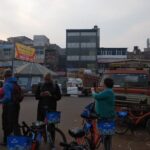
This is a bike tour designed for people who are already comfortable riding in motion and steering through busy urban streets. The tour notes it’s not recommended if you’re unfamiliar with biking, and the clothing guidance is strict: your clothes must cover arms and legs, and you should avoid loose-hanging items that could catch on the bike.
You’ll get a helmet and a small basket for personal items, plus bottled water. That basket detail matters more than you’d think. Old Delhi can be a stop-and-go place, so having somewhere to stash your phone, water, or a small layer keeps you from juggling stuff while stopping for photos.
Also, bring comfortable shoes. You’re not just staying in the saddle—there’s walking around key stops and photo areas.
From Turkman Gate to Chawri Bazaar: the Old Delhi lane intro
You’ll start with hotel pickup and then a safety briefing and orientation from your guide. After that, the ride begins through the walled-city maze known as Shahjahanabad, sometimes called Old Delhi. You’ll pedal through a 400-year-old web of alleys, which is where the character of the area really shows up.
A key segment is the route through Turkman Gate and into Chawri Bazaar, described as one of Old Delhi’s wholesale market areas. This isn’t a place where you read signs and walk around at leisure. It’s more like you’re learning the neighborhood’s rhythm—people moving, goods moving, and the street layout forcing you to look up, down, and around corners quickly.
Potential drawback here: if you’re the type who gets uneasy riding close to cars or motorcycles, this part might feel intense. The tour is built for active cycling, so staying relaxed and following your guide’s instructions is the whole game.
Jama Masjid photo ops and what to look for
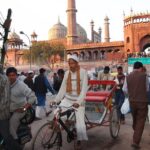
One of the most dramatic moments on the route is the visit for Jama Masjid, noted as the largest mosque in India. The tour schedules a dedicated stop for photo opportunities—about 40 minutes—so you’re not rushed through in a blur.
What makes this stop valuable is how you see the building as part of the street scene, not just as a standalone monument. Old Delhi’s lanes funnel views toward large landmarks, so from the right angles you’ll notice the scale difference between everyday street life and a major religious site.
Since the tour includes the admission ticket for the Jama Masjid stop, you can focus on the visit itself rather than sorting out separate entries. Tip for your photos: take a few shots from slightly different distances. Up close looks spiritual and detailed; a wider view helps you capture the mass of the complex in its street context.
Red Fort across the road: history without the museum feeling
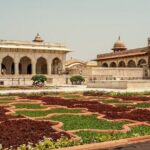
Right after Jama Masjid, the tour routes you to the area where the Red Fort stands—also a UNESCO World Heritage Site. Even if you’re not spending hours inside, the quick sightline approach is useful. You’ll see how the fort fits into the modern city layout around it.
This matters for first-time Old Delhi visitors because it answers a common question: is the fort surrounded by old-school lanes, or does it feel isolated? Here, it feels like it belongs to the neighborhood. You’ll get views that make the area feel lived-in, not staged.
You should consider one practical point: photos at big landmarks can attract attention, and it’s an early-morning tour, so expect a mix of light, movement, and crowds forming. Your guide’s job is to help you find workable angles without turning your ride into a traffic jam.





Chandni Chowk lanes: wholesale markets at morning speed
Next you’ll head toward Chandni Chowk, one of Old Delhi’s best-known wholesale markets. This stop is about riding into the shopping energy rather than strolling for shopping itself.
A helpful detail: some shops are closed early, so you might not see everything you imagine when you think of Chandni Chowk. The tour’s focus isn’t shopping time. It’s the atmosphere—how the streets feel, the density of stalls, and the way vendors set up before the day fully wakes up.
If you’re a food fan, you’ll likely find street vendors selling things like snacks and treats, but availability can vary with early hours. That means you should come with realistic expectations: this is a market experience first, a guaranteed food crawl second. The included breakfast later helps balance this.
Khari Baoli spice market and the texture of trade
The route then takes you to Khari Baoli, a wholesale spice market, for about 40 minutes. This is a different kind of sensory stop than Chandni Chowk. Think more about the trade side of the street: movement of goods, vendors busy with early setup, and the smell that seems to hit you as soon as you get close.
The tour also includes admission ticket coverage for this stop as scheduled. Even if you’re not a serious spice shopper, you’ll learn a lot just by watching how a wholesale market operates. Wholesale markets aren’t just tourist destinations; they’re supply engines. Old Delhi is full of those engines, and this gives you a clear snapshot.
The only real caution here is practical: spices and powders can be dusty. If you have sensitive eyes or lungs, consider bringing a small scarf or sunglasses for comfort.
Maidens Hotel, Old Delhi Railway Station, and architecture you’ll actually notice
Pedaling onward, you pass the historical Maidens Hotel and then roll into the area of Old Delhi Railway Station. The tour includes a built-in moment to understand the station’s architecture and importance—this is one of those stops that helps you connect everyday movement (trains) to the city’s shape.
You’ll spend enough time there to do more than take a quick picture. You’ll get the background that explains why this part of Old Delhi matters, then you can see it with clearer eyes. This is also where the bike tour format helps: you’re not walking from one attraction to another through random streets—you’re moving along a logical path that mirrors how people and goods connect.
After that, you’ll reach Town Hall, and from there the final approach heads toward Gujarat Bhawan for breakfast.
Breakfast at Gujarat Bhawan: a smart finish line
The tour ends with breakfast at Gujarat Bhawan (the final stop). Breakfast is included, along with tea, and you’ll also have had water during the ride.
This ending works well because you arrive hungry but not exhausted. Early-morning tours can drain energy fast, especially when you’re active and cycling. Having that meal included means you don’t have to make decisions when your group is sleepy and hungry.
The breakfast isn’t described as a fancy feast; it’s an Indian breakfast included as part of the experience. The value is that it’s timed to your route and energy level, and you’re likely to get a more authentic taste of local morning food than if you were searching independently under time pressure.
Price and value: is $73 fair for 3 hours?
At $73 per person, this tour sits in a reasonable range for an early-morning, guided, small-group experience in a city like Delhi. The best value pieces aren’t just the sightseeing—they’re the extras that remove hassle:
- Hotel pickup and drop-off
- English-speaking guide, plus a supporting co-guide
- Bike and helmet included
- One water bottle, plus tea and an included breakfast
- Group limit of 8, which makes navigating tight areas more manageable
For me, the value equation is: you’re paying for a guide who can move you through a complex area early, provide safety support, and also handle the timing so you hit major landmarks and markets without wasting the morning. Three hours is short, but the itinerary packs in several distinct neighborhood slices: mosque/fort area, wholesale markets, spice trade, and a transit/architecture stop.
If you’re already spending money on entry tickets, local transport, and a meal, this price can feel more like a “turnkey morning” than an added expense.
Who this Old Delhi Cycle Tour is best for
You’ll get the most out of this if:
- you can ride confidently and keep a steady pace
- you like photo opportunities but also want street-level context
- you don’t mind early mornings
- you enjoy market neighborhoods more than museum-style pacing
It might not be the best match if:
- you’re a beginner cyclist or you hate traffic-adjacent riding
- you want shopping time during market hours (many shops open later)
- you’d rather do Old Delhi at a slower walking pace
Should you book this tour?
If you want Old Delhi in a morning—real streets, major landmarks, and wholesale market atmosphere—this is a strong pick. The included breakfast, tea, and water help you stay comfortable through a short but active 3-hour window. The small group up to 8 is also a big quality signal for a ride that goes through tight urban lanes.
Book it if you’re an intermediate cyclist and you’re okay with a focused route that prioritizes views over shopping. Skip it if biking is still a new skill for you or if the idea of cycling early while respecting dress rules feels like too much.
FAQ
How long is the Old Delhi Cycle Tour?
It runs for about 3 hours.
What time does the tour start?
The start time is 5:45am, and the ride gets going around 6:30am to help avoid Delhi traffic.
Is hotel pickup and drop-off included?
Yes. Hotel pickup and drop-off are included.
How many people are in the group?
The tour is limited to a maximum of 8 people per booking.
What’s included in the price?
You get bike and helmet, hotel pickup/drop-off, an English-speaking guide and supporting co-guide, local Indian breakfast, tea, one water bottle, and admission tickets included for the scheduled stops.
Do I need to be an experienced cyclist?
You should be comfortable riding a bike. It’s designed for intermediate cyclers and isn’t recommended if you’re unfamiliar with biking.
What should I wear?
Wear comfortable shoes and clothes that cover arms and legs. Avoid loose-hanging items.
What happens if it rains?
The tour will be cancelled in the event of rain, and you’ll be offered an alternative date or a full refund.
Is there shopping time at the markets?
Shopping isn’t the focus. Many shops in the Delhi markets don’t open until later, though fruit, vegetable, and flower stands may be open.