REVIEW · NEW DELHI
6-Day Golden Triangle Tour with Ranthambore Tiger Safari
Book on Viator →Operated by My Dream India Tour · Bookable on Viator
Golden Triangle with a real tiger quest sounds perfect. This private 6-day ride threads Delhi, Agra, Jaipur, and a Ranthambore safari with a government-certified guide, so you get more than photo stops. I like the tight route that hits sunrise at the Taj Mahal and includes the rickshaw ride through Chandni Chowk. I also like that transport, parking, tolls, bottled water, and pickup/drop are taken care of.
The main catch is that hotel nights and monument entrance fees aren’t included, so your real total will be higher once you pay for sites like Qutub Minar, Red Fort, and the Taj Mahal.
In This Review
- Key highlights (what I’d circle)
- Golden Triangle Plus Ranthambore: the value behind the mix
- Day 1 in Delhi: India Gate, Qutub Minar, and the calm of Lotus Temple
- Day 2 Old Delhi to Agra: rickshaws, Jama Masjid, then a hotel night
- Day 3 Sunrise Taj Mahal, Agra Fort, and Fatehpur Sikri on the way
- Day 4 Jaipur architecture: Hawa Mahal, City Palace, and Jantar Mantar
- Day 5 Ranthambore Tiger Safari: the day you plan for, not just the day you take
- Day 6 Jaipur bazaars and the return to Delhi
- Price and logistics: what $381.95 gets you, and what you should budget
- Guides make or break it: what the feedback tells you
- Should you book this tour?
- FAQ
- FAQ
- What does the tour include?
- Is hotel accommodation included?
- Are monument entrance fees included?
- Does the price include meals?
- Is this a private tour?
- What about tickets—do I need to bring anything?
- Can I get a full refund if I cancel?
Key highlights (what I’d circle)
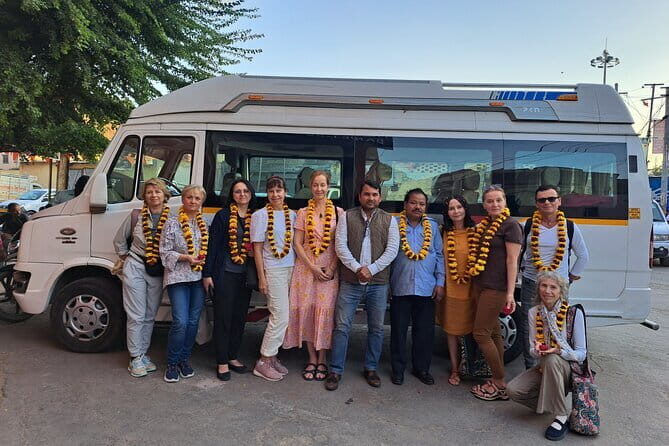
- Private tour pace with only your group, plus AC sightseeing transport
- Delhi-to-Jaipur routing that keeps drives reasonable and sight time well-used
- Sunrise Taj Mahal timing for a calmer, more memorable experience
- Ranthambore Tiger Safari included as a full wildlife day in the middle of the trip
- Guide names from real feedback like Mukhesh/Murkesh and Busquets, known for story-driven explanations
- Market time in Jaipur with options like Johari Bazaar, Tripolia Bazaar, and Bapu Bazaar
Golden Triangle Plus Ranthambore: the value behind the mix
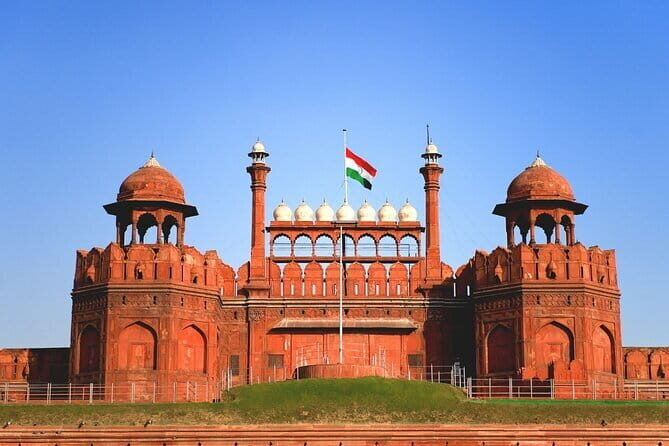
This tour is built on a simple idea: see the famous Golden Triangle, then add wildlife that feels like the real payoff. Most “Golden Triangle” trips stick to monuments. This one keeps you moving through history in Delhi, Mughal grandeur in Agra, and royal design in Jaipur, but it also gives you a dedicated Ranthambore National Park day where tigers are the headline.
I like that it’s a private setup. That matters in India, where a shared-group schedule can turn your day into a game of catch-up. Here, the pace is meant to stay coherent: pickup, drive, guided stops, then hotel nights when you need a reset. It also helps that you’re riding with an AC vehicle for sightseeing, and you’ll have bottled water included.
One more value point: the tour credits a government-certified guide for the entire trip. In real terms, that usually means you’ll get context that makes the buildings make sense, not just dates and directions.
You can also read our reviews of more tours and experiences in New Delhi



Day 1 in Delhi: India Gate, Qutub Minar, and the calm of Lotus Temple
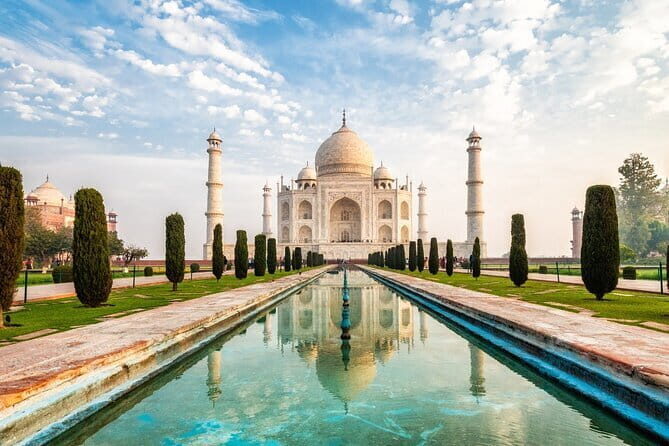
Day 1 is a classic Delhi intro, but with a nice balance. You start at India Gate, the war memorial where you can take a slow stroll and get your bearings. It’s the kind of stop where walking is the point. You’ll see the scale right away, and it’s a good warm-up before the more intricate sights.
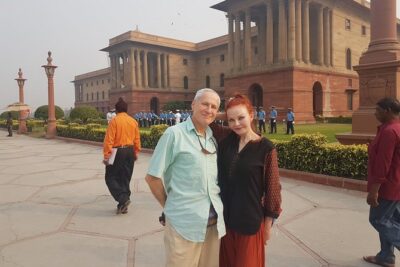
Next, you drive past Parliament House and Rashtrapati Bhavan. Even though you’re not going inside here, the architecture is worth noticing because it gives you a sense of how modern India frames power and ceremony.
Then comes Qutub Minar. This is where the tour shifts into UNESCO-level detail. The tower is about 73 meters tall, and it’s tied to Qutub-ud-din Aibak and the 12th–13th century story of Delhi’s early sultanate era. The stop length is about an hour, and that’s usually enough time to take in the carvings without turning it into a marathon.
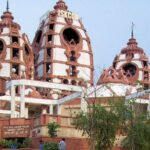
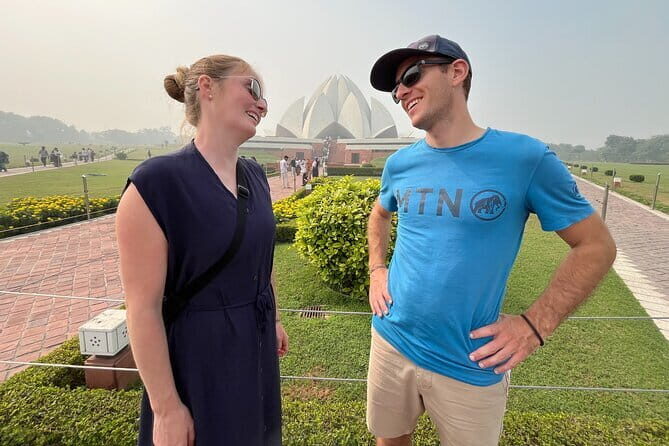
After that, you end at the Lotus Temple, a Bahá’í House of Worship with a flower-like design built in 1986. This is a useful contrast to the older stone-and-history sites. The hour here can feel like a breather—good if you want your day to include at least one quiet, reflective stop instead of only major sights back-to-back.
Practical note: entrance fees are not included for Qutub Minar (and some other monuments later). If you want to reduce hassle, you’ll want to plan for paid entry on the days that list it as not included.
Day 2 Old Delhi to Agra: rickshaws, Jama Masjid, then a hotel night
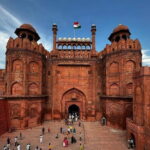
Day 2 leans hard into Old Delhi. You start with the Red Fort, a UNESCO site tied to Mughal emperors for nearly 200 years. Even if you don’t have long inside time, it’s still a landmark you feel the moment you’re there. The most important thing is that you’re seeing it with guided context, so it lands as a story of imperial power—not just walls.
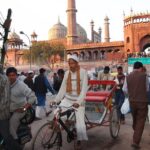
Then you hit Chandni Chowk with a rickshaw ride. This is one of the most fun parts of the day, because it’s not just sightseeing on foot. You pass through lanes filled with spices, sweets, and traditional goods. Expect it to be crowded in the way Old Delhi is crowded; the rickshaw helps you cover more ground while you watch the city flow.
After that, you visit Jama Masjid, one of India’s largest mosques, built by Shah Jahan. The courtyards and minarets are the visual payoff, and if timing allows, you can also get panoramic views over Old Delhi. This is another stop where the guide makes a difference—Jama Masjid is enormous, and having someone explain what you’re looking at keeps you from feeling lost.
Once Old Delhi is done, it’s the drive to Agra—about 3–4 hours. You check in, relax, and reset. This is a smart design choice: it prevents you from trying to cram Agra sights right after a long day in Delhi.
Day 3 Sunrise Taj Mahal, Agra Fort, and Fatehpur Sikri on the way
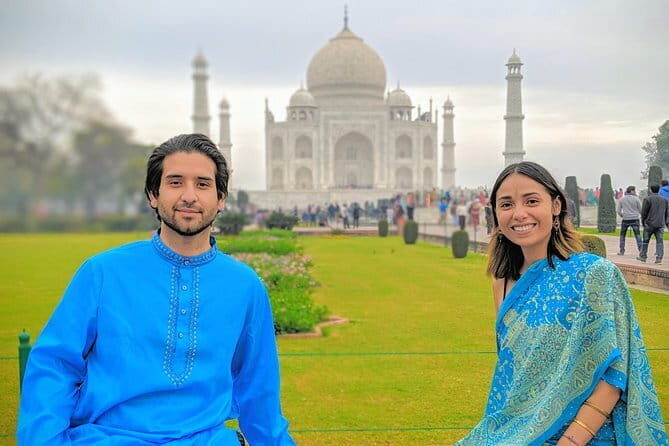
Day 3 is the “wow” day, planned with timing in mind. You go to the Taj Mahal at sunrise, which is a big deal. The Taj is listed as a UNESCO World Heritage site and even called out as one of the Seven Wonders, but the sunrise detail matters because the light and atmosphere are different early in the day. You’ll also get the story tied to Emperor Shah Jahan and Mumtaz Mahal.
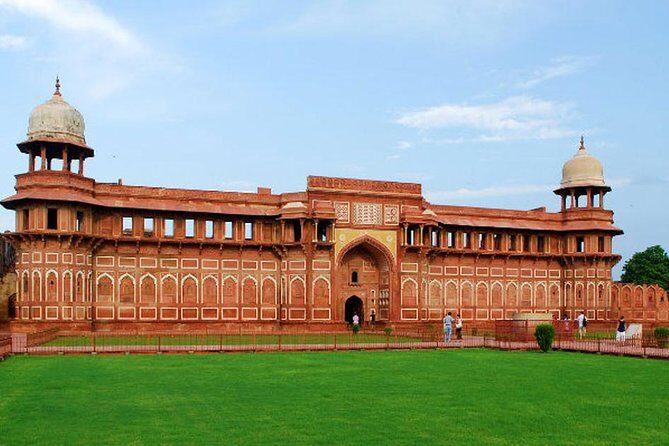
Right after, you visit Agra Fort, another UNESCO-listed site where the Mughal Empire lived and ruled. The time here is about an hour, which is enough to see the courtyards and major inner sections without rushing every single corridor. Again, guided context is key because fort architecture can look similar if you don’t know what each area was for.
Then you stop at Fatehpur Sikri on the way to Jaipur. This place is described as an abandoned Mughal city and UNESCO-listed—meaning you’re seeing a grand complex that didn’t last forever. You’ll have time to explore palaces and mosques, and the Buland Darwaza is specifically highlighted. This stop is timed well because it breaks up the drive and gives you a sense of Mughal ambition beyond Agra.
Finally, you arrive in Jaipur and check in for the night.
Day 4 Jaipur architecture: Hawa Mahal, City Palace, and Jantar Mantar
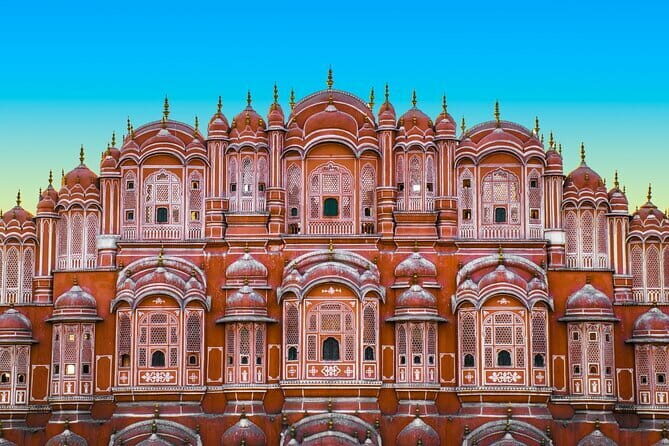
Jaipur on Day 4 is built around recognizable icons, but the design is what makes it satisfying. You begin with Hawa Mahal (Palace of Wind), the pink sandstone facade famous for 953 lattice windows. The tour frames it with the original purpose: it was built in 1799 for royal women to observe daily life. That little backstory changes how you see the windows; they stop being decorative and start feeling functional.
Next is City Palace. You get to explore the complex and see royal artifacts and traditional costumes along with the architecture. Even if you’re not a museum person, this stop is a good bridge from “pretty buildings” to how royal Jaipur worked.
Then comes Jantar Mantar, a UNESCO World Heritage site built in the 18th century by Maharaja Sawai Jai Singh II. The key detail here is the nineteen architectural astronomical instruments. This can be a surprising turn in a sightseeing day—because it’s not only art and fortresses, it’s science built in stone.
After the monuments, you finish with market time in Jaipur. You’re given a couple of hours to wander the bazaars for handicrafts, traditional jewelry, textiles, and souvenirs. I like having a chunk of free browsing time at the end because it lets you connect what you saw in museums to what you can actually buy.
You can also read our reviews of more tours and experiences in New Delhi




Day 5 Ranthambore Tiger Safari: the day you plan for, not just the day you take

Day 5 is straightforward: Ranthambore National Park tiger safari, running for about 6 hours. The tour description highlights a range of wildlife—tigers, leopards, deer, and exotic birds—so it’s not a one-track checklist if tigers aren’t visible at every moment.
This day is the heart of the “adventure” claim. It breaks the rhythm of temples, forts, and palaces. You’re spending your morning and afternoon focused on the park itself, while your guide helps connect what you’re seeing to the bigger wildlife setting.
One practical advantage: the safari is included, so you’re not stuck comparing add-on ticket costs. It’s also slotted between Jaipur nights, with the drive back taking about 4 hours and an overnight stay in Jaipur.
What to watch for in your own planning: because this is a full day, you’ll want to keep your evenings flexible. Your hotel night is part of the rhythm here, not an extra afterthought.
Day 6 Jaipur bazaars and the return to Delhi
Day 6 is a mix of shopping and logistics, designed to end smoothly. You start with a shopping spree in Jaipur’s major bazaars—Johari Bazaar, Tripolia Bazaar, or Bapu Bazaar. These are called out for jewelry, textiles, handicrafts, and pottery. There’s also a note about connecting with local artisans, which is the difference between “buying stuff” and seeing what makes the stuff.
Then you transfer back to New Delhi, with about 4 hours driving time. The tour ends with drop-off at your preferred location. That’s a good way to close a route like this, because you’re not guessing which part of Delhi to navigate on your own after a busy week.
Price and logistics: what $381.95 gets you, and what you should budget
At $381.95 per person, this is pricing like a mid-range private guided itinerary. What you get is clear and substantial:
- Pickup and drop-off from your hotel/airport/railway station
- AC transport for sightseeing
- Fuel, parking, tolls, and interstate taxes
- Bottled water
- Government taxes (GST)
- Government-certified guide for the entire tour
- Ranthambore tiger safari included
That’s a lot of the expensive-but-boring stuff bundled together. You’re not organizing drivers, paying tolls, or figuring out where to find a guide for each city. You’re also not stuck building a patchwork itinerary.
What’s not included is equally important:
- Hotel accommodation for the overnight stays
- Monument entrance fees for various sites
- Meals (lunch, dinner, snacks)
- Insurance
- Personal shopping and add-ons
So the real value comes down to one question: how comfortable are you paying for hotels and monument entries on top of the tour price? If you already plan to budget for that, this is a good setup because it reduces the number of separate vendors you have to deal with.
Guides make or break it: what the feedback tells you
The strongest praise in the feedback centers on people, not just places. Names like Mukhesh/Murkesh show up with the idea that history is made easy through detailed explanations and stories. Another name that appears is Busquets, recommended for delivering a smooth experience where the guide listened to what the group wanted rather than pushing an agenda.
That matches what I’d look for in a tour like this. Delhi monuments can feel repetitive without context. Mughal forts and palaces can blur together unless someone points out what matters. Jaipur’s architecture is best when you understand the purpose behind what you’re seeing—like why Hawa Mahal was designed for royal observation.
Should you book this tour?
I’d book it if you want three things in one plan: major Golden Triangle landmarks, a guided day trip feel (private and story-driven), and one full wildlife moment with Ranthambore. The route is long enough to feel like a real trip, but structured enough that you’re not spending your days just traveling.
I’d think twice if you’re traveling with strict budgeting around entrance fees and meals, because those costs are explicitly not included. And if you hate early mornings, the sunrise Taj Mahal timing may challenge you—though it’s also one of the best reasons to do it this way.
If you can work with that, this is a smart, well-rounded way to experience India without turning your trip into a logistics project. Also, since it’s a private tour and most people can participate, it tends to be a good fit for couples, families, and small groups who want a more controlled pace.
FAQ
FAQ
What does the tour include?
It includes hotel/airport/railway station pickup and drop-off, AC transportation for sightseeing, fuel/parking/tolls and interstate taxes, bottled water, GST, a government-certified guide for the entire tour, and the Ranthambore tiger safari.
Is hotel accommodation included?
No. Overnight accommodations are not included, so you’ll need to book your hotel nights separately.
Are monument entrance fees included?
No. Monument entrance fees are not covered, so you should budget for sites marked as not included.
Does the price include meals?
No. Lunch, dinner, and additional snacks are not included.
Is this a private tour?
Yes. It’s a private tour/activity, and only your group will participate.
What about tickets—do I need to bring anything?
You’ll receive a mobile ticket.
Can I get a full refund if I cancel?
Yes. Free cancellation is available, and you can cancel up to 24 hours in advance for a full refund. If you cancel less than 24 hours before the experience’s start time, the amount paid is not refunded.