REVIEW · NEW DELHI
Delhi: 2-Day Delhi & Taj Mahal Tour by Car
Book on GetYourGuide →Operated by Keeper Landwey · Bookable on GetYourGuide
Old Delhi turns into real theatre fast.
This 2-day Delhi and Taj Mahal tour is built for people who want maximum payoff without losing the plot, thanks to a private air-conditioned car and a live guide who helps you understand what you’re actually seeing. I especially like the way the schedule strings together the big hitters in Delhi, then locks in the one moment that matters most in Agra: Taj Mahal sunrise. One thing to keep in mind is that Delhi traffic can be unpredictable, so your return timing needs a little buffer if you’re catching a flight.
On Day 1, you’ll move through history from Mughal-era landmarks to major modern monuments, with stops that make Old Delhi and New Delhi feel like two different worlds. On Day 2, you wake up early, visit the Taj Mahal inside and out, then continue to Agra’s key fort sights before heading back. The downside? The Taj Mahal is closed every Friday, so if your dates land on a Friday, you’ll want to switch plans.
In This Review
- Key highlights worth planning around
- How this two-day Delhi and Agra plan actually works
- Day 1 in Delhi: Old and New Delhi, with the stops that change the vibe
- Gandhi Smriti and Humayun’s Tomb
- Akshardham and the government-and-monuments layer of New Delhi
- Qutub Minar: the Mughal-to-early-era anchor
- Jama Masjid and Chandni Chowk: Old Delhi’s energy
- What you should watch for on Day 1
- The evening transfer to Agra: 3.5 hours that changes your whole trip
- Day 2 sunrise at the Taj Mahal: the only time it feels like it’s floating
- Ticket-line savings and inside access
- The Friday closure rule
- Agra Red Fort after breakfast: see the power behind the marble
- A possible extra: Baby Taj if your guide suggests it
- Guides and drivers: where the experience earns its 4.9 rating
- What people consistently praise
- A small but real advantage: pace and comfort
- Price and value: what $390 per person buys you in the real world
- Practical tips that keep the day from getting messy
- Bring the right ID and wear the right shoes
- Luggage and car strategy
- Flights: don’t plan to be perfect on time
- Taj Mahal timing and closures
- Who this tour suits best (and who might want to rethink it)
- Should you book this Delhi and Taj Mahal tour by car?
- FAQ
- Does the Taj Mahal tour run on Fridays?
- Where can I get picked up for this tour?
- What language options are available for the live guide?
- Is the tour private?
- Can I skip the ticket line?
- Is the experience wheelchair accessible?
Key highlights worth planning around

- Sunrise at the Taj Mahal with outside and inside time, so you’re not just snapping photos and running
- Old Delhi + New Delhi in one day with major stops like Jama Masjid, Chandni Chowk, Qutub Minar, and India Gate
- Skip-the-ticket-line entry at the sites, which saves time when crowds are at their worst
- Safe, comfortable driving in an AC vehicle, with guides and drivers who are used to moving through traffic
- Agra Fort time after breakfast, letting you see more than only the Taj
How this two-day Delhi and Agra plan actually works
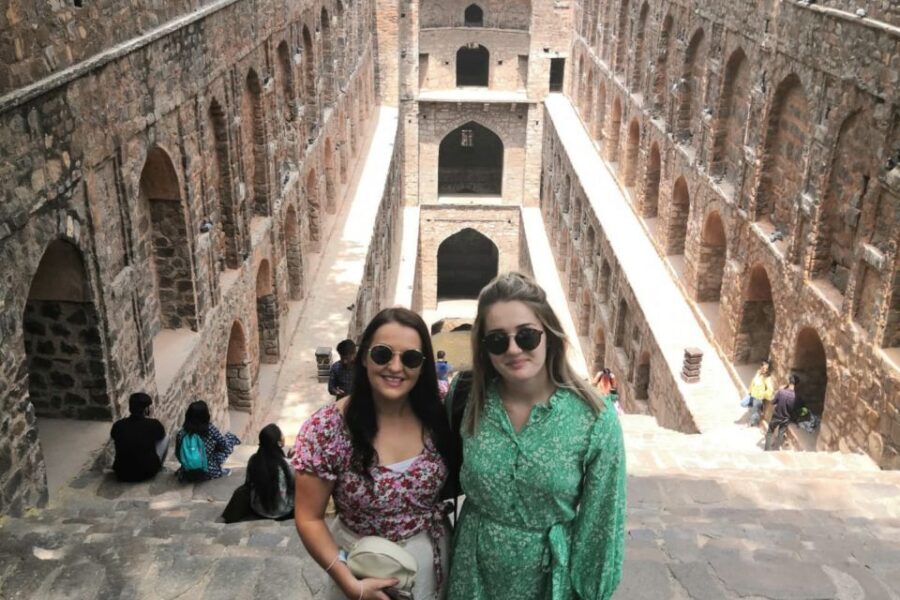
This is the kind of itinerary that makes sense for a short stay. You’re not trying to “do everything,” but you are getting a lot of the most meaningful landmarks in a tight window, with a private driver doing the hard part: getting you there and keeping you moving.
What makes it feel worth the money is the pairing: a driver who handles the long transfers and city traffic, plus a guide who gives you context instead of just pointing. Across the experience, you’ll see the same theme in the positive feedback: people felt safe, time was respected, and the guide didn’t rush the experience just to tick boxes.
Also, you’re not trapped in a big group. You’re in a private setup with pick-up options across Delhi’s neighboring cities (Noida, Gurgaon, Faridabad, Ghaziabad), which helps you start your trip without losing half a day to logistics.
You can also read our reviews of more tours and experiences in New Delhi



Day 1 in Delhi: Old and New Delhi, with the stops that change the vibe
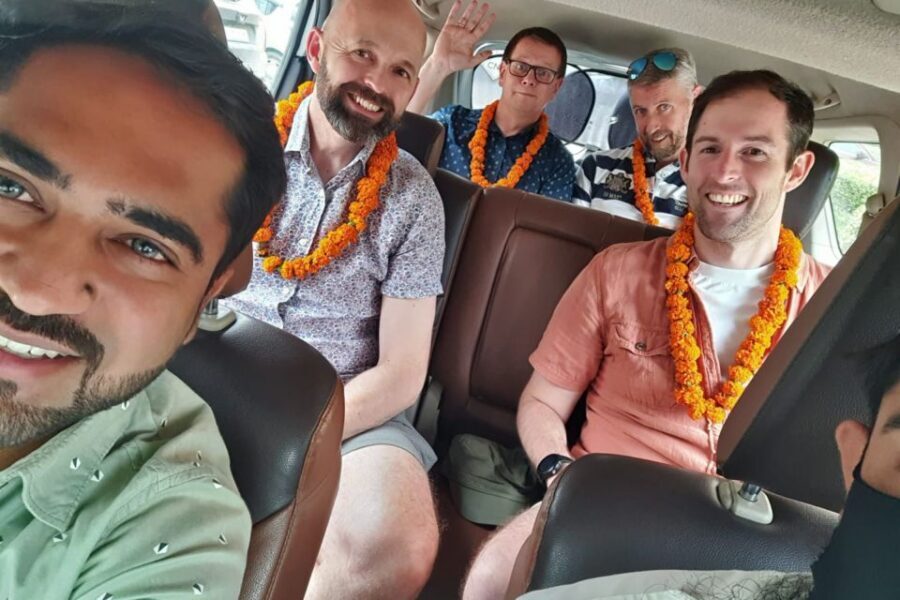
Day 1 is your “get your bearings fast” day. You start with pick-up from your hotel (or the airport, if you’re arriving), then roll through a carefully chosen mix of Old Delhi grit and New Delhi structure.
Gandhi Smriti and Humayun’s Tomb
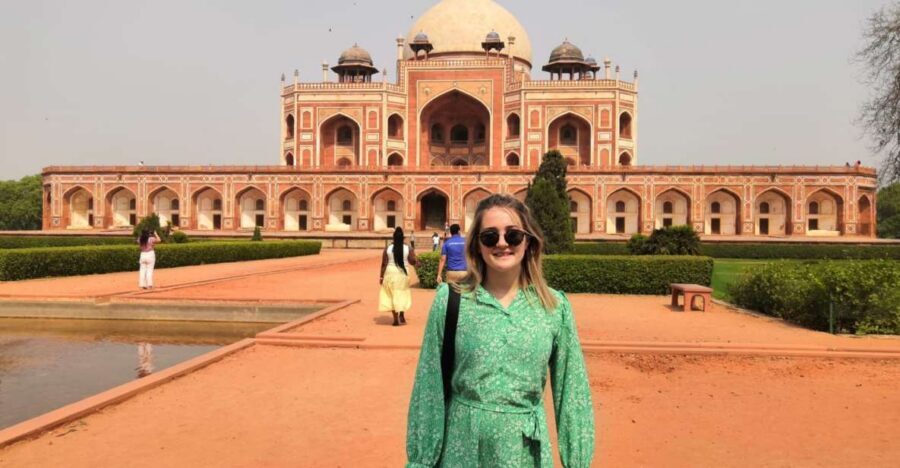
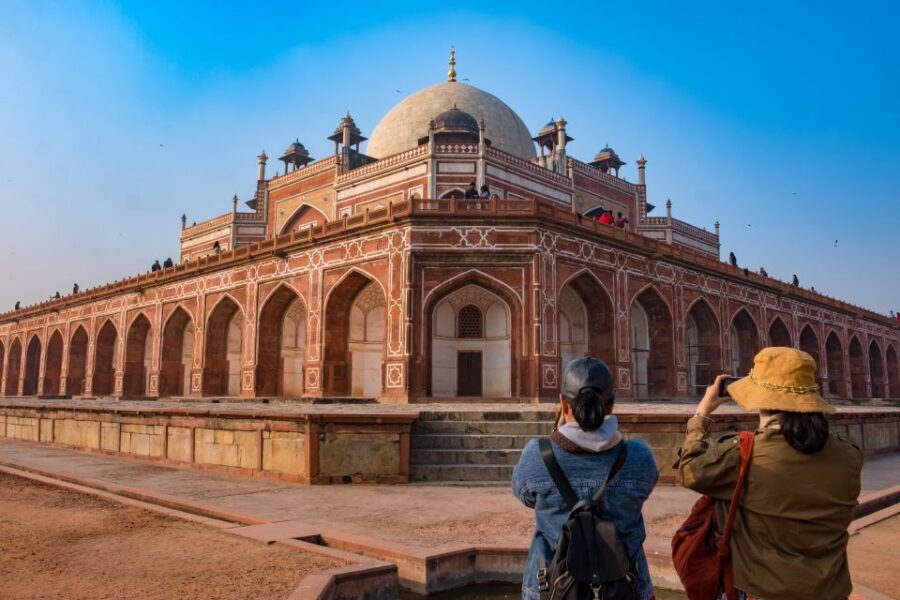
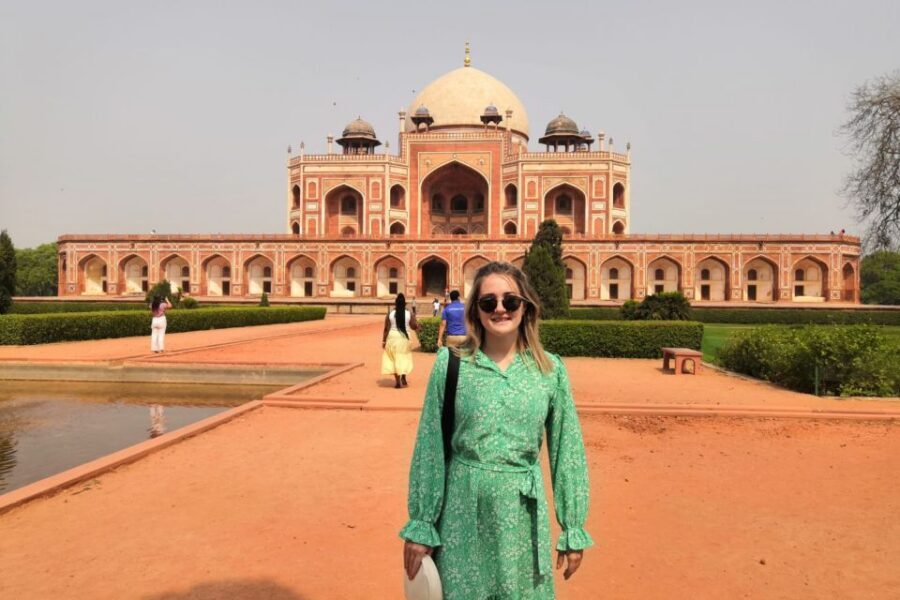
You begin with Gandhi Smriti, a strong early stop if you like history that connects directly to modern India. Then you head toward Humayun’s Tomb, where the architecture brings you into the Mughal world. Even if you’ve seen photos before, this is one of those areas where being there helps you understand scale and design choices.
A good guide matters here, because the value isn’t just in seeing a building. It’s in understanding why it looks the way it does and how it fits into the story of the city.
Akshardham and the government-and-monuments layer of New Delhi
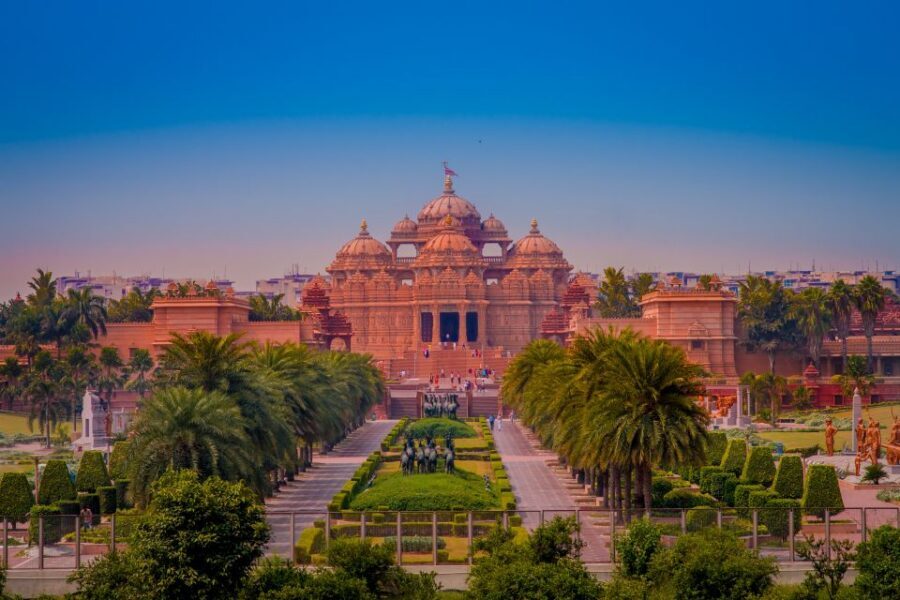
From there you shift toward Akshardham. This is less about surviving ancient walls and more about present-day expression and monumental design. It gives you a contrast day-to-day, and it helps keep the pace lively instead of one long chain of similar architecture.
Then you move into major New Delhi landmarks: the Presidential House area, Parliament House, and India Gate. These stops help you see how the city centers itself around governance and national identity. A guide can also help you spot what’s ceremonial versus what’s practical, which makes the photo stops more meaningful.
Qutub Minar: the Mughal-to-early-era anchor
Qutub Minar is one of those landmarks that can feel like a “must” even if you’ve never studied it. It’s tall, distinctive, and historically central. With a guide, you’re not just staring at a tower—you’re learning what made it important and how it fits into the broader skyline of Delhi.






Jama Masjid and Chandni Chowk: Old Delhi’s energy
Then you hit Jama Masjid and the spice-and-market vibe around Chandni Chowk. This is where Delhi stops being museum-like and starts feeling like a living city. You’ll get views, movement, and that layered street energy that photos don’t always capture well.
One of the most useful parts of having a guide here is decision-making: where to pause, what to look at first, and how to manage time through busy areas without feeling like you’re getting swept along.
What you should watch for on Day 1
Day 1 is packed, and you’ll be walking more than you might expect if you’re used to bus-only sightseeing. Comfortable shoes matter. Also, plan for heat and sun exposure. The good news: you’ll have plenty of car time between stops, and the vehicle is air-conditioned.
The evening transfer to Agra: 3.5 hours that changes your whole trip
After the Delhi sightseeing, you depart to Agra in the evening. The transfer is listed as about 3.5 hours, and that timing is important: it keeps the trip from turning into a sleep-deprived marathon.
This part is where your driver’s skill really matters. Multiple experiences highlight drivers who were careful, punctual, and good at handling traffic flow. One review even called out how a driver helped with motion sickness, which is exactly the kind of real-world issue that can make or break a long transfer.
If you have a tight schedule for your next day, being well-rested matters. The best approach is simple: eat calmly when you can, keep your phone charged for sunrise photos, and let the driving do its job.
Day 2 sunrise at the Taj Mahal: the only time it feels like it’s floating

Day 2 starts early for the Taj Mahal sunrise experience. This is the core reason most people book the tour, because sunrise changes how the marble reads—light shifts fast, shadows move, and the site feels different from the midday crowds.
Ticket-line savings and inside access
You’ll skip the ticket line, which is a real quality-of-life upgrade when you’re trying to start early and keep your day from collapsing into waiting. Then you get to explore the Taj Mahal from the outside and inside.
That inside time is the difference between seeing a landmark and understanding why it became a symbol of devotion and power. Guides in the Agra portion are frequently praised for passion for history and for explaining why details matter—things like design choices and the context behind the monument.
One of the best bits of advice: don’t treat sunrise as only a photo opportunity. Treat it as a chance to slow down and take in proportions. If your guide offers guidance on what to look for, listen. It tends to make the marble and calligraphy feel purposeful rather than decorative.
The Friday closure rule
Here’s the important scheduling reality: the Taj Mahal is closed every Friday. If your dates include Friday, this particular sunrise plan won’t work as described. Build your calendar backward from that fact.
Agra Red Fort after breakfast: see the power behind the marble
After sunrise, you return for breakfast, then check out before heading to the Agra Red Fort.
The Agra Red Fort visit adds something key that makes the Taj Mahal visit feel more complete. The Taj is extraordinary, but it’s also part of a bigger system of Mughal power. Red Fort helps you connect the dots—fortifications, authority, and the way rulers expressed control over space.
Guides often explain what’s behind the workmanship and the significance of different areas. And you’ll likely appreciate the pacing: you’ve already had the emotional peak at sunrise, so the fort becomes a place to understand the mechanics of the story.
A possible extra: Baby Taj if your guide suggests it
In at least one experience, the guide suggested adding the Baby Taj after the Taj Mahal. It’s a logical companion stop because it’s still marble, still refined, and often less crowded. You shouldn’t bank on it, but if your guide mentions it as an option, it may be worth your time depending on how your day feels.
Guides and drivers: where the experience earns its 4.9 rating
This is one of those tours where the “product” is really the people. The private format gives your guide room to shape the day, and multiple experiences mention guides who were friendly, respectful of pace, and flexible without turning the schedule into chaos.
What people consistently praise
Common themes include:
- Driver safety and careful driving through tricky traffic
- Guides who answer questions clearly and keep explanations tied to what you’re standing in front of
- Guides who don’t rush, and who make time for photos without turning it into a scavenger hunt
- Guides who adjust to what you want, including people who wanted to avoid being pushed into extras
There are also specific guide names that show up in positive feedback, like Arun for Delhi, Nasir for Agra sunrise and Mughal storytelling, and Aman for Taj Mahal and Agra Fort context. Other mentioned guides include Aamir, Faizal, Gul Bahaar, Abhishek, Pradeep, and Riyaz. Even if you don’t get the same names, the pattern matters: strong communication and good on-site flow.
A small but real advantage: pace and comfort
When you’re covering Old Delhi streets and New Delhi monuments back-to-back, pace is everything. You’ll feel it most when you’re deciding whether to linger for one more photo or move on to the next stop. The private setup helps because you’re not arguing with a group schedule.
Price and value: what $390 per person buys you in the real world

At $390 per person for a 2-day Delhi and Taj Mahal tour by car, you’re paying for three big things: time saved, private guidance, and private transport between Delhi and Agra.
Here’s how that value usually holds up:
- Private AC car: You’re not sharing comfort with strangers, and you avoid the stress of figuring out intercity transport.
- Live guide included: A good guide turns famous monuments into understandable landmarks. That matters on Days 1 and 2, because you’re seeing a lot fast.
- Sunrise timing: Sunrise tours are always more expensive because they require early starts and tighter coordination. You also get skip-the-ticket-line help, which prevents the day from burning time.
Your biggest value test is your travel style. If you like learning a bit, moving efficiently, and not having to plan routes or chase tickets on your own, this price starts to look fair. If you’re a totally independent traveler who already knows exactly what you want and enjoys handling everything yourself, you might find cheaper options. But you would be trading away convenience and the guide’s ability to keep the story coherent.
Also check your preference on accommodation. You can choose with or without accommodation, and one experience specifically mentioned an Agra hotel stay at Courtyard by Marriott when accommodation was selected. If you’re the type who wants your trip smoothed out, the accommodation option can reduce decision fatigue.
Practical tips that keep the day from getting messy
This tour is well structured, but you’ll still want to pack smart and plan for the realities of India logistics.
Bring the right ID and wear the right shoes
You’ll want your passport or ID card. Comfortable shoes are a must because you’ll be doing real walking around major sites.
Luggage and car strategy
If you carry luggage, you can leave it in the car while you visit the different sights. That’s a small detail, but it makes the sightseeing smoother because you’re not lugging bags through busy entrances.
Flights: don’t plan to be perfect on time
Traffic can be unpredictable, especially for evening returns to New Delhi. If you’re flying, give yourself enough buffer time.
Taj Mahal timing and closures
Remember: Taj Mahal is closed every Friday. If you’re booking for a Friday, you’ll need a different plan.
Who this tour suits best (and who might want to rethink it)

This tour fits best if you:
- Have only a short stop in Delhi and want to include Agra without losing your day to transit planning
- Want a private guide and car rather than group shuttles
- Care about Taj Mahal sunrise enough to wake up early and actually do it right
- Prefer guidance through busy places like Jama Masjid and Chandni Chowk
It might be less ideal if you:
- Want a slower, unstructured trip with lots of free time
- Are extremely sensitive to early mornings and long days
- Have dates that fall on a Friday, since Taj Mahal is closed that day
Should you book this Delhi and Taj Mahal tour by car?
If you’re trying to choose between improvising your own Delhi-to-Agra plan and paying for structure, I’d lean toward booking this kind of private setup. The biggest reasons are practical: you get an AC car, you get a guide who helps you make sense of the sights, and you get the sunrise Taj Mahal moment without wasting time on ticket chaos.
The only real reasons to pause are date issues with the Taj Mahal Friday closure, or if your budget is so tight that convenience matters less than cost savings.
If your goal is clear—Old and New Delhi highlights plus sunrise Taj Mahal plus a strong Agra second act—this is a very solid way to do it.
FAQ
Does the Taj Mahal tour run on Fridays?
The Taj Mahal is closed every Friday, so the sunrise plan would not operate as scheduled on those dates.
Where can I get picked up for this tour?
Pick-up is possible from your hotel in Delhi, Noida, Gurgaon, Faridabad, or Ghaziabad. Airport pick-up is also possible, and pick-up can cover the National Capital Region.
What language options are available for the live guide?
The live guide is available in Chinese, English, French, Japanese, Russian, Spanish, and German.
Is the tour private?
Yes. You have a private guide and a uniformed driver, with travel in a private air-conditioned car.
Can I skip the ticket line?
Yes, skip-the-ticket-line entry is included.
Is the experience wheelchair accessible?
Yes, the tour is listed as wheelchair accessible.