REVIEW · NEW DELHI
6-Day Rishikesh & Haridwar Spiritual Tour from Delhi
Book on Viator →Operated by vwitours · Bookable on Viator
Ganga vibes, done without the fuss. This 6-day Rishikesh and Haridwar spiritual tour mixes sacred river rituals with real action—early sunrise hiking, a waterfall stop, white-water rafting, and a national-park safari. I especially like the private format and English-speaking driver, because it keeps your days organized without turning your trip into a rigid bus tour. The main drawback to consider is that lunch and dinner cost extra, and one day starts around 4:30 a.m., so sleep matters here.
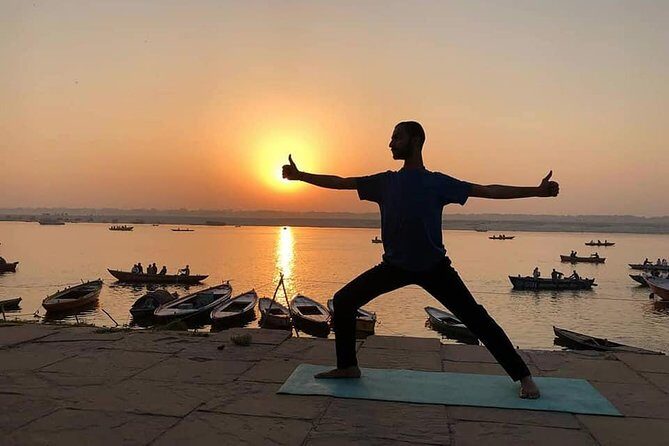
What makes this itinerary work is the pacing: you start in Rishikesh with daily yoga and classic Ganges-side stops, then shift to Haridwar for temples and Har Ki Pauri, including an evening Ganga Aarti. It’s a good fit for first-timers who want structure, plus travelers who appreciate a driver who actually helps the whole plan run smoothly.
In This Review
- Key highlights at a glance
- Why Rishikesh + Haridwar feels like the right duo
- Price and what you’re really paying for ($397.81 per person)
- Your first day: Delhi to Rishikesh, then drop into the river rhythm
- Day 2 in Rishikesh: yoga, ashrams, and the classic Ganges stops
- Swarg Ashram: spirituality with a strong foreign-tour appeal
- Ram Jhula and Lakshman Jhula: bridges that also act like viewpoints
- Parmarth Niketan: a flagship ashram by the river
- Bharat Mandir: a major temple stop in the city center
- Triveni Ghat: the busiest spiritual bathroom in town
- The day’s good rhythm
- Day 3 starts early: Kunjapuri sunrise trek, Neer Garh waterfall, and rafting
- Kunjapuri sunrise trek: the 4:30 a.m. alarm is worth it
- Neer Garh Waterfall: a short trek through dense greenery
- River rafting: about 2 hours, with a trained instructor
- Day 4: Vashistha Cave and a full Rajaji National Park safari
- Vashishta Gufa: an ancient meditation cave stop
- Rajaji National Park: wildlife safari after lunch
- Day 5 in Haridwar: cable car to Mansa Devi and the Har Ki Pauri ritual
- Mansa Devi Temple by cable car
- Shantikunj Gayatri Pariwar: the headquarters feel
- Pawan Dham: mirrored walls and bright glass mosaics
- Daksh Mahadev Temple: Shiva dedicated at Kankhal
- Har Ki Pauri and evening Ganga Aarti: the emotional center
- Getting back to Delhi: one long drive, then you’re done
- Who should book this tour (and who might want to pass)
- Should you book this 6-day Rishikesh and Haridwar tour?
- FAQ
- What package options are available for this tour?
- Are meals like lunch and dinner included?
- Do I get help getting from Delhi to the hill cities?
- Is yoga included during the trip?
- Do we go river rafting?
- Is there a cable car ride involved?
- Can I get a refund if I cancel?
Key highlights at a glance

- Private, air-conditioned transport between Delhi, Rishikesh, and Haridwar, with an English-speaking driver handling the moves
- Daily yoga at your hotel plus a built-in evening ritual at Har Ki Pauri with Ganga Aarti
- Kunjapuri sunrise trek starting around 4:30 a.m., then a calmer nature break at Neer Garh Waterfall
- River rafting for about 2 hours with a trained instructor on hand
- Rajaji National Park safari timed after lunch, with tickets included
- Cable car ride to Mansa Devi Temple in Haridwar for an easier route up and a strong spiritual payoff
Why Rishikesh + Haridwar feels like the right duo
Rishikesh and Haridwar sit close enough that you can bounce between them without losing full vacation days to logistics. The difference is the vibe. Rishikesh tends to feel more like a spiritual playground—ashrams, river ghats, bridges over the Ganges, and the kind of yoga-focused morning routine you can actually join. Haridwar shifts the energy toward big temple circuits and the classic riverfront ritual scene at Har Ki Pauri.
This tour does something smart with that contrast. You get to start each day from the practical side—comfort, timing, meals like breakfast—and then you choose how intense the spiritual portion feels. One morning might be yoga and ashrams, another might be an early trek, and another might be temples plus the evening Aarti by the river.
If you’re the type who likes your travel organized but not boring, this combo helps you tick off the essentials without feeling rushed through everything.
You can also read our reviews of more tours and experiences in New Delhi
Price and what you’re really paying for ($397.81 per person)
At $397.81 per person, this is not a budget-only option, but it doesn’t look overpriced when you break down what’s included. You’re paying for hotel accommodation in Rishikesh and Haridwar, private transportation for the full route, and an English-speaking guide or guide services where the tour calls for it.
The value gets stronger because several “experience” items are bundled in:
- Kunjapuri trek tickets
- River rafting tickets
- Rajaji National Park safari tickets
- Cable car ride to Mansa Devi Temple
- Evening Ganga Aarti at Har Ki Pauri
Two things can catch you if you don’t plan ahead. First, lunch and dinner aren’t included—the price data lists $55.00 per person for them. Second, the schedule is active. Between sunrise trekking, cave time, and park safari hours, you’ll likely want at least one day where you don’t overbook anything else in town.
If you want the “easy mode” from Delhi with transport taken care of, this price starts to feel reasonable.
Your first day: Delhi to Rishikesh, then drop into the river rhythm
You start in Delhi and ride in an air-conditioned car with an experienced English-speaking driver. Pickup is offered from your chosen Delhi location, including Delhi airport, hotel, or railway station. Then it’s straight to Rishikesh and your hotel.
That arrival day matters more than it sounds. You’re not wasting time trying to figure out routes, bargaining for rides, or managing language gaps at the worst moment—right after travel. You also get your first taste of Rishikesh’s flow even if it’s mostly after settling in.
If your hotel includes complimentary yoga, that’s a nice bonus. Even when yoga isn’t complimentary at every property, the tour includes daily yoga sessions at the hotel, so you have a built-in chance to join something local without searching around.
Day 2 in Rishikesh: yoga, ashrams, and the classic Ganges stops
Day 2 is built like a sampler platter of Rishikesh spirituality. The morning starts with yoga at the hotel, followed by sightseeing with multiple stops along the Ganges.
Here’s what each place gives you:
Swarg Ashram: spirituality with a strong foreign-tour appeal
Swarg Ashram is built in memory of Swami Vishudhanand, known as Kali Kamli Wala. It’s popular with international visitors for its distinct character. If you like ashram life as a concept—teachings, chants, the idea of daily practice—this stop sets the tone.
Time on the ground is short (about 30 minutes), so you’ll want to move with curiosity, not treat it like a slow museum day.


Ram Jhula and Lakshman Jhula: bridges that also act like viewpoints
Ram Jhula is a famous suspension bridge over the Ganges. Lakshman Jhula is another major bridge crossing the river, connecting areas across the water. Both are classic photo stops, but they’re also useful for orientation—when you’re new to Rishikesh, bridges are like your map made physical.
You get around 30 minutes at Ram Jhula, and a similar window at Lakshman Jhula. Plan to spend a few extra seconds scanning river traffic and the ghats because that’s where the atmosphere lives.
Parmarth Niketan: a flagship ashram by the river
Parmarth Niketan sits along the Ganges with the Himalayas in the backdrop. It was founded in 1942 by Pujya Swami Shukdevanandji Maharaj. This stop often feels more structured, more public-facing, and more likely to have organized ritual moments you can watch.
About an hour is scheduled here, which is enough to look around and still keep your energy for the next ghats.
Bharat Mandir: a major temple stop in the city center
Bharat Mandir is described as one of the most ancient and famous temples in the area. The stop is about 30 minutes and includes admission. Use it as a palate cleanser between the riverside ghats and the ashrams.
Triveni Ghat: the busiest spiritual bathroom in town
Triveni Ghat is one of the biggest and most famous ghats. It’s known for crowds taking ritual baths to cleanse sins. Admission is included, and you’ll spend about 30 minutes here.
A practical note: this is exactly the kind of place where crowds can feel intense. Wear comfortable shoes and keep your expectations flexible. You’ll get the sensory impact quickly, then move on.
The day’s good rhythm
Day 2 works because it balances short-and-long stops. You get river views, temple time, ashram atmosphere, and iconic bridges without being trapped in one place too long.
Day 3 starts early: Kunjapuri sunrise trek, Neer Garh waterfall, and rafting
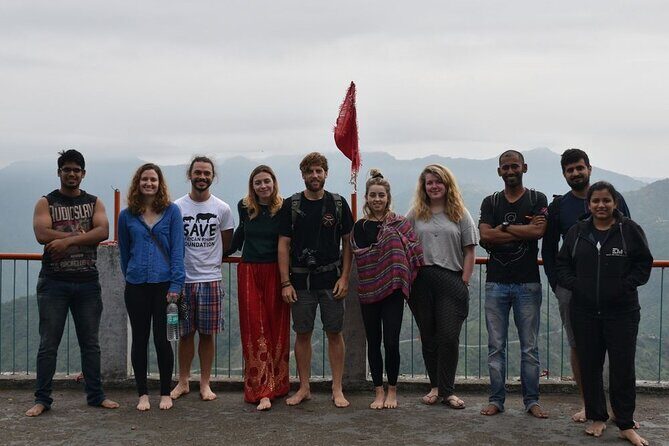
Day 3 is your “mix of cool and chaos” day—morning views, forest water, then the Ganges in motion.
Kunjapuri sunrise trek: the 4:30 a.m. alarm is worth it
You get ready around 4:30 a.m. for a sunrise trek to Kunjapuri temple. The schedule lists about 5 hours total for the trek experience, with pickup from your hotel by car or tempo. Tickets are included.
This is one of the most distinctive days on the tour because it’s not just a drive-by viewpoint. You’re moving early, climbing, and chasing a morning sky that you don’t always get on standard sightseeing trips.
Bring layers. Even when it’s warm later in the day, early mornings in the hills can feel cool.
Neer Garh Waterfall: a short trek through dense greenery
After the trek, you get a nature stop at Neer Garh Waterfall. The tour notes you’ll trek about a kilometer through the forest and down to reach the waterfall. The visit time is about 30 minutes, and admission/tickets are included.
This part of the day is a reset. It’s calmer than rafting, more walking than sightseeing, and it gives your legs a different kind of workout.
River rafting: about 2 hours, with a trained instructor
Post lunch, you switch from quiet nature to action. River rafting is scheduled for 2 hours with a trained instructor who stays with you and explains the process and essentials.
You’ll want to follow safety instructions closely and keep your phone and valuables packed away properly. The tour is set up so you don’t have to figure out the ropes yourself, which is the real win.
If you want a trip that isn’t only watching rituals, this is the day that gives you an active memory.
Day 4: Vashistha Cave and a full Rajaji National Park safari
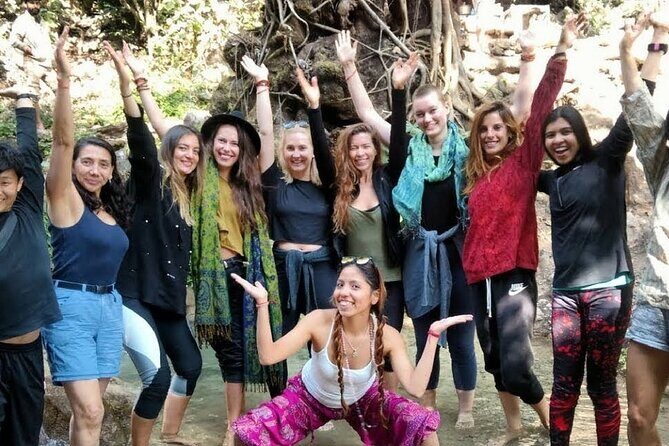
Day 4 brings a classic spiritual nature combo—cave meditation vibes plus wildlife time.
Vashishta Gufa: an ancient meditation cave stop
After breakfast at 8:30 a.m., you visit Vashistha Cave, described as an ancient cave where Sage Vashistha and his wife meditated. The stop is about 3 hours with admission included.
Caves can be special because they make the day feel quiet even if the world is moving outside. Expect a more contemplative pace here. If you’re traveling with someone who likes architecture, stone spaces, or simply a break from open-air crowds, this is a good match.
Rajaji National Park: wildlife safari after lunch
Post lunch around 1:30 p.m., you head to Rajaji National Park for a safari experience. The time on-site is about 4 hours. The park is described as having a wide range of flora and fauna, and you might see elephants, tigers, leopards, ghouls, and deer.
A key reality check: the tour data promises potential sightings, not guarantees. That’s normal for safaris. What you’re really buying is access, time in the park, and a guided safari experience with tickets included.
This is also the kind of day where it helps to bring patience. Wildlife watching rewards slow looking.
Day 5 in Haridwar: cable car to Mansa Devi and the Har Ki Pauri ritual

Day 5 is when the trip centers on Haridwar’s temple and river-crowd energy. You check out from your hotel, transfer to Haridwar (about a 1-hour drive), and then work through a strong sequence of religious stops.
Mansa Devi Temple by cable car
You visit Mansa Devi Temple by cable car. The cable car detail matters because it makes the trip easier if you’re not in the mood for steep climbs. The tour lists about 2 hours total for this stop, with admission included.
Mansa Devi Temple is dedicated to Goddess Mansa Devi. This is a high-interest stop for many visitors because it’s both devotional and logistically simple thanks to the cable ride.
Shantikunj Gayatri Pariwar: the headquarters feel
Next is Shantikunj Gayatri Pariwar, described as a world-renowned ashram and the headquarters of All World Gayatri Pariwar (AWGP). It was established in 1971 by Pandit Sriram Sharma Acharya.
This stop is about 1 hour. If you like learning how spiritual organizations run beyond one small temple, Shantikunj is a good place to feel that bigger system.
Pawan Dham: mirrored walls and bright glass mosaics
Pawan Dham is an ornate temple stop featuring mirrored walls, bright glass mosaics, and multiple deity statues. Time is short—about 30 minutes.
This is the kind of place where you’ll probably spend time looking up and around rather than moving fast. It’s a visual break after the more discussion-based ashram feel.
Daksh Mahadev Temple: Shiva dedicated at Kankhal
Then you go to Daksh Mahadev Temple, in Kankhal about 4 km from Haridwar. The temple is dedicated to Lord Shiva and named after King Daksha Prajapati.
Plan around 1 hour here. It’s another chance to see how the area’s temple tradition varies by location and dedication.
Har Ki Pauri and evening Ganga Aarti: the emotional center
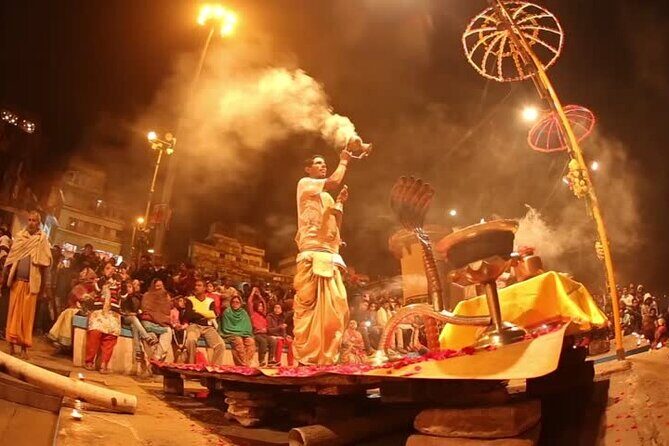
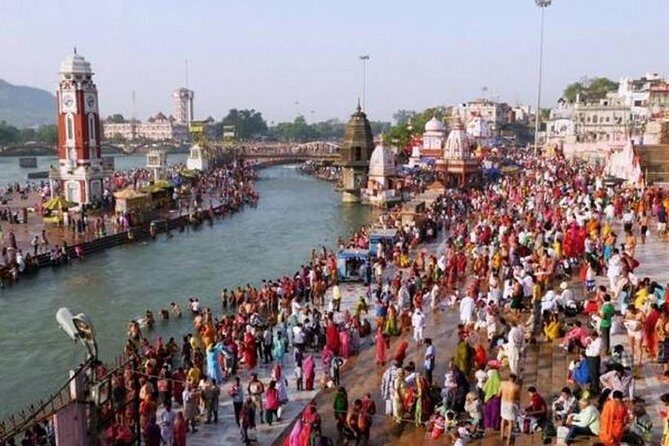
Finally comes Har Ki Pauri, considered the spot where drops of Amrit fell from the sky, per the Garuda story. The tour includes about 2 hours here and an evening Ganga Aarti ceremony.
This is why people come to Haridwar. Even if you’re not chasing a religious storyline, the ritual setup by the river is the main event. You’ll be in the middle of the crowd energy, so dress comfortably and keep your expectations grounded. The Aarti moment is what you’ll remember.
Getting back to Delhi: one long drive, then you’re done
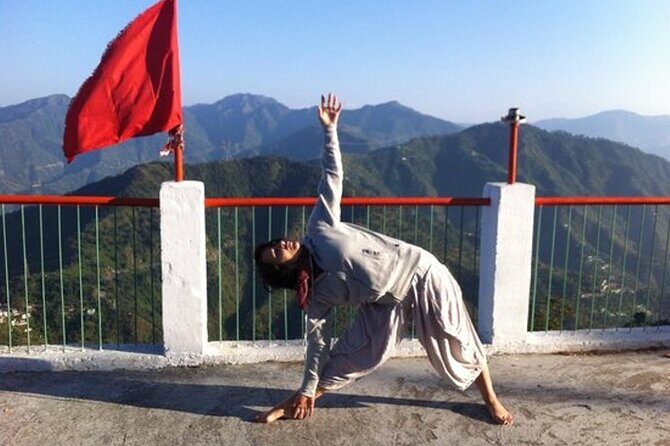
On day 6, you have breakfast, check out around 8:30 a.m., then drive back to Delhi. The drive is listed as about 6 hours, with an expected arrival around 3:00 p.m.
That long return ride is the clean break at the end of the trip. If you want a smooth finish, don’t schedule a big second commitment in Delhi that evening. Give yourself time to shower, eat, and mentally file away everything you saw.
Who should book this tour (and who might want to pass)
This tour fits best if you want:
- A structured spiritual trip from Delhi with transport handled
- A mix of religious sights and real activity days (rafting and safari)
- An English-speaking driver who keeps the plan moving
- A hotel-based routine with daily yoga sessions
Most travelers can participate, but if you have mobility limits, the walking at ghats and the hiking aspects of Kunjapuri and Neer Garh may be a consideration based on how you handle uneven ground and early starts.
Also, if you love freedom to wander for hours with no schedule, a private itinerary can still feel busy. This one is active by design.
Should you book this 6-day Rishikesh and Haridwar tour?
I’d book it if you want a first-timer-friendly route that hits the big spiritual markers in Rishikesh and Haridwar, and gives you non-temple memories like sunrise trek views, waterfall time, rafting, and a Rajaji safari. The included cable car to Mansa Devi is a practical touch, and the private driver setup is the difference between enjoying the day and doing mental math about transport.
I’d think twice if you hate early mornings, expect all meals to be included, or want a slow, no-planning vibe. You’ll pay extra for lunch and dinner, and you’ll earn your rest with an active schedule.
If your goal is meaningful sights plus hands-on experiences, this tour is a solid value for the amount packed into six days.
FAQ
What package options are available for this tour?
You can choose a transportation-only option that covers a private taxi for the tour, or an all-inclusive option that includes accommodation, breakfast, and the services of an English-speaking tour guide.
Are meals like lunch and dinner included?
Breakfast is included (6 breakfasts). Lunch and dinner are not included, and the price data lists $55.00 per person for them.
Do I get help getting from Delhi to the hill cities?
Yes. Pickup is offered from your selected location in Delhi, including Delhi airport, hotel, or railway station, and you travel by air-conditioned car with an English-speaking driver.
Is yoga included during the trip?
Yes. The tour includes daily yoga sessions at the hotel, and yoga is noted as complimentary in some hotels.
Do we go river rafting?
Yes. You’ll do a river rafting experience for about 2 hours, with tickets included and a trained instructor who stays with you.
Is there a cable car ride involved?
Yes. You’ll take a cable car to Mansa Devi Temple in Haridwar.
Can I get a refund if I cancel?
The cancellation policy provided says you can cancel for a full refund up to 24 hours in advance of the experience start time.