REVIEW · NEW DELHI
3-4 Hour Old Delhi Heritage Walk Tour with Tuk Tuk Ride Wherever Required
Book on Viator →Operated by TravExcel India Tours & Travel · Bookable on Viator
Old Delhi can feel like a puzzle. This half-day heritage walk helps you solve it with a small-group route that pairs an A/C car with rickshaw and tuk tuk hops when the lanes get too tight. You’ll focus on the Old City’s Mughal-era origins and hit key sights like Jama Masjid and the Chandni Chowk spice-and-shopping corridor.
Two things I really like: you get a guided plan in a group capped at 15, so it stays personal even in crowds, and the mix of stops connects the big landmarks with the daily market life around them. Guides like Tariq, Adeel, and Rahis Kahn are singled out for strong English and handling the logistics without rushing you.
One consideration: this is partly a walking experience in narrow lanes, so plan for uneven, crowded streets and keep your pace sensible. If you’re sensitive to walking plus market noise, choose comfy shoes and a relaxed mindset.
In This Review
- Key Highlights You’ll Actually Feel
- Old Delhi in a Half Day: What the Small-Group Format Really Gives You
- Getting From Hotel to Jama Masjid in A/C Comfort
- Jama Masjid: Shah Jahan’s Grand Mosque and the Camera Detail
- Chandni Chowk to Gali Paranthe Wali: Market Navigation Skills, Not Just Shopping
- Khari Baoli: The Wholesale Spice Market Feel You Can’t Recreate Alone
- Dariba Kalan: Silver Stalls, Persian Word Origins, and Trade Stories
- Naughara: Nine Homes—or Nine Pots of Water
- Guides, Tuk Tuks, and Staying Ahead of the Crowd
- Price and What You’re Really Paying For at $24
- Practical Tips So the Morning Feels Smooth
- Should You Book This Old Delhi Heritage Walk?
- FAQ
- How long is the Old Delhi heritage walk with tuk tuk rides?
- What is the group size?
- What’s included in the price?
- What is not included?
- Does the tour offer pickup?
- Is the tour suitable for most travelers?
- What happens if the weather is bad?
Key Highlights You’ll Actually Feel
- Small group capped at 15 means you’re not getting dropped into a stampede
- A/C transport between sights makes the hot parts easier
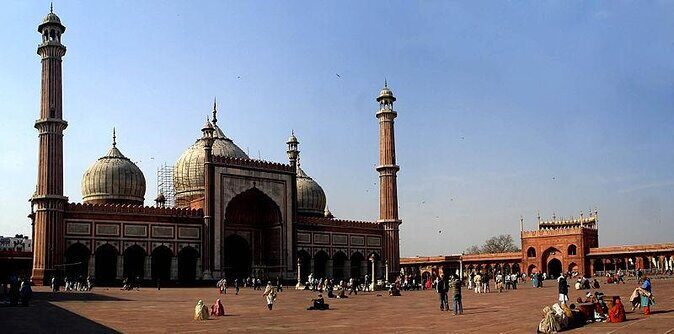
- Jama Masjid visit with the Shah Jahan backstory (built 1644 to 1656)
- Chandni Chowk to Paranthe Wali Gali gives you market texture, fast
- Khari Baoli spice market and Dariba Kalan silver lanes show Delhi’s trade arteries
- Tuk tuk and rickshaw hops help you cover ground without fighting traffic the whole time
Old Delhi in a Half Day: What the Small-Group Format Really Gives You

Old Delhi is famous for being overwhelming. Not because it lacks beauty, but because it moves fast: tight lanes, constant shop activity, and a lot to notice at once. This tour’s format helps you read the place instead of just getting pulled along.
You’re kept in a small group capped at 15, and that changes the experience. You’re more likely to hear the explanation clearly, ask questions, and regroup when streets narrow. It also makes the timing workable for a 3 to 4 hour window, which is long enough to see the main religious and trade stops, but short enough that you’re not burnt out.
I also like that the tour blends transport modes. You’ll use an air-conditioned private vehicle between major points, then shift into rickshaw and tuk tuk rides as needed. That keeps you from spending the whole morning stuck in slow-moving traffic or trying to navigate on your own while dodging bikes, carts, and pedestrians.
The goal is simple: you come away with a mental map. Not just a list of places, but a sense of how Jama Masjid anchors the area, how Chandni Chowk funnels commerce, and why places like Khari Baoli feel like a wholesale engine.
You can also read our reviews of more walking tours in New Delhi



Getting From Hotel to Jama Masjid in A/C Comfort
The tour includes door-to-door hotel transfers, and you’re picked up in an air-conditioned vehicle. That matters in Delhi. Even when you plan well, travel days get eaten up by heat and waiting. Starting with A/C and bottled water keeps your morning from turning into damage control.
You also get a mobile ticket, which is a small thing that helps. In practical terms, it reduces scrambling and keeps your focus where it should be: arriving at the first stop ready to look up, not at your phone, not at paperwork.
The private transportation setup is designed for movement. Old Delhi isn’t built for large vehicles, so the car gets you to the right edges, and then you switch to rickshaw or tuk tuk for the last stretches. This is one of those details you’ll appreciate more the closer you get to the markets, where traffic logic stops making sense and lane-wideness becomes the main rule.
Jama Masjid: Shah Jahan’s Grand Mosque and the Camera Detail
Your first major stop is Jama Masjid, one of India’s largest mosques. It was built by Mughal Emperor Shah Jahan between 1644 and 1656, with a construction cost of 1 million rupees. Even if you’ve seen big mosques before, this one has a different scale and presence because of how it sits within the Old City.
You’ll spend about 45 minutes here. Admission is not included, and camera fees may apply, so it’s worth being ready for that. If you’re the type who always wants photos, factor that extra cost into your plan. If you travel light and want fewer hassles, you can still enjoy the architecture and the views without turning this into a pay-at-the-gate headache.
What I like about opening with Jama Masjid is that it sets the emotional tone for the rest of the route. After this, you’ll understand why the nearby streets feel like a city inside the city. The market energy of Chandni Chowk makes more sense when you first see the religious centerpiece that shaped the surrounding neighborhood.
Also, you’ll likely get context beyond dates and facts: how the area developed, how people move through the space, and what you’re looking at when you see entrances, courtyards, and surrounding structures. Guides such as Tariq and Adeel are known for giving a clear, fast explanation—like a crash course you can actually use.
Chandni Chowk to Gali Paranthe Wali: Market Navigation Skills, Not Just Shopping
Next comes Chandni Chowk, often treated like a list of famous shops, but it’s more useful as a place to learn how Old Delhi trades. You’ll have about 30 minutes in the area, and the focus is on the sights you’ll realistically enjoy in a short stop: spices, dried fruit, silver jewelry, and textiles like vivid saris.
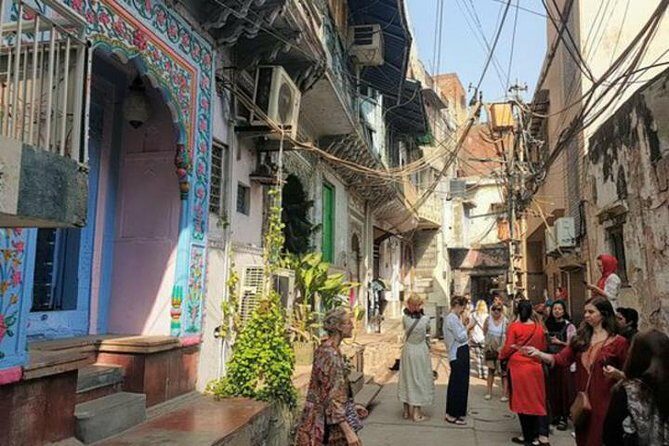
One of the most useful details here is the small street rhythm. The narrow side streets are crowded with tiny shops, including ones selling essential oil. This is where the tour helps you. Without guidance, it’s easy to get lost in sheer variety. With a guide, you notice patterns: what’s clustered, what’s valued, and how product types connect to the bigger market zone.
Then you’ll step into Gali Paranthe Wali, a narrow lane known for paratha shops. The stop is short, about 15 minutes, but that’s intentional. It’s enough time to understand what the street is famous for and how locals treat it as a daily food stop, not a tourist performance.
If you want value here, keep expectations practical. This part is not about buying everything. It’s about learning how Delhi feels at street level. If you do buy something, buy what you can carry comfortably and confirm what you’re paying for before you hand over cash—market bargaining is part of the culture, but rushing is what turns deals sour.
Khari Baoli: The Wholesale Spice Market Feel You Can’t Recreate Alone
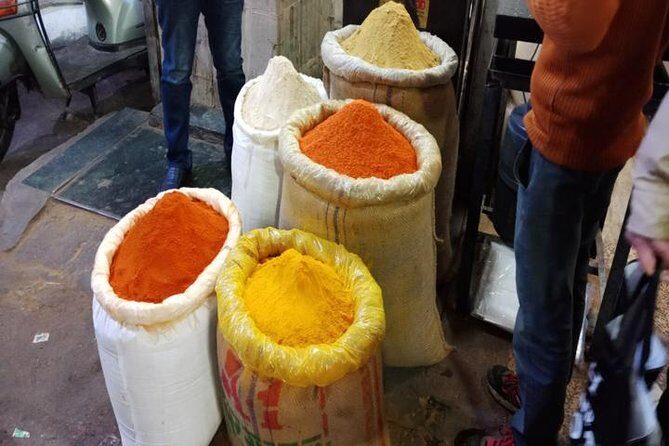
Khari Baoli is a street-level lesson in how wholesale commerce works in Delhi. You get around 30 minutes here, and the focus is its role as Asia’s largest wholesale spice market. You’ll see spices, nuts, herbs, and food products like rice and tea.
This is a stop I’d personally put in the category of Delhi that you can’t fake with a single photo. The scale of trading, the variety of goods, and the practical intensity of it all makes it feel like the city’s supply chain is right there in front of you.
Why it’s valuable on a heritage walk is that it’s not just a shopping detour. Markets are part of the city’s history, because they reflect migration, trade routes, and changing tastes over centuries. When you understand that, you see beyond souvenirs.
One practical note: because it’s wholesale, the place can feel crowded and busy. The tour’s small-group setup and guide-led timing helps you move through without getting swept into slow bottlenecks.
You can also read our reviews of more historical tours in New Delhi






Dariba Kalan: Silver Stalls, Persian Word Origins, and Trade Stories

After Khari Baoli, you’ll visit Dariba Kalan, with about 30 minutes there. This area is known for gold and silver stalls, and the name has a Persian origin. It comes from the Persian phrase Dur-e be-baha, meaning a peerless or unmatched pearl, and “Kalan” means big. There’s also a smaller nearby street known as Dariba Khurd or Chhota Dariba.
That name detail matters because it gives you a quick link between language and commerce. People don’t preserve old street names by accident. They carry trade memories forward—what was valued, who traded, and what the area became known for over time.
If you’re hoping for Instagram-friendly storefronts, you’ll likely find them. But the better reward is the context: why these items are clustered here, how the trade identity shaped the street, and how the neighborhood’s different markets connect.
Naughara: Nine Homes—or Nine Pots of Water
You’ll make a stop at Naughara, about 25 minutes. The name literally translates to nine homes, though one conflicting origin explains it as nine pots of water kept out for thirsty travelers. Either way, it’s a small stop that explains how Old Delhi solves real-life needs in its street design.
This is one of those heritage details that makes the whole walk click. Markets and mosques matter, but so does the infrastructure of everyday life: water, shade, and small community services that show up in street names.
When your guide frames it well, Naughara stops feeling random. It becomes a hint that the city’s history is not only grand monuments. It’s also the practical stories you can still read in the layout.
Guides, Tuk Tuks, and Staying Ahead of the Crowd
The quality of your morning will depend heavily on the guide, and that’s where this tour gets its strongest praise. Guides such as Tariq are described as professional, funny, and strong in English, with the kind of calm that helps you feel safe. Adeel and Rahis Kahn are also named for good logistics and clear explanations.
Look for what you’ll actually benefit from: navigating crowded lanes without feeling pushed, and making sense of what you’re seeing as you move. When a guide handles route decisions well, you’ll spend less time stopping randomly and more time focusing on the moment.
The tuk tuk and rickshaw rides are also part of that control. They let you cover distance and reduce the amount of time you’re stuck in the densest traffic pockets. It’s not a gimmick; it’s a practical tool for getting you to each sight inside a 3 to 4 hour window.
Price and What You’re Really Paying For at $24
At $24 per person, this tour is priced like a value play—especially because several costs are wrapped in. You get air-conditioned vehicle time, private transportation, bottled water, and GST included in the total price.
What’s not included is also important. Lunch is not included, and admission ticket for Jama Masjid is not included. Camera fees in Jama Mosque are not included either, which can matter if photography is a priority for you.
When I think about value, I compare this to the cost of doing it your own way:
- If you hire transport repeatedly through Old Delhi on your own, you may spend more than you expect.
- If you enter key sights without an organized plan, you may spend time figuring out where to go next, which is the hidden cost on a half day.
This is a good bargain if you want a structured route, not if you already know Old Delhi cold and you’re comfortable stitching together transport and entry tickets by yourself.
Practical Tips So the Morning Feels Smooth
A half-day in Old Delhi is fast. Your best moves are the boring ones.
- Bring a light layer. Heat and air-conditioning bounce can make you feel off if you’re dressed for only one climate.
- Plan for extra cash for places where admission or camera fees apply.
- Keep an eye on time. This tour runs around 3 to 4 hours, so there isn’t much slack for long detours.
- Expect crowding at market stops. That doesn’t ruin the tour; it just means you’ll want a guide-led pace.
Also, remember the tour runs as a “good weather” experience. If weather turns, you’ll be offered a different date or a full refund, so it’s a booking you can feel okay about.
Should You Book This Old Delhi Heritage Walk?
If you’re short on time in New Delhi and want Old Delhi to make sense quickly, I think this is a smart choice. The blend of Jama Masjid, Chandni Chowk, and wholesale markets like Khari Baoli gives you both the monument and the everyday commerce side of the city—without eating your whole day.
Book it if:
- you like guided context more than wandering alone
- you want A/C transport plus rickshaw/tuk tuk hops to save energy
- you prefer small-group attention over large tour chaos
Skip it or choose a different option if:
- you hate walking in crowded streets
- you mainly want unstructured shopping time and fewer guided explanations
- you’re strongly focused on Jama Masjid photography and don’t want to deal with possible camera fees
Overall, this tour is one of the better ways to get your bearings in Old Delhi while still seeing the places that matter.
FAQ
How long is the Old Delhi heritage walk with tuk tuk rides?
It runs about 3 to 4 hours.
What is the group size?
The group is capped at 15 visitors.
What’s included in the price?
You get bottled water, air-conditioned vehicle transport, private transportation, and GST.
What is not included?
Lunch is not included. Jama Masjid admission ticket fees are not included, and camera fees in Jama Mosque are also not included.
Does the tour offer pickup?
Yes. Pickup is offered, including door-to-door hotel transfers.
Is the tour suitable for most travelers?
Most travelers can participate, and it’s noted as near public transportation.
What happens if the weather is bad?
The experience requires good weather. If it’s canceled due to poor weather, you’ll be offered a different date or a full refund.