REVIEW · NEW DELHI
3-Day Private Golden Triangle Tour to Agra and Jaipur from Delhi
Book on Viator →Operated by Namaste Jaipur Tours · Bookable on Viator
Golden Triangle, done with less stress.
This private 3-day car-and-driver trip is built for first-time North India visitors who want the big sights without wrestling train times. I like that you get a private taxi for the Delhi–Agra–Jaipur moves, plus a professional guide time in Agra and Jaipur that helps you understand what you’re seeing. You’ll also spot standout guide names in this kind of service, like Sohil in Agra and Sony, Hasan, and Abid in Jaipur, which usually signals a more personal day.
One thing to plan for: monument entry fees and some on-site charges are typically not included in the core price. On Friday, the Taj Mahal is closed, so the day order flips and you’ll start with Jaipur instead of Agra.
In This Review
- Key things to know before you go
- Why this Delhi–Agra–Jaipur private taxi tour is a smart shortcut
- The pace: how 3 days feel when you’re driving between three cities
- Taj Mahal and Agra Fort: your first UNESCO hit in Agra
- Baby Taj (Itmad-ud-Daula) for the slower, more detailed mood
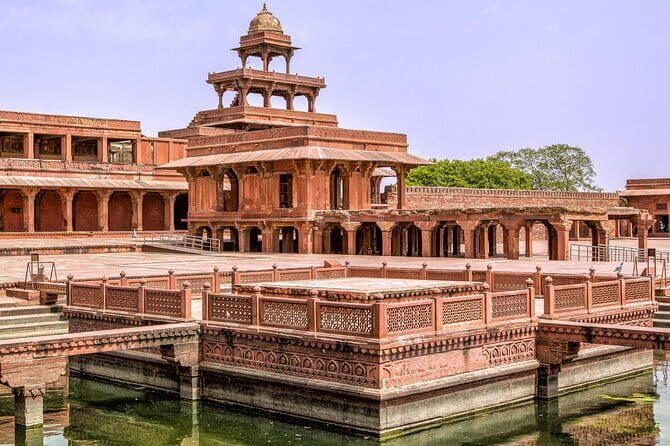
- Fatehpur Sikri: Akbar’s former power city near Agra
- Chand Baori’s 3,500 steps: the photo stop you’ll actually talk about later
- Jaipur arrival: a real hotel moment before you hit the landmarks
- City Palace, Jantar Mantar, and Hawa Mahal: Jaipur in landmark form
- Royal Gaitor Tombs and Jal Mahal: the shorter stops that still land
- Guides and drivers: where this tour earns its near-perfect ratings
- Price and value: what you’re paying $204.11 per person for
- Practical planning tips that fit this exact plan
- Should you book this Golden Triangle private tour?
- FAQ
- How long is the 3-Day Private Golden Triangle Tour?
- What cities are included in this Golden Triangle route?
- Does the tour include hotel stays?
- Are monument admission tickets included?
- Is this tour private?
- Can I get a full refund if I cancel?
Key things to know before you go

- Private car-and-driver time keeps you on your schedule instead of chasing buses or trains.
- Guides in Agra and Jaipur help you get meaning, not just photos, especially at UNESCO sites.
- UNESCO-first route with Taj Mahal, Agra Fort, and Fatehpur Sikri on the plan.
- A great “scale day” stop at Chand Baori, the ancient stepwell with 3,500 steps.
- Jaipur classics in one push: City Palace, Jantar Mantar, and Hawa Mahal, plus quick views of Gaitor and Jal Mahal.
- Budget extra for admission because many stops list tickets as not included.
Why this Delhi–Agra–Jaipur private taxi tour is a smart shortcut
North India’s Golden Triangle is famous for a reason, but moving between Delhi, Agra, and Jaipur can be the painful part. This tour tackles the main friction: you’re not coordinating public transport with luggage, heat, and ticket lines. You’re in a car with a driver, and that alone turns a tough route into a manageable one.
I also like how the tour is structured around guided time where it matters most. You’ll have a professional tour guide in Agra and Jaipur, so the Taj Mahal and Jaipur’s landmark architecture don’t feel like random sightseeing. For people who enjoy storytelling and context, this is a big value.
The other plus is flexibility. Because it’s private (only your group), you’re not stuck waiting for strangers to finish buying snacks, switching seats, or rethinking photo angles.
You can also read our reviews of more private tours in New Delhi



The pace: how 3 days feel when you’re driving between three cities
Agra is about 220 km from Delhi, usually around 3.5 hours by road, so day one is a real travel day plus sightseeing. After you arrive in Agra, you’ll check into your hotel, then head out for the core monuments. Expect a full day with a mix of guided walking and time to linger.
On day two, you’ll move again—this time out to Fatehpur Sikri and then onward toward Jaipur. That means fewer long breaks, but it also means you don’t waste a day doing only transfers.
Day three is mostly Jaipur monuments clustered together. You’re still on the go, but it’s a smoother kind of day because the stops are in one city with short jump times between them.
If you’re the type who likes to see a lot, this works. If you prefer slow travel, you might find the daily schedule a bit tight because the tour is designed to hit major sights in limited time.
Taj Mahal and Agra Fort: your first UNESCO hit in Agra
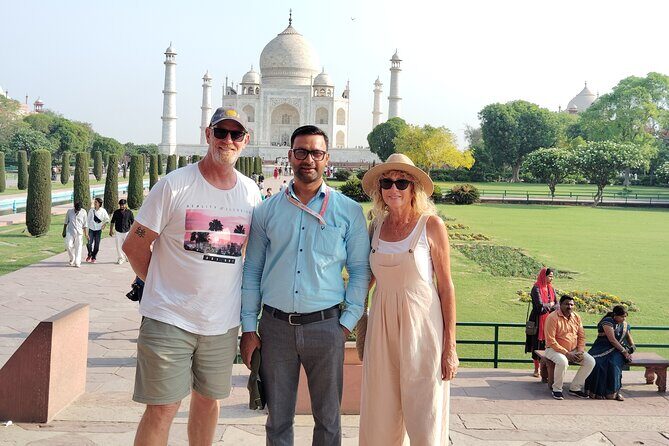
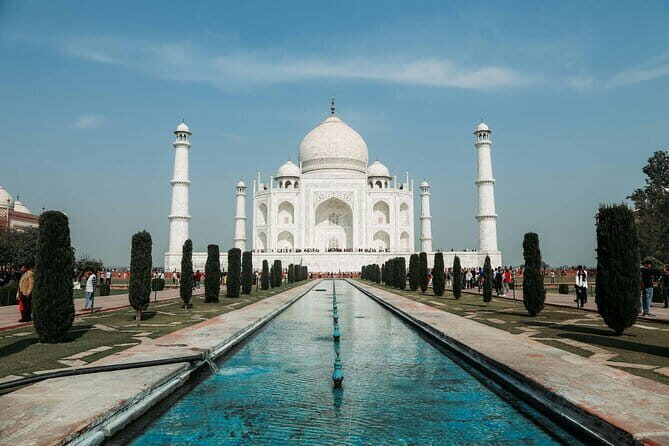
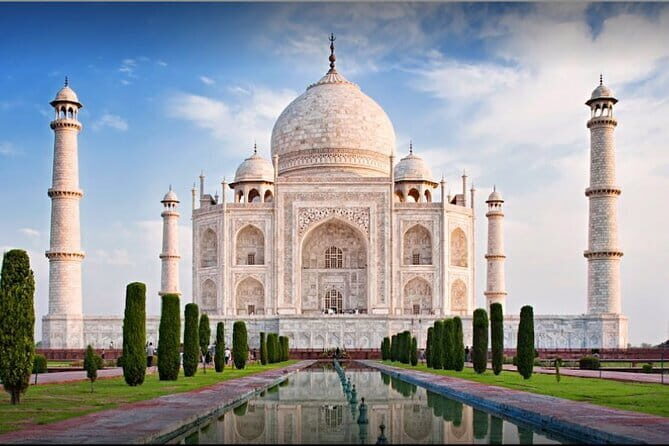
Agra is where the Golden Triangle reputation gets real. After your drive and hotel check-in, your spotlight stop is the Taj Mahal, a UNESCO World Heritage site. In the guided visit, you’ll focus on the white marble look, the intricate inlay work, and the overall architecture—exactly the kind of details that are easier to appreciate with a guide.
Just as important: Taj Mahal admission is not included, so you should budget for the ticket cost separately. The guide time is part of the value, but entry fees still come out of your pocket.
Next up is Agra Fort, another UNESCO World Heritage site and a massive red sandstone fortress. It was built in the 16th century by Emperor Akbar and served as the primary residence of Mughal emperors. The guided hour here gives you the chance to connect what you’re seeing to the power center it used to be.
If you love variety in one day, Agra Fort adds a very different vibe from the Taj. The Taj is symmetry and elegance; the fort is scale, defense, and imperial presence.
Baby Taj (Itmad-ud-Daula) for the slower, more detailed mood
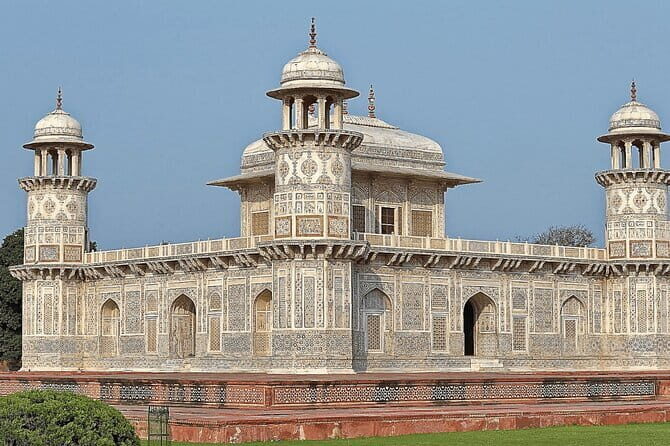
Right after Agra Fort, you’ll have time for Itmad-ud-Daula, sometimes called the Baby Taj. This Mughal mausoleum is treated as a precursor to the Taj Mahal, and the architecture is known for its beauty and fine detailing.
The tour gives you around an hour here, which is the right length for a place like this. You get enough time to notice details without feeling rushed, but you’re not trapped in a long stop that drains your energy for the rest of the day.
Admission for Itmad-ud-Daula is also listed as not included, so plan for that. This is one of those sites where paying attention to the guide’s explanation can make the difference between quick pictures and real understanding.
Fatehpur Sikri: Akbar’s former power city near Agra

Day two begins with Fatehpur Sikri, another UNESCO World Heritage site. It was constructed by Emperor Akbar in the late 16th century and once served as a Mughal capital, so you’re not just visiting ruins—you’re walking through a former administrative and royal center.
In this plan, Fatehpur Sikri is listed with admission ticket free. That’s a nice budget break, and it also makes it easier to say yes to staying a bit longer if the guide points out key areas worth focusing on.
The fort/city layout can be a bit of a brain-burner without context, so the guide help matters here. You’ll get the bigger picture faster, which helps you enjoy the site instead of just trying to “figure it out.”
You can also read our reviews of more tours and experiences in New Delhi





Chand Baori’s 3,500 steps: the photo stop you’ll actually talk about later
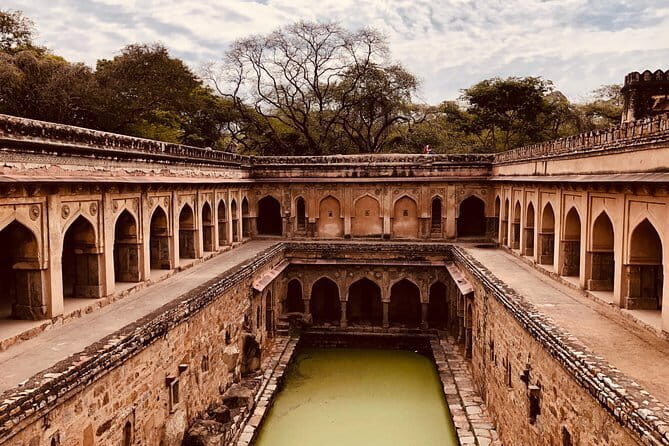
After Fatehpur Sikri, the next stop is Chand Baori in Abhaneri. It’s an ancient stepwell built in the 9th century, known for 3,500 narrow steps and its geometric precision.
This is the kind of place where the shape does the work. From different angles, the step patterns create strong visual lines, and it’s one of those sights where you’ll likely want a minute just to look, not just shoot.
Admission for Chand Baori is listed as not included. Also, because it’s a stepwell, wear shoes that feel secure on uneven surfaces. The walking is short, but the steps and angles are not made for slippery feet.
Jaipur arrival: a real hotel moment before you hit the landmarks
Once you leave the Abhaneri area, you’ll drive to Jaipur. After arrival, you’ll be dropped off at your hotel, giving you time to reset.
I like this built-in breathing space because Jaipur sightseeing is more comfortable when you’ve had a chance to freshen up. If you plan to shop later, this is also a good moment to get oriented before you head back out.
Admission is listed as free for Jaipur during the transfer window, but your main monument visits on day three are ticketed separately.
City Palace, Jantar Mantar, and Hawa Mahal: Jaipur in landmark form
Jaipur day three hits several of the city’s most recognizable monuments, and the tour keeps things moving in a way that feels efficient rather than chaotic.
Start with the City Palace, an 18th-century complex created by Maharaja Sawai Jai Singh II. It’s known for a blend of Rajput, Mughal, and European architectural styles, so you’re not only looking at one tradition. The guide time here helps you read the buildings as parts of a single royal story.
Next is Jantar Mantar, an 18th-century astronomical observatory. You’ll see 19 architectural astronomical instruments designed to measure time and make predictions. Even if you’re not a science person, it helps to have a guide explain how the structures function, because many people miss what they’re for when they just treat it like another viewpoint.
Then comes Hawa Mahal, the Palace of Breeze. It’s the pink sandstone crown-shaped façade built in 1799 by Maharaja Sawai Pratap Singh. Even with short time here, the visual impact is real, and the guide can point out why it’s designed the way it is.
All of these Jaipur monument stops list admission ticket as not included. That’s the main cost factor on this day, so it’s smart to keep a little extra cash or card ready.
Royal Gaitor Tombs and Jal Mahal: the shorter stops that still land
After the big Jaipur icons, you’ll have a set of shorter sights that give variety.
Royal Gaitor Tombs are cenotaphs dedicated to the Kachwaha rulers, in the Aravalli hills. The tour description emphasizes intricate Rajput architecture and delicate marble work, which is the kind of craft that benefits from a guided explanation.
Then you’ll reach Jal Mahal, the Water Palace, in the middle of Man Sagar Lake. It’s a five-story palace built in the 18th century, with Mughal architecture blending with the surrounding waters. Admission for Jal Mahal is listed as free, and the stop is short (about 15 minutes), so treat it as a quick visual break and photo moment rather than a long museum style visit.
Guides and drivers: where this tour earns its near-perfect ratings
This is one of those tours where the people really matter. The strongest praise connects to the guide and driver dynamic—safe driving, smooth pacing, and extra care when details go sideways.
Names that show up as standouts include Sohil and Vakil (driver praise and extra helpfulness in Agra), plus guides like Aneesh and Sony in Jaipur. You’ll also see Hasan and Abid called out for being helpful and knowledgeable, and in at least some Jaipur service, Bablu and Raj get praised for making the day feel fun and story-driven.
The practical takeaway for you: when the guide is good, the day moves faster and feels more meaningful. A great guide doesn’t just point. They help you understand what’s worth your time, and they make monument rules and local realities easier to handle.
Price and value: what you’re paying $204.11 per person for
At $204.11 per person for about three days, this package is less about luxury and more about removing friction. Your money goes toward private transportation between cities, fuel and toll coverage, and—big deal—professional guiding time in Agra and Jaipur. You also get two breakfasts, plus pickup and drop-off from your hotel, airport, or railway station.
A lot of similar tours get expensive once you add private car costs. Here, the car-and-driver package is the core engine, so the price can feel fair if you’d otherwise pay for separate transport and ticket-line chaos.
But don’t ignore what’s not included. The tour lists tips, meals, and monument admissions as not included. Taj Mahal and multiple other key sites show admission not included, so your final out-of-pocket cost can climb depending on how many paid entries you add.
If you’re traveling as a small group, this private setup can be especially good value. The bigger the group, the easier it is to split the private vehicle cost. If you’re solo, it can still be worth it if you strongly prefer convenience.
Practical planning tips that fit this exact plan
A few details matter on this route.
Taj Mahal closure on Fridays: the Taj is closed on Friday, and the tour starts by traveling from Delhi to Jaipur first. That’s not bad news; it just changes the flow of your days, so plan your expectations around the order.
Bring a little extra flexibility for entry fees: several monuments in Agra and Jaipur list tickets as not included. If you budget for admissions up front, you won’t feel caught off guard mid-day.
Group size matches the car type: the tour offers different vehicle sizes. An economy sedan like Toyota Etios/Dzire fits 1–3 passengers, while an Innova/Crysta or Ertiga fits 4–6. Tempo Traveller or minivan is listed for 7–10. If you’re traveling with family or friends, it helps to choose the vehicle that keeps everyone comfortable and luggage-friendly.
Use the guide’s time well: the guided portion is where you’ll get the most value at Taj Mahal, Agra Fort, City Palace, and Jantar Mantar. Ask questions, take a slower look when the guide is talking, and you’ll feel the difference in understanding.
Should you book this Golden Triangle private tour?
Book it if you want a clean, first-timer-friendly route that reduces stress. You’ll like the private car moves, the guided monument focus in Agra and Jaipur, and the fact that the tour is designed to fit a short visit without you doing the hard logistics.
Skip or double-check this tour if your priority is long, slow museum time or if you don’t want to handle additional monument entry fees. Also, if you’re only interested in one or two sites, the ticket costs might feel heavy compared to a more focused day trip.
If you fall in the middle—wanting the classics, but also wanting the day to run smoothly—this is a strong match. The route is straightforward, the guiding support is part of the value, and with the right mindset (and some extra cash for admissions), you’ll leave with a very complete Golden Triangle snapshot.
FAQ
How long is the 3-Day Private Golden Triangle Tour?
The tour is listed as approximately 3 days.
What cities are included in this Golden Triangle route?
It runs between New Delhi, Agra, and Jaipur, with pick-up and drop-off in Delhi.
Does the tour include hotel stays?
Hotels/accommodations are included if you select the option during booking.
Are monument admission tickets included?
Not all of them are. The Taj Mahal, Agra Fort, Itmad-ud-Daula, and several Jaipur attractions list admission as not included, while Fatehpur Sikri and Jal Mahal are marked as free in the plan.
Is this tour private?
Yes. It’s a private tour/activity, and only your group participates.
Can I get a full refund if I cancel?
Free cancellation is offered. You can cancel up to 24 hours in advance for a full refund.