REVIEW · NEW DELHI
Vegetarian : Private Cooking Class in Delhi home ( Learn 7 meal)
Book on Viator →Operated by Indian Food Cooking Class · Bookable on Viator
Cooking in a home kitchen beats a classroom.
This private vegetarian experience is built around learning Indian spices and cooking techniques in a local family setting in New Delhi, with the meal ending right where you cook. You can choose a lunch or dinner class, and you’ll get personalized guidance as you make dishes like dal, aloo gobi, and roti.
What I like most is how practical the teaching feels. I love that you start with snack-time spices—masala tea or lassi plus a snack like mix vegetable pakora with mint sauce—so you’re not stuck waiting until the main dishes. And I especially like that the host, Preeti, is attentive and explains in a way you can actually repeat later at home (she also sends recipes afterward, which is a big win).
One consideration: you’re going to cook and eat within a set time window (about 3 hours), so come hungry and ready to focus. Also, it’s not a hotel pickup/drop, so plan on getting yourself to the meeting area on time.
In This Review
- Key things to know before you go
- A Delhi Home Kitchen Lesson in Vegetarian Indian Cooking
- Choosing Lunch or Dinner, Vegetarian or Vegan
- The 3-Hour Rhythm: Snacks First, Then Main Courses
- What You’ll Cook: The 7-Meal Menu (And What Each Part Teaches)
- Snacks: Pakora Plus Mint Sauce
- Curries and Lentil Staples
- Rice and Bread: The Pairing Skills
- Spices in Plain Language: What to Watch While You Cook
- Preeti’s Teaching Style and Why It Matters
- Where You Meet and How to Plan Your Arrival
- Price and Value: Why $47 Works Here
- Who This Vegetarian Cooking Class Suits Best
- Should You Book This Delhi Vegetarian Cooking Class?
- FAQ
- Is this cooking class vegetarian?
- Can I choose lunch or dinner?
- How long is the class?
- What dishes are included in the class?
- Is hotel pickup and drop included?
- Is the class private?
- Where do I meet for the activity?
- What is the cancellation policy?
- Are drinks included?
Key things to know before you go
- Private class in a Delhi home with only your group participating
- 7-meal format with a mix of snacks, curries, bread, and rice
- Spice-focused start before you touch the stove
- Vegetarian or vegan-friendly menu choice depending on what you book
- Preeti’s hands-on instruction and follow-up recipes after class
A Delhi Home Kitchen Lesson in Vegetarian Indian Cooking
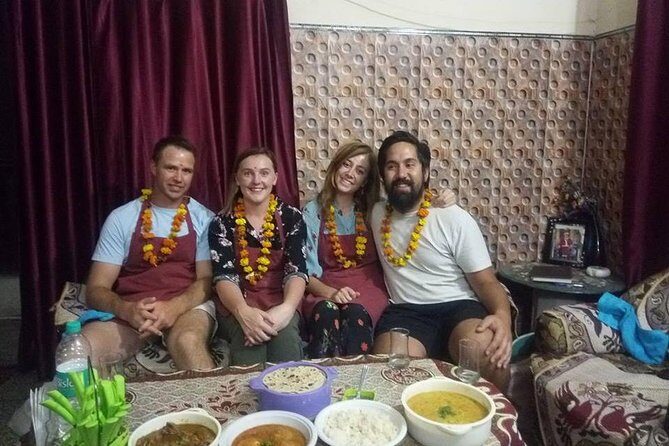
If you want the kind of food trip where your hands learn as much as your head, this class is the right direction. In New Delhi, you’ll step into a local family home and cook your way through a vegetarian menu, learning why each spice shows up, what it does, and how it changes the flavor of lentils, potatoes, and flatbread.
The most reassuring part is the structure. You’re not thrown a random recipe list. You get a clear flow: a welcome, an explanation of spices, snacks to start, then the main course and the bread-and-rice portion. You end by sitting down to eat what you cooked, which turns the experience into a meal with context—not just a demo.
And yes, it’s tailored. This is billed as private, so you’re not squeezing into a big group where you can’t ask questions. Preeti’s teaching style comes through in the way she explains steps and keeps things moving. If you have questions about spice balance or how something should look during cooking, that’s where a private setup helps.
You can also read our reviews of more private tours in New Delhi



Choosing Lunch or Dinner, Vegetarian or Vegan
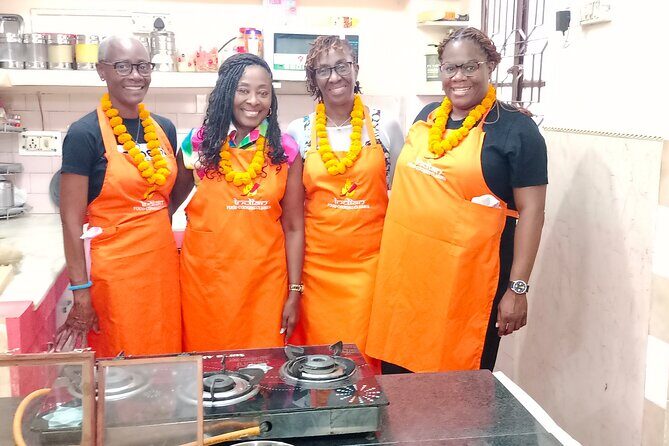
One of the smart perks here is choice. You can pick lunch or dinner, and you can select a vegetarian or vegan menu. That matters more than it sounds, because Indian cooking often “switches” easily between versions when the base technique stays the same.
If you’re vegetarian, you may see ingredients like paneer in the menu. If you’re vegan, the class is designed to work without dairy, while keeping the same idea of hearty curries, warming spices, and satisfying bread and rice.
What I’d do in your shoes: choose the timing that matches your energy. A dinner class can feel like a relaxing wind-down after sightseeing. A lunch class can be a perfect anchor meal before you head out again. Either way, you’re planning your day around a real local sit-down meal you help create.
The 3-Hour Rhythm: Snacks First, Then Main Courses
The class runs about 3 hours, and it follows a very usable pace. Here’s what that rhythm looks like.
First, you arrive and get welcomed into the home setting. Then you start with a spice explanation—this is where you learn what you’re about to use and why. It’s not just names. You’ll connect spices to the flavor and the role they play in the cooking.
Next comes the first cooking session for snacks. You’ll make snack items such as mix vegetable pakora, and you’ll pair them with masala tea or lassi (you choose whichever is offered as part of the class). You’ll also get mint sauce, which is the kind of finishing touch that makes snacks taste complete.
After that, you move into the main course portion with multiple dishes—typically 4 to 5 as part of the main segment—before wrapping up with bread and rice. The result is a full meal spread that feels like a proper Indian lunch or dinner, not a few bites and done.
What You’ll Cook: The 7-Meal Menu (And What Each Part Teaches)
This experience is designed around learning a set of dishes that cover the key building blocks of North Indian vegetarian food. Even if you’re new, the sequence makes sense: you learn the flavor foundation in spices, then you practice it across curries, sides, and bread.
Snacks: Pakora Plus Mint Sauce
The snack portion gives you a quick win. Mix vegetable pakora teaches you how vegetables are coated and spiced before frying. It’s great for first-timers because the technique is straightforward and the payoff is immediate.
Mint sauce shows up as a cooling counterpoint. That contrast—warm spices plus something fresh and tangy—is a classic Indian balance. Learning this early helps you understand how to build a plate instead of just cooking one item.
You can also read our reviews of more cooking classes in New Delhi



Curries and Lentil Staples
You’ll work with curries that represent the heart of vegetarian Indian cooking. The included menu lists:
- Lentil (dal-style)
- Any paneer curry
- Any dry vegetable (seasonal)
- Plus more items from the full 7-meal set such as the kinds of dishes described like aloo gobi and other lentil-and-vegetable combinations
If you’re focusing on flavor at home, pay attention to how the spice mix changes depending on whether you’re cooking lentils, simmering paneer, or dealing with a dry vegetable. In classes like this, curry isn’t one technique—it’s multiple techniques that share a spice logic.
Rice and Bread: The Pairing Skills
A lot of cooking experiences stop once the curry is made. This one doesn’t. You’ll also learn:
- Cumin rice
- Indian bread (roti-style flatbread)
This is important because Indian meals are built in pairs. Rice is a vehicle for sauce. Bread is a tool for scooping and balancing textures. If you learn roti and rice in the same class, you’ll understand how to serve what you make.
Spices in Plain Language: What to Watch While You Cook
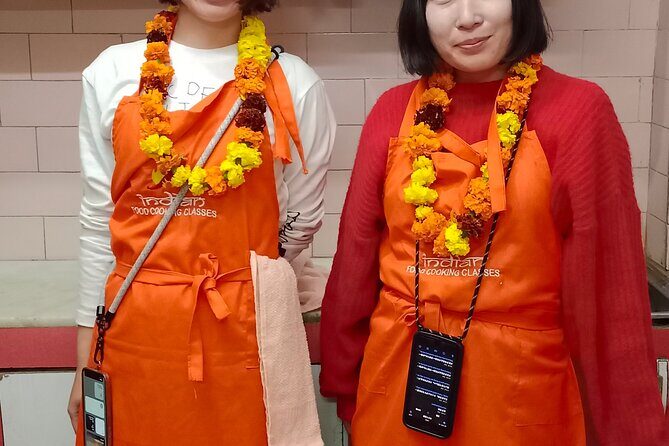
Spices can feel intimidating until someone makes them practical. The class starts with an explanation of spices, then keeps bringing those lessons into the dishes you’re making. That’s where the experience becomes useful after you go home.
Here are the types of things you’ll likely notice as you cook:
- How spices are layered so you don’t end up with one-note flavor
- How tempering or heating spices changes aroma
- How spice amounts affect heat and depth, especially in lentil-based dishes
- How certain spices work better in dry sides than in saucy curries
If you leave with one goal, make it this: learn what you’re tasting. When you can name the role each spice plays, you stop following recipes blindly. Then you can adapt to what you have in your pantry.
And since the host sends recipes afterward, you’ll have a bridge between what you learned in the kitchen and what you cook later. That follow-up is genuinely helpful for keeping your notes straight.
Preeti’s Teaching Style and Why It Matters
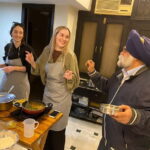
Preeti comes up in the feedback for a reason: she’s attentive and clear. In practice, that means she explains steps in a way you can follow, and she supports you while you’re actively cooking.
There’s also a personal touch in how people are helped around the start of the experience. One detail that stood out: her husband was kind enough to pick someone up and make the short ride from the metro to the class. You shouldn’t assume that exact help will always be offered, but it tells you this is run with real hospitality, not just a scripted tour flow.
For you, the takeaway is simple: ask questions. A private class is ideal for that. If something looks or smells different from what you expected, this is the moment to clarify before the pot is gone.
Where You Meet and How to Plan Your Arrival
You’ll meet at A1, 63 Hastsal Rd, near Sunil Dairy, Block A 1, Uttam Nagar, New Delhi, Delhi 110059, India. The class begins after you arrive, and the guidance is to be there 15 minutes early.
Transport note: the information provided says the pickup place is at Uttam Nagar West Metro station outside gate no. 4. But hotel pickup and drop are not included, so you’ll want to handle your own timing to reach the meeting point area.
What to wear: keep it casual. You’ll be in a home kitchen environment, so comfort matters more than style.
Price and Value: Why $47 Works Here
At $47 per person, you’re paying for two things: time with a cookery teacher and access to a home kitchen setup. The biggest value isn’t just the ingredients. It’s the structure—spices taught first, then multiple dishes cooked in sequence, then a sit-down meal that matches what you made.
A quick way to think about value:
- You’re learning a set of skills (snacks, curries, rice, bread), not just eating.
- You get personalization in a private setting.
- You likely leave with recipes you can use again, thanks to the host’s follow-up.
If you compare this to a ticketed cooking demo where you mostly watch, this feels more “hands-on for your money.” And because group discounts are available, it can be even better if you’re going with a friend or family member.
Who This Vegetarian Cooking Class Suits Best
This is a strong fit if you:
- Want a vegetarian Delhi food experience that’s not limited to one dish
- Prefer private instruction over a crowded group class
- Like learning spices in context, then using them immediately
- Want a cultural day that includes an actual meal, not just a cooking session
It’s also ideal for couples or small groups who want a calmer, more local-feeling activity. The home setting tends to make it easier to ask questions and adjust your approach as you cook.
If you’re a serious omnivore and hate vegetarian meals, you may find the menu less exciting. But if you’re open to vegetarian North Indian comfort food, you’ll probably leave with recipes you’ll cook often.
Should You Book This Delhi Vegetarian Cooking Class?
Book it if you want a practical food lesson you can repeat—starting with spice basics, moving through snacks, then finishing with curries, rice, and roti-style bread. The combination of private attention, a full meal outcome, and Preeti’s follow-up recipes makes this feel like real value, not a one-time gimmick.
Skip it only if you’re not comfortable with self-arranged arrival. There’s no hotel pickup/drop included, so you need to plan your route to the meeting area. Also, if you dislike cooking and just want to taste without hands-on time, you might prefer a different food tour style.
FAQ
Is this cooking class vegetarian?
Yes. It’s described as a vegetarian cooking class in a Delhi home, and the menu can be chosen as vegetarian or vegan.
Can I choose lunch or dinner?
You can choose between a lunch or dinner class when booking.
How long is the class?
It runs for about 3 hours (approx.).
What dishes are included in the class?
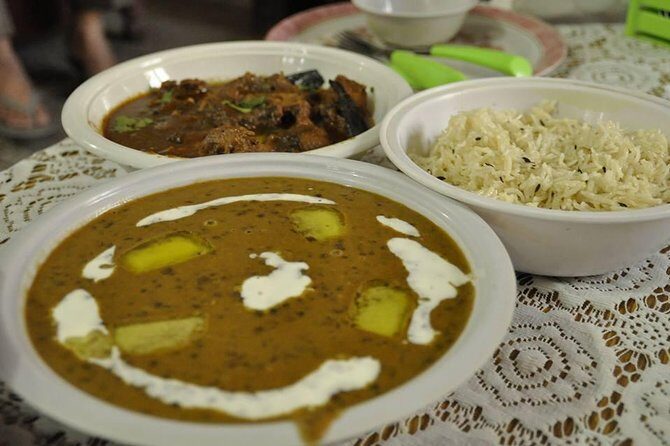
The included items list includes snacks and meal components such as mix vegetable pakora, mint sauce, any paneer curry, lentil, any dry vegetable (seasonal), cumin rice, and Indian bread, plus masala tea or lassi.
Is hotel pickup and drop included?
No. Hotel pick up and drop are not included.
Is the class private?
Yes. It’s listed as a private tour/activity, and only your group will participate.
Where do I meet for the activity?
The meeting point is A1, 63 Hastsal Rd, near Sunil Dairy, Block A 1, Uttam Nagar, New Delhi, Delhi 110059, India.
What is the cancellation policy?
You can cancel for a full refund if you cancel up to 24 hours in advance of the experience start time. If you cancel less than 24 hours before, there’s no refund.
Are drinks included?
Yes. You’ll get masala tea or lassi, with one of these included in the class.