REVIEW · NEW DELHI
New Delhi: Indian Cooking Class in a Local Home
Book on GetYourGuide →Operated by Explore Real India · Bookable on GetYourGuide
A family kitchen in Delhi beats a studio. This experience gives you a proper taste of how Indian home cooking is taught and eaten: by doing the work, asking questions, and then sitting down together to enjoy what you made. You get a small group setup (up to 10) and a real classroom feel, right in the home where the food gets cooked and shared, with air-conditioning and English-speaking guidance from JD.
I like two things most. First, you get instruction focused on spices and flavor logic, not just chopping or timed steps. Second, the payoff is practical: you end up making a full plate (main dish, rice, multiple breads, dessert) that many people say beats restaurant meals they’ve had in India.
One thing to consider is logistics. This is at a residential meeting point (R-142 GK-1, Bindra’s House), and transportation costs like metro/Uber aren’t included, so plan your route before you go.
In This Review
- Key things to know before you cook in Delhi
- A Delhi home kitchen instead of a cooking studio
- The meal you’ll cook: main dish, rice, breads, and dessert
- Spices you can taste: why timing matters in Indian cooking
- What you actually do during the 2.5 hours
- Meeting at R-142 GK-1 and handling the “home visit” feel
- Who’s teaching you, and what kind of guidance you get
- Group size, comfort, and the hands-on attention you’ll want
- Price and value: is $47 for 2.5 hours fair?
- Practical tips so you enjoy the class more
- Who should book this New Delhi cooking class?
- Should you book this New Delhi Indian cooking class in a local home?
- FAQ
- How long is the New Delhi cooking class?
- How much does it cost?
- Where do I meet the host?
- What meal items will I cook?
- Is this a small group?
- What languages are used for the live guide?
- What’s included in the price?
- What isn’t included?
- Is there free cancellation?
Key things to know before you cook in Delhi
- Family-home setting: You learn in a local kitchen, not a commercial cooking studio.
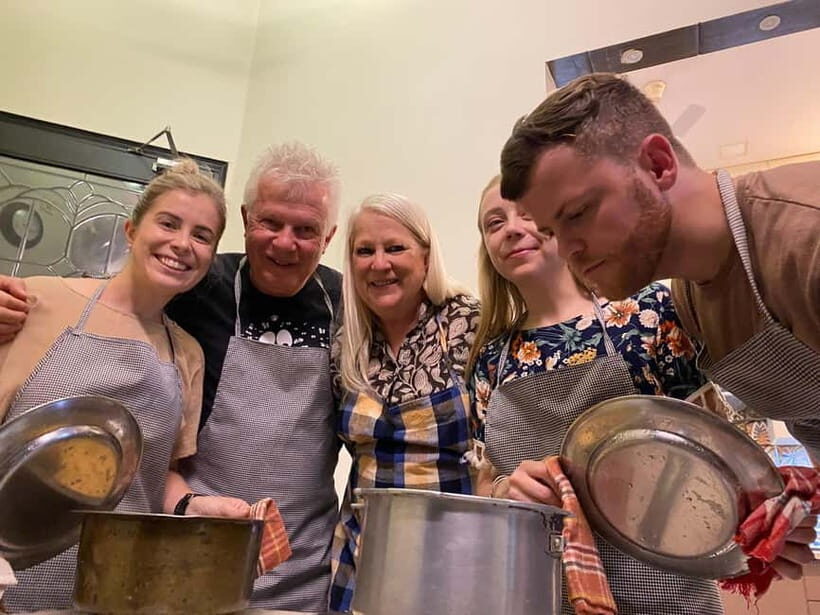
- Small group, up to 10 people: Easier hands-on attention and more conversation.
- Full meal format: Main dish, rice, breads, plus dessert, all made by you.
- Spice teaching with reasons: You learn when spices go in and why they change aroma and taste.
- Recipes and technique focus: You leave with confidence to recreate the dishes at home.
- Hosted with JD and family: Expect warm, personal hospitality with English support.
A Delhi home kitchen instead of a cooking studio
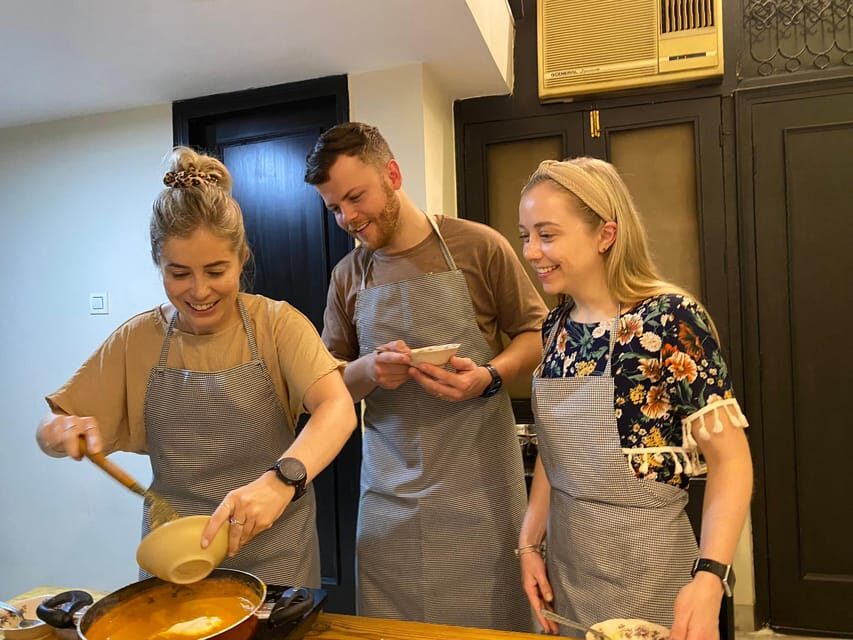
If you’ve taken cooking classes before and found them a bit scripted, this one feels more human. The whole class is built around a family kitchen in New Delhi, with JD hosting and his family involved in the welcome and teaching. You’re not watching someone else run the show while you stand on the sidelines. You’re working at the pace of a real meal being prepared for a household.
A big clue is how often guests mention fresh ingredients that were already prepped when they arrived. That doesn’t mean it’s low-effort. It means you spend your time cooking and learning, instead of standing around waiting for a knife lesson. Several reviews also describe the atmosphere as friendly and welcoming, with conversation that turns the class into a cultural exchange, not just a recipe factory.
You can also read our reviews of more cooking classes in New Delhi

The meal you’ll cook: main dish, rice, breads, and dessert
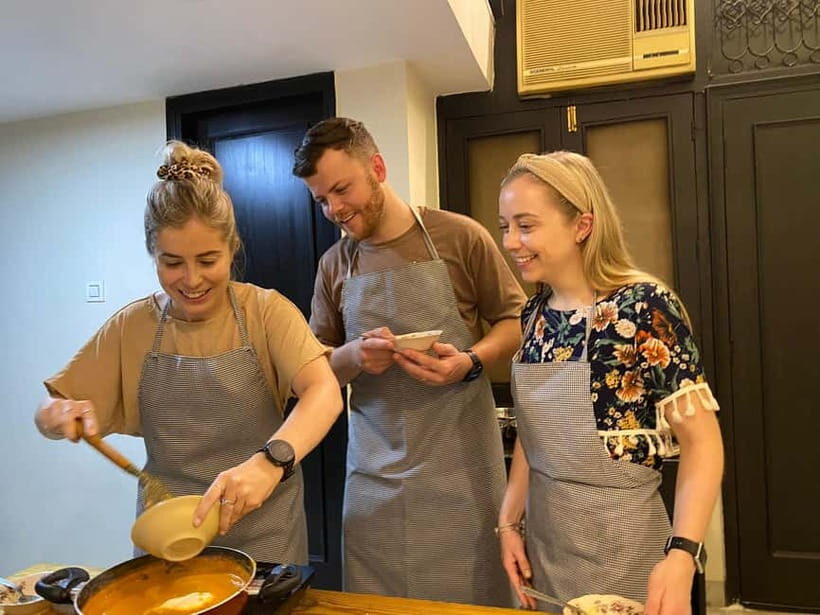
The class is designed around a complete Indian meal. The plan centers on one main dish, one rice dish, multiple breads, and a dessert. The overview calls out 3 bread types plus dessert, while different groups mention slightly different combinations. Either way, you should expect to leave with a realistic menu you can reproduce at home.
Here’s what the meal pieces generally look like:
- Main dish: Often a curry-style chicken or vegetarian curry, depending on the day and group choices. Many past guests specifically call out chicken curry.
- Rice dish: Reviews mention lemon rice as well as rice prepared for other dishes.
- Breads: You should plan on learning bread technique and making more than one kind. Guests commonly mention naan-style breads and different versions rolled or shaped during the session.
- Dessert: Rice pudding shows up in multiple reviews, which is a nice bonus because it uses different skills than curry and bread.
What makes this structure valuable is that Indian meals make sense as a system. If you only learn curry, your at-home result can be frustrating. Here, bread and rice teach you how spices, texture, and timing work together on the plate.
Spices you can taste: why timing matters in Indian cooking
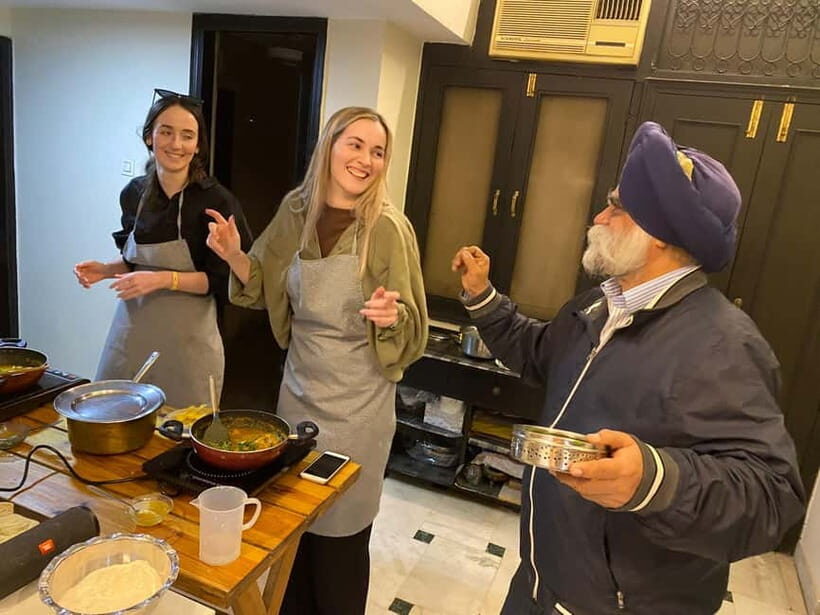
This class is at its best when it talks about spices as a flavor tool, not a list of ingredients. You’ll learn what different spices smell like, what they do to taste, and how they behave when heated. The teaching is also practical about timing: what goes in earlier to build depth, and what goes in later for aroma and finishing flavor.
One of the most repeated “aha” moments from reviews is about the final step in the curry. Guests describe tasting the curry before the last spices are added, then tasting again after. That second bite is a real lesson in how finishing spices can change the whole dish, even when the main base seems the same.
You’ll also hear discussion about the backstory of dishes and ingredient significance. That kind of context matters because it helps you remember techniques. You’re not just memorizing steps; you’re understanding why those steps exist in kitchens at home.
What you actually do during the 2.5 hours
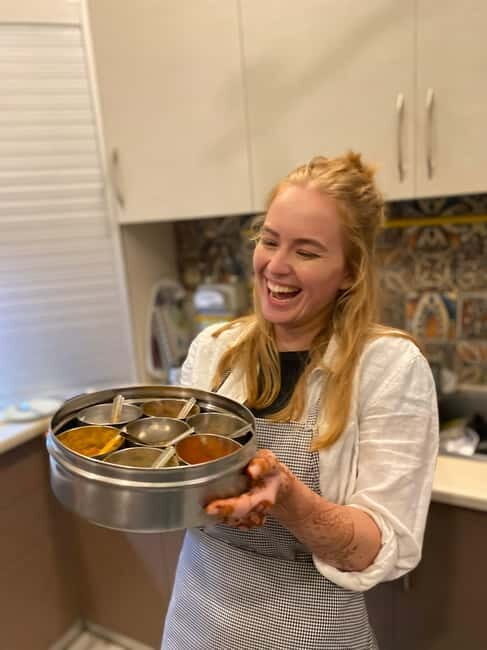
With a 2.5-hour duration, this is designed to move at a cooking pace. A theme you’ll see in the reviews is that a lot is happening at once, but it’s organized. Ingredients are prepared in advance, and then you jump into the hands-on work while JD explains what you’re doing and why.
A typical flow looks like this:
- Welcome and drinks: Several reviews mention masala chai served on arrival, sometimes alongside simple snacks like homemade cookies.
- Spice setup and early prep: You’ll see spices measured out, then you start using them as you cook.
- Bread work: You get hands-on practice shaping dough and managing the process for different bread types.
- Curry in steps: The curry is built in stages, with explanations at each step and tastings along the way.
- Rice and dessert work in parallel: Reviews mention multitasking across rice dishes and dessert like rice pudding, keeping the session active rather than slow.
- Group sit-down: You finish by eating together, chatting, and swapping ideas about culture and everyday life in Delhi.
Why this format works: it reduces the hardest part of cooking classes, which is translating what you watched into what you can do. When you stir, roll, taste, and adjust, your brain stores the process.
Meeting at R-142 GK-1 and handling the “home visit” feel
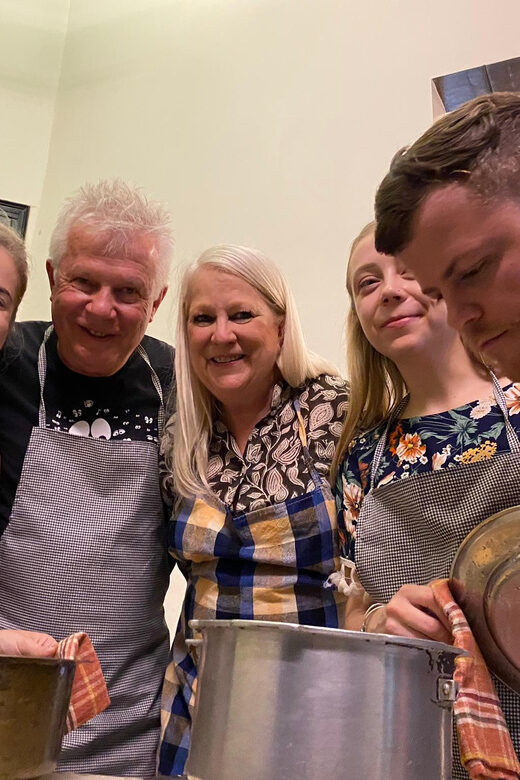
The meeting point is specific: R-142 GK-1 (Bindra’s House). Because it’s a residential location, you’ll want to arrive on time and with your navigation set. The class includes a separate entrance for skip-the-line style access, but you should still treat it like a house appointment, not a big-ticket venue.
The class also mentions restroom facilities and fully air-conditioned space. That’s not a small detail in New Delhi, where comfort can make or break your experience. Expect a practical setup designed for visitors to sit, learn, and cook without suffering through heat.
Also note the language support: the live guide works in English, Hindi, and Punjabi. If you’re comfortable with English, you’ll likely find the explanations very clear and teacher-led rather than generic.
You can also read our reviews of more tours and experiences in New Delhi






Who’s teaching you, and what kind of guidance you get
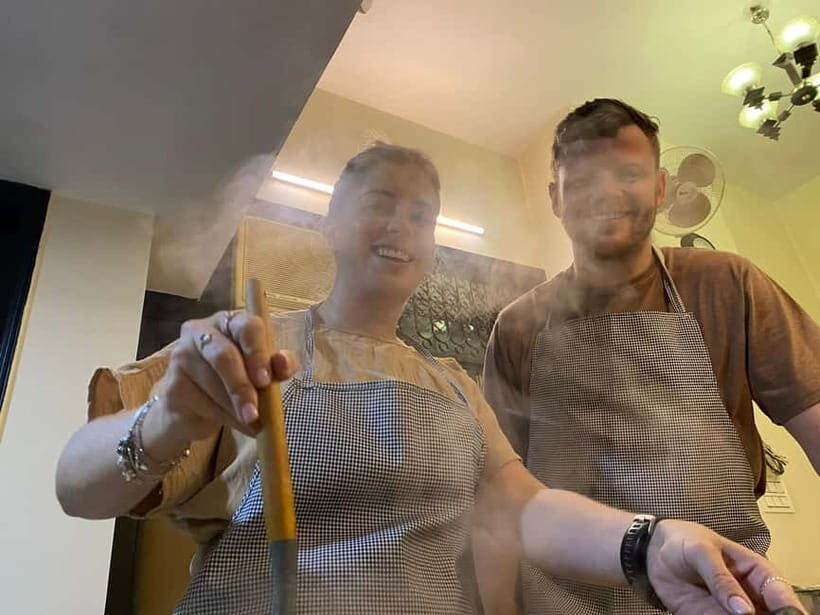
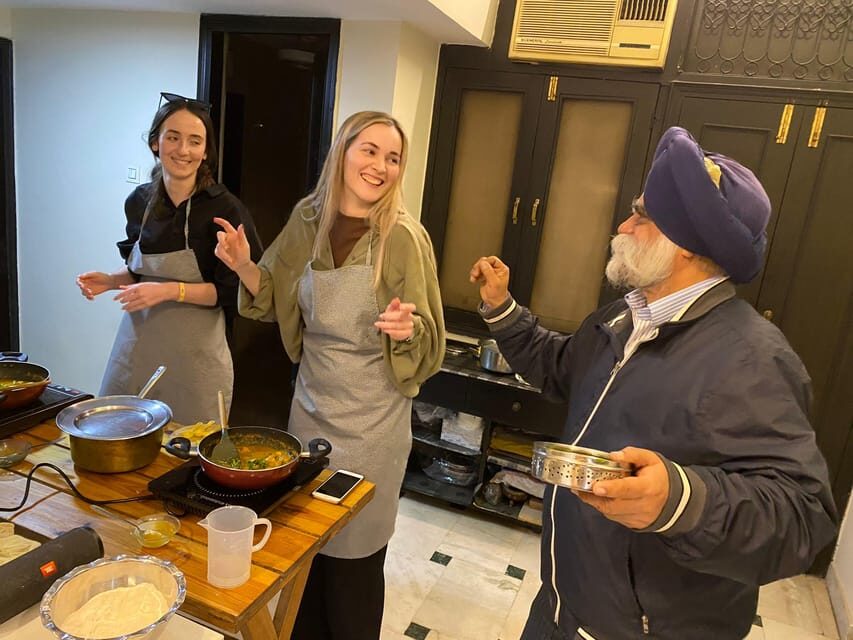
JD is the name that shows up again and again in reviews. People describe him as a friendly, patient teacher with very good English, plus plenty of personality. His father, Bindra, is also mentioned in multiple reviews as part of the welcome and teaching environment, with some guests describing deep family experience in cooking and restaurant work.
What I like about this team setup is the balance. JD provides the lesson clarity and group communication. Family members help create the home-cooking context and keep the atmosphere warm. You’re learning technique, but you’re also learning how a household actually talks about food.
A nice extra: some guests mention getting recipes and even a chai recipe. That matters because spices and bread dough don’t always behave the same way in other kitchens. A written recipe gives you a reference point when your stove or cookware differs.
Group size, comfort, and the hands-on attention you’ll want
This is a small group class limited to 10 participants. That size is part of the value. You’re close enough for questions, and you’re not stuck waiting for someone to finish so the next person can try. In a home kitchen, smaller groups also keep things manageable and reduce crowding.
You’ll cook as part of a group, but the structure is meant to keep you active. If you’re the kind of person who learns by doing, this is built for you.
Price and value: is $47 for 2.5 hours fair?
At $47 per person for about 2.5 hours, this isn’t a luxury add-on in Delhi terms, but it also isn’t a street-food-only experience. The value comes from what’s included:
- Host and instruction
- Ingredients and all food
- Drinks like tea and water
You’re paying for a guided lesson inside a private home kitchen, with a full meal outcome. Compare that to paying for a restaurant meal plus a separate cooking experience. Here, the meal is the product, and the lesson is the method.
One more reason the price feels fair: multiple reviews point out that the results can be better than restaurant dishes. That’s not a guarantee for everyone, but it suggests the teaching is specific enough that people can reproduce flavor at home.
Practical tips so you enjoy the class more
A few simple things will help you get the best experience:
- Plan transport early: Metro and Uber costs aren’t included, and the meeting point is a residential address.
- Come hungry: You’ll be cooking, then eating what you made. That final meal is part of the point.
- Ask about spice timing: If you only remember one lesson, make it when to add spices for aroma vs depth.
- Use your recipe after you return: Keep the recipes JD provides and compare your spice results to the flavors you tasted.
- Bring a curious mindset: This class includes talk about dish background and everyday cultural insights, not just instructions.
Who should book this New Delhi cooking class?
Book it if you want Indian cooking you can actually repeat at home. It’s especially good for couples, solo travelers, and small groups who enjoy learning through food and conversation. The small group size also helps if you don’t want a crowd scene.
You might choose a different option if you’re only interested in quick, casual food tasting. This is a full hands-on cooking session where you’ll work, listen, and cook in real time.
Should you book this New Delhi Indian cooking class in a local home?
If you’re balancing budget, time, and quality, I’d say yes—especially if you care about spices and technique. This class is built around a family home experience, small group attention, a full meal outcome, and guidance from JD and family members. You don’t just leave with a full stomach; you leave with a system for making curry, breads, rice, and dessert without guessing.
If you want the most reliable experience, go in expecting active cooking and explanations. The magic here is the mix of clear spice teaching and the comfort of sitting down together to eat what you made.
FAQ
How long is the New Delhi cooking class?
The experience runs for 2.5 hours.
How much does it cost?
It’s priced at $47 per person.
Where do I meet the host?
You should go to R-142 Gk-1 Bindra’s House.
What meal items will I cook?
You’ll prepare a complete Indian meal with a main dish, rice, breads, and dessert.
Is this a small group?
Yes. It’s limited to 10 participants.
What languages are used for the live guide?
The guide works in English, Hindi, and Punjabi.
What’s included in the price?
The host and instruction are included, along with the meal you cook, ingredients, all food, and drinks such as tea and water.
What isn’t included?
Personal expenses like metro ticket, Uber, and small snacks are not included, along with your travel and medical insurance, and any emergency expenses.
Is there free cancellation?
Yes. You can cancel up to 24 hours in advance for a full refund.