REVIEW · VARANASI
Varanasi to Bodhgaya: A Day of Spiritual Exploration
Book on Viator →Operated by Holiday Journey India · Bookable on Viator
A Varanasi to Bodhgaya trip feels like a moving prayer, not just a sightseeing plan. The long drive is the trade, but you’re rewarded with major Buddhist landmarks in one day: the Mahabodhi Tree area, the Great Buddha Statue, and monastery buildings in different national styles.
I especially like the setup: hotel pickup and drop-off plus a private, air-conditioned vehicle means you’re not wrestling with local transport for 14 hours. I also like that you get an English-speaking guide, which helps you make sense of what you’re seeing beyond the postcard version.
The main drawback is time. It’s an early start and a long ride, and lunch plus monument fees aren’t included, so you’ll want to plan for extra costs.
In This Review
- Key moments you’ll actually remember
- Varanasi to Bodhgaya: the early start and the private-car advantage
- Arriving in Bodhgaya: setting your mindset before the first stop
- The Mahabodhi Tree: why this spot is the heart of the day
- The Great Buddha Statue: a strong visual pause
- Monastery hopping with Thai, Vietnamese, and Japanese styles
- The ride back: why the return matters just as much as the sights
- What the tour includes (and what you should budget for)
- Price and value: is $110 reasonable for this route?
- Guide quality and the driver’s role on a 14-hour day
- Who should book this day trip (and who might want to skip it)
- Should you book this Varanasi to Bodhgaya day trip?
- FAQ
- How long is the Varanasi to Bodhgaya tour?
- What’s the travel time from Varanasi to Bodhgaya?
- Is hotel pickup and drop-off included?
- What does the tour include?
- What isn’t included?
- Is this a private tour or shared group?
- Will I get a confirmation after booking?
- What’s the cancellation policy?
Key moments you’ll actually remember
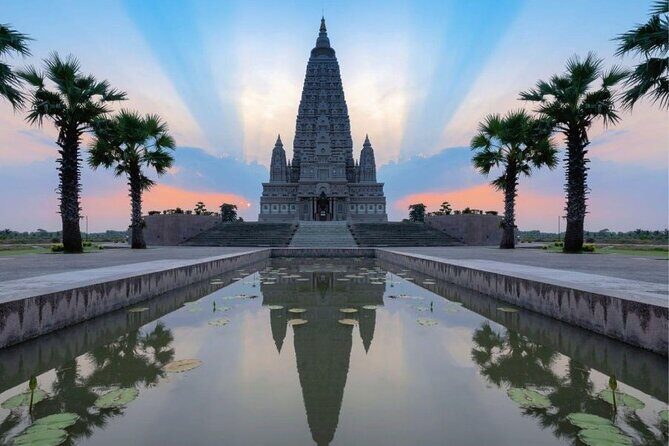
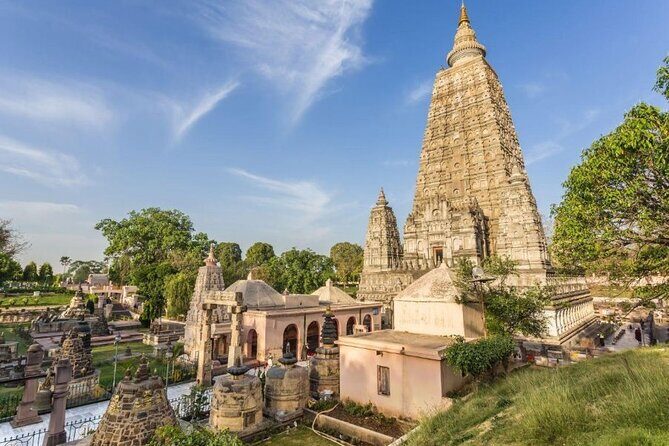
- Mahabodhi Tree focus: a revered enlightenment site where monks and pilgrims meditate year-round
- Great Buddha Statue stop: a big visual anchor for the day’s theme
- Thai, Vietnamese, and Japanese monasteries: see how Buddhist practice expresses itself through architecture
- Private vehicle comfort: AC and parking fees included, which matters on a 5-hour drive each way
- English guide support: helpful when you want the stories behind the stones
Varanasi to Bodhgaya: the early start and the private-car advantage
This is a true day trip, so you should expect a schedule that starts in the morning and keeps moving. The ride from Varanasi to Bodhgaya takes about 5 hours, and the whole day runs roughly 14 hours door-to-door. That sounds like a lot, but it’s also the point: you’re using the trip time efficiently to hit the core sites in Bodhgaya rather than just making a quick stop.
What I like most for your comfort is the private-car approach. You get hotel pickup and drop-off, and you travel in an air-conditioned vehicle with parking fees handled. In plain terms: no crowded buses, no repeated ticket booths, and less time dealing with logistics you didn’t buy this experience for.
One small practical note: the day is long, so you’ll want to treat it like a road trip. Bring water (it’s included), wear something comfortable for sitting, and plan on using restroom breaks when they happen during the drive. One recent itinerary included an early roadside restaurant stop around 10 a.m., which is exactly the kind of break that makes the rest of the day feel manageable.
You can also read our reviews of more tours and experiences in Varanasi.

Arriving in Bodhgaya: setting your mindset before the first stop
Bodhgaya is not a place where you rush through and feel done. Even when you’re there for a full-day plan, the atmosphere encourages slower attention—especially around the sacred areas where people come to meditate.
Your first time out of the car should feel like a transition. You’ll step from travel-mode into pilgrimage-mode fast, so give yourself a minute to reset your eyes and expectations. Think: Where do people slow down? Where do they gather? That’s where the meaning lives.
Also, keep an eye on timing. You’re visiting multiple sites in a single day, so you won’t have endless wandering time. The best way to enjoy it is to focus on what each stop is trying to communicate—enlightenment symbolism, visual reverence, then the monastery differences.
The Mahabodhi Tree: why this spot is the heart of the day
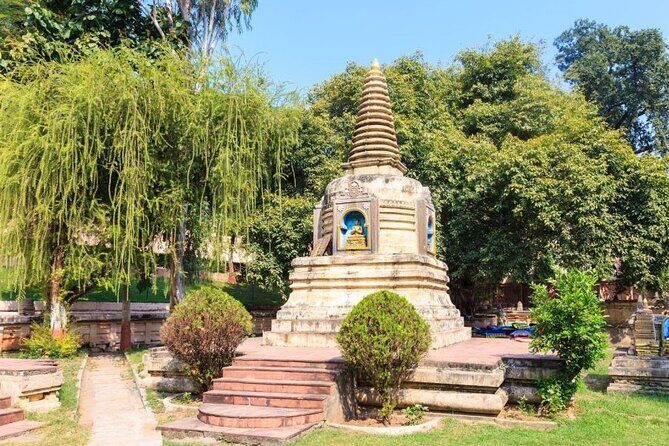
The Mahabodhi Tree stop is the reason most people come to Bodhgaya in the first place. This is the area tied to Prince Siddharth, later known as Buddha, achieving enlightenment. The tour plan treats it like the first big anchor, and it makes sense: if you understand what this place represents, the rest of the day clicks.
Here’s what you’ll likely experience on site: lots of quiet presence, people who come for reflection, and a sense that the space is used for spiritual practice, not just photos. The area is described as a place where monks and pilgrims meditate year-round, which is a helpful reminder that you’re stepping into an ongoing routine.
Practical tip: when you arrive, pause before moving closer. This kind of sacred space is sensitive to crowding and movement. Give yourself time to observe where people sit or stand, then follow local flow. If you do that, you’ll feel less like you’re “touring” and more like you’re respectfully joining the moment.
A possible consideration: because this is a high-attendance spiritual site, parts of the area can feel busy. Your private guide helps here—not by rushing, but by pointing out what to look for and how to approach calmly.
The Great Buddha Statue: a strong visual pause
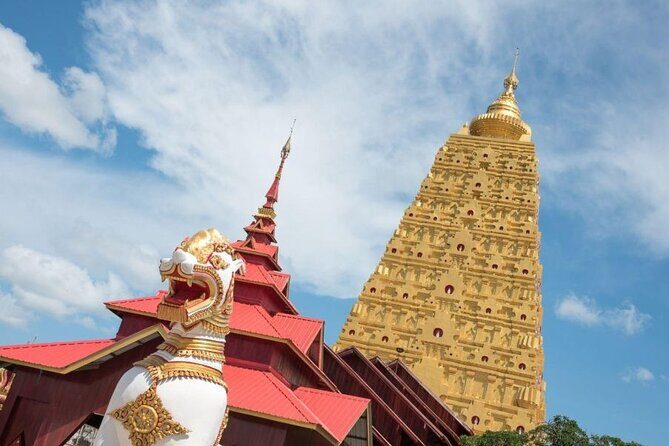
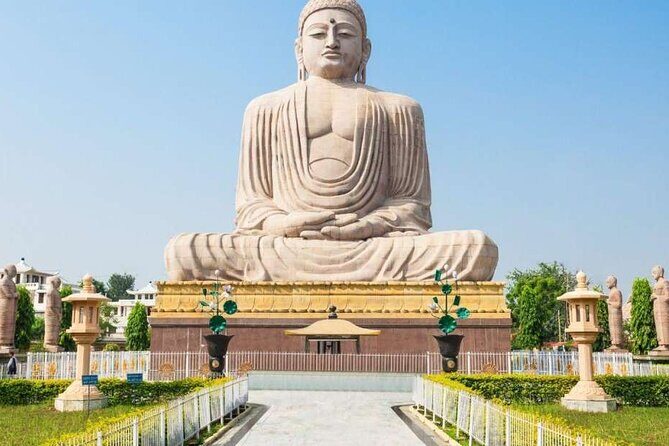
After the Mahabodhi Tree area, the itinerary shifts from a symbolic sacred tree to a major visual landmark: a Great Buddha Statue dedicated to Lord Buddha. Even if you’ve seen Buddhist statues elsewhere, this one plays a specific role in the day’s flow. It gives your brain a clear “reset point” between sacred focus and architecture.
This stop is useful because it’s easier to appreciate with a quick glance and a slower look. From a distance, the statue acts like a compass—your eyes naturally orient to it. Then, as you move around (within the allowed space), you can notice details and the mood the statue creates.
If you’re the type who likes structure in your travel, this is a good moment. The day becomes a series of meaningful “chapters”: enlightenment symbolism first, then a grand figure of Buddha, then monasteries with distinct national styles.
One more practical point: don’t plan on long detours here. You’ve got monasteries next, so treat the statue area as a deliberate pause, not an all-day stop.
Monastery hopping with Thai, Vietnamese, and Japanese styles
The monasteries are where the day becomes visually fun without losing its spiritual tone. After the statue, you get time to explore well-known monasteries, specifically the Thai monastery, Vietnamese monastery, and Japanese monastery.
What makes these stops valuable is contrast. The itinerary notes that each monastery is known for a distinct architectural style. That’s a big deal for first-time visitors. Instead of only hearing the idea that Buddhism is shared across countries, you see it in form: shapes, layout, and building language.
Practically, this means your guide can help you compare. Ask questions like: What’s different about the entrance style? How does the layout support prayer or quiet? Even without deep technical architecture knowledge, you can get a lot from simply noticing how each place signals its identity.
A consideration: monastery areas can have rules about footwear, clothing, and photography. The tour includes an English-speaking guide, which is exactly what you want here—because it’s easier to follow local expectations when someone explains them on the spot.

The ride back: why the return matters just as much as the sights
By the end of the day, you’ll head back to Varanasi in the same private vehicle and get dropped off at your chosen point in Varanasi. This sounds like a simple transportation line, but it affects the whole experience.
When you’re doing a long, spiritually centered day, you don’t want to end with more hassle. A direct return in one organized vehicle keeps the day from feeling fragmented. It also gives you time to mentally “land” after you leave the sacred spaces.
Since the total day is about 14 hours, you’ll likely still be tired when you start the return drive. The included bottled water and air-conditioned comfort help a lot, especially if the weather is warm.
If you’re considering this trip, build in an easy evening after you return. Don’t schedule anything demanding right after. This is one of those trips that works best when it doesn’t turn into another obligation.
What the tour includes (and what you should budget for)
This experience is priced like a long private excursion, and the included items matter. Here’s what’s covered:
- Bottled water
- Air-conditioned vehicle
- Private transportation
- Hotel pickup & drop-off
- Parking fees
- English-speaking guide
You’re also given a mobile ticket, which is convenient in a practical sense. And the tour is described as a private activity where only your group participates, which usually means you can move at a pace that fits your questions rather than being squeezed by a bigger crowd.
What’s not included:
- Lunch
- Monument fee
So the real budget question isn’t just the base price—it’s lunch and any entry/monument fees you’re required to pay at the sites. A little extra cash set aside prevents the common letdown of finding out mid-day that you still have to pay.
If you want to plan smart: eat before you go if you can, or expect to pay for lunch during the day. The tour includes water, but it doesn’t include a full meal.
Price and value: is $110 reasonable for this route?
At about $110 for a day trip, this is positioned as a value option for a private-car route with guide support. Whether it feels like a good deal depends on how you compare it.
If you compare it to piecing together multiple rides and a guide separately, this package starts to look fair fast:
- private transport (not just a taxi or shared van)
- pickup/drop-off
- guide in English
- parking included
- water included
The main thing that changes the value for you is personal comfort with time and cost. You’re buying a full day and paying for that convenience. If you like the idea of doing Bodhgaya in one go, $110 starts to make sense. If you’d rather take your time and spread it across multiple days, you might find better value elsewhere.
Also, group discounts are mentioned. If you’re traveling with a friend or small group, the overall value can improve. Just remember: the tour is private for your group, so the price logic is different than a big group bus.
Guide quality and the driver’s role on a 14-hour day
On a trip like this, the guide isn’t just there to “talk.” They’re there to make the stops meaningful and to keep your movement smooth. The tour includes an English-speaking guide, which is the right choice for Bodhgaya because you’ll likely want context around what each site represents.
One helpful detail from past experiences: a guide named Anmol was described as prepared, reliable, kind, and also able to guide in Italian (with English as backup). Even if you don’t get the same guide, that points to the kind of team experience you should expect: friendly people who keep communication clear.
The driver matters too. You’ll be in the car for hours. A good driver and a calm, organized route reduces stress so you’re not mentally drained before you reach the sacred areas.
If you want to get the most out of the day, you should also use your guide actively. Ask short questions at the right times:
- What does this place mean in the larger story?
- What should I notice first here?
- Where should I stand to get the best view while staying respectful?
Who should book this day trip (and who might want to skip it)
I think this works best if you want a focused day in Bodhgaya without the hassle of planning transport yourself. It’s especially good for:
- couples who want a private, comfortable plan
- religious and cultural travelers who want the main sites in one sweep
- visitors who prefer an English-speaking guide to explain what they’re seeing
It might not be ideal if:
- you hate long car days or you’re sensitive to fatigue
- you prefer unstructured exploring over a set sequence
- you’re trying to keep a very tight budget once lunch and monument fees are added
The key fit question is simple: can you handle a long travel day in exchange for hitting the big moments in Bodhgaya?
Should you book this Varanasi to Bodhgaya day trip?
Yes—if you want a practical, organized way to see Bodhgaya’s most meaningful landmarks in one day. The private, air-conditioned car plus hotel pickup/drop-off is the big comfort win, and the English guide turns the stops into more than just locations on a list.
Hold off or rethink it if you’re short on time, strongly dislike early starts, or want everything included. Since lunch and monument fees aren’t included, you’ll pay a bit more than the headline price.
If you do book, plan like a pro: wear comfortable clothes for walking and sitting, set aside money for lunch/fees, and use your guide to ask what matters. This is the kind of trip where a little prep helps you feel calm inside a very active day.
FAQ
How long is the Varanasi to Bodhgaya tour?
The duration is about 14 hours (approx.) for the full day.
What’s the travel time from Varanasi to Bodhgaya?
The drive to Bodhgaya takes about 5 hours.
Is hotel pickup and drop-off included?
Yes. Hotel pickup and drop-off are included.
What does the tour include?
Included items are bottled water, an air-conditioned vehicle, private transportation, parking fees, and an English-speaking guide.
What isn’t included?
Lunch and monument fees are not included.
Is this a private tour or shared group?
It’s private, meaning only your group will participate.
Will I get a confirmation after booking?
Confirmation is received at the time of booking.
What’s the cancellation policy?
You can cancel for free up to 24 hours in advance for a full refund. If you cancel less than 24 hours before the start time, the amount paid is not refunded.