REVIEW · UDAIPUR
Udaipur: Guided Ghat Tour and Boat Ride
Book on GetYourGuide →Operated by Yo Tours · Bookable on GetYourGuide
That first ghat view hits fast. This guided walk pairs romantic Udaipur ghats with a friendly local storyteller, then finishes with a scenic Lake Pichola boat ride where you float past iconic palaces and get easy context for what you’re seeing. I love the way the guide turns temple details and Rajput connections into something you can actually picture, and I love that the route targets the best viewpoints instead of random alleys. One consideration: the walk is great, but it’s only about two hours, and one person ran into confusion about whether an extra boat ticket was needed at the end—so I’d read the ride details carefully.
If you’re short on time, this format makes sense. You get a small-group experience (up to 10 people), English or Hindi guidance, and a meet-up right at the Daiji bridge area—storyteller at the entrance gate of Restaurant Ambrai, wearing a company T-shirt with an ID card. Just plan for real walking on uneven stone, and bring comfortable shoes plus water.
This tour isn’t set up for everyone physically. It’s not suitable for people with mobility impairments or wheelchair users, and there’s no luggage or large bags allowed.
In This Review
- Key things I’d watch for
- Entering The Ghats: Where Udaipur’s Waterfront Story Starts
- Meeting Point at Daiji Bridge: Smooth Start, Easy Find
- What to bring (and what to skip)
- The Ghat Route: Hanuman, Nav, Gangaur, and Lal Ghat
- Most romantic spot first
- Hanuman Ghat and Nav Ghat
- Gangaur Ghat and the festival connection
- Lal Ghat: colorful embellishments you can actually see
- A bonus park and temple feel (sometimes added)
- Lake Pichola Boat Ride: Jag Mandir, City Palace, and Those Lakefront Angles
- Why the Guide Matters More Than the Route
- Price and Value: What $23 Actually Buys You
- Who this price fits best
- Timing, Foot Comfort, and Getting the Best Experience
- Should You Book This Udaipur Ghat and Boat Tour?
- FAQ
- How long is the Udaipur guided ghat tour and boat ride?
- What’s included in the price?
- Where do I meet the guide?
- What languages are the guides available in?
- Is this tour suitable for wheelchair users or limited mobility?
- What should I bring, and what’s not allowed?
Key things I’d watch for
- Romantic viewpoint start: you begin at a top photo spot along the ghats for immediate context and great sightlines.
- Stories woven into the walk: you hear local stories tied to religion, Rajput culture, and everyday life by the water.
- Lal Ghat color details: the ghat’s ornate look is a standout visual stop.
- Signature Lake Pichola views: the boat passes Jag Mandir with views toward the City Palace complex and other lakefront landmarks.
- Guides can add extra stops: guides like Gaura and Yash sometimes build in temple and park moments (including places where bats and monkeys are often seen).
- Short time window: it’s only two hours, so it’s a taste of the old city, not a long, slow day.
Entering The Ghats: Where Udaipur’s Waterfront Story Starts

Udaipur earns the Venice of the East nickname for a reason. The ghats (steps along the lake) aren’t just scenery—you’ll feel like you’re stepping into a daily rhythm where worship, craft, and family life meet the water.
On this tour, you start where the views are best and where the mood clicks instantly. Think: a romantic angle over the lake, plus enough explanation to make the “why” behind each place start showing up right away. Instead of wandering and guessing, you walk with a storyteller who frames the route around Rajasthan and Rajput connections, plus religious meaning tied to what you see.
Two stops help anchor the whole experience. The walk includes Hanuman Ghat and Nav Ghat, and the guide uses those as waypoints to talk about culture and how people relate to the waterfront. Then you pivot to more ceremonial symbolism with Gangaur Ghat, which connects to the auspicious Gangaur Festival of Rajasthan. By the time you reach Lal Ghat, you’re not only looking—you’re reading the place through details like design, tradition, and daily use.
You can also read our reviews of more boat tours in Udaipur



Meeting Point at Daiji Bridge: Smooth Start, Easy Find

The meeting point is simple and concrete, which matters in a city where lanes multiply quickly. Your guide will be at the entrance gate of Restaurant Ambrai in the Daiji bridge area, wearing a company T-shirt and an ID card.
This matters for two reasons:
- You can meet without playing guesswork with street pointers.
- You avoid wasting your limited two hours getting everyone organized.
The tour runs about 2 hours, and it’s a small group limited to 10 participants. That size is big enough to be social but small enough for questions—useful if you’re curious about Hindu gods, temple practices, or why a ghat looks the way it does.
What to bring (and what to skip)
Bring:
- Comfortable shoes
- Sunglasses and a sun hat
- Water
Don’t bring:
- Pets
- Luggage or large bags
You’ll be on foot for portions of this experience, and ghats mean stairs and uneven edges. Plan to move at a steady pace, not a sightseeing sprint.
The Ghat Route: Hanuman, Nav, Gangaur, and Lal Ghat

This walk is built like a guided “from everyday to ceremonial” circuit. You’re not just moving from one pretty step to the next—you’re moving through meaning.
Most romantic spot first
You start at the most romantic spot along the ghats, the place designed for the best city views. I like this order because it gives you a payoff early. You’re not stuck in the “work my way to the good stuff” stage. Within minutes, you understand why people photograph this stretch again and again.
You can also read our reviews of more guided tours in Udaipur


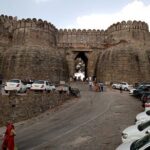



Hanuman Ghat and Nav Ghat
Next come Hanuman Ghat and Nav Ghat. These stops are where the guide often turns the route from visual to cultural. You’ll hear heartwarming stories, and you’ll get context around how locals view these locations in relation to Rajputs and Rajasthan traditions.
If you’re the type who wants the symbolism behind the scenes, this is one of the best sections. It’s also where the guide’s storytelling style matters, because the experience goes from steps-and-views to meaning-and-memory.
Gangaur Ghat and the festival connection
Then you reach Gangaur Ghat, tied to the auspicious Gangaur Festival of Rajasthan. Even if you don’t know the festival already, you’ll come away with a clearer understanding of why certain spaces matter during celebrations and daily worship.
This is also a good reminder: ghats in Udaipur aren’t “museum pieces.” They’re active spaces. So while you’re viewing, you’ll also be witnessing something that still belongs to locals.
Lal Ghat: colorful embellishments you can actually see
Finally, you hit Lal Ghat, famous for its colorful embellishments. This is the stop where your camera will start earning its keep. The ghat’s decoration isn’t just pretty paint—it’s part of the visual language of the waterfront.
I find this late-stage ghat stop works well because by then you’ve already learned how to look. You’re not just admiring color; you’re noticing the craftsmanship and how it fits the spiritual waterfront setting.
A bonus park and temple feel (sometimes added)
Many guides keep the walk lively with extra local moments. On some departures, you may also walk through a nearby park area and visit temples, and you might even spot bats and monkeys there. It’s the kind of side stop that turns a short tour into a “I actually felt the city” memory.
Lake Pichola Boat Ride: Jag Mandir, City Palace, and Those Lakefront Angles

After the ghats, you switch gears to water. The tour includes a boat ride on Lake Pichola, and in practice it’s often a shorter ride—about twenty minutes—more like a moving viewpoint than an all-afternoon cruise.
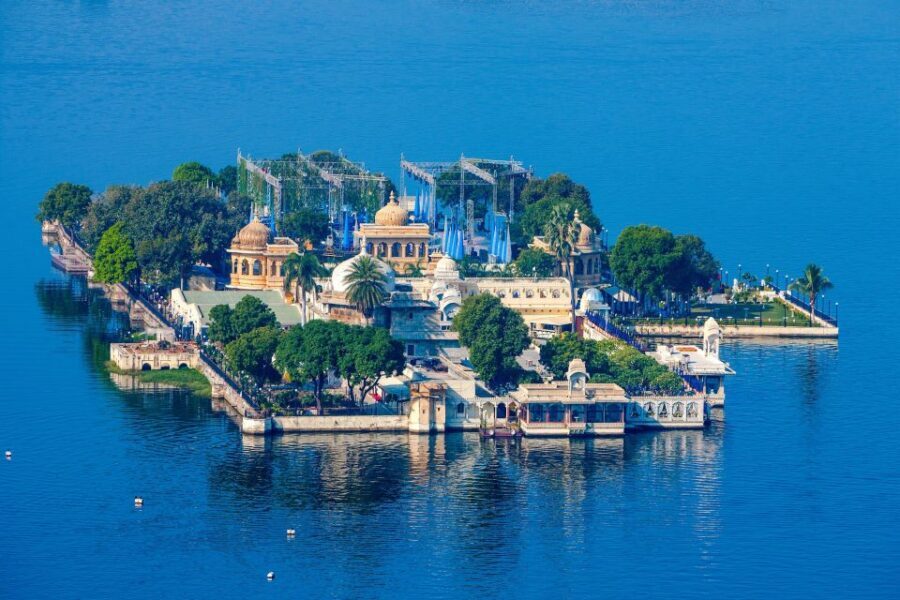
You travel via Jag Mandir Palace, and the payoff is in what you can see from the water: the City Palace complex, the ghats along the shoreline, Sajjangarh, and the Haveli on the bank.
This is valuable for two reasons:
- From the lake, the city’s layout becomes clearer fast.
- You get symmetry. Many waterfront sights look better when the lake is your “lens.”
If your departure is timed near sunset, the boat can feel extra special. One of the best ways to use this tour is to schedule it early in your trip so you know where the lakefront fits relative to everything else later.
Why the Guide Matters More Than the Route
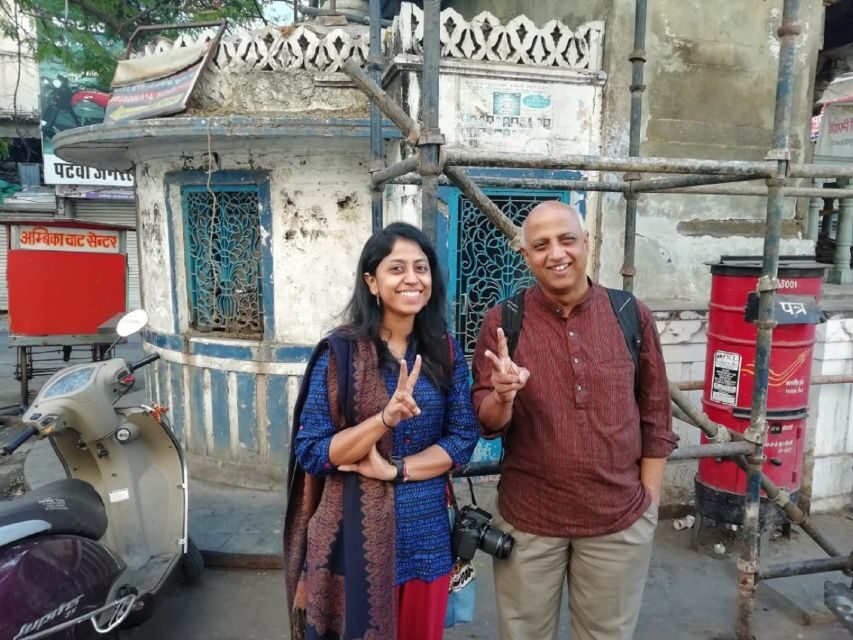
In Udaipur, the ghats can look similar until someone explains the “why.” That’s where this tour usually wins.
Guides you might get include people like Gaura and Yash. The common thread: they show up prepared to explain, answer tough questions, and keep the pace friendly instead of lecture-heavy. You’ll often hear clear explanations in English or Hindi, plus humor that makes the religious and cultural material easier to hold onto.
I also like how guides handle safety and comfort. Multiple accounts emphasize guides making sure everyone is okay and keeping the group moving in a smart way around crowded waterfront areas.
A small but real bonus: some guides will help with onward logistics after the tour—like how to handle a tuktuk or bus—especially if you’re arriving fresh and need practical guidance.
Price and Value: What $23 Actually Buys You
At about $23 per person for roughly two hours, the value comes from two included items:
- Boat ride
- Entry to all the ghats
That’s not nothing in a city where tours can charge for basics separately. If you would otherwise pay for a boat viewpoint and have to pay to access the ghat areas, this price can start looking fair fast.
That said, there’s one caution worth taking seriously. One person reported having to buy a boat ticket at the end (they expected it to be included). I can’t promise this happens on every departure, but it’s enough to justify your due diligence: when you book, confirm exactly what boat ride segment is included and whether any additional ferry/boat ticket might apply for your specific departure time.
Who this price fits best
This is a good deal if:
- You want an efficient introduction to the old-city lakefront.
- You care about explanation, not just photos.
- You like small-group pacing.
If you’re hoping for a long, slow crawl with lots of museum time, you might feel the two hours is short.
Timing, Foot Comfort, and Getting the Best Experience

This tour is compact, so your timing matters. You’ll cover ghats on foot and then do the boat portion, so avoid pairing it with something that requires immediate changeover stress afterward.
Practical moves that help:
- Wear shoes you trust on uneven stone.
- Bring sun protection because the ghats and lakefront can feel exposed.
- Take water seriously, especially in warmer months.
Because it’s not suitable for wheelchairs or people with mobility impairments, plan for a walking-centered day. If you’re somewhere between “fine but sore later” and “not fine,” choose a gentler plan or ask your guide about pacing before committing.
Should You Book This Udaipur Ghat and Boat Tour?
I’d book it if you want a fast, high-reward way to understand Udaipur’s lakefront. It’s especially strong for first-timers because you get the big picture—ghats, temple meaning, festival symbolism, and the City Palace views—wrapped into a short visit.
Book it with extra caution if:
- You’re very budget-sensitive and want absolute clarity on any boat-related add-ons.
- You need an itinerary that’s fully accessible for mobility constraints.
If you like guided storytelling that turns waterfront steps into a meaningful route—and you want a boat view of Jag Mandir and the City Palace—the value is the point. This is one of those “do it early, then you’ll navigate better for the rest of the trip” experiences.
FAQ
How long is the Udaipur guided ghat tour and boat ride?
The tour duration is 2 hours.
What’s included in the price?
The price includes the boat ride and entry to all the ghats.
Where do I meet the guide?
You meet your storyteller at the entrance gate of Restaurant Ambrai located in Daiji bridge. The guide will be wearing a company T-shirt with an ID card.
What languages are the guides available in?
The live tour guide is available in English and Hindi.
Is this tour suitable for wheelchair users or limited mobility?
No. It is not suitable for people with mobility impairments or wheelchair users.
What should I bring, and what’s not allowed?
Bring comfortable shoes, sunglasses, a sun hat, and water. Pets and luggage or large bags are not allowed.