REVIEW · UDAIPUR
Heritage Walk, Local Markets & Food Tasting – Non Touristy
Book on GetYourGuide →Operated by Harsh Mundra · Bookable on GetYourGuide
Old city + great snacks. It is a smart mix.
This heritage walk through Udaipur’s older lanes pairs temples and crafts with practical, stop-by-stop food tasting from local stalls. You start near Jagdish Temple, wander past the chowks and markets locals use, and end back close to where you began.
What I like most is how the tour balances food with real city context. I also love that you get a guide who can answer the big cultural questions while you walk, not just point at buildings.
One thing to consider: this is still a walking experience. You’ll cover about 3 km, with some stops in older, tighter areas, so comfortable shoes matter.
In This Review
- Key things you’ll notice on this tour
- Walking Udaipur the way locals move, eat, and talk
- The real reason this works: the vegetarian food tasting
- Rao Ji ka Hata Road: markets, breakfast bites, and local rhythm
- Ghanta Ghar (clock tower): short stop, big payoff
- Temples and old-city details you won’t get from a bus tour
- Craft stops: glass inlay, potters, bamboo, and even biodegradable plates
- The guide factor: stories that connect cows, festivals, and everyday choices
- Price and value: $24 for food, tea, and guided old-city access
- What to wear, how to pace yourself, and when to go
- Who should book this, and who might skip it
- Should you book the Udaipur Heritage Walk with Local Markets and Food Tasting?
- FAQ
- How long is the Heritage Walk, Local Markets & Food Tasting?
- Where is the meeting point?
- Is the food vegetarian?
- What’s included in the price?
- What food and drinks will I try?
- Are alcoholic beverages included?
- Do I need to arrange transportation to the start point?
- What languages does the guide speak?
Key things you’ll notice on this tour
- 7+ food shops with vegetarian tastings along the way
- Masala chai tasting and making, plus lassi and juices
- Jagdish Chowk, Ghanta Ghar (clock tower), and old-city lanes
- Craft-market stops like potters, bamboo art, and biodegradable bowl and plate makers
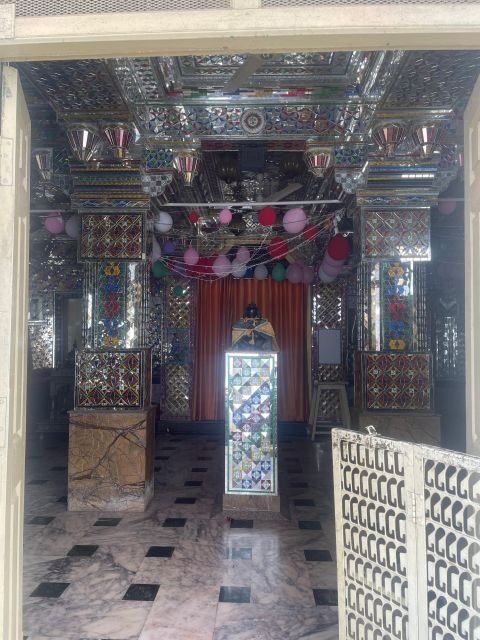
- Temple and architecture moments including Jagdish areas, haveli architecture, and a historic Jain temple
- Big local questions answered as you go, like why cows are holy and how Ganesha fits good luck
Walking Udaipur the way locals move, eat, and talk
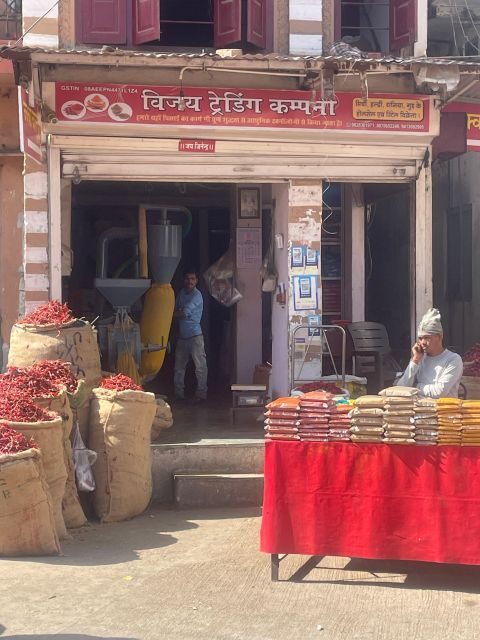
Udaipur can be a lot of palace photos and postcard streets. This tour is different. It is built for people who want to see how the city functions on a normal morning—where people buy fruit, where snacks get made, how lanes connect to chowks, and how old places still shape daily life.
You meet near Ganesh Art Emporium, just diagonally opposite Jagdish Temple (toward the clock tower). From there, you walk in a route that keeps you close to the old city’s flow: market roads, artisan pockets, and temple areas. The total time runs about 2.5 to 3 hours, depending on how curious your group is, so plan to stay flexible with your morning schedule.
The walk is about 3 km. That’s not extreme, but it is enough to feel like you’ve been out exploring, not just drifting from one photo stop to another. If you prefer tours that feel more like a slow museum circuit, you’ll want to keep that walking pace in mind.
You can also read our reviews of more walking tours in Udaipur



The real reason this works: the vegetarian food tasting
Food is the center of gravity here. You should expect all food included: 5+ dishes, plus sweets and tea, along with mineral bottled water. The tour is specifically vegetarian, and the street-food stops are positioned as safe and hygienic, with tried-and-tested choices.
Here’s what you can expect to taste during the walk:
- Samosa with mint and coriander chutney
- Kachori with mango and tamarind chutney
- Poha
- Gulab jamun (the sweet you feel in your memory later)
- Masala chai, including a moment of tasting and learning how it is made
- Lassi / chai / juices depending on the stop
What makes this more than a simple snack run is that you learn the “why” while you taste. The guide talks about ingredients and basic preparation as you go, so you start recognizing spice mixes and flavor patterns instead of just consuming them. That makes your next meal in Udaipur more confident, because you’ll know what you’re ordering.
Also, this is a tour where drinks and sweets are not an afterthought. Masala tea isn’t just handed over; you get a mini education on how it’s prepared. And sweets like gulab jamun come in a way that fits the flow of the day, not a random sugar detour.
Rao Ji ka Hata Road: markets, breakfast bites, and local rhythm
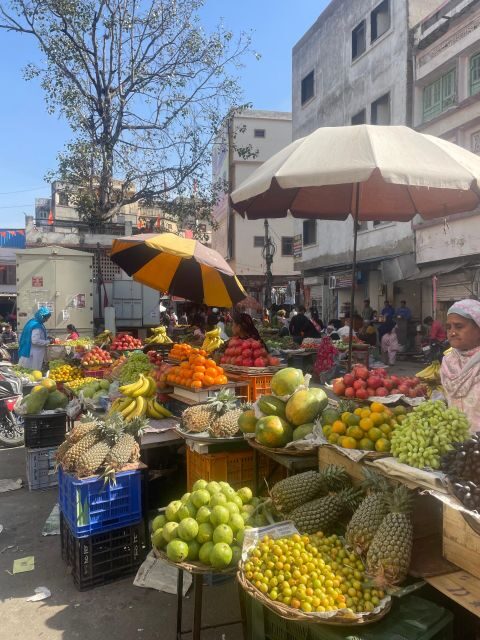
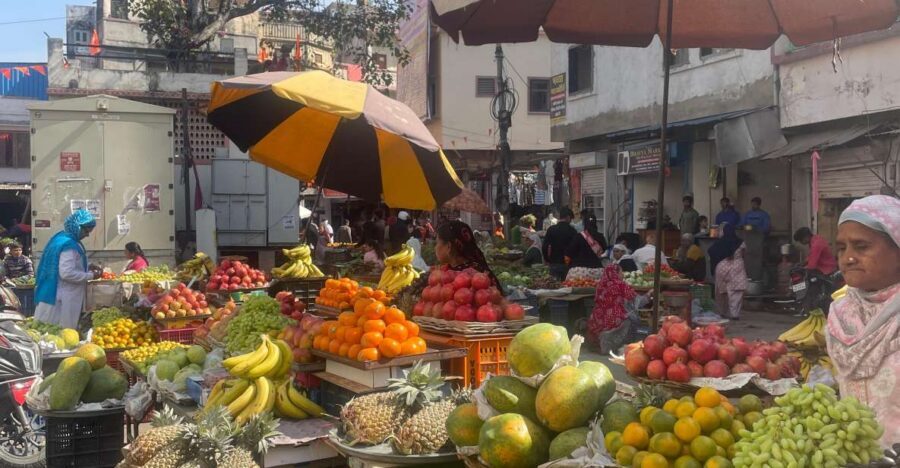
One of the best sections is the stretch on Rao Ji ka Hata Road. This is where you get your first sense of Udaipur’s daily movement. The tour doesn’t treat this like a “look but don’t touch” experience. You get welcomed in, then you start sampling.
You can expect:
- A tea and breakfast style start
- Street food and local snacks as part of the walking flow
- A short arts and crafts market stop, so your brain switches from taste to technique
This matters because it sets the tone. You’re not wandering around aimlessly hoping something good shows up. Your guide keeps you on the route that makes sense, and you’re learning what each market is for—fruit and vegetables here, spices there, small handmade items in between.
Drawback to keep in mind: market lanes can be lively and tight. Even when the tour is well-paced, you’ll still want to keep your hands free for tasting and photos, and keep your phone secure while moving through crowds.
Ghanta Ghar (clock tower): short stop, big payoff
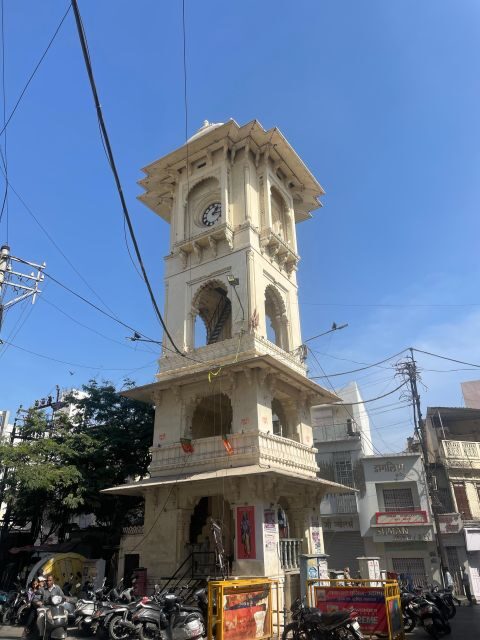
The Ghanta Ghar, Udaipur segment is a focused moment—about 15 minutes of street-food tasting. This is the kind of stop that works well for first-timers: you get flavor, not fatigue.
Because it is short, you can manage your appetite and keep it enjoyable. It also prevents the tour from turning into a marathon of “one more bite” without context. After Ghanta Ghar, you’ll have enough momentum to keep enjoying the craft and temple moments that follow.
Temples and old-city details you won’t get from a bus tour
Food is the headline, but the walk is designed to give you the old city backstory too. You’ll hit several landmarks and historic areas, including:
- Jagdish Chowk
- Tinker Street
- A step well
- Haveli and its architecture (with more explanation than a quick photo stop)
- Historic Jain temple (and you’ll learn about it)
- Clock tower again as part of the route feel
The step well and haveli architecture are the kinds of places that can look like random “old stuff” unless someone points out what to look for. Here, you get guided attention on layout and design details, so you start seeing how buildings were built for climate, community, and status—not just decoration.
And because this is a non-touristy heritage walk, you’re more likely to see normal streets where people live their lives near the monuments. That blend of sacred and everyday is where Udaipur stops feeling like a set.
You can also read our reviews of more food & drink experiences in Udaipur


Craft stops: glass inlay, potters, bamboo, and even biodegradable plates
One of the smartest parts of this experience is the mix of food with hands-on craft education. You’re not only learning what things are; you’re learning how they’re made and where the materials come from.
During the walk, you’ll see stops that include:
- Glass inlay work (called out as a highlight)
- Bamboo art community
- Potters community
- Spice and grains market
- Fruits and vegetable market
- Biodegradable bowl and plate makers
This is one of those sections that gives you travel value beyond photos. You start connecting how ingredients become street snacks, and how raw materials become daily-use objects—everything from spice containers to plates.
You may even see hands-on interactions, depending on the flow of the day. In past experiences, guides have arranged small, practical moments like trying traditional pottery techniques with potters, and getting quick access to a local home for a restroom break. Nothing about those moments is guaranteed, but the vibe is that the guide aims for respectful, real-city access rather than only storefront gawking.
The guide factor: stories that connect cows, festivals, and everyday choices
A big reason this tour earns strong ratings is the guide’s storytelling style—interactive, practical, and comfortable answering questions. The guide is described as kind and engaging, and the tone stays conversational while you walk.
You’ll likely talk about topics such as:
- Why cows are holy and why cows are on the streets
- Why Ganesha is symbol of good luck
- Marriage customs and the cast system as discussed in India
- Broader questions like Indian politics, including references like sati, child marriages, and education system
- Karma and local ways of interpreting choices
- Secrets of local spices
- How modern Udaipur fits in today
You also might get smaller surprises, like the highlight mentioning cow cuddling and more. That’s the kind of local-life detail that makes the tour feel like it’s happening in the real world, not a scripted checklist.
If you want a tour where your questions are welcome, this format is a good fit. If you prefer strict silence and only building facts, this might feel too chatty. But for most people, it’s a relief—because you stop feeling like you’re missing cultural meaning.
Price and value: $24 for food, tea, and guided old-city access
At $24 per person for about 2.5 hours, the value is mainly in what’s included, not just the walking route. Your ticket covers:
- All food tasting
- 5+ dishes, including sweets
- Tea (including masala chai)
- Mineral bottled water
- An in-person guide
Transportation to the start point is not included, and alcoholic beverages aren’t included. That’s normal for a walking food tour.
Is it good value? Yes, if you would otherwise spend that money on snacks and tea on your own. A handful of street snacks plus sweets plus a few drinks can easily add up—especially if you end up paying more at the touristy spots. Here, you get a guided path to multiple stalls and food types, with the added benefit of explanation.
If you’re the type who only eats one thing per day, you might feel like you’re paying for more food than you usually want. But if you like tasting, this is one of the cleaner ways to do it.
What to wear, how to pace yourself, and when to go
You’ll walk about 3 km, and you’ll move through older lanes and market areas. The tour recommends comfortable shoes and cotton fabrics. I agree with that advice. Think breathability and grip, not fashion sneakers with slick soles.
Default start time is 10:00 am. If that timing doesn’t work, the schedule is flexible—you can message to adjust the time and date. Morning is also when markets feel most alive and when chai-and-snack energy matches the day’s rhythm.
A small practical note: you’ll eat several times. Plan to keep your stomach empty before you start, and bring patience for short crowd moments near popular chowks.
Who should book this, and who might skip it
This tour is a strong match if:
- You want non-touristy Udaipur and a walk that feels lived-in
- You like vegetarian street food and want safer, guide-led stall choices
- You care about culture beyond monuments, like how daily life connects to temples and crafts
- You enjoy asking questions and getting answers while walking
You might consider another option if:
- You hate walking (this is about 3 km)
- You’re extremely sensitive to street-food variety and prefer sit-down restaurants only
- You want purely historical architecture with no focus on markets and eating
Should you book the Udaipur Heritage Walk with Local Markets and Food Tasting?
If your goal is to taste real Udaipur while learning how the old city works, I’d book it. The mix of food stops, markets, temples, and craft work gives you multiple ways to experience the same place—through flavor, streets, and stories.
Pick it especially if you’re traveling with a sense of curiosity and you’d like someone local to point you toward the safe, tried-and-tested stalls instead of you guessing your way through crowded lanes. Just show up wearing shoes you trust, and come hungry enough to enjoy multiple tastings without rushing.
FAQ
How long is the Heritage Walk, Local Markets & Food Tasting?
It runs about 2.5 to 3 hours, depending on the group’s curiosity. The walking distance is around 3 km.
Where is the meeting point?
You meet at Ganesh Art Emporium, diagonally opposite Jagdish Temple, in the Jagdish Chowk area toward the clock tower.
Is the food vegetarian?
Yes. The tastings are vegetarian, and the street-food choices are presented as safe and hygienic.
What’s included in the price?
The tour includes mineral bottled water, all food tastings, 5+ dishes, sweets, tea, and an in-person guide.
What food and drinks will I try?
You can expect items like samosa, kachori, poha, gulab jamun, masala chai (including tasting and making), plus lassi/tea/juices.
Are alcoholic beverages included?
No, alcoholic beverages are not included.
Do I need to arrange transportation to the start point?
Transportation to the start point is not included.
What languages does the guide speak?
The guide can offer the tour in English and Hindi.