REVIEW · UDAIPUR
Old city heritage walk and local life experience
Book on GetYourGuide →Operated by Tour Guide Manish · Bookable on GetYourGuide
Udaipur feels different when you walk it. This old city heritage walk is a practical way to see how people live, shop, and celebrate, not just what to photograph. I love the old city streets with local context and the havelis, wall paintings, and architecture that explain why Udaipur looks the way it does.
One consideration: you’ll be walking through real neighborhood lanes and markets. Bring comfortable shoes and wear clothes you can move in, because the route includes several stops and street-level sights.
In This Review
- Key highlights to watch for
- Old City Life in Udaipur: Why This Walk Works
- Starting at Jagdish Temple Stairs with Manish
- From Temple Lanes to Lake Ghats: The First Big Impression
- Havelis and Wall Paintings: Seeing the Old Homes Like a Local
- Markets That Teach You How People Really Eat and Shop
- Craft Stops: Clay Ware, Leaf Plates, Hand-Made Metal, and Bamboo
- Chai, Snacks, and Sweets: Taste the City’s Daily Rhythm
- Wedding Market Walk and Arranged Marriage Stories
- Price and Value: Getting More Than a City Stroll for $9
- Who Should Book This Walk (and Who Might Want to Skip)
- Should You Book This Walk with Manish?
- FAQ
- Where does the walk start?
- Where does the walk end?
- What’s included in the price?
- How much does it cost?
- What languages are available?
- What kinds of stops can I expect?
- What should I bring for the walk?
- Is pay later and cancellation available?
Key highlights to watch for
- Start at Jagdish Temple stairs and get oriented fast
- Lake ghats and temple lanes before you enter residential streets
- Havelis and home wall paintings explained in plain language
- Vegetable, grocery, and spice markets for daily-life perspective
- Hands-on craft communities: clay, leaf plates, metal utensils, bamboo baskets
- Chai, snacks, sweets, and wedding market stories (including arranged marriage basics)
Old City Life in Udaipur: Why This Walk Works
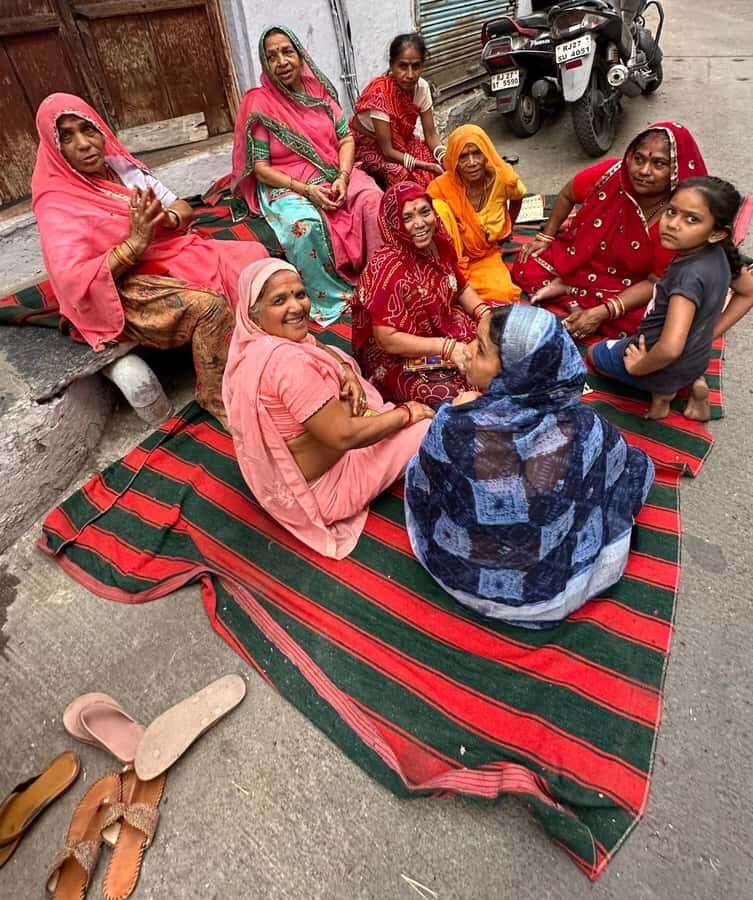
This experience is built for real understanding, not postcard sightseeing. You’ll move from temple lanes to local neighborhoods, and each step adds another layer: how food gets bought, how utensils get made, why homes were designed the way they were, and how ceremonies fit into community life.
What makes it especially useful is the mix. You’re not stuck in one theme. You’ll look at architecture from the outside, then switch to markets where you can practically imagine the morning routine. Then you’ll hop from crafts to tastes, and end up with wedding market stories and an explanation of how arranged marriages are done.
It’s also a nice value format. For about $9 per person, you get an in-person guide, tea, local snacks, drinking water, and multiple stops that would be hard to string together on your own without a local’s guidance.
You can also read our reviews of more walking tours in Udaipur



Starting at Jagdish Temple Stairs with Manish
The walk begins at the stairs of Jagdish Temple, which is a smart start point. From there, you’re not wandering blind. You get a sense of the city’s layout early, and the guide can steer you into the areas that show daily life.
Manish leads the experience, and the recurring theme is how he turns questions into answers. You’ll hear stories about Udaipur’s foundation and the deeper reasons behind what you’re seeing. That matters because the old city can look like a maze from a distance. With a guide, it starts to feel logical.
You’ll also appreciate the human pace. This isn’t rushed, and it’s not only about facts. Manish explains what you’re looking at as you walk, including architectural details on structures you’d otherwise only pass by. The result is that you leave with clearer bearings for the rest of your trip.
From Temple Lanes to Lake Ghats: The First Big Impression
After you start near the Jagdish Temple area, the route takes you through old temple lanes. Then comes a key shift: you’ll enjoy lake sights and ghats along the way. This is where Udaipur’s “city of lakes” idea stops being a slogan and becomes part of how people experience the city.
What I like about this sequence is how it balances scenes. Temple lanes give you the spiritual and historic feel. The ghats add atmosphere and a sense of everyday movement near the water. You don’t just see the water; you see how it connects to the city’s rhythm.
Then the walk continues onward toward the old city residential areas. That transition matters. A lot of visitors stay near major landmarks. This experience pushes you past that comfort zone so you can see the city as locals might experience it across different parts of the day.
Havelis and Wall Paintings: Seeing the Old Homes Like a Local
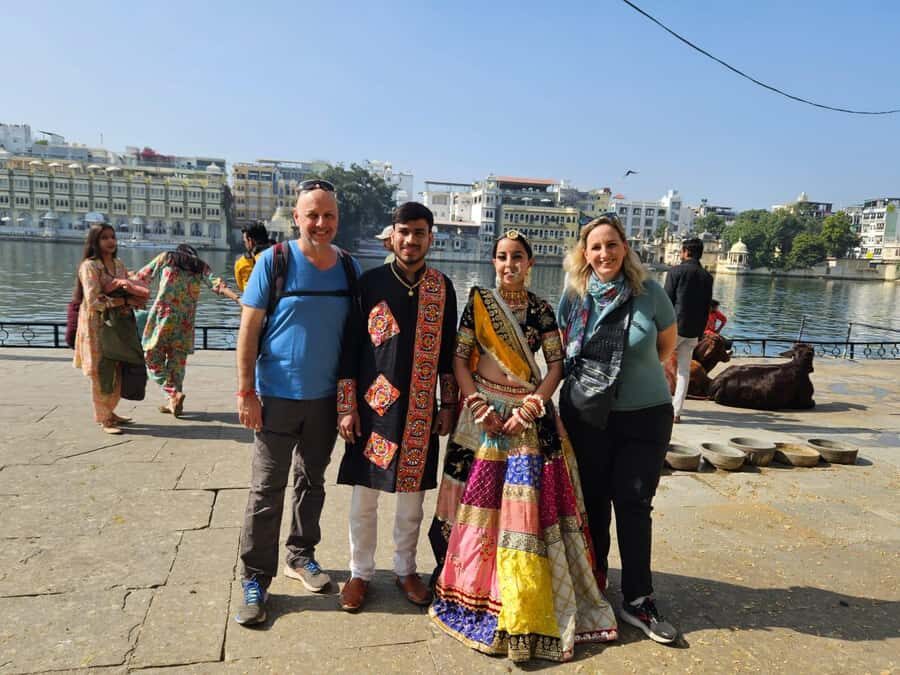
One of the strongest parts of the walk is how you’re guided to notice details on the way to the markets and crafts. You’ll pass havelis (traditional town houses) and learn what they were used for and why they were important earlier on.
Looking at a building from the outside is easy. Understanding it is the hard part. The guide helps with that by explaining the design logic and the social meaning behind these homes. You’ll also hear about wall paintings you’ll see on homes—painted stories that turn plain walls into a kind of local visual language.
This is exactly where the walk becomes more than sightseeing. It teaches you how to read the city. Instead of thinking, That’s a cool facade, you start thinking, Who lived here, what roles did families have, and how did the layout support daily life and community?
Markets That Teach You How People Really Eat and Shop
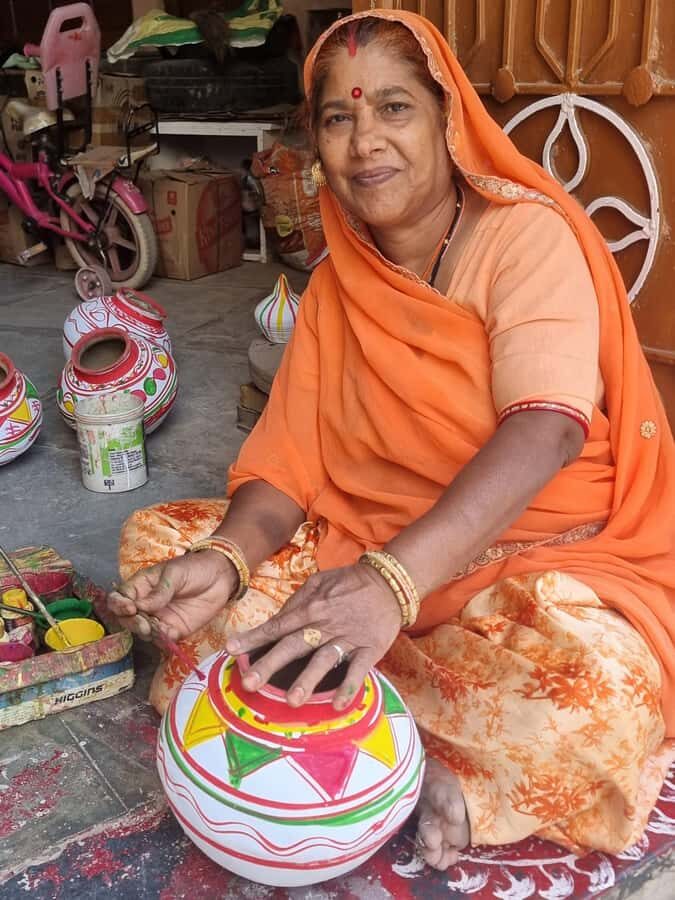
You’ll spend time in markets that feel connected to everyday life, including:
- a vegetable market visit
- a grocery and spice market
- stops connected to food preparation and tasting
These aren’t just background scenes. They’re where the city’s culture shows up in practical form. Spices and groceries are more than items. They’re part of cooking habits, household shopping routines, and how flavor is built into daily meals.
Watching what’s for sale and how people handle ingredients also helps you understand why Udaipur food tastes the way it does. Even if you’re not buying anything, you’ll learn what matters enough to be traded daily—vegetables, pantry staples, and aromatic spices.
And because the guide keeps tying the scenes back to culture, you’ll come away with a clearer mental map. Later, when you eat in Udaipur, you’ll know what you’re tasting and why it’s common in the first place.
You can also read our reviews of more city tours in Udaipur






Craft Stops: Clay Ware, Leaf Plates, Hand-Made Metal, and Bamboo
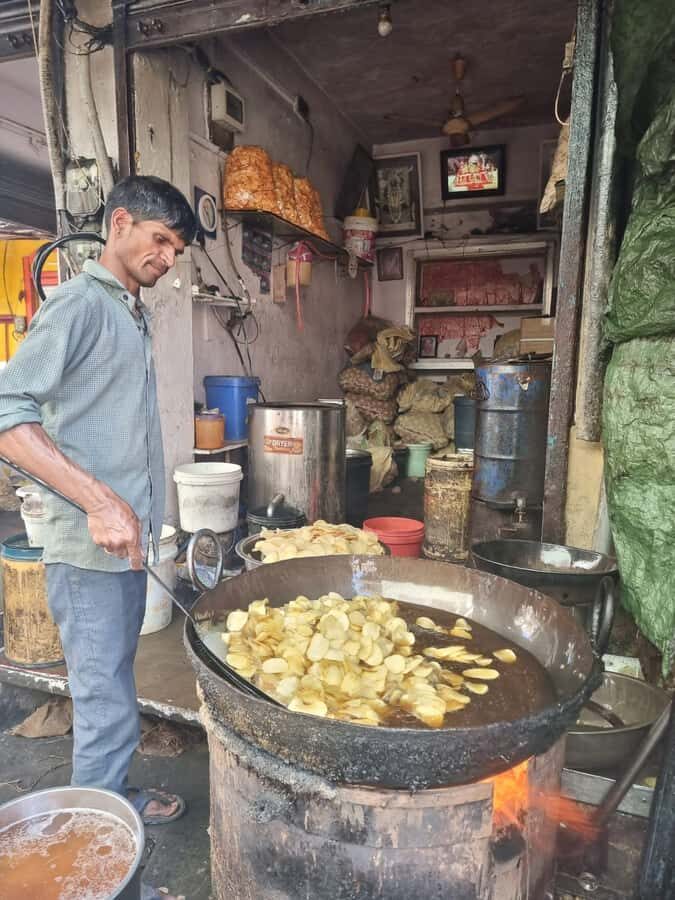
This walk includes craft communities and making processes, which is a great change of pace from markets and monuments. You’ll get to see:
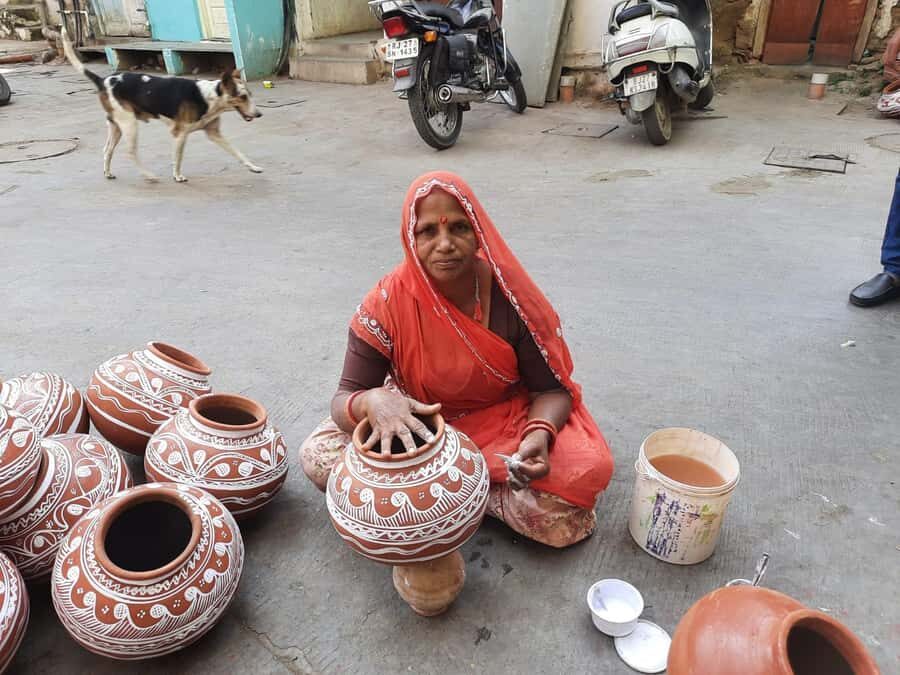
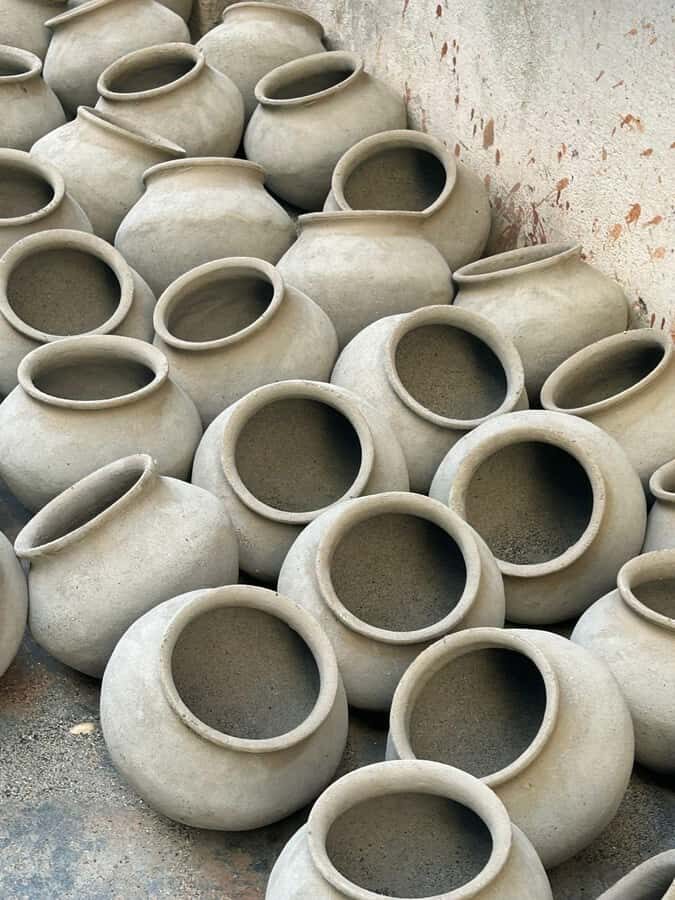
- clay product makers
- traditional plates and bowl making using tree leaves
- metal pot and utensil making by hand
- bamboo baskets making process
These stops do two useful things for you. First, they slow the experience down just enough to notice how hands and tools shape daily life. Second, they explain that traditional work isn’t frozen in the past. It’s part of a living supply chain for households and businesses.
The leaf-plate and bowl making is especially interesting because it connects materials, practicality, and tradition in one look. Then you shift to metal utensils made by hand—different craft, different logic, and a strong contrast that makes the idea of local manufacturing feel real, not romanticized.
A key practical note: craft stops can involve observing work in active areas. You’ll want patience and quiet attention, and you’ll get more from the explanation if you let the guide set the pace.
Chai, Snacks, and Sweets: Taste the City’s Daily Rhythm

Food tasting is built into the route, and it’s one of the easiest ways to understand culture without needing a lecture. You’ll learn about and sample:
- masala chai making and tasting
- traditional local snacks making process
- famous sweets tasting
Chai is more than a drink here. The tasting is paired with the making process, so you learn what changes flavor and what’s typical. Then the snacks add the next layer: how households treat food as comfort and routine, not just something for special occasions.
Sweets tasting rounds things out. In many places, sweets are tied to festivals and celebrations. In Udaipur, you also see how sweets fit into everyday social life and special moments. That context helps you taste with your head as well as your mouth.
This is also included: tea, local snacks, and drinking water are part of the experience. That’s a practical win when you’re walking through markets and tight lanes, where you don’t want to constantly stop for purchases.
Wedding Market Walk and Arranged Marriage Stories
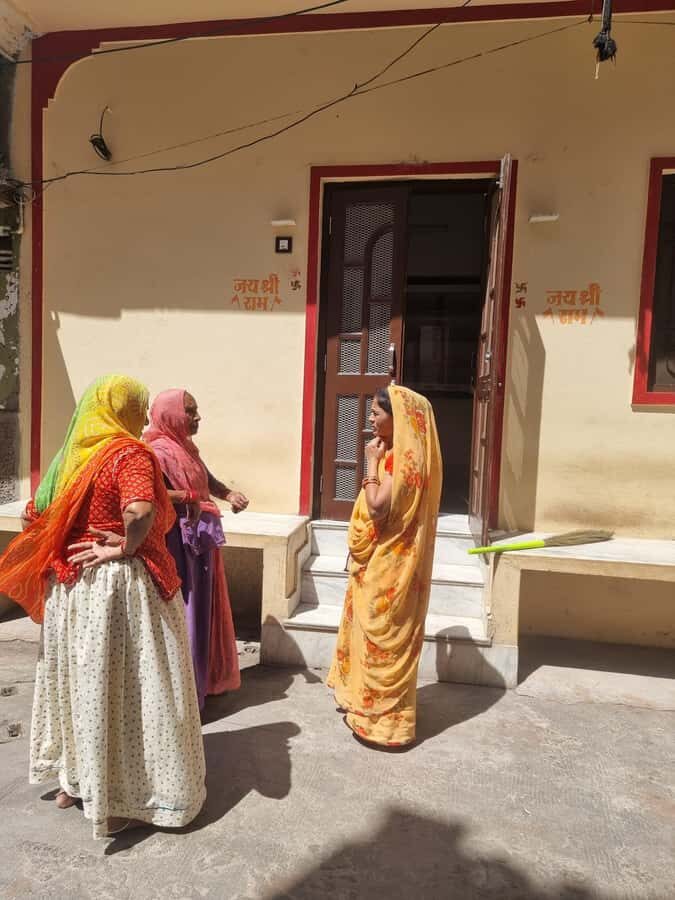
One of the most distinctive highlights is the traditional wedding market walk and the guide’s explanation of how arranged marriages are done.
Even if you’re not looking for personal cultural comparisons, it’s a fascinating window into how community life connects to family decisions. You’ll see what’s relevant in wedding preparations and how a wedding market works as a place where needs are found, not just decorations.
This part of the walk helps you understand that traditions aren’t random. They’re organized systems—goods, timing, and relationships—played out through people and local commerce. It’s the kind of story that makes the earlier market and craft stops feel more connected.
If you like cultural context and human stories, this segment is one of the best reasons to take the walk. If you prefer only monuments and viewpoints, it might be less your style—but it still adds meaning to what you’re seeing around you.
Price and Value: Getting More Than a City Stroll for $9
At $9 per person, the value is strong because you’re paying for three things at once:
- An in-person guide (Manish) who explains what you’re seeing, not just where to go
- Included refreshments: tea, local snacks, and drinking water
- Multiple stops across old streets, markets, crafts, and tasting moments
Could you do parts of this on your own? Yes, but you’d struggle to connect the dots. Markets are easy. Interpreting havelis, reading wall paintings, understanding why certain crafts matter, and getting a clear explanation of arranged marriages—those are exactly the areas where a local guide turns effort into understanding.
That’s why the low price feels more like a focused workshop than a casual walk. You get structure plus context.
Who Should Book This Walk (and Who Might Want to Skip)
This is best for you if you:
- want to see Udaipur as locals live it, through markets, crafts, and home architecture
- like food tasting with explanation, especially chai, snacks, and sweets
- enjoy cultural stories about family life and ceremonies, including wedding market basics
You might want a different option if you:
- dislike walking in crowded market lanes or want mostly open-air viewpoints
- prefer experiences that focus only on major monuments and minimal interaction with local crafts and markets
Also, because it’s a walking route with multiple stops, it suits people who can handle uneven sidewalks and steady foot time. Comfortable clothes and shoes are not optional here.
Should You Book This Walk with Manish?
Yes, if you want a fast start to understanding Udaipur. I see this as a great first-day activity because it helps you build a mental map: temple lanes, lake ghats, old residential streets, market logic, and craft making. After that, the rest of your time in the city feels less like wandering and more like you’re following a pattern.
The biggest reasons to book are simple:
- Manish’s stories connect architecture, markets, crafts, and family traditions into one readable route
- the pace includes meaningful tasting and craft viewing, not just photos
- the included tea, snacks, and water help you keep moving
If you like real local textures over staged attractions, this walk is a smart use of your time in Udaipur.
FAQ
Where does the walk start?
The experience starts at the stairs of Jagdish Temple.
Where does the walk end?
The activity ends back at the meeting point.
What’s included in the price?
It includes drinking water, tea, an in-person guide, and local snacks.
How much does it cost?
The price is $9 per person.
What languages are available?
The guide can offer the experience in English and Hindi.
What kinds of stops can I expect?
You’ll see old city streets and residential areas, plus markets (vegetables, grocery, and spices), craft communities (clay products, tree-leaf plates/bowls, hand-made metal utensils, bamboo baskets), and tasting stops (masala chai, local snacks, and sweets). There’s also a traditional wedding market walk.
What should I bring for the walk?
Wear comfortable clothes and comfortable footwear/shoes suitable for walking.
Is pay later and cancellation available?
The experience offers reserve & pay later and you can cancel up to 24 hours in advance for a full refund.