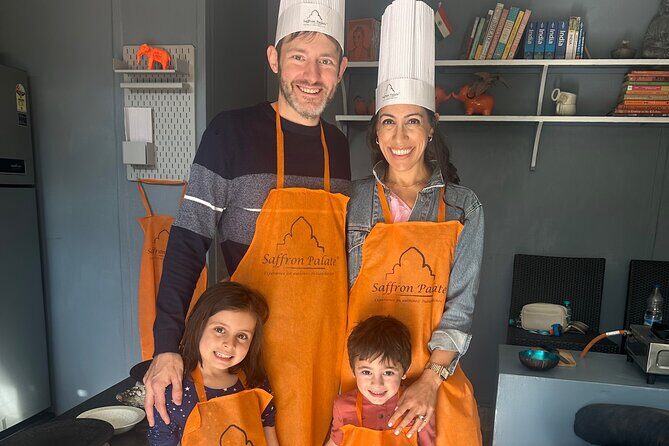
REVIEW · UDAIPUR
Farm to Table: With a local farmer family
Book on GetYourGuide →Operated by Strode Experiences · Bookable on GetYourGuide
Farm smells beat restaurant aromas. On the outskirts of Udaipur, this farm-to-table visit pairs a short walking tour with local temples and devras, then ends in the family’s cooking space.
I love the hands-on spice and cooking lesson. You’ll help shape Dal Bati dough for the wood-fired clay oven, make Churma, and later taste it all with Sarson Ka Saag, Gatte Ka Saag, and yogurt-based chaas.
One drawback: it’s not a polished show kitchen, and the venue may not match the photos. Also, since it’s outside town, you may need help with transport to the meeting point.
Key Points to Know Before You Go
- A guided farm walk that includes temples and devras for real village context, not just photo stops
- Farmer-led field time, with a chance to pluck fresh veggies straight from working plots
- Spice know-how you can use later, while you cook classic Rajasthani dishes together
- Hands-on Dal Bati Churma and gatte saag preparation, made in an open-air setup
- Cha as (yogurt buttermilk) that cools you down, plus snacks before the meal
- Dinner under a neem tree, sometimes paired with local musicians and artisans
In This Review
- What This 2-Hour Farm-to-Table Experience Is Really Like
- Arriving in the Village: Welcome, Temples, and Devras
- Farm Walk to Working Fields: Mustard Greens, Chickpeas, and Real Methods
- The Open-Air Kitchen Setup: Where Cooking Happens
- Your Cooking Lesson: Dal Bati, Churma, Sarson Ka Saag, and Gatte Ka Saag
- Dal Bati: Dough, Wood-Fired Clay Oven, and Lentil Curry
- Churma: Sweet, Crushed, and Tied to Jaggery
- Gatte Ka Saag: Chickpea Flour Dumplings in Spicy Curry
- Sarson Ka Saag: Mustard Greens as Main Character
- Cha as and Snacks: The Cooling Break Before the Feast
- The Neem-Tree Meal: Eating Together the Right Way
- Price and Time: Is $21 for 2 Hours Good Value?
- Getting There from Udaipur: The One Logistics Issue
- Language and Communication: English and Hindi Help
- Who Should Book This Tour
- Should You Book This Farm-to-Table Experience?
- FAQ
- Where is the farm-to-table experience located?
- How long does the experience last?
- What does the experience cost?
- What’s included in the price?
- Is transportation to the venue included?
- Where do I meet the host?
- What languages are available for the host or greeter?
- What dishes does the meal include?
- Is there a cooking lesson?
- What are the cancellation terms?
What This 2-Hour Farm-to-Table Experience Is Really Like
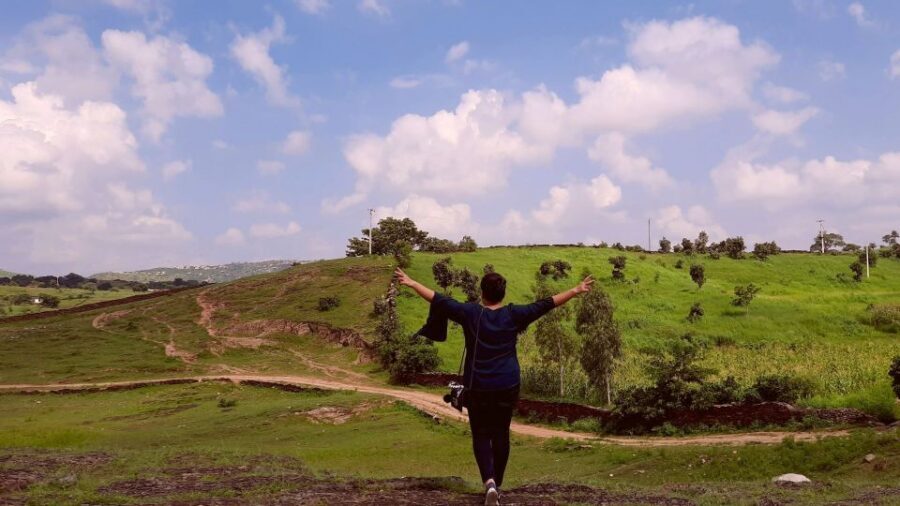
This is a short tour with a simple goal: you connect food to the land that grows it, and you eat it soon after. It’s based with a local farmer family near Udaipur, where the air smells earthy and the pace is human-scale.
What makes it interesting is the mix. You’re not just watching cooking from a distance. You walk the fields, meet the people doing the work, learn the spice logic, and then you sit down for a full group meal.
At a practical level, it’s also good value. For about $21 per person and 2 hours, you get farm time, a cooking lesson, multiple dishes, and cha as included. The “price” is basically covering food plus an English/Hindi host who translates the whole process into something you can taste and understand.
Arriving in the Village: Welcome, Temples, and Devras
The experience starts with a warm welcome in the countryside outside Udaipur. Expect a village feel right away: rolling fields, open air, and the slow rhythm of everyday rural life.
Then you begin with a short walking tour. This part matters because it places agriculture in a wider map of village culture. You’ll pass local temples and devras—small sacred spaces that help explain why village life has spiritual roots beside farming.
Even if you’re not big on religious sites, this is still useful. It helps you understand that crops, community, and tradition are all tied together. You’ll also get your first look at the kind of plants that later show up in your meal.
You can also read our reviews of more tours and experiences in Udaipur.

Farm Walk to Working Fields: Mustard Greens, Chickpeas, and Real Methods

After the initial village walk, the tour heads toward lush fields where the crops are actually grown. You might see plants like mustard greens and chickpea-related growing areas, and you’ll learn what traditional farming looks like at ground level.
You’re not just walking for scenery. You learn the basics of how crops are tended and why certain methods are used. That context turns the meal from “food I ate” into “food I now recognize.”
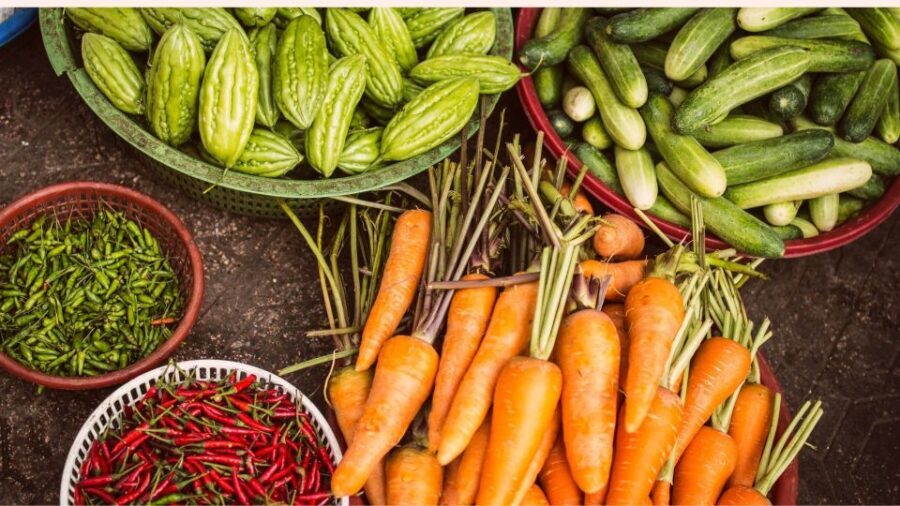
Then comes the interactive part: you and your group can plick fresh farm veggies with the farmers. This isn’t a long farm labor shift. It’s a hands-on moment that makes the ingredients feel real in a way supermarket produce never will.
The Open-Air Kitchen Setup: Where Cooking Happens
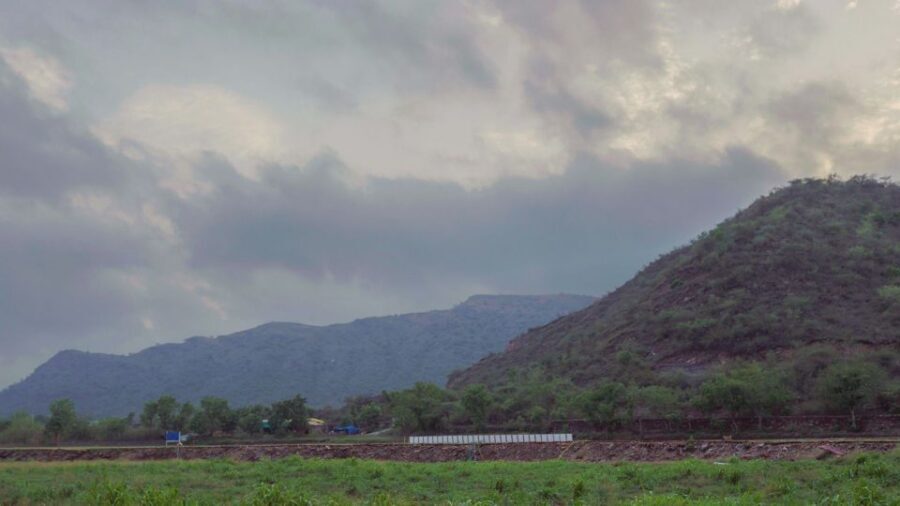
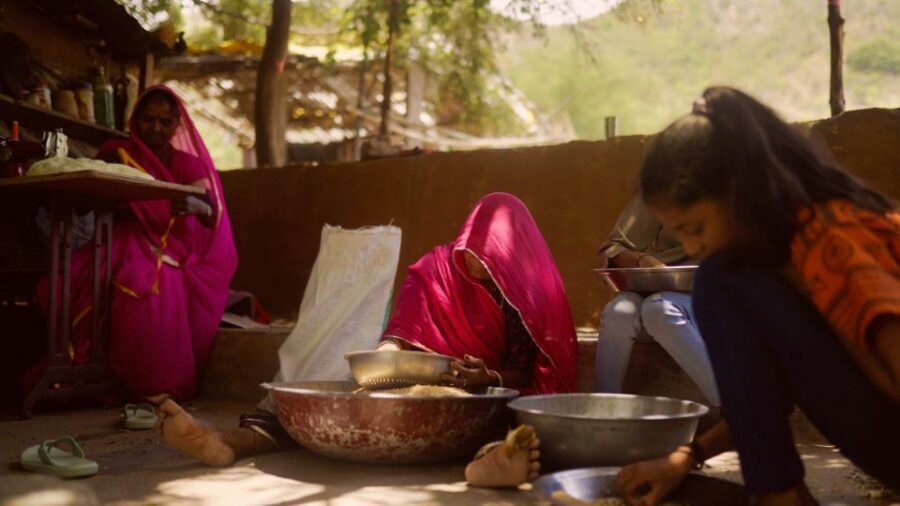
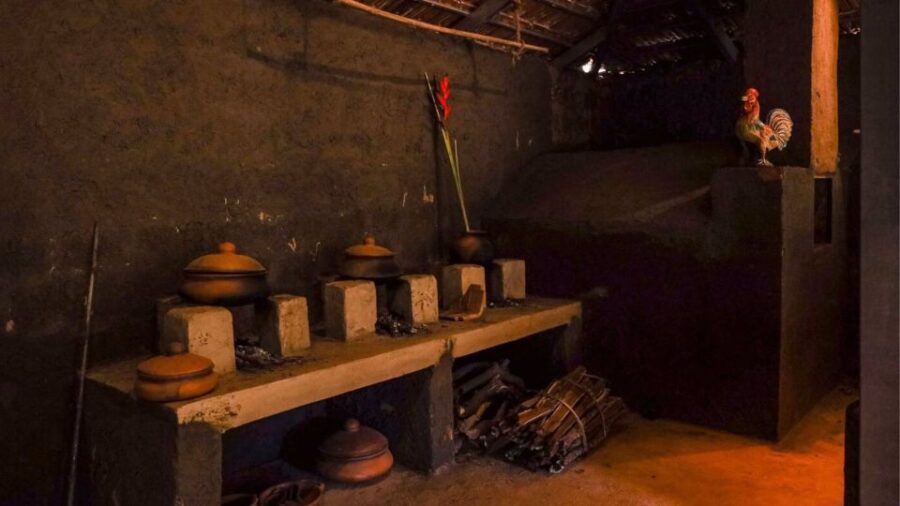
Next, you move from fields to an open-air kitchen where Rajasthani dishes are prepared. The setting is practical and local—think cooking over a traditional setup rather than a modern studio.
You’ll also get a cooking lesson focused on spices and technique. This is one of the best parts to prioritize, especially if you’re the type who wants to bring flavors home. You learn not only what goes in the pot, but the order and logic behind it.
Be ready for sensory overload in the best way: warm spices in the air, dough and flour textures, and food that smells like it’s been cooking “for real.” If you have sensitivities, tell the host early so they can guide you through the process comfortably.
Your Cooking Lesson: Dal Bati, Churma, Sarson Ka Saag, and Gatte Ka Saag
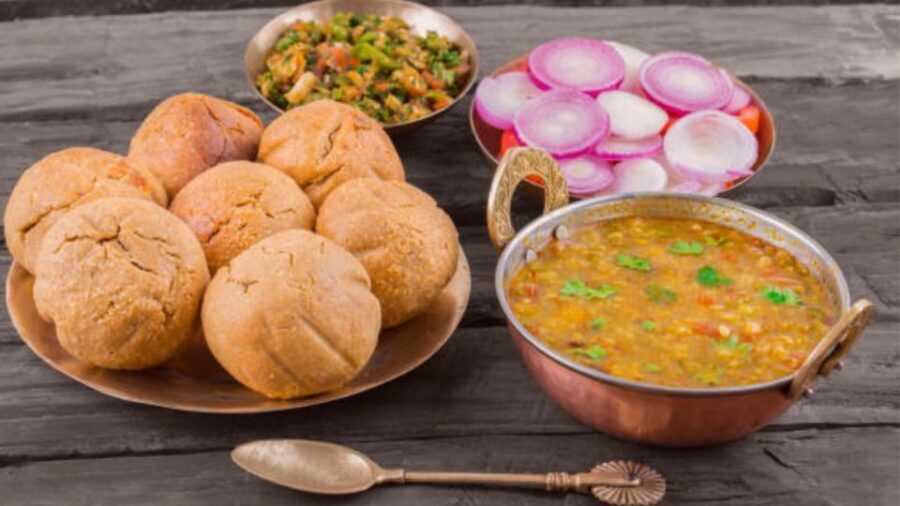
The food here is classic Rajasthan, broken into steps you can actually follow.
Dal Bati: Dough, Wood-Fired Clay Oven, and Lentil Curry
You’ll craft dough for battis (the baked bread pieces). The batis are baked in a wood-fired clay oven, which gives them a distinct character compared to anything oven-baked at home.
While batis cook, you’ll also learn the lentil curry side, using native masalas. Dal Bati works best as a team dish: you don’t just eat components—you eat the combination with purpose.






Churma: Sweet, Crushed, and Tied to Jaggery
Churma is the sweet part of the meal, made from crushed batis mixed with ghee and local jaggery. The point isn’t fancy plating. It’s texture and taste—something you can recognize as deeply local comfort food.
Gatte Ka Saag: Chickpea Flour Dumplings in Spicy Curry
Then comes Gatte ka saag. This uses chickpea flour dumplings cooked in a rich, spiced curry. It’s the kind of dish that feels satisfying even if you’ve never had it before.
You’ll likely notice how the cook treats spice like a tool, not a single ingredient. That’s the skill you’re learning: balance, timing, and adjustment.
Sarson Ka Saag: Mustard Greens as Main Character
The meal also includes Sarson Ka Saag, made from mustard greens. This is where your earlier field walk pays off. If you remembered the plants, you’ll feel the connection more clearly at the plate.
Cha as and Snacks: The Cooling Break Before the Feast
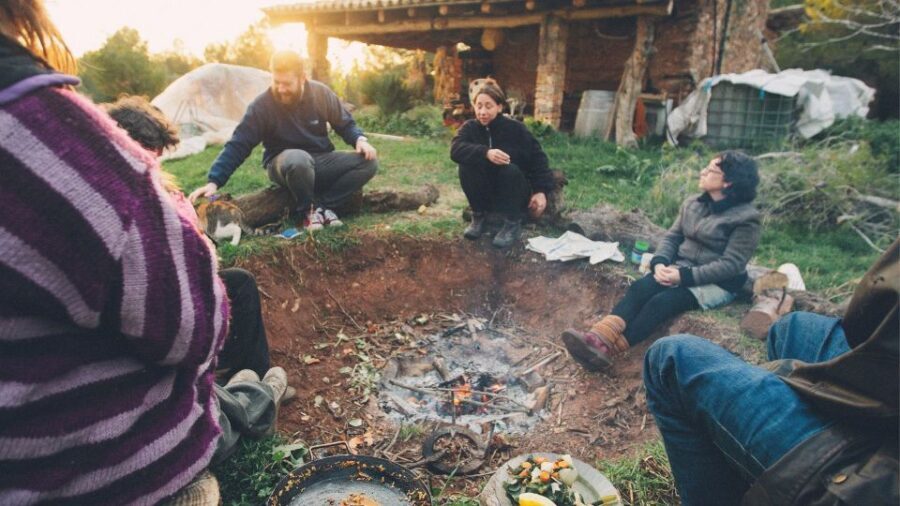
Before the full sit-down meal, you’ll get refreshments and snacks. A standout is cha as, the traditional buttermilk drink made of yogurt.
This matters because it resets you. You get spice warmth and then a cool, tangy drink that makes the next bite easier. It’s also a reminder that meals in rural kitchens often balance heat with cooling foods.
Snacks are served while dishes simmer. It keeps you fed and also gives you a chance to watch the final stages of cooking without feeling rushed.
The Neem-Tree Meal: Eating Together the Right Way
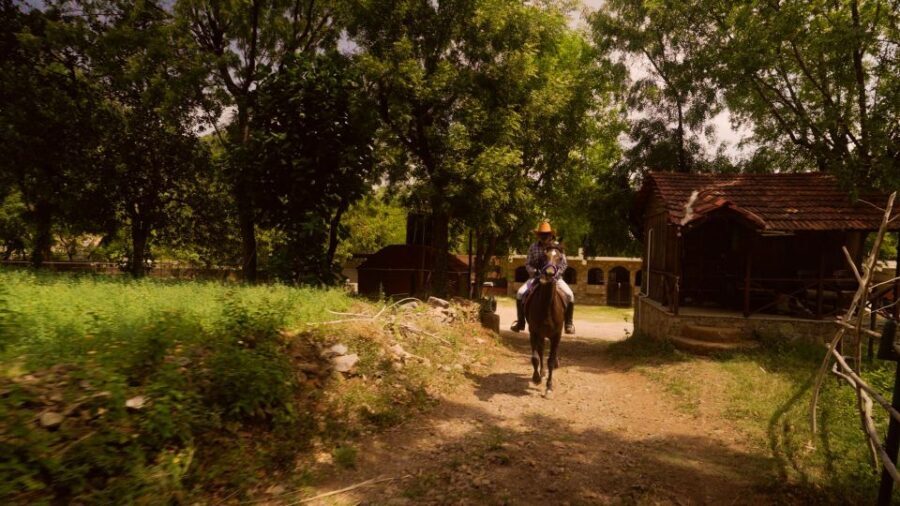
When the food is ready, you’ll eat as a group, typically under a neem tree. That’s not just atmosphere. It creates a shared, calm moment where everyone can focus on the same plate.
The meal set is built around what you helped with and what the kitchen prepared:
- Dal Bati Churma
- Sarson Ka Saag
- Gatte Ka Saag
- Cha as
If you enjoy communal meals—where you talk to people while you eat—this format is a plus. If you prefer quiet dining, you might feel the group energy more than you expect, but it’s still part of the cultural exchange.
In some cases, local artisans and musicians add to the experience. When that happens, it turns the meal from “food only” into an evening with a little performance energy.
Price and Time: Is $21 for 2 Hours Good Value?

$21 per person for 2 hours is a fair deal when you look at what’s included: farm time, a cooking lesson, multiple dishes, and cha as. You’re paying for access—access to a family kitchen, fresh ingredients, and the story behind the cooking.
The time is short by design. That’s good if you want a concentrated cultural hit without a full-day commitment. It’s also honest: this is not a “farm stay.” You’ll get hands-on moments, then you’ll eat and move on.
So the value is strongest if you like practical experiences—learning a dish, understanding ingredients, and tasting food straight after it’s prepared. If you only want sightseeing photos, you may find the cooking and hands-on parts feel like work. Still, it’s usually enjoyable if you go with curiosity.
Getting There from Udaipur: The One Logistics Issue
The experience is on the outskirts of Udaipur, so you may need help with transportation. The host will meet you at the meeting point, but the tour does not include conveyance.
If you don’t have your own car/driver, you can ask for help arranging a vehicle. Any vehicle charges are handled separately. In other words: the tour gives you local connection, and you handle the ride.
When you write to confirm, ask two things:
- What the closest landmark is at the meeting point
- How long the drive from central Udaipur usually takes
That keeps your arrival smooth and saves you from scrambling when the countryside roads are involved.
Language and Communication: English and Hindi Help
The host or greeter speaks English and Hindi. That’s a big deal here because cooking lessons work best when you can understand what’s happening step-by-step.
Even if your Hindi is basic, don’t worry. The experience is designed to be explained clearly, and you’ll also see processes directly, so you can learn with your eyes and hands.
Who Should Book This Tour
This fits best if you want more than a meal. It’s ideal for:
- Food lovers who want to understand spice and technique, not just taste
- People who like hands-on activities like dough shaping and plucking veggies
- Travelers who enjoy cultural context—temples, devras, and village rhythms
- Families or groups who want an easy, fixed-time activity near Udaipur
It’s also a good option if you’re trying to balance Udaipur’s more famous sights with something grounded and local.
Should You Book This Farm-to-Table Experience?
Yes, I’d book it if you care about how food gets made and you’re okay with a casual, local setup. The biggest payoff is the combination of farm interaction + cooking lesson + meal in a compact time window.
But go in with realistic expectations. This is not a slick, photo-perfect restaurant experience. The kitchen may look like a home kitchen, and that’s part of the authenticity. If you want a “luxury cooking class” vibe, you might not love the rustic feel.
My practical advice: bring comfortable clothes you can get dusty, and come hungry. You’ll spend the morning learning flavor basics, then you’ll eat what you helped make.
FAQ
Where is the farm-to-table experience located?
It’s located on the outskirts of Udaipur, in the surrounding countryside.
How long does the experience last?
The duration is 2 hours.
What does the experience cost?
The listed price is $21 per person.
What’s included in the price?
Food is included.
Is transportation to the venue included?
No. Conveyance is not included, though the activity information says you can request help arranging a vehicle with charges handled separately.
Where do I meet the host?
Your host will be waiting for you at the meeting point.
What languages are available for the host or greeter?
The host or greeter speaks English and Hindi.
What dishes does the meal include?
The meal includes Dal Bati Churma, Sarson Ka Saag, Gatte Ka Saag, and chaas (yogurt buttermilk).
Is there a cooking lesson?
Yes. You learn to make spice and you also prepare authentic Rajasthani dishes as part of the lesson.
What are the cancellation terms?
You can cancel up to 24 hours in advance for a full refund.