REVIEW · UDAIPUR
7-Days Rajasthan Tour – Explore Udaipur Jodhpur Pushkar Jaipur
Book on Viator →Operated by Udaipur Tour And Taxi · Bookable on Viator
Rajasthan can feel like sensory overload. This 7-day loop helps you focus it into something you can actually enjoy. You’ll move between Udaipur, Jodhpur, Pushkar, and Jaipur with a private AC driver, and you’ll hit royal architecture, temple stops, and fort views without doing the map puzzle every day. I especially like the convenience of pickup and drop-off plus a car that handles the long stretches comfortably. I also like that the route includes a mix of big-hitters and mood-changers, like Pushkar’s evening Aarti and Udaipur’s lake-and-garden stops. One thing to plan for: monuments entrance fees are not included, so your final spend will depend on which paid sights you choose.
This is a private tour for your group, so the pacing can feel more human than the usual bus-tour shuffle. The best part of the service, based on past guest feedback, is the driver support: names like Uday, Kailash, Mitesh, Bittu, Vishal, and Yaswant come up for safe driving and smooth coordination. Still, it’s seven days across four cities—so expect at least a little motion and time in the car.
In This Review
- Key highlights worth putting on your radar
- Price and value: what you’re really paying for
- How the private setup changes your days
- Udaipur first: airport-to-lake calm and easy starter sights
- Udaipur day two: palaces, culture museums, classic cars, and Monsoon Palace views
- City Palace of Udaipur (about 2 hours)
- Saheliyon ki Bari (about 1 hour)
- Bharatiya Lok Kala Mandal (about 1 hour)
- Bagore Ki Haveli Museum (about 1 hour)
- Vintage Collection of Classic Cars Museum (about 1 hour)
- Sajjangarh Monsoon Palace (about 2 hours)
- Karni Mata Temple Udaipur (about 1 hour)
- One practical note for this day
- The Ranakpur detour: why this stop matters before Jodhpur
- Jodhpur: Mehrangarh Fort, Jaswant Thada, and a palace-turned museum
- Mehrangarh Fort (about 2 hours)
- Jaswant Thada (about 1 hour)
- Umaid Bhawan Museum (about 1 hour)
- Pushkar transfer with evening Aarti (about 4 hours)
- Pushkar: Brahma Temple and a lake with ritual life
- Jagatpita Brahma Mandir (about 1 hour)
- Pushkar Lake (about 2 hours)
- Jaipur arrival (about 3 hours on travel/leisure)
- Jaipur Day 6: Amer, Jal Mahal, Hawa Mahal, Jantar Mantar, City Palace, and Albert Hall
- Amer (about 2 hours)
- Jal Mahal (about 15 minutes)
- Royal Gaitor Tumbas (about 30 minutes)
- Hawa Mahal (about 45 minutes)
- Jantar Mantar (about 45 minutes)
- City Palace of Jaipur (about 2 hours)
- Albert Hall Museum (about 1 hour)
- Jaipur Day 7: Jaigarh, Nahargarh, Birla Mandir, and Patrika Gate
- Jaigarh Fort (about 1 hour)
- Nahargarh Fort (about 2 hours)
- Birla Mandir Temple (about 30 minutes)
- Patrika Gate (about 30 minutes)
- Final drop-off in Jaipur (about 30 minutes)
- What I’d watch out for before booking
- Who this 7-day Rajasthan loop suits best
- Should you book it?
- FAQ
- Is the tour private or shared?
- How many people can be in the group?
- Does the tour include pickup and drop-off?
- Is the driver English-speaking?
- Are hotels and meals included?
- Are monument entrance fees included?
- What transportation is included during the trip?
- Does the tour provide a mobile ticket?
- Is free cancellation available?
Key highlights worth putting on your radar
- Private AC vehicle with an English-speaking driver: less hassle, more time for photos and questions
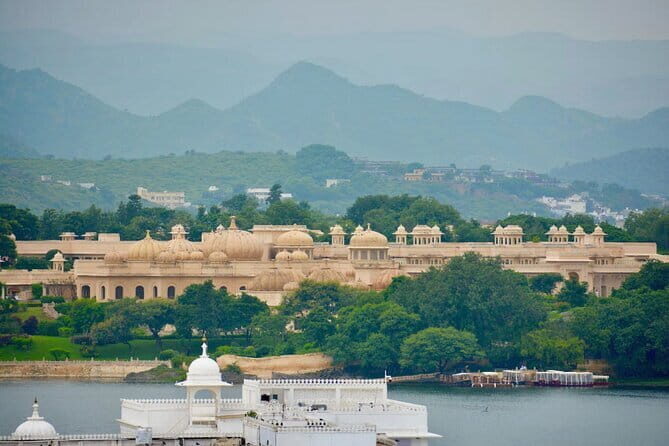
- Lakeside Udaipur + fort country: you get two different sides of Rajasthan in one trip
- Pushkar evening Aarti at the ghat: a short ritual stop that adds real atmosphere
- Mehrangarh Fort and Jaipur’s major landmarks: the type of sights that justify the trip
- Museums and craft culture stops: not just palaces and temples, but how people lived
- Free timing blocks included: several attractions are marked as admission free in the plan, helping budget control
Price and value: what you’re really paying for
The headline price is $921.46 per group (up to 3) for about 7 days. That group price matters because it’s not priced per person in a way that turns a family trip into a small mortgage. What you’re paying for is the private ride: a private AC vehicle, an English-speaking driver, fuel, parking, tolls, and driver allowance are included.
Where you need to be ready: accommodation, meals, and monuments entrance fees are not included. Also, the plan lists some stops as admission ticket free and others as not included—so your total cost can swing. If you want maximum convenience and minimal surprises, ask what’s typically paid versus free for each day’s highlights, and budget a little extra just in case.
For value, this route is a strong “big-picture” Rajasthan sampler. You’re covering Udaipur → Jodhpur → Pushkar → Jaipur, with a major detour to Ranakpur along the way. If you’ve ever felt stuck choosing between Rajasthan cities, this format gives you a clean sequence.
You can also read our reviews of more tours and experiences in Udaipur.

How the private setup changes your days
A private tour is more than comfort. It changes decision-making. You’re not stuck with someone else’s rhythm. If you want to linger at a fort viewpoint, pause for a bathroom stop, or grab a snack before a temple visit, your driver can help manage timing.
A few more practical points from the plan details:
- You get pickup and drop-off from the airport or railway station at the start and end (and the end includes leaving from Jaipur to your next location).
- You’ll have a mobile ticket, which usually makes entry and coordination easier.
- The tour is described as requiring only moderate physical fitness—which matters because forts, palaces, and temple stairs can add up even when you take it slow.
- It’s only your group. The tour is private, not shared with strangers.
Udaipur first: airport-to-lake calm and easy starter sights
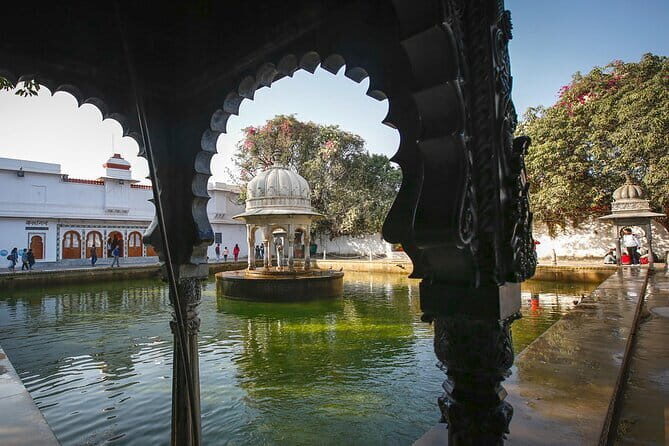
Udaipur is a smart first city because it sets the tone. Your day starts with driver pickup from the airport or railway station and transfer to your hotel, then checking in and refreshing before sightseeing.
From there, you get a gentle opening with two classic “feel the city” stops:
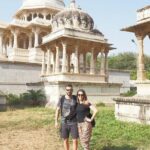
- Ahar Cenotaphs (about 1 hour): This site connects you to the Mewar commemorations dating back to around 1710, tied to Maharana Amar Singh II. It’s not only pretty; it gives context for why Udaipur still feels ceremonial.
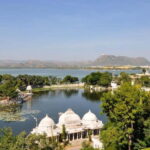
- Fateh Sagar Lake (about 1 hour): It’s one of the lake scenes Udaipur is built around, with multiple islands. It’s a calmer stop that breaks up the travel energy.
I like that Day 1 doesn’t cram. You get the setting fast, then you can handle the heavier sightseeing later.
Udaipur day two: palaces, culture museums, classic cars, and Monsoon Palace views
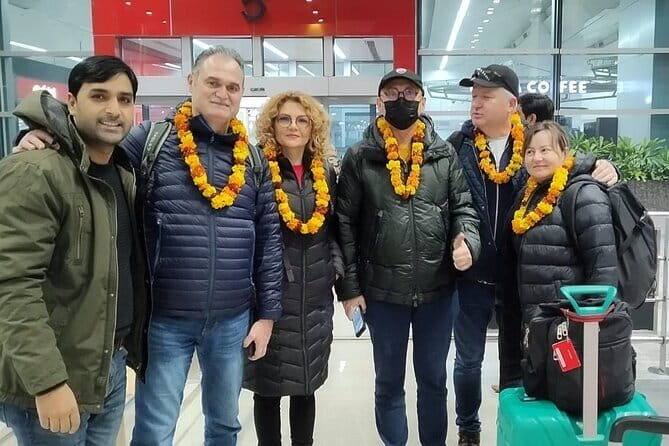
Day 2 leans into the “Udaipur for first-timers” checklist, but it’s not only one kind of attraction. You’ll go from royal power to folk culture to lakefront museums.
Here’s how the day flows and what each stop is for:
City Palace of Udaipur (about 2 hours)
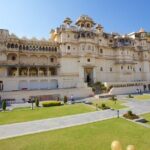
This is your anchor. The palace complex rises above Lake Pichola and is often the first major building people associate with Udaipur. It’s listed as not included for admission, so this is one of the places where your budget may add a ticket fee.



Saheliyon ki Bari (about 1 hour)
If you want a break from formal palace rooms, this garden delivers. It’s known for fountains and green lawns and is tied to a royal retreat built for women of the palace in the 18th century. Even if you’re not a “garden person,” the change of pace is valuable.
Bharatiya Lok Kala Mandal (about 1 hour)
This museum focuses on Rajasthan’s folk arts, music, and festivities. It’s a good counterweight to the forts-and-palaces side of the trip, and it helps you connect what you’re seeing later in Jodhpur and Jaipur with how culture is actually performed.
Bagore Ki Haveli Museum (about 1 hour)
Lakefront location at Gangori Ghat. This one is great if you like seeing domestic history—how a palace structure becomes a museum, and how the past is arranged for modern visitors.
Vintage Collection of Classic Cars Museum (about 1 hour)
Odd in the best way. It’s a break from the heavy symbolism and a chance to see royal tastes in a totally different category. If you’re traveling with someone who doesn’t want only temples and towers, this stop often wins goodwill.
Sajjangarh Monsoon Palace (about 2 hours)
This palace sits on a hilltop and was originally meant for watching monsoon clouds. The value here isn’t only the building; it’s the viewpoint idea—your eyes can follow the city layers and lakes.
Karni Mata Temple Udaipur (about 1 hour)
A spiritual stop near the Machla Magra Hills area, dating back about 500 years (around 1530). This adds a grounded, everyday faith dimension to a day that could otherwise feel all ceremonial and scenic.
One practical note for this day
This is a long “collector day.” You’ll probably want:
- Comfortable shoes
- A light snack plan
- Time for water breaks between stops
Your driver can help keep the order sensible, but your body still has to do the walking.
The Ranakpur detour: why this stop matters before Jodhpur
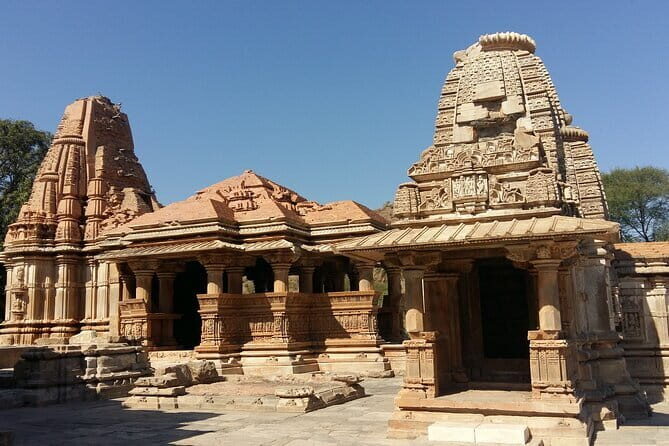
On the way from Udaipur toward Jodhpur, you get breakfast, check out, and then a stop at Ranakpur Jain Temple (about 2 hours). This is listed as “free” for admission in the plan, but check the exact entry situation on the day.
What makes Ranakpur special in the plan details is the architecture and the marble craftsmanship—especially the carved idol of Parshvanatha made from a single marble slab, featuring 1008 snake heads. Even if you don’t know Jain symbolism, you’ll feel the craft precision.
Then you continue to Jodhpur and check in.
Jodhpur: Mehrangarh Fort, Jaswant Thada, and a palace-turned museum
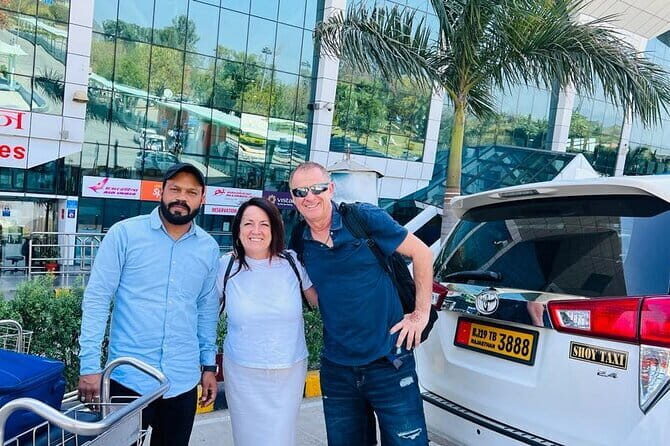
Jodhpur is fort energy with a city at the edges. Day 4 is where it really pays off.
Mehrangarh Fort (about 2 hours)
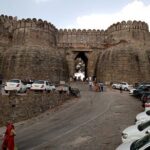
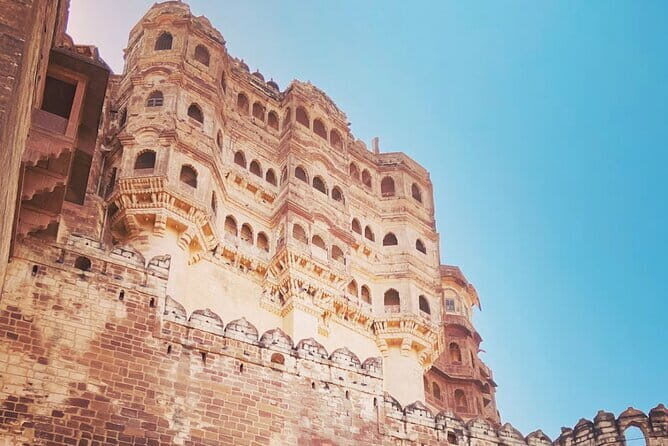
This is one of the largest forts in Rajasthan and a museum setting for relics from Indian courtly life. It’s not marked as free for admission, so plan for a ticket cost here.
If you’re the kind of person who likes understanding why buildings were built, Mehrangarh gives you that. A fort is power in stone—plus the views around it are the kind you remember after the trip.
Jaswant Thada (about 1 hour)
A white marble cenotaph built in 1899, often referred to as the Taj Mahal of Marwar. It’s a shorter stop but visually rewarding, and it pairs well right after Mehrangarh because it feels like the next chapter: memorial beauty after military power.
Umaid Bhawan Museum (about 1 hour)
A palace turned into a museum. You’ll get a sense of royal life and the transition from palace space to public history.
Pushkar transfer with evening Aarti (about 4 hours)
Then the day changes gears. You travel onward to Pushkar, check in, and witness the evening Aarti ceremony at Pushkar Ghat. This is one of the best “atmosphere per hour” inclusions in the whole route. Even if you’re tired, it’s short enough to stay enjoyable.
Pushkar: Brahma Temple and a lake with ritual life
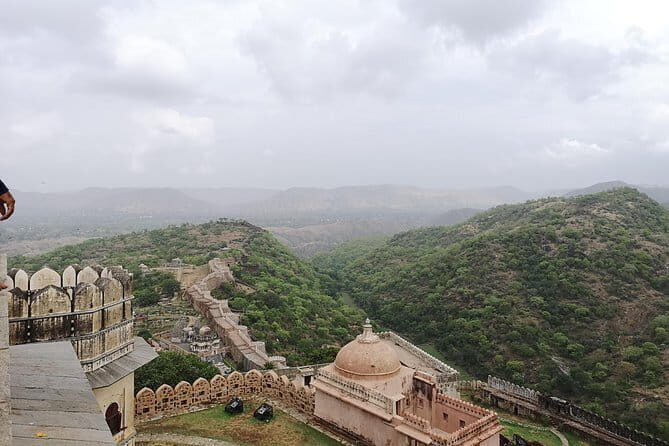
Day 5 is more spiritual and slower. You start with:
Jagatpita Brahma Mandir (about 1 hour)
Dedicated to Lord Brahma, located near Pushkar Lake, described as over 2000 years old. It’s marked as admission free in the plan, so this helps keep the day cost-friendly.
Pushkar Lake (about 2 hours)
The lake is the center of Pushkar’s ritual world, surrounded by 52 ghats, each associated with rituals and symbolism. This is the point where the town stops being a stop between bigger cities and becomes its own place with rules, meaning, and daily movement.
Jaipur arrival (about 3 hours on travel/leisure)
After Pushkar, you head to Jaipur and check in. The plan gives you leisure time after arrival—valuable because Jaipur sightseeing can be intense. If you want to eat early, rest, and set yourself up for an active Day 6, this downtime helps.
Jaipur Day 6: Amer, Jal Mahal, Hawa Mahal, Jantar Mantar, City Palace, and Albert Hall
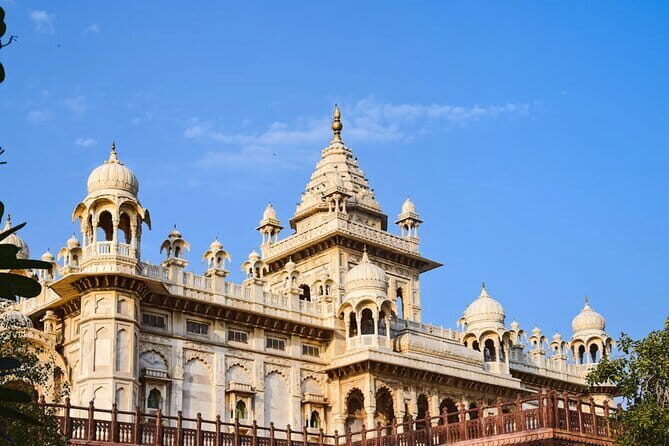
Jaipur is the “see-it-all” city, so Day 6 needs to be organized. The plan does that by grouping the big sights into a logical order.
Amer (about 2 hours)
Amer is about 11 km from the city center, so you’re not only sightseeing—you’re also starting to see how Jaipur’s geography supports royal building decisions.
Jal Mahal (about 15 minutes)
Jal Mahal is a palace-like structure in the lake. The plan notes it’s built for an enchanting lake view and follows traditional Rajputana architecture. It’s short, so treat it as a quick visual breather and photo stop.
Royal Gaitor Tumbas (about 30 minutes)
These are royal cenotaphs and tombs. This stop is useful because it shifts you from public-facing forts and palaces into a more private, memorial space.
Hawa Mahal (about 45 minutes)
The Palace of Wind, built in 1799 by Maharaja Sawai Pratap Singh and designed by Lal Chand Ustad. It’s famous for its facade concept—more than for being a single-room museum. Expect crowds in many contexts, but the structure is still a must.
Jantar Mantar (about 45 minutes)
An observatory with 19 stone instruments used for measuring celestial positions and distances. If you like science-as-craft, this is the spot. It’s also a great counterbalance to the earlier memorial and palace sections.
City Palace of Jaipur (about 2 hours)
This complex was constructed by Maharaja Sawai Jai Singh II, founder of Jaipur. It’s listed as not included for admission, so again: expect a paid entry here.
Albert Hall Museum (about 1 hour)
A major museum with Rajasthani art and miniature paintings highlighted in the plan. This is where your “architecture day” becomes “culture day,” so you end with a softer landing.
Jaipur Day 7: Jaigarh, Nahargarh, Birla Mandir, and Patrika Gate
Day 7 adds fort lookouts plus modern Jaipur visual landmarks.
Jaigarh Fort (about 1 hour)
Overlooking Jaipur and known for the Jaivana canon, described in the plan as the largest canon in the world. It’s not marked free for admission.
Jaigarh is worth it for the skyline view idea—forts on hills make sense when you see how a city was meant to be watched.
Nahargarh Fort (about 2 hours)
Set on the ridge of the Aravalli Hills, constructed during Jai Singh’s reign and expanded later. This gives you another angle on Jaipur and a different fort vibe than Jaigarh.
Birla Mandir Temple (about 30 minutes)
Also known as Laxmi Narayan Temple, built by the Birla family in 1988. It’s marked as admission free in the plan. It’s a good “reset” stop after fort days.
Patrika Gate (about 30 minutes)
A photo-friendly architectural entrance to Jawahar Circle. It’s described as adorned with designs and bright frescoes—short, colorful, and easy to fit near the end.
Final drop-off in Jaipur (about 30 minutes)
After check-out, the driver takes you to the airport, railway station, or any desired location in Jaipur. This is one of those details that saves stress on your departure day.
What I’d watch out for before booking
This trip is a strong “see the highlights” Rajasthan plan, but you should go in with realistic expectations:
- Entrance fees add up. Several major sights are explicitly listed as admission not included, so your final budget depends on your ticket choices.
- You’ll be on the move. Four cities in seven days means drive time is part of the deal.
- Fort days can be physically demanding. Even with moderate fitness requirements, you’ll still walk and climb in places.
- Meals and lodging are on you. The tour handles sights and the driver; you handle hotels and eating.
If you like a structured plan but also want a little flexibility, this is a good match.
Who this 7-day Rajasthan loop suits best
This tour fits best if you:
- Want Udaipur + Jodhpur + Pushkar + Jaipur without choosing only one or two cities
- Prefer private driving over group buses
- Care about royal architecture, forts, and a couple of cultural museums
- Appreciate one or two spiritual and ritual moments (Pushkar Aarti, Brahma Temple)
If you want deep, slow travel in one city for many days, you might find the pacing intense. This is built for coverage and variety, not one-city immersion.
Should you book it?
Yes, if your goal is a well-organized Rajasthan highlights circuit with low logistics stress. The private AC vehicle, English-speaking driver, and included fuel/parking/tolls are exactly the kind of value that makes a “big trip” feel manageable. I’d book this especially if you’re traveling with up to three people, because the group pricing keeps the ride costs from ballooning.
I’d hesitate only if entrance fees are a hard no for your budget, or if you hate being in transit between cities. If you’re fine with paying for key paid sights and you’re comfortable with a packed seven days, this tour is a solid, efficient way to experience Rajasthan’s main personalities.
FAQ
Is the tour private or shared?
This is a private tour/activity. Only your group will participate.
How many people can be in the group?
The price is per group and is listed as up to 3.
Does the tour include pickup and drop-off?
Yes. Hotel or airport pickup and drop-off are included, and at the end you’ll be driven to the airport, railway station, or another desired location in Jaipur.
Is the driver English-speaking?
Yes. The tour includes an English-speaking driver.
Are hotels and meals included?
No. Accommodation (hotels) and any meals are not included.
Are monument entrance fees included?
No. Monument entrance fees are not included. Some stops are marked as admission ticket free in the plan, but others are not.
What transportation is included during the trip?
A private AC vehicle with the driver is included, along with fuel charge, parking fees, toll tax, and other taxes.
Does the tour provide a mobile ticket?
Yes. Mobile ticket is included.
Is free cancellation available?
Yes. You can cancel up to 24 hours in advance for a full refund. If you cancel less than 24 hours before the start time, the amount paid will not be refunded.