REVIEW · VARANASI
Sarnath – Where Buddha preached his first sermon of Buddhism
Book on Viator →Operated by Monu Tours · Bookable on Viator
Buddha’s first sermon site is close to Varanasi. This Sarnath outing follows the thread from Bodh Gaya to where the story of Buddhism begins in earnest, with stops at major landmarks like Dhamekh Stupa. You’ll also spend time at Sarnath’s sacred spaces with a licensed guide from Monu Tours.
I especially loved how the guide, Monu, keeps the walking calm and sensible, even through busy streets. The other big win is the way he explains what you’re seeing in a lively, not-too-heavy way, so you don’t feel stuck listening to a lecture. One consideration: you’ll want good weather, and the Sarnath Museum won’t be on the schedule when it’s closed on Fridays.
In This Review
- Key highlights worth your attention
- Sarnath: the first-sermon destination tied to Bodh Gaya
- Traveling with Monu: a tour that feels safe and conversational
- Getting oriented near Hotel Ganges Grand, then heading to Sarnath
- Stop 1: the main Sarnath site and what to watch for
- Stop 2: Dhamekh Stupa and how to understand the landmark
- Stop 3: Sarnath Museum—worth it, but plan for Friday
- The other temple and monastery vibe around the route
- Price and value: what $60 buys you in 3 hours
- Group size, timing, and what to expect on the ground
- What to wear and how to plan your day
- Who this tour is best for
- Should you book this Sarnath first-sermon tour with Monu Tours?
- FAQ
- Where does the tour start?
- What time does the tour begin?
- How long is the Sarnath tour?
- Is the ticket mobile?
- What’s included in the price?
- Is dinner included?
- How big is the group?
- Is Sarnath Museum open every day?
- Is the tour refundable if I cancel?
- What happens if the weather is poor?
Key highlights worth your attention
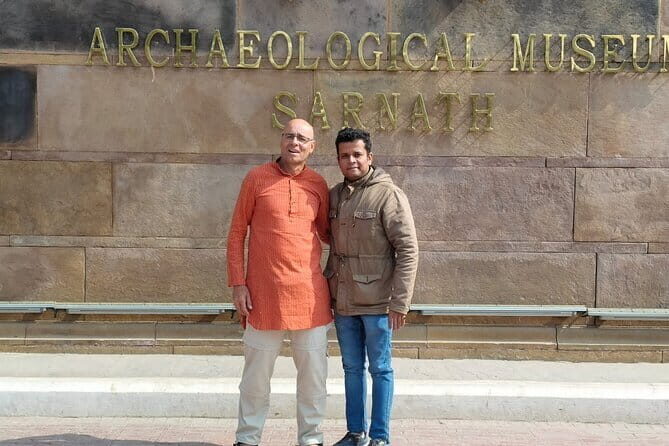
- A first-sermon stop, not a random temple hop: you’re anchored to the sites tied to Buddha’s early teaching.
- Monu Tours guides you with confidence: the vibe is safe, with you knowing where you’re going.
- Dhamekh Stupa is a real orientation point: you get context for why it matters.
- Sarnath Museum fits the story—when it’s open: you’ll be nudged to plan around Friday closures.
- Short, focused timing (about 3 hours): ideal if you want something meaningful without eating your whole day.
- All fees and taxes included: the $60 cost is cleaner than many add-on-heavy tours.
Sarnath: the first-sermon destination tied to Bodh Gaya
Sarnath is the kind of place that feels instantly important the moment you arrive. The core idea here is simple and powerful: after enlightenment at Bodh Gaya, Buddha delivered his first sermon in Sarnath, and that is what gives the area its pull. This tour keeps that thread at the center, so you’re not just collecting sights.
What you’ll enjoy is that the setting works on two levels. You get the spiritual, reflective side of the Buddhist landscape, and you also get a practical sense of place—how Sarnath became a long-running center of teaching and pilgrimage. That mix is what makes this feel more than a checklist stop.
You can also read our reviews of more tours and experiences in Varanasi.



Traveling with Monu: a tour that feels safe and conversational
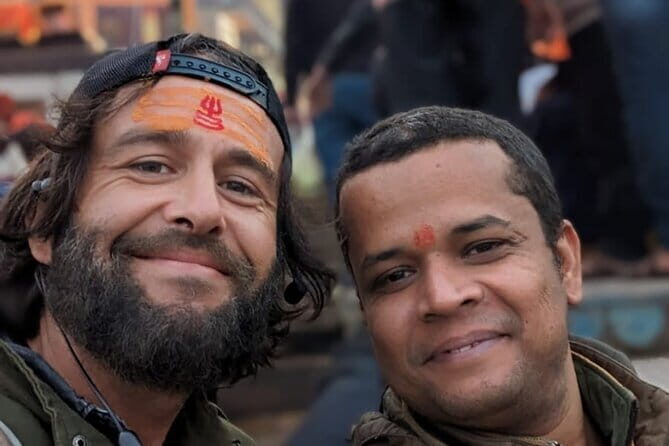
One of the most valuable parts of this experience is the person guiding it. You’re with a licensed professional tourist guide approved by the Ministry of Tourism, and the guide name you’ll see here is Monu (Monu Tours). That matters in Varanasi, where streets can feel hectic and you don’t want to waste your energy figuring things out.
I like how Monu’s guidance comes across as balanced and interactive. The best part is not being talked at for hours. Instead, you get clear explanations at the right pace—enough to help the sites click, without turning the day into a monologue.
You’ll also appreciate that the tour is designed around easy navigation. Reviews specifically mention feeling safe walking through busy streets while still moving at a human speed. In a city where people move fast, that’s a real quality-of-life win.
Getting oriented near Hotel Ganges Grand, then heading to Sarnath
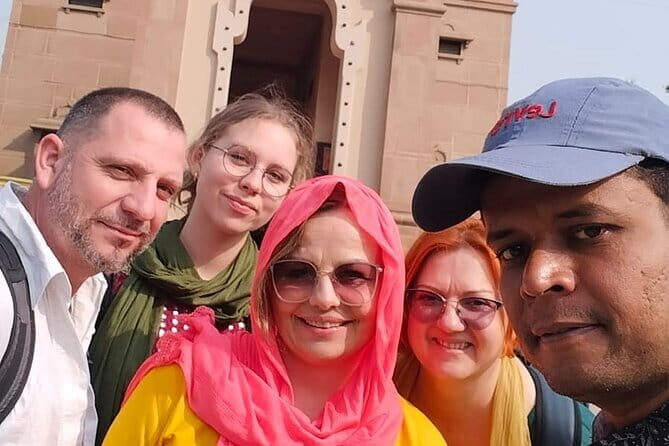
The tour starts at Hotel Ganges Grand in Varanasi, in front of the Marwari Hospital building on Dashashwamedh Ghat Road. The start time is 9:00 am, and the tour ends back at the meeting point, so you’re not left figuring out the return leg.
That morning timing is a practical advantage. You’ll be traveling before the day fully heats up, and you’ll get more comfortable light for looking around. It also fits well if you’re staying near the ghat area, since the meeting point is right where many people want to be anyway.
Because the group size can be up to 30 travelers, you should expect a lively but still manageable atmosphere. You’ll want to keep your phone handy for the details you’re asked to remember, and since the tour uses a mobile ticket, you won’t have to worry about printing anything.
Stop 1: the main Sarnath site and what to watch for

The first stop is the famous Buddhist Temple area in Sarnath, where Buddha preached his first sermon after enlightenment at Bodh Gaya. This isn’t just a “pretty temple moment.” It’s a chance to see how the physical setting reinforces the meaning—holy ground with a teaching legacy.
When you arrive, take a minute before rushing in. Look for the layout cues that show you how people move through the space: where worship is focused, where pathways lead, and how the area is used by visitors. This helps you connect the place to the story you’re being told.
What I like here is that the tour doesn’t treat Sarnath as only one monument. You’re guided through the idea of a sacred zone, with time to absorb the atmosphere without feeling stalled. If you prefer guided context over wandering alone, this stop does that job well.
Stop 2: Dhamekh Stupa and how to understand the landmark
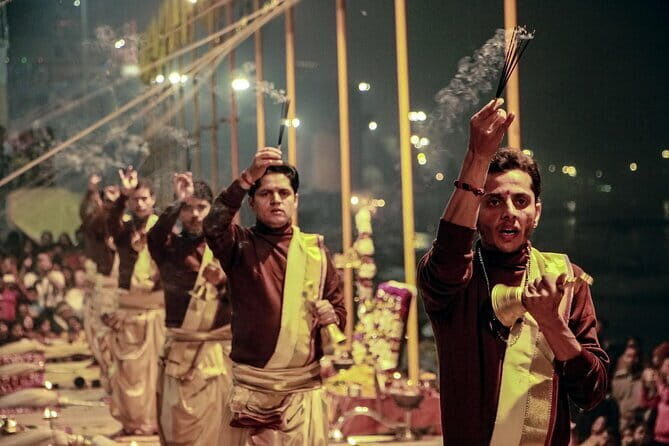
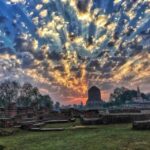
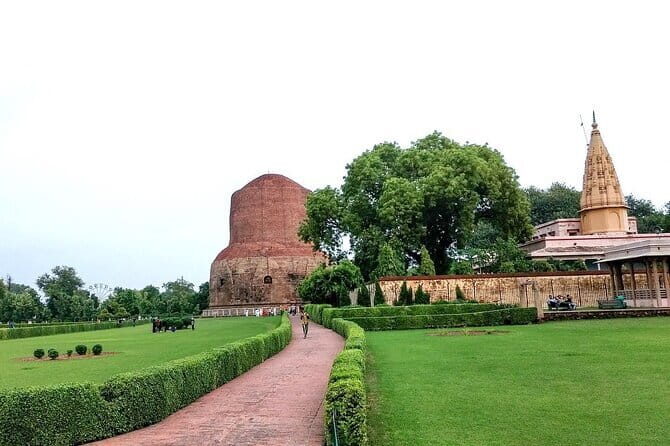
Next you’ll visit Dhamekh Stupa, one of the signature structures in Sarnath. This is where the tour becomes more “see and understand.” A stupa can look straightforward from afar, but with the right framing it turns into a map of meaning.
Use this stop to practice a simple approach: stand where you can see the stupa clearly, then listen for the specific details tied to why it’s important. In a good guided visit, you’re not just hearing what a site is called—you’re learning what makes it a recognizable marker in Buddhist history and worship.
The advantage of doing Dhamekh Stupa early in the tour is that it gives you a reference point. After you get oriented here, the rest of the visit feels more connected.



Stop 3: Sarnath Museum—worth it, but plan for Friday
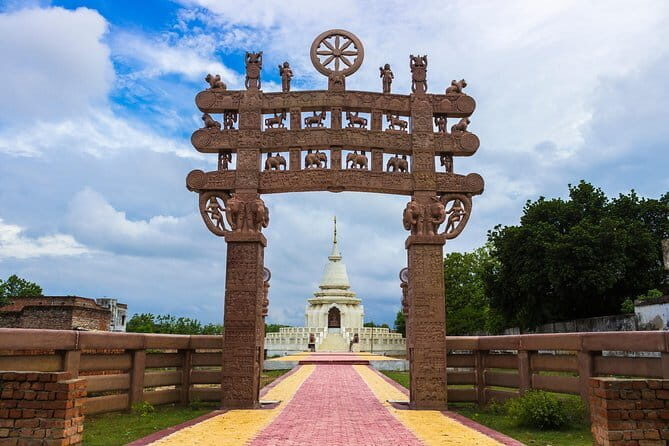
The last main stop is Sarnath Museum. A museum visit is often the fastest way to fill the gaps between what you see on the ground and what it all means historically and culturally.
One important heads-up: the museum is closed every Friday. That can affect the flow of your tour day, so treat Friday plans as flexible. If your schedule lands on a Friday, expect the focus to shift toward other temple and monastery views instead of the museum time.
If you like understanding what you’re looking at—inscriptions, artifacts, and explanations that make the sites click—this stop is a high-value add. If you prefer a lighter day, you can still enjoy the sacred spaces without needing the museum to have a great experience. The key is matching your curiosity level to the day you book.
The other temple and monastery vibe around the route
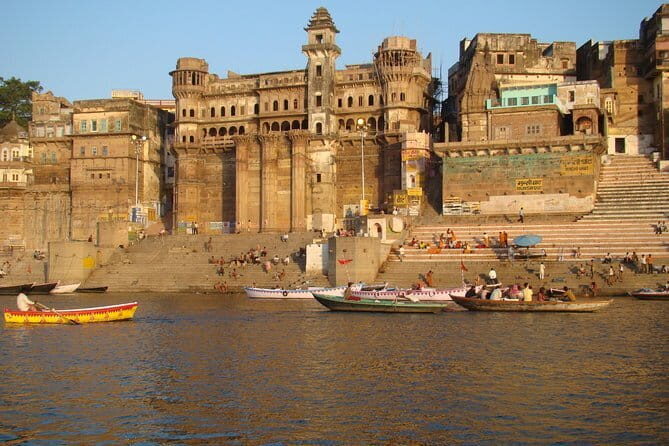
Even though the centerpiece is Sarnath’s Buddhist story, the tour experience can include additional temple stops and monastery atmosphere during your time out. Reviews mention places like Tulsi Manas Temple, Sankat Mochan Hanuman Temple, and Durga Temple, plus time connected to the Varanasi area like Banaras Hindu University.
That mix helps in a subtle way. You start to see Varanasi as more than a one-theme city. It’s where different religious traditions share space in the same urban fabric. So while the tour’s mission is Buddhist history at Sarnath, the surrounding context helps you understand the living, everyday spiritual energy that shapes the city.
You may also get a sense of the area through movement—walking through older parts of town and along the riverfront feel of the ghats. Even in a short tour, that kind of local pacing makes the experience feel real, not staged.
Price and value: what $60 buys you in 3 hours
The price is $60.00 per person for approximately 3 hours, and it includes all fees and taxes. Dinner isn’t included, but this is a morning-friendly tour that leaves you time afterward to eat on your schedule.
Here’s how I’d judge value: this isn’t just admission to Sarnath sights. You’re paying for a guided route with a licensed professional, plus a tight timeframe that helps you see the right highlights without wasting hours. For many visitors, that’s the hidden benefit—time saved and context gained.
Also, mobile ticketing and a clear start/end back at the meeting point reduce friction. You don’t have to coordinate multiple pieces. When a tour is well-organized, you feel it in how smoothly the morning flows.
If you’re comparing options, I’d focus less on whether it’s “cheap” and more on whether you want a guided explanation at the right sites. For me, getting the meaning right is what makes Sarnath special, and this format supports that.
Group size, timing, and what to expect on the ground
With a maximum of 30 travelers, you’re unlikely to feel lost in a crowd, but you also shouldn’t expect a private tour feel. You’ll move with the group, and you’ll have moments to slow down once the guide sets the context.
The start time is 9:00 am, and the tour is about 3 hours total. That’s a sweet spot for many visitors: long enough to understand the key sites, short enough to keep your day flexible.
You should also plan for walking. The route includes temple visits and street movement, and reviews highlight walking through busy streets while feeling safe with Monu. Wear comfortable shoes and expect a bit of city stamina work.
What to wear and how to plan your day
This is a sacred-site visit, so dress with respect and practicality. You don’t need anything fancy, but you do want clothing that lets you move comfortably and that fits temple norms.
Bring water, and don’t ignore sun protection. The tour depends on good weather, so if it’s a bright day, you’ll want to be prepared. If you’re the type who gets hot fast, treat this as a morning priority activity.
After the tour, you’ll be back near the meeting point area. That’s helpful because you can plan a meal and keep your afternoon open for other Varanasi experiences without a long commute.
Who this tour is best for
This tour is a great match if you want a focused Buddhist introduction tied to a specific milestone: Buddha’s first sermon. It also works well if you prefer a guided walk over self-guided wandering, especially in a busy city where direction can be confusing.
It’s also a good choice for first-timers to Varanasi who want one structured morning activity that still feels authentic and grounded. If you’re comfortable walking for a few hours and you want context rather than just photos, you’ll likely enjoy this format.
If you only want to see a single monument and skip museums, you might find the museum stop on open days optional. But since the core Sarnath temple stops are the anchor, you can still have a strong experience even when Friday closures affect the museum.
Should you book this Sarnath first-sermon tour with Monu Tours?
Yes, if you want a short, well-guided Sarnath visit that focuses on meaning as much as on monuments. I’d book it when you value clear explanations, comfortable pacing, and a guide who helps you feel safe moving through Varanasi streets.
Skip it or reconsider if your schedule is locked on a Friday and a museum component matters a lot to you, since the Sarnath Museum is closed then. Also, treat it as a weather-dependent outing and book it on a day you expect to be outdoors comfortably.
If you like Buddhist history but you also want the morning to feel practical and not exhausting, Monu Tours is a solid choice for a focused start in Varanasi.
FAQ
Where does the tour start?
It starts at Hotel Ganges Grand – Varanasi, in front of the Marwari Hospital building, on D-37/47, Dashashwamedh Ghat Rd, Crossing, Godowlia, Varanasi, Uttar Pradesh 221001, India.
What time does the tour begin?
The start time is 9:00 am.
How long is the Sarnath tour?
The duration is about 3 hours.
Is the ticket mobile?
Yes, the tour uses a mobile ticket.
What’s included in the price?
All fees and taxes are included.
Is dinner included?
No, dinner is not included.
How big is the group?
The tour has a maximum of 30 travelers.
Is Sarnath Museum open every day?
No. The museum is closed every Friday.
Is the tour refundable if I cancel?
No. This experience is non-refundable and cannot be changed for any reason.
What happens if the weather is poor?
The tour requires good weather. If it’s canceled due to poor weather, you’ll be offered a different date or a full refund.