REVIEW · RISHIKESH
Rishikesh: Walking Tour of Ashrams and Ghats
Book on GetYourGuide →Operated by Lets Go Far · Bookable on GetYourGuide
Two hours, big spiritual energy. This guided route threads Rishikesh’s ghats and ashrams from Shatrughana Temple Ghat along the Ganges to Swarg Ashram. I love how Gita Bhawan turns the Bhagavad Gita into something you can actually stand beside, and I love the evening riverbank atmosphere at Parmarth Niketan Ashram. One possible drawback: the pacing can feel quick if you’re hoping for deeper cultural background.
Small-group style helps: it’s limited to 10 people, so your English guide can actually explain what you’re seeing. Guides connected with Lets Go Far have included storytellers like Adi and Shiv, and you’ll also get coffee/tea. Do note the practical side—comfortable shoes, modest clothes, and riverfront walking are non-negotiable.
In This Review
- Key Things I’d Notice on This Rishikesh Ashram and Ghat Walk
- Why This 2-Hour Walk Works in Rishikesh
- Meeting Outside Shatrughana Temple Ghat: Get Your Bearings Fast
- Divine Life Society (Sivananda Ashram): Yoga and Meditation in a Real Center
- Gita Bhawan: Where Bhagavad Gita Wisdom Feels Practical
- Parmarth Niketan Ashram: Seeing Evening Rituals by the River
- Swarg Ashram Finish: Time to Reflect Before You Break Away
- Guides, Group Size, and Pacing: What to Tune Into
- Price and Value: Is $13 Fair for What You Get?
- What to Bring (and How to Dress) Without Stress
- Who This Rishikesh Tour Fits Best
- Should You Book This Rishikesh Ashram and Ghat Walk?
- FAQ
- Where does the tour start?
- How long is the walking tour?
- How much does the tour cost?
- What’s included in the price?
- Are meals included?
- What languages are the guides?
- How large is the group?
- Can I take photos during the tour?
- What should I bring?
- Can I cancel for a full refund?
Key Things I’d Notice on This Rishikesh Ashram and Ghat Walk

- Shatrughana Temple Ghat first: start where the Ganges feels calm and close
- Divine Life Society (Sivananda Ashram): yoga and meditation teachings in a working spiritual center
- Gita Bhawan’s Bhagavad Gita focus: a dedicated stop for the Gita’s wisdom
- Parmarth Niketan evening rituals: watch riverbank spirituality in action
- Swarg Ashram reflection time: a quieter ending point for digesting what you saw
Why This 2-Hour Walk Works in Rishikesh

Rishikesh can feel like a blur—yoga schools, riverside crowds, incense, chants. This tour gives you a clean structure for it. You don’t spend time guessing where to go or what matters. You get a simple flow: ghat first, then ashrams, then Gita, then the evening river rituals, and finally a reflective finish at Swarg Ashram.
The time window is also a big deal. Two hours is short enough that you can still do other things the same day, but long enough for a guide-led explanation at each stop. And because the group is capped at 10, you’re not just being herded through.
I also like that the route focuses on spirituality without turning it into a museum. You’re moving through spaces people still use. That makes the whole experience feel more like a living practice than a checklist.
You can also read our reviews of more walking tours in Rishikesh


Meeting Outside Shatrughana Temple Ghat: Get Your Bearings Fast
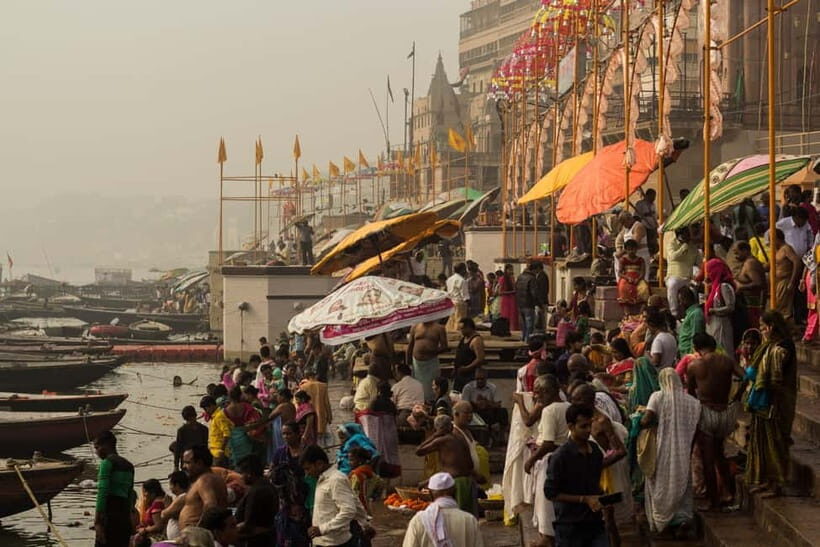
You start outside Shatrughana Temple Ghat, with the sacred Ganges nearby. This is a smart opener. It’s close to the river, so you immediately understand the theme: everything in this town ties back to the water and the rituals along its banks.
What to expect here is atmosphere more than “big sights.” You’re looking at the riverbank vibe, and you’re also setting the tone for the rest of the walk. Even if you don’t know the names of everything yet, you can still read the scene: people come here for spiritual routine, not tourism boxes.
Practical tip: wear shoes you trust. The walking is steady and the ground can be uneven near ghats. Bring sunscreen and water, because you’re outdoors most of the time.
Divine Life Society (Sivananda Ashram): Yoga and Meditation in a Real Center

After getting oriented at the ghat, the tour heads to The Divine Life Society, also known as Sivananda Ashram. This stop is one of the tour’s strongest value points because it gives context for why Rishikesh became a magnet for yoga and meditation.
Here, the guide’s job matters. You’re not just seeing buildings—you’re hearing what the place is known for and how people approach spirituality day to day. This is where you’ll likely pick up the kind of helpful background that makes the later stops make more sense, especially when you reach the Gita-related site.
Also, plan for modesty. As with most ashrams, you’ll want clothing that respects the space. The tour explicitly asks for respectful dress, and it’s the right move. If you’re photographing, remember the privacy of individuals inside ashrams.
Gita Bhawan: Where Bhagavad Gita Wisdom Feels Practical
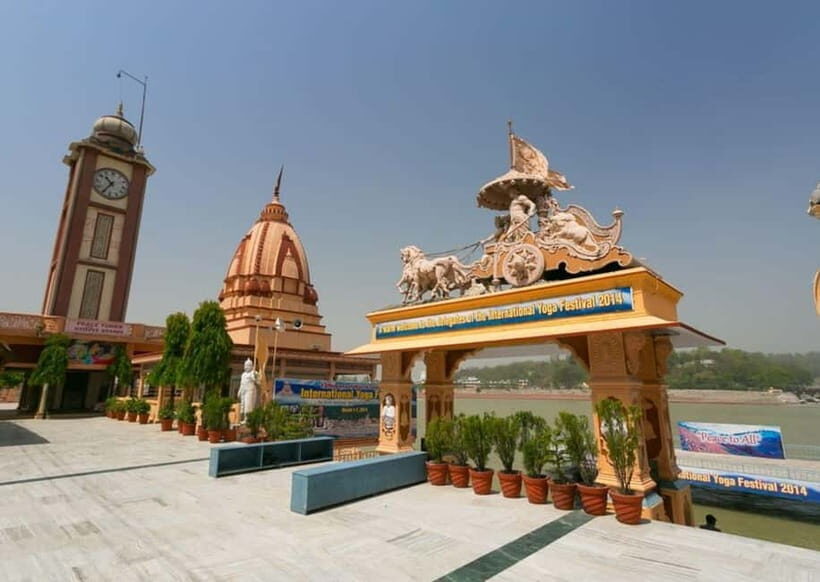
Next comes Gita Bhawan, described as a revered complex with wisdom tied to the Bhagavad Gita. This stop is key because it shifts the experience from “places that feel spiritual” to “ideas you can hold onto.”
Even if you’re not deeply versed in Hindu scripture, the value here is in the explanation. The guide is there to translate the meaning into something you can connect with in the moment. You’re not asked to study for hours—this is more about hearing and understanding what the Gita message is doing in a spiritual setting.
If you care about culture and interpretation, this is usually where the tour clicks. I like how this stop makes the theme concrete: you’re seeing a place built around a text and a tradition, not just visiting random stops along the river.
Parmarth Niketan Ashram: Seeing Evening Rituals by the River

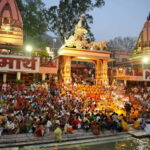
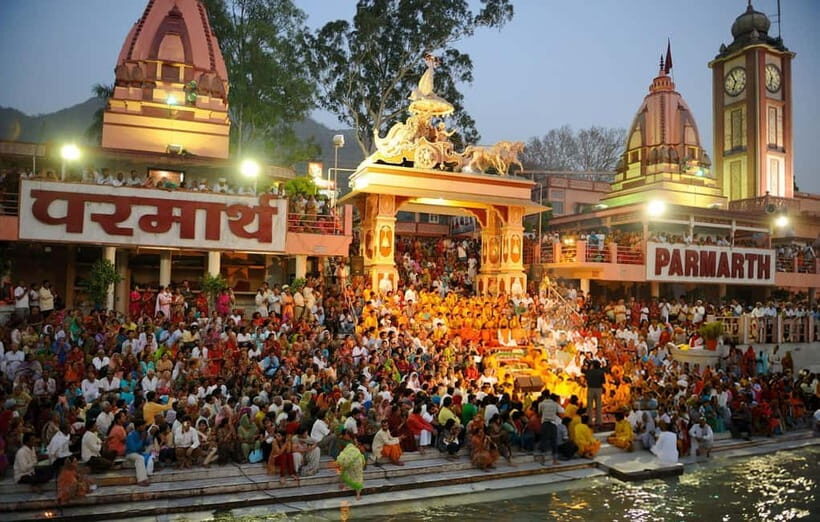
Then you move to Parmarth Niketan Ashram, known for its tranquil vibe and riverbank rituals. This is the stop where the senses really show up.
What you should expect is the evening rhythm—serene activities along the water, a sense of ceremony, and people coming together for spiritual practice. It’s not only about what you watch; it’s also about how the guide helps you understand why the place feels so important to regular devotees.
This is also the stop that can make or break the experience depending on timing and your preferences. If you love atmosphere and ritual, you’ll likely find it deeply satisfying. If you mainly want lots of cultural background, you may wish the guide had more time for extra context. One past participant pointed out that cultural info was lighter and the tour ran a bit fast, which is worth keeping in mind if you’re the “tell me the story” type.




Swarg Ashram Finish: Time to Reflect Before You Break Away
Your tour concludes at Swarg Ashram, described as a haven for devotees and yogis with a spiritual legacy. Finishing here works because it gives you a natural landing point. By the time you reach Swarg Ashram, you’ve already seen how the river, the ashrams, and the Gita-related wisdom connect.
At this stage, you’re not rushing between too many new stops. The intention is reflection—standing in the calm of the surroundings and letting what you heard earlier settle.
If you’re the kind of traveler who likes to take a moment before heading back into the city, this ending point is a good fit.
Guides, Group Size, and Pacing: What to Tune Into

This is a small-group tour limited to 10 participants, and it’s led by a professional live guide (English-speaking; English and Hindi are listed). That setup usually helps a lot. With fewer people, the guide can respond to questions, and you’re less likely to feel like you’re in a nonstop queue.
On the guide quality side, the strongest praise you’ll see for this experience tends to focus on two things:
- the ability to explain clearly, and
- the talent for storytelling that makes the places feel connected.
Past participants specifically mentioned guides like Adi for being super informative and helpful, and Shiv for being a wonderful storyteller and host with a balanced approach. That combination is exactly what you want on a walking tour like this, where the experience depends on context, not just photos.
Now the other side: pacing. One participant noted the tour felt quick and they finished early by about half an hour, while still appreciating punctuality and a good mood. So if you’re planning to pack in other timed activities, give yourself a little flexibility. And if you prefer very detailed history, know this tour is designed for a tight 2-hour circuit.
Price and Value: Is $13 Fair for What You Get?
At $13 per person, this tour is priced in a way that feels accessible. The value isn’t just the sites—it’s the guided interpretation across multiple spiritual stops in a short time.
Here’s what’s included that actually matters:
- a live tour guide (English-speaking),
- unknown facts and information (which is a catchphrase here for the kind of extra context guides usually provide),
- coffee/tea.
What’s not included is also clear: meals and personal expenses. For many visitors, that’s fine—you’re likely to eat elsewhere in Rishikesh anyway.
So the real question is whether you’ll benefit from guided context. If you like learning as you walk and you want someone to point out what’s meaningful at each ashram and ghat, the price-to-effort ratio looks strong. If you mainly want quiet time and self-guided wandering, you might decide to go on your own—because you’re paying for explanation and timing.
What to Bring (and How to Dress) Without Stress
This tour is simple, but you do need to come prepared:
- comfortable shoes for walking near ghats
- camera if you want photos
- sunscreen for daytime glare
- water because you’re outdoors
Dress modestly. This is explicitly stated for respectful ashrams. Think practical layers if you’re sensitive to sun and evening temperature shifts, but keep it modest.
Photography is allowed, but you should respect privacy of individuals inside the ashrams. Also note: smoking isn’t allowed.
A small tip that saves headaches: carry your essentials in one bag. You’ll be moving between religious spaces, so fewer items means less hassle.
Who This Rishikesh Tour Fits Best
This one tends to suit people who want a guided spiritual orientation without committing to a long day. If you’re curious about:
- the role of ashrams in Rishikesh,
- how yoga and meditation connect to place,
- and how the Bhagavad Gita is presented in a living spiritual context,
you’ll likely appreciate the structure.
On the other hand, it’s not listed as suitable for:
- pregnant women
- people with mobility impairments
- wheelchair users
So if mobility is a concern, don’t force it. You’ll be happier choosing a different pace or a different kind of visit that fits your needs.
Should You Book This Rishikesh Ashram and Ghat Walk?
Book it if you want a guided, small-group way to understand Rishikesh’s spiritual heart in 2 hours. The strongest reason is the mix of stops: Sivananda Ashram, Gita Bhawan, and Parmarth Niketan’s evening rituals, plus a calm finish at Swarg Ashram. If you enjoy storytelling and clear explanations, the experience has a track record of strong guide performance, including names like Adi and Shiv.
Skip or reconsider if you’re hoping for a slow, history-heavy tour. One clear caution is that the pace can feel quick, and some cultural details may not go as deep as you’d like.
If you’re planning your first Rishikesh day—or you want a focused spiritual walk that doesn’t eat your whole schedule—this is a solid choice.
FAQ
Where does the tour start?
You’ll meet outside Shatrughana Temple Ghat, and the activity starts from there.
How long is the walking tour?
The tour lasts 2 hours.
How much does the tour cost?
The price is listed as $13 per person.
What’s included in the price?
Included are a professional live tour guide, unknown facts and information, and coffee/tea.
Are meals included?
No. Meals and drinks are not included.
What languages are the guides?
The guide is listed as English-speaking, with English and Hindi available.
How large is the group?
The group is a small group, limited to 10 participants.
Can I take photos during the tour?
Yes, photography is allowed, but you should respect the privacy of individuals at the ashrams.
What should I bring?
Bring comfortable shoes, a camera, sunscreen, and water.
Can I cancel for a full refund?
Yes. You can cancel up to 24 hours in advance for a full refund.