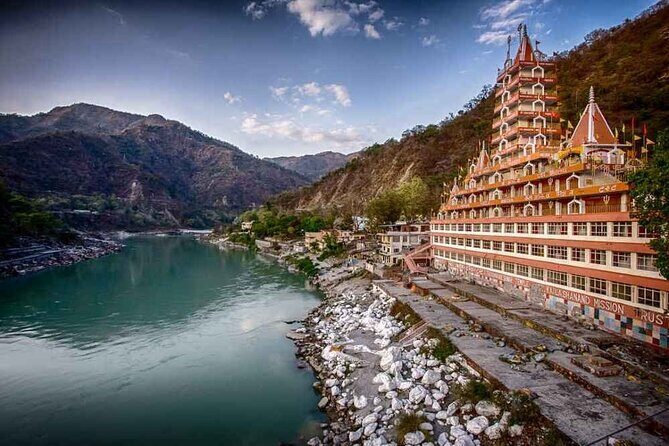
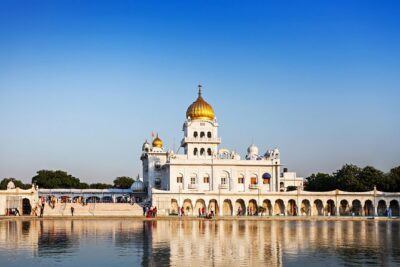
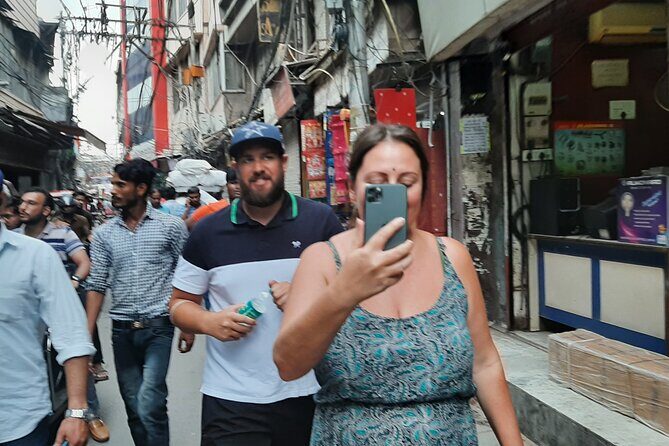
Early mornings, big Himalayan payoff. This Chopta trek is a smart way to get that classic Uttarakhand feeling without signing up for a week of hardcore trekking. You’ll travel from Rishikesh, hike with a professional guide, and spend nights at a family homestay and a campground, with highlights like Deoria Tal and sunrise views from Chandrashilla Peak.
Two things I really like: the private tour setup (you’re not mixed into a random crowd) and the way the pacing still feels realistic for people with moderate fitness. On the guide side, the experience has a human touch too. In one standout review, trekkers praised guide Ankush for being both fun and knowledgeable, which matters a lot when the weather flips fast in the mountains.
One drawback to consider: you’ll be up early, including a around-4am start for the sunrise hike. If you’re not used to cold mornings and layered clothing, you’ll want to plan for real chill, not just a light jacket.
In This Review
- Key Highlights at a Glance
- What This Chopta Trek Really Gives You
- Rishikesh Base Day: Devprayag and Sari Village Stops
- Devprayag: the Ganges river story in 30 minutes
- Chamoli District and Sari Village: agriculture life at 2011m
- Day Two: The Deoria Tal Lake Forest Walk and Chopta Area Feel
- Deoria Tal lake (2438m): a trail that builds to a payoff
- On the way to Chopta: Rohini Bugyal meadow break
- Nights: Homestays for Local Life and a Campground Night
- Homestay nights: warm, human pace
- Campground night: the practical side of sleeping gear
- Day Three: Tungnath, Chandrashilla Peak, and the 4am Sunrise Push
- The 4am start and chai moment
- Sunrise views: Nanda Devi if visibility is good
- What you gain from this day
- Day Four: The Long Drive Back to Rishikesh
- Price and Value: Why $201 Can Make Sense Here
- Who This Trek Suits Best (And Who Might Want to Skip It)
- Tips to Make Your Chopta Trek Feel Easier
- Should You Book This Chopta Trek?
- FAQ
- Where does the Chopta Trek start and end?
- How long is the trek?
- Is pickup from Rishikesh included?
- Does the price include meals?
- Do I need a guide?
- Are forest entry fees and permissions included?
- Is camping equipment provided?
- What fitness level is needed?
- Is the tour private?
- What is the cancellation window?
Key Highlights at a Glance
- Deoria Tal lake walk to 2438m: a forest walk of about 2.5km to reach the lake at altitude
- Family homestays plus a campground night: two homestay nights and one night camping for variety
- Tungnath and Chandrashilla sunrise hike: early chai, then a climb for big morning views
- Rohini Bugyal meadow stop en route: a quieter break in the Chopta Valley area
- Devprayag river confluence stop: a simple, meaningful cultural stop on the drive
- Meals and permissions handled for you: breakfast, lunch, and dinner included, plus forest entry fees and permissions
What This Chopta Trek Really Gives You
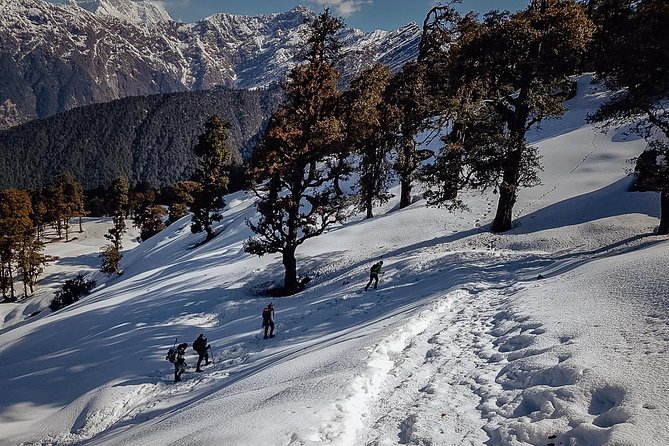
If you want Himalaya scenery but you don’t want a massive, long-haul trek, this is built for you. The timing is the key: a few days instead of a multi-night commitment, yet you still get the signature ingredients—mountain mornings, wooded trails, a high-altitude lake, and a sunrise viewpoint.
The trip also removes the usual headaches. Transportation from Rishikesh is included, the trek is guided, and most of what can quietly add up—forest permissions, entry fees, and even your sleeping bag for the camping night—comes packaged. That’s real value, because in mountain areas, logistics are often more work than the hiking.
Rishikesh Base Day: Devprayag and Sari Village Stops
The experience starts in Rishikesh, and on the way toward Chopta you make two early course-correction stops that add meaning without feeling like filler.
Devprayag: the Ganges river story in 30 minutes
Devprayag is where two glacier-fed rivers, Alaknanda and Bhagirati, meet and form the Ganges. You spend about 30 minutes here, and admission is free. It’s not a deep museum visit kind of stop. It’s more like a quick “pay attention” moment—one of those places where the landscape and the geography feel tied to the stories people tell.
Why I think it’s worth it: it gives context. You’re heading uphill into the Himalayan foothills; seeing how river origins work makes the whole journey feel more connected.
Chamoli District and Sari Village: agriculture life at 2011m
Next you reach the Chamoli district area, including Sari village (around 2011m). You get roughly 3 hours here. It’s described as largely untouched by modern civilization, and life revolves around agriculture, with orchards and rhododendron trees playing a noticeable role. The village size is small—around 1000 people—and the visit gives you a sense of everyday rhythm instead of just walking around scenic viewpoints.
Possible drawback: this portion is more “slow observation” than “active sighting.” If you want only trekking time and nothing else, plan for that shift in gears.
Day Two: The Deoria Tal Lake Forest Walk and Chopta Area Feel
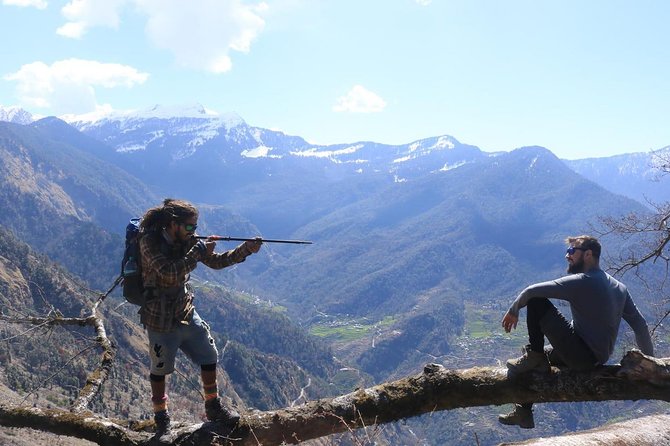
This is the day that often sticks in people’s minds, because it includes a lake at altitude and a forest trail that feels sheltered even when the bigger mountains are looming.
Deoria Tal lake (2438m): a trail that builds to a payoff
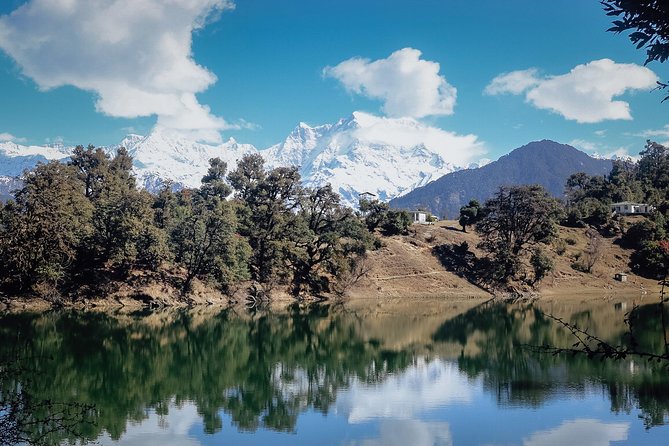
After breakfast, you start a forest walk. The schedule has you reaching Deoria Tal after about 2.5km at an altitude around 2438m. The time given is about 1 hour for the lake portion. The lake sits in lush greenery, and the view includes the snow-covered Himalayan backdrop.
Why this works for most bodies: the route is short enough to feel doable, but it’s still long enough to take your mind off phones and make you notice birds, trees, and the way light changes under the canopy.
On the way to Chopta: Rohini Bugyal meadow break
Before settling into the Chopta area, you pass Rohini Bugyal, a serene meadow hidden in forest. You get about 1 hour here. It’s a breather from dense tree cover—open space where the air feels different.
What to watch for: weather. Meadows can get windy and chilly, and clouds can roll in without much warning. Layering helps you stay comfortable, not just “survive” the hike.
Nights: Homestays for Local Life and a Campground Night
The trip uses three nights total: two nights at a family homestay and one night at a campground. That mix matters because it changes your night rhythm and keeps the experience from feeling like one long hotel transfer.
Homestay nights: warm, human pace
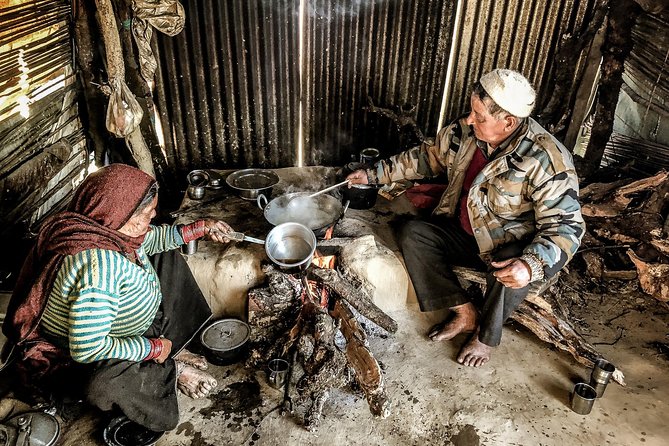
Homestays typically mean you’re living on local time. Meals are included in the tour price, and you’re often treated like someone arriving for a few days rather than like a quick booking. One review highlighted warm and friendly people at the homestays, and that kind of comfort can do a lot for trekking happiness.
Campground night: the practical side of sleeping gear
Camping is part of the plan, and the tour includes camping and sleeping bags. That’s important because in mountain regions, gear requirements can be vague and expensive if you’re renting last minute. Having a sleeping bag included reduces stress.
Tiny reality check: even with sleeping bags, nighttime can feel cold at altitude. You’ll sleep better if you pack layers you can actually wear comfortably.
Day Three: Tungnath, Chandrashilla Peak, and the 4am Sunrise Push
This is the signature day. It’s also the most physically demanding part, mostly because it’s early—not because the distances are extreme.
The 4am start and chai moment
You’re up around 4am for chai, then you set off toward the sunrise view. A climb leads you up to the top of Chandrashilla Peak, with Tungnath Temple in the mix as part of this route.
Sunrise views: Nanda Devi if visibility is good
The schedule says that if visibility is good, you may be able to see India’s second highest peak, Nanda Devi. Even when the peak names don’t show clearly, the experience of sunrise over the Himalayan foothills is the whole reason people plan this trip.
How to make it easier on yourself: treat the morning like a cold-weather outing. One review specifically suggested packing warm clothing, and that matches what you should expect for a dawn trek at altitude. Gloves and a warm layer can turn discomfort into “worth it.”
What you gain from this day
This isn’t a checklist summit you rush through. It’s a timed sunrise moment: you’re moving early, then you’re rewarded with a view that’s both emotional and practical. The mountain air clears your head fast.
Day Four: The Long Drive Back to Rishikesh
After breakfast, you drive back to Rishikesh. The ride is long—around 6 to 7 hours.
Why this final day is important: it closes the loop neatly. You’re not scrambling to find a bus on your own with tired legs and wet boots. The tour keeps the ending clean, which makes the whole trip feel like a package rather than a DIY experiment.
Plan a calm mindset: even if the drive is part of the deal, you’ll likely feel the fatigue from the prior days. Bring something to stay comfortable, and consider this day as recovery time.
Price and Value: Why $201 Can Make Sense Here
At $201 for roughly 4 days, the good news is that the price isn’t just for “standing on a mountain.” You’re paying for a bundle of items that would cost you more separately:
- Round-trip transportation from Rishikesh
- A professional guide
- All meals included (4 breakfasts, 4 lunches, and 3 dinners are listed)
- Forest entry fees and permissions
- Camping and sleeping bags for the campground night
- A private format that supports a flexible, personal pace
Where trekking trips often get expensive is in the stuff you don’t notice until you need it: permits, fees, gear, and the extra time spent coordinating transport. This tour handles those pieces, which is why the price can feel fair, especially if you’d otherwise have to arrange multiple vendors.
If you’re value-minded, this is the kind of trip where the included meals alone can offset costs. And since your guide is part of the core plan, you’re not paying for random transfers without support.
Who This Trek Suits Best (And Who Might Want to Skip It)
This is a good match if you:
- Want a guided Himalayan foothills experience without a long multi-night trek
- Prefer a structured plan with meals included
- Are okay with early mornings, including a dawn sunrise hike
- Like the idea of local life through family homestays
This might be less ideal if you:
- Hate cold mornings or aren’t willing to layer up
- Want only active walking and zero village or observation stops
- Need a fully cushioned, no-camping style trip (there is one campground night)
Tips to Make Your Chopta Trek Feel Easier
You can’t control clouds or rain. But you can control comfort. Based on what the trek emphasizes, these are the practical moves that help most:
- Pack warm layers for sunrise hours. The early start is real, and mountain mornings can feel sharp.
- Bring gear for changing weather: a light rain layer if you have it, plus something wind-resistant.
- Wear shoes that handle forest trails. You’ll walk through forest and meadow areas.
- Use the guide’s timing. Early starts are scheduled for a reason: sunrise windows and safe movement on trails.
The guide experience matters here. A good guide helps you move with confidence and not waste energy.
Should You Book This Chopta Trek?
I’d book it if you want a high-reward Himalayan short trek: Deoria Tal lake, a Chopta valley feel, and a sunrise push to Tungnath/Chandrashilla views, all with meals and transportation handled. The private tour angle and the included permissions and sleeping gear make it easier to plan and easier to enjoy.
I would hesitate only if early cold mornings will stress you out, or if you prefer zero camping. If that’s not you, this trek is a strong value play and a very practical way to experience the Himalaya foothills without committing to a huge expedition.
FAQ
Where does the Chopta Trek start and end?
It starts in Rishikesh, Uttarakhand, India, and ends back at the meeting point in Rishikesh.
How long is the trek?
The tour duration is listed as about 4 days.
Is pickup from Rishikesh included?
Yes, pickup is offered, and round-trip transportation from Rishikesh is included.
Does the price include meals?
Yes. Breakfast is included 4 times, lunch is included 4 times, and dinner is included 3 times.
Do I need a guide?
Yes. You’ll go trekking with a professional guide.
Are forest entry fees and permissions included?
Yes. Forest entry fees and permissions are included in the tour.
Is camping equipment provided?
Camping and sleeping bags are included.
What fitness level is needed?
The tour notes that travelers should have a moderate physical fitness level.
Is the tour private?
Yes. It’s a private tour/activity, and only your group participates.
What is the cancellation window?
Free cancellation is available, and you can cancel up to 24 hours in advance for a full refund.