REVIEW · RISHIKESH
Rishikesh: Kunjapuri Sunrise Trek Morning Hike to Himalayas
Book on GetYourGuide →Operated by Tourify Uttarakhand · Bookable on GetYourGuide
Sunrise over the Himalayas can change your pace.
This Kunjapuri Sunrise Trek pairs Himalaya-first-light views with a satisfying downhill trail through Garhwali villages and forests, so you’re not just standing around for a photo. The main catch: it starts early, and you’ll be walking a good stretch downhill, so you’ll want comfortable shoes and warm layers.
I also like that the experience is simple and human-scaled: pickup from your hotel, a guided temple visit, then real trail time with a guide who keeps things moving and makes the morning feel safe. One thing to watch for is that some parts can involve optional add-ons at extra cost, so ask what’s included before you say yes to anything extra.
In This Review
- Key points worth getting excited about
- Kunjapuri sunrise: the big reason to wake up early
- Starting at Kunjapuri Mata Temple (and why the temple stop matters)
- The downhill trek: 8–10 km of real Garhwali scenery
- Waterfalls and village time: breaks that make the hike worth it
- Views over the Ganges valley: the photo payoff keeps coming
- Getting back: Tapovan or Laxman Jhula, then back to your hotel
- Price of about $55: what you’re really paying for
- A balanced reality check: guides, optional add-ons, and expectations
- What to bring (and the stuff that saves your day)
- Who this trek suits best (and who should skip)
- Should you book the Kunjapuri Sunrise Trek to the Himalayas?
- FAQ
- How long is the Kunjapuri Sunrise Trek?
- How far do you walk?
- Is food included?
- Where do you get picked up and dropped off?
- What should I bring for the trek?
- Is this tour wheelchair accessible?
Key points worth getting excited about
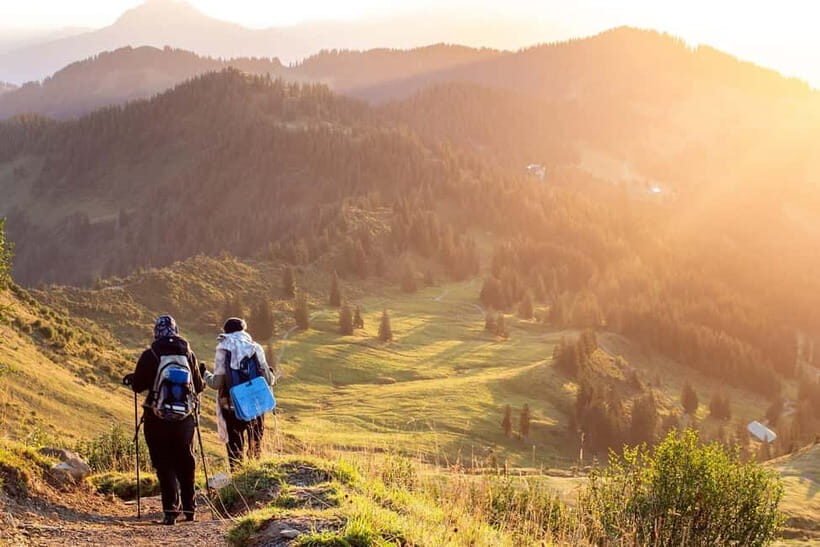
- Sunrise from Kunjapuri Mata Temple with broad Himalayan views
- Chaukhamba, Neelkanth, and Bandarpunch on the horizon when light hits right
- 8–10 km downhill trek through forests, terraced farmland, and villages
- Waterfall stop with time for swimming (weather and conditions permitting)
- Drop-off near Tapovan or Laxman Jhula so you can get back to your base easily
- Private, English-speaking guide support (audio guide included)
Kunjapuri sunrise: the big reason to wake up early
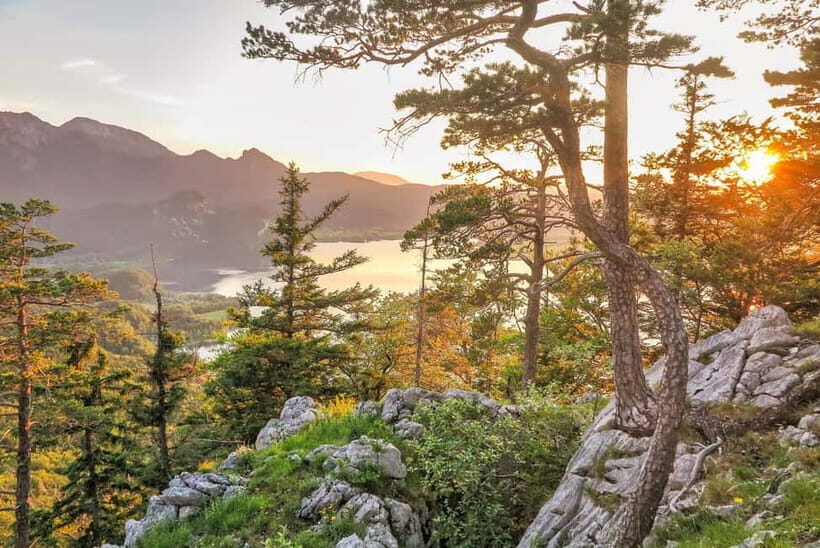
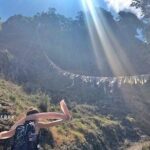
If you’re the type who likes your mornings quiet and your views dramatic, this is your kind of walk. Kunjapuri Temple sits around 1,650 meters, and the whole point is timing: you’re out early enough to see the first light roll over the Himalayan peaks.
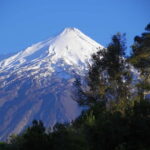
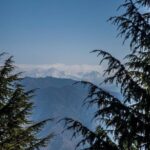
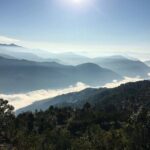
What makes this sunrise special is the lineup of mountains you’re watching for—Chaukhamba, Neelkanth, and Bandarpunch. When dawn hits, those ridgelines can look almost close enough to touch, while the Doon Valley stretches below like a living map.
The vibe is also different from the more crowded hill viewpoints you may have seen elsewhere. Here, sunrise and spirituality are part of the same rhythm: you’re starting at a temple, then turning your attention to the horizon like it’s a daily ritual.
You can also read our reviews of more hiking tours in Rishikesh
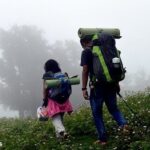
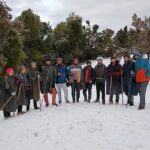
Starting at Kunjapuri Mata Temple (and why the temple stop matters)
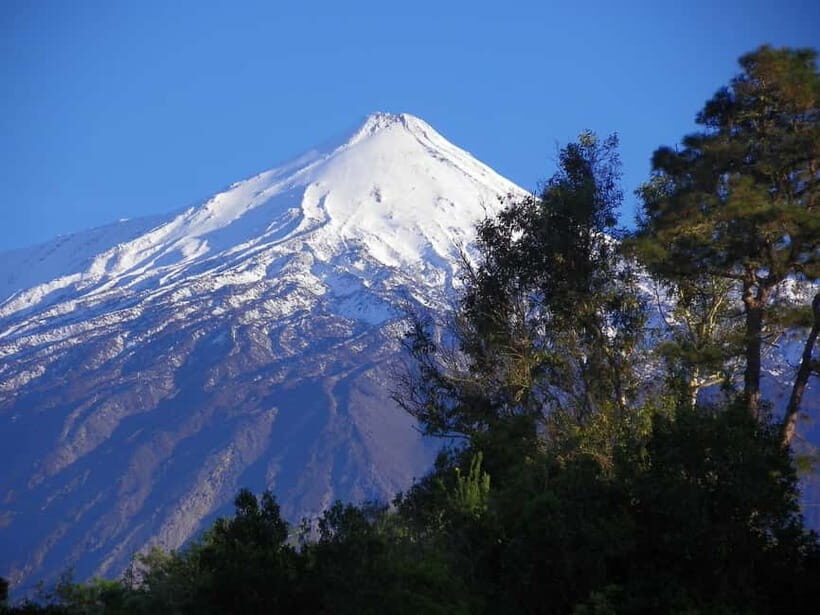
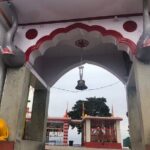
Your morning begins with pickup in Rishikesh, then a scenic drive up to Kunjapuri Mata Ancient Temple. The temple visit is guided (about 20 minutes), and it’s not just a checkbox. The guide helps you understand what you’re looking at and gives context so you’re not wandering in a blur.
You’ll also get a quick guided window (about 1 hour total temple time in the flow of the morning), which is useful because sunrise viewing can be chaotic if you arrive late. Starting with a guided orientation helps you get your bearings fast—where to stand, when to look, and how to time your photos.
Practical note: temples plus early morning means you’ll likely feel chilly until the sun gets traction. Dress in layers, and keep your warm layer easy to access, not buried under everything.
The downhill trek: 8–10 km of real Garhwali scenery
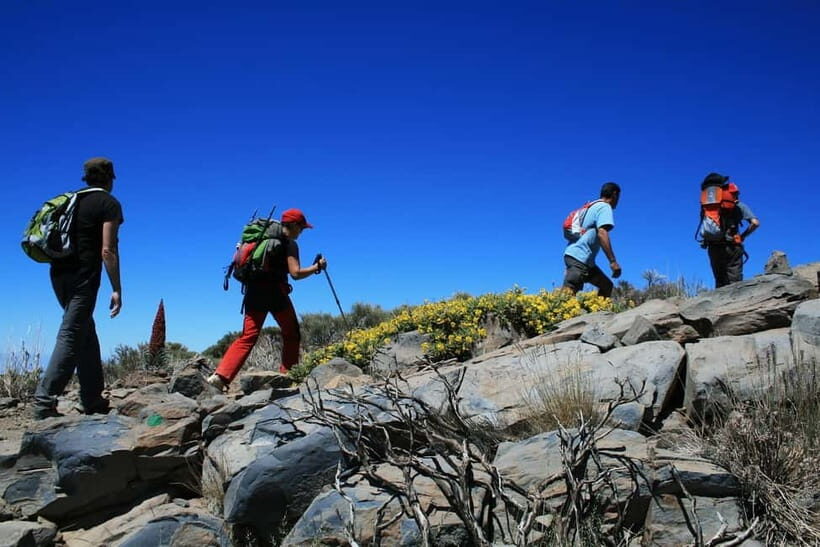
After sunrise, you switch gears from watching to walking. This is a downhill trek (about 2 hours of hiking in the schedule, with the overall trek distance described as 8–10 km). Downhill is great for scenery but it can be rough on knees if you’re not used to it—take it slow and use good foot placement.
The route threads through forests, village paths, and terraced farmlands. This is where the experience stops being only scenic and starts being culturally grounded. You’ll see everyday life in Garhwali settings—traditional homes, local routines, and small glimpses that feel more authentic than a staged stop.
You might also get a local feel from the guide’s storytelling. In at least some cases, you can be guided by people like Pradeep or Abi, who are described as attentive and pleasant, keeping you pointed in the right direction and helping you understand what you’re passing.
One more thing I like about the downhill style: you don’t have to fight steep climbs at dawn. You get the payoff of big views early, then spend the rest of the morning moving at a steady pace.
Waterfalls and village time: breaks that make the hike worth it
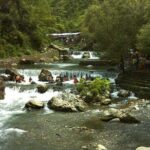
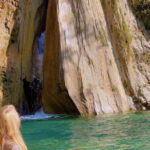
This trek isn’t only about sunrise and long walking. It includes time for local villages (noted as optional) and a waterfall stop where waterfall swimming is included.
That matters for two reasons:
- It gives your legs a change of rhythm so the morning doesn’t feel like one long grind.
- It adds a very different kind of memory than mountain photos—sound, mist, and that quick feeling of being in the middle of a living landscape.
In terms of what to expect, the schedule shows a 30-minute visit at one of the stops and then a short transition on public transport (about 10 minutes) later. Translation: you’ll have moments where the plan slows down, so you’re not always pushing forward.
If you plan to swim, pack an attitude that’s practical. Bring what you’d need for a quick dip, and be ready for cold water if it’s early season or the weather turns.
Views over the Ganges valley: the photo payoff keeps coming
Yes, the sunrise is the headline. But the view story doesn’t end the moment the sun clears the ridge.
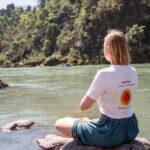
As you move downhill, the scenery keeps opening—especially toward the Ganges valley areas referenced in the experience. You often get these rolling sightlines where the valley looks wide and layered, and the sky turns into a frame for distant peaks.
For photographers, this is good news. Sunrise gives you the first golden shots, and the daylight stretch gives you more angles and better chances to capture local scenes along the trail—villages, stone paths, and small streams—without fighting low-light conditions the whole time.
Even if you’re not a camera person, the constant shifts in perspective do something valuable: they keep you mentally present while your body works.
You can also read our reviews of more tours and experiences in Rishikesh


Getting back: Tapovan or Laxman Jhula, then back to your hotel
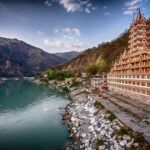
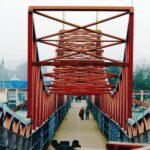
By the end of the hike, the route leads down toward Tapovan or Laxman Jhula. From there, your guide accompanies you back to your hotel in Rishikesh.
Why this matters: Rishikesh can be spread out, and it’s nice when the tour finishes in a recognizable area rather than leaving you to figure out transport while your legs are tired. The itinerary includes that short public transport segment as well, which helps keep the logistics manageable.
The timing also feels built for morning travelers. You start early, you see the horizon turn gold, and then you’re back in town for the rest of your day—whether you want breakfast, a nap, or more exploring.
Price of about $55: what you’re really paying for
At $55 per person for a 7-hour morning, the value is mostly in three areas: the early timing, the guided experience, and the transportation convenience.
Here’s how that breaks down in real life:
- The sunrise viewing isn’t something you can replicate easily on your own without knowing local timing and how to get there smoothly.
- The professional guide matters on a trail like this. They help you manage the flow, interpret what you see at the temple, and keep things safe while you’re moving downhill.
- Pickup and drop from your hotel is a big deal in Rishikesh, where you’d rather not spend your precious energy on local transit planning.
Food is not included, so you’ll want to bring snacks and water (the experience specifically advises you to carry both). That’s not a dealbreaker—just be realistic about what you’re paying for.
One more balanced note: a lower-cost trek can sometimes mean fewer guided elements. Here, you’re paying for a guided morning plus included experiences like the temple visit and the waterfall swim window.
If you’re budget-focused, the biggest value lever is whether you’ll actually use the included village/waterfall moments and let the guide handle the timing.
A balanced reality check: guides, optional add-ons, and expectations
The positive theme you’ll hear around this trek is that guides can be genuinely helpful. People mention guides like Pradeep and Abi as attentive, friendly, and good at guiding you along the path.
But I’d be practical: in some situations, guides can suggest extra add-ons that cost more money. One account describes a guide proposing a paid boat option back to a hotel when the visitor expected return to be included.
So here’s my advice to protect your trip from surprises:
- Ask what return is included in the tour before you get tired.
- If someone offers an additional activity, ask the price and confirm it in plain terms.
- Keep it simple: say yes only when you feel sure what you’re buying.
Most of the time, you’ll likely just enjoy the hike and not think about any of this. Still, knowing the risk makes you calmer.
What to bring (and the stuff that saves your day)
This is a morning trek, so pack like you’re going out in cool air, then warming up later. The experience recommends:
- Comfortable shoes
- Camera
Also, from a practical standpoint, plan on:
- Warm clothing for the early hours
- Water and snacks, since food isn’t included
- Layers you can remove as sunrise turns into full daylight
If you’re carrying a camera, keep it secure. Mountain mornings come with quick changes—mist, breeze, and uneven paths—and you don’t want to be fumbling with straps while stepping downhill.
Who this trek suits best (and who should skip)
This Kunjapuri Sunrise Trek is ideal if you want:
- Nature and photography with a clear payoff at sunrise
- A light adventure without needing technical climbing skills
- Cultural glimpses through villages and everyday Garhwali life
- A morning plan that gets you out early and back to town by midday
It’s not a match if:
- You’re not comfortable walking 8–10 km downhill over uneven paths
- You need wheelchair accessibility (it’s listed as not suitable for wheelchair users)
If you’re traveling with friends or as a couple, a private group can be a plus because you’re not stuck waiting for someone’s slow pace—or rushing to keep up with the fastest walkers.
Should you book the Kunjapuri Sunrise Trek to the Himalayas?
I’d book it if your idea of a great morning is simple: sunrise views, a guided start at Kunjapuri Mata Temple, then a downhill walk that mixes forests, villages, and waterfalls. The Himalayan horizon timing is the core value, and the included guide support plus hotel pickup takes the stress out of getting there.
I would not book it if you hate early starts, have knee issues on downhill terrain, or you’re likely to feel irritated by any potential optional add-on suggestions. If you’re clear about what’s included and you come prepared with warm layers, water, and snacks, the odds are strong you’ll leave with photos and a story that actually feels like the Himalayas, not just a viewpoint.
If that sounds like your kind of day, this is a very solid use of time in Rishikesh.
FAQ
How long is the Kunjapuri Sunrise Trek?
The full experience lasts about 7 hours.
How far do you walk?
The downhill trek is described as offering an 8–10 km walk, with about 2 hours of hiking listed in the flow.
Is food included?
No. Food is not included, so you’ll want to bring water and snacks for the trek.
Where do you get picked up and dropped off?
You’re picked up from your location in Rishikesh, and you’re dropped back in Rishikesh. The hike leads down toward Tapovan or Laxman Jhula, and your guide accompanies you back to your hotel.
What should I bring for the trek?
Bring comfortable shoes and a camera. It’s also smart to wear warm clothing since the trek starts early.
Is this tour wheelchair accessible?
No. It’s listed as not suitable for wheelchair users.