A good walk beats a long checklist.
This non-commercialized forest trek is built for slow looking: old deodar trees, oak shade, and a climb to a plateau viewpoint over Doon Valley. Along the way you get story stops, including the Lambi dehar mines and Tibetan temple architecture, plus photo-friendly views when the sky cooperates.
Two things I really like: the way guides such as Yash or Sagar turn a simple hike into a living walk through plants, local life, and the hills’ past, and the morning payoff at the top. You also tend to finish with a well-earned cup of hot tea, which feels perfectly matched to this cool, leafy height.
One possible drawback: it runs on a moderate walking level, so you’ll want decent traction shoes for uneven forest paths. Also, the tour price does not include private transportation, so plan how you’ll get to the meeting point.
In This Review
- 5 things that make the School Boy Walk worth your morning
- A morning jungle walk that feels like Mussoorie, not a route
- Where it starts: Convent of Jesus & Mary at 8:30am
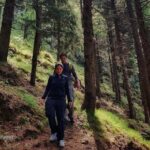
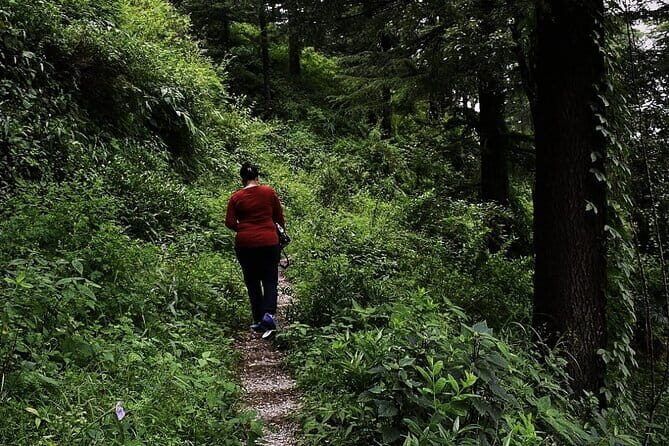
- Walking through tall deodars into oak forest shade
- The climb to the plateau: where the views turn into photos
- Stop for Doon Valley beauty along the way
- Lambi dehar mines: haunted history without the theatrics
- A Tibetan temple stop where architecture steals the focus
- Birdwatching moments if your guide points them out
- Tea at the top and snacks that keep you comfortable
- Price and logistics: what you actually get for about $10.78
- Who this walk suits best (and who might want a different plan)
- Should you book the School Boy Walk?
- FAQ
- How long is the School Boy Walk?
- What time does the tour start?
- Where does the tour begin?
- Is pickup available?
- What is included in the price?
- Is this a private experience?
- Can I cancel for free?
5 things that make the School Boy Walk worth your morning
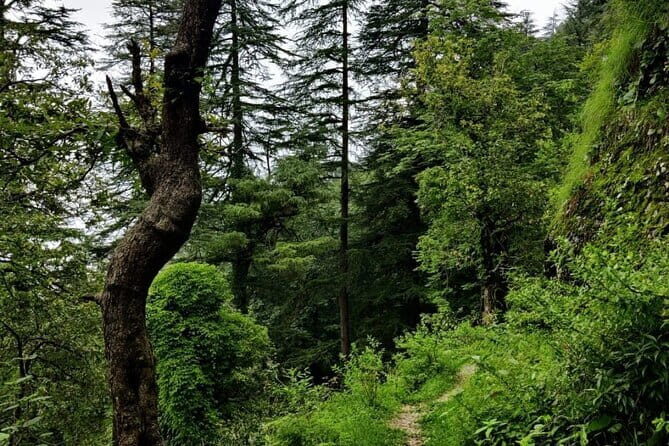
- Deodar-to-oak jungle trail that stays calm and unhurried
- Doon Valley views from a plateau, often with Himalayan peaks like Kedarnath, Swarga Rohini, and Badrinath in sight
- Lambi dehar mines stop with spooky history told in a human way
- Tibetan temple architecture stop, where details matter more than speed
- Hot tea and snacks at the end of the climb, perfect for photos and group smiles
A morning jungle walk that feels like Mussoorie, not a route

This is the kind of walk that makes you feel you’re in the right place even before the view. You start with shade and trees, not tickets and stalls. The trail has that untouched-forest feeling where you can actually hear birds, notice leaves, and slow down to look.
At heart, the School Boy Walk is short and focused. You’re out for about two hours, and the route is paced for comfortable movement rather than speed. That matters in Mussoorie, where you can waste half a day jumping between viewpoints by taxi.
If you like the idea of a walk that connects nature with local storytelling, you’ll get more out of this than a typical sightseeing shuffle. The guides (for example, Dheerender, Yash, Sagar, and Sagar Bhandari appear across experiences) bring the trail to life with what to watch for and what the places mean.
You can also read our reviews of more walking tours in Rishikesh

Where it starts: Convent of Jesus & Mary at 8:30am
Your meeting point is Convent Of Jesus & Mary, at the Waverley area (F375+64C). The start time is 8:30am, which is a smart choice for Mussoorie’s hill weather and for clearer morning light.
If you’re staying nearby, an early start also helps you beat crowds and get the forest mood before the town warms up. If you’re coming from further away, plan your timing so you’re not rushing at 8:25 and then trying to find your rhythm on a slope.
The tour mentions pickup is offered, but private transportation is not included. So I’d treat pickup as something you confirm when booking, then still keep a backup plan for getting to the meeting point.
Walking through tall deodars into oak forest shade
The first stretch is about the trees. Expect tall old deodar trunks and a steady move into an oak forest. This is the part that makes the trek feel like more than a single viewpoint run.
Notice how the ground and the light change as the canopy thickens. In forest shade, sound carries differently, and birds show up more often. You’ll also see why locals treat these slopes like a daily living space, not just scenery.
Even if you’re not a nature nerd, the guide’s attention to small details makes a difference. In experiences like these, guides often point out what’s growing, what’s seasonal, and why certain spots are important. It turns your walk into something you can remember clearly after you leave.
The climb to the plateau: where the views turn into photos
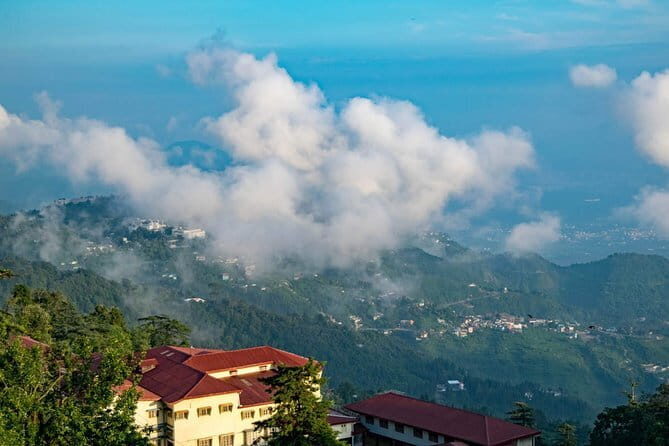
The route heads upward to a plateau. This is where you shift from “walk and look around” to “stand and watch the world open up.”
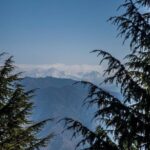
From that top level, the Doon Valley comes into view. When visibility is good, you can also get glimpses of major Himalayan peaks such as Kedarnath, Swarga Rohini, and Badrinath. That’s a big deal for a two-hour trek because you’re not spending your entire day chasing far-off viewpoints.
This plateau is also where photo opportunities happen naturally. People use it for group portraits and selfies because the background does the work. In the best conditions, you get a layered view: valley depth below and mountains beyond.
A practical note: if clouds roll in, you’ll still enjoy the forest and the story stops, but the peak views might be reduced. Morning starts help, yet the hills keep their own schedule.
Stop for Doon Valley beauty along the way
You don’t just get one view at the very end. There’s time to take in the Doon Valley during the walk, not only at the plateau. That keeps the trek from feeling like a straight line with a single reward.
I like this design because it helps your brain keep track of progress. You’re not thinking, Are we there yet? You’re thinking, Oh, that angle looks different. It makes the climb feel shorter, even though you’re moving uphill.
If your group includes kids, older relatives, or anyone who tires easily, those mid-view moments act like little resets. You get a payoff even before the top.



Lambi dehar mines: haunted history without the theatrics
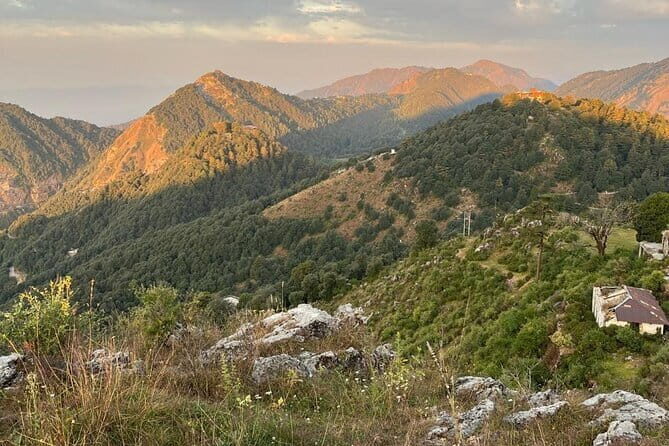
One of the more memorable stops is the Lambi dehar mines. The tour frames them as haunted, but the way it’s described in experiences here is more about local legend and land history than about jump-scare drama.
You’re walking through forest, then suddenly you’re near a site with human impact. That contrast makes the story stick. It also gives the guide a chance to explain how these hills have supported people over time, not just tourists.
If you like eerie-but-informative stops, this is the one. It’s also a good reminder that the region is not just postcard scenery—it has working history and folklore layered on top.
Wear a moment of caution here the way you would anywhere on uneven terrain. The tour is short, but forest ground can be slippery. Stay with the group and let the guide point things out.
A Tibetan temple stop where architecture steals the focus
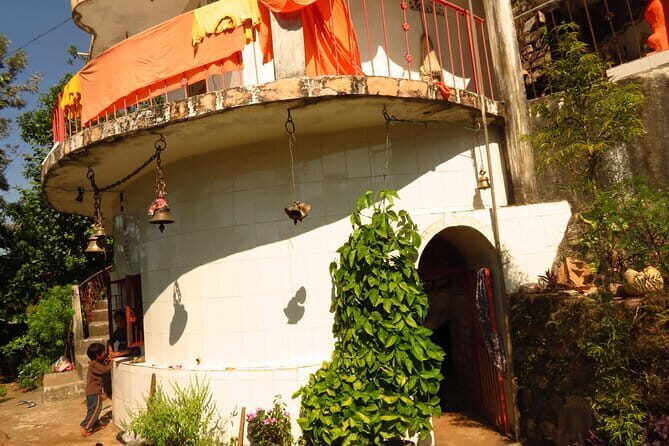
Another standout is the Tibetan temple architecture stop. This is the kind of place where slowing down is the point. Instead of racing past, the guide helps you notice details you might otherwise miss.
Mussoorie’s hills have a mix of cultural influences, and this temple stop is a clear visual marker. It also changes the mood from jungle-only to a broader sense of the town’s connections.
For photos, it works well too. The temple elements give you a strong subject besides just sky and trees. If you’re traveling with family, this stop tends to land well because it’s visually distinctive and easy to talk about.
Birdwatching moments if your guide points them out
Some experiences from the same general walk format highlight birdwatching, led by guides like Sagar Bhandari. If birds are active, you might get to spot species such as the Himalayan Bluetail and the Bluefronted Redstart.
You don’t need special equipment for this if your guide is doing the spotting. The biggest practical win is that you learn what to look for—movement in branches, patterns of flight, and habitat cues.
If you’re a beginner, this is a low-pressure way to try birdwatching without turning your vacation into a classroom. If you’re experienced, it still helps because local knowledge speeds up your learning curve.
Tea at the top and snacks that keep you comfortable
Snacks are included, and the tour is built around a walk that stays comfortable for about two hours. That makes it workable even if you’re not the kind of traveler who wants long hikes every day.
Hot tea also shows up in these experiences, described as a warm cup of chai at the top. Even if you don’t treat it as a tradition, it’s a smart hill-thing: warm drink, photo break, relaxed conversation, then the easy return.
This matters more than it sounds. In cool morning air, you’ll feel the difference between pushing through fatigue and taking a real pause. The snack and tea give you that pause without killing the momentum.
Price and logistics: what you actually get for about $10.78
At $10.78 per person, this is low-cost for a guided, story-driven forest walk. You get a guide and snacks, and the experience runs about two hours. In a place like Mussoorie, where short guided experiences can cost more once transport gets added, keeping it basic is what makes the value feel fair.
The catch is also simple: private transportation is not included. So your real all-in cost depends on how you plan to reach the meeting point. If you can do that with pickup or nearby lodging, the price becomes very attractive.
Also, it’s a private tour/activity, meaning only your group participates. That’s useful if you want questions answered without juggling multiple groups. It can also make the pacing feel smoother for kids or mixed-age families.
Finally, you receive a mobile ticket, so you’re not stuck with printing or paperwork.
Who this walk suits best (and who might want a different plan)
This tour fits best if you want a short hill walk with real views and local explanations. You’ll likely enjoy it if you like forests, birds, architecture details, or spooky-history storytelling at a human pace.
It suits families well because it’s about two hours and described as comfortable enough to be undertaken by anyone who can handle a moderate walk. The guide focus helps keep people engaged even when progress is slow.
If your group is looking for a high-adrenaline trek with big altitude challenges, this probably won’t feel like the main event. It’s more about atmosphere and viewpoints than about athletic suffering.
Should you book the School Boy Walk?
Book it if you want a Mussoorie morning that feels local, not packaged. The blend of forest walking, Doon Valley viewpoints, Lambi dehar mines, and Tibetan temple architecture gives you variety without long travel days. Add the included snacks and the tea-at-the-top vibe, and you get a complete experience for the price.
Don’t book it if you’re only chasing peak views with zero fog risk and you don’t want to walk on forest paths. The hills can change quickly, so build the trip around the whole experience, not just the skyline.
FAQ
How long is the School Boy Walk?
It runs for about 2 hours (approx.).
What time does the tour start?
The start time is 8:30am.
Where does the tour begin?
The meeting point is Convent Of Jesus & Mary (F375+64C), Waverley, Mussoorie, Dehradun, Uttarakhand, India.
Is pickup available?
Pickup is offered, but private transportation is not included.
What is included in the price?
The tour includes a guide and snacks.
Is this a private experience?
Yes. It’s a private tour/activity, and only your group participates.
Can I cancel for free?
Yes. Free cancellation is available if you cancel up to 24 hours in advance for a full refund.