REVIEW · RISHIKESH
Rishikesh: Beatles Ashram Art & Meditation Walking Tour
Book on Viator →Operated by Rishikesh Day Tour · Bookable on Viator
Beatles Ashram in 3 to 4 hours.
That is the magic trick here: this walking tour links together the places tied to Rishikesh meditation culture and the famous Beatles story, with short stops that still feel meaningful. I really like the private, guided format (your group only), and I also like that you can pick a morning or afternoon slot so the timing fits a packed trip.
One thing to plan for: the Beatles Ashram entry is not included, and foreign nationals must carry a passport (hard or soft copy). Depending on your guide’s style, you may get more or less interpretation inside the Beatles Ashram area, so ask questions early if you want extra context.
In This Review
- Key highlights to know before you go
- Why this half-day walk works when your schedule is tight
- Beatles Ashram: music, Maharishi, and the ticket detail that matters
- Swarg Ashram: where Rishikesh’s meditation scene feels real
- Parmarth Niketan on the Ganga: spiritual atmosphere without the showiness
- Ram Jhula: the iconic bridge moment that anchors the walk
- Gita Bhawan: a spacious riverbank stop that helps you exhale
- Price and what you still need to budget for
- Guides, pacing, and how to get more meaning from each stop
- Who should book this tour (and who should skip it)
- Should you book this Beatles Ashram Art & Meditation tour?
- FAQ
- How long is the Rishikesh Beatles Ashram Art & Meditation walking tour?
- Can I choose a morning or afternoon tour?
- Is this tour private or shared?
- What is included in the price?
- Are the entrance fees included?
- Do foreign nationals need a passport?
- What dress code should I follow?
Key highlights to know before you go
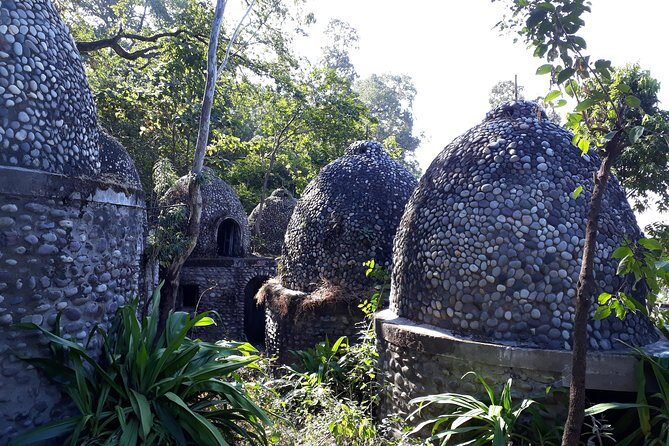
- Beatles Ashram, tied to Maharishi Mahesh Yogi and the late-1960s meditation scene
- Swarg Ashram and Parmarth Niketan as practical stops for understanding yoga and meditation centers
- Rajaji Tiger Reserve buffer zone walking for forest-and-river atmosphere while you move
- Ram Jhula as an iconic Ganga landmark you can actually see up close
- Gita Bhawan as a spacious riverbank ashram stop that helps slow the pace
- Private English-speaking guides like Aaditya or Om often keep things on track and explain the meaning behind rituals
Why this half-day walk works when your schedule is tight
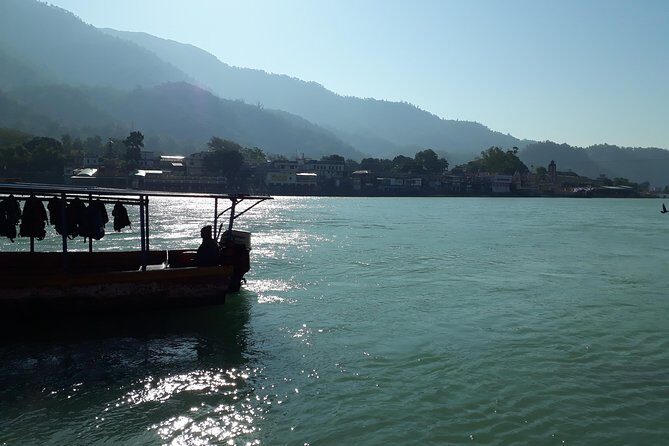
Rishikesh can swallow a day fast. You’ll see riverside stairs, temple bells, and dozens of ashram signs, and suddenly you are wandering without a plan. This tour is designed to prevent that. It stays within roughly 3 to 4 hours, then you are free for the rest of your day—coffee, shopping, or just sitting by the Ganga and watching life move.
The route is built around a simple rhythm: one longer anchor stop (Beatles Ashram) and then several shorter, high-interest ashrams and landmarks. That works especially well if you want the story behind the town—religion, spirituality, and meditation—but you cannot commit to a full-day excursion.
Because it is private, the guide can pace you. One guide style can feel different from another, but the overall structure stays the same: you get enough time to see the major places without spending your whole day in transit.
You can also read our reviews of more walking tours in Rishikesh

Beatles Ashram: music, Maharishi, and the ticket detail that matters
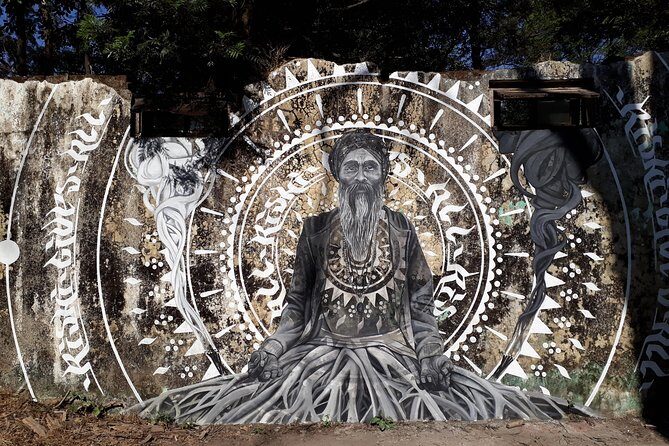
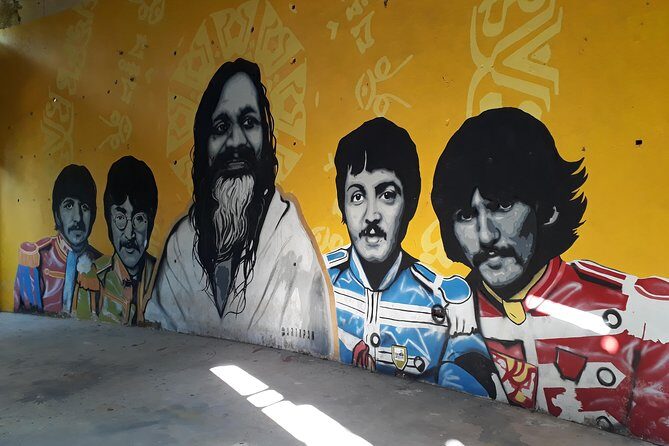
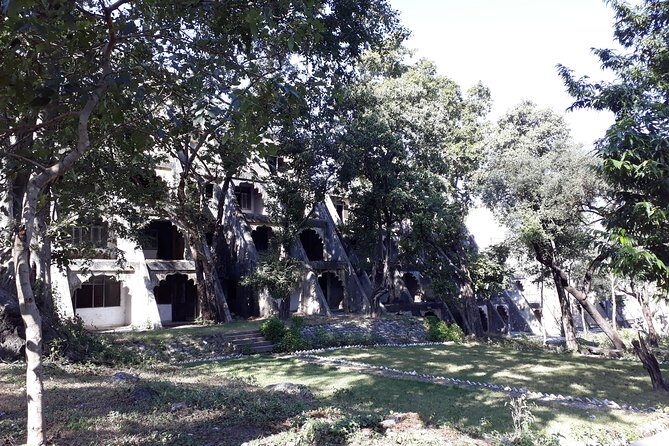
The star of this walk is the Beatles Ashram area, linked to Maharishi Mahesh Yogi. The Beatles came to Rishikesh in February 1968 to stay at his ashram, and while they were there, they wrote many songs that later became part of rock history.
This stop is scheduled for about 2 hours, which is a realistic amount of time. It gives you a chance to look around, understand what you are seeing, and still keep the rest of the tour intact.
Now for the part you must not gloss over: entry is not included. The additional fee is listed as INR 1200 for foreign nationals and INR 200 for Indian nationals. Also, foreign nationals must carry their passport (hard or soft copy) for entry. That is not the kind of detail you want to discover at the gate.
A practical tip: before you reach the entrance, tell your guide what you want most from this stop—history, meditation context, or how ashrams function day to day. One review-style experience noted that the guide helped locate the Beatles Ashram but did not provide much interpretation once inside. You can avoid that by asking for specific explanations right after you arrive.
Swarg Ashram: where Rishikesh’s meditation scene feels real
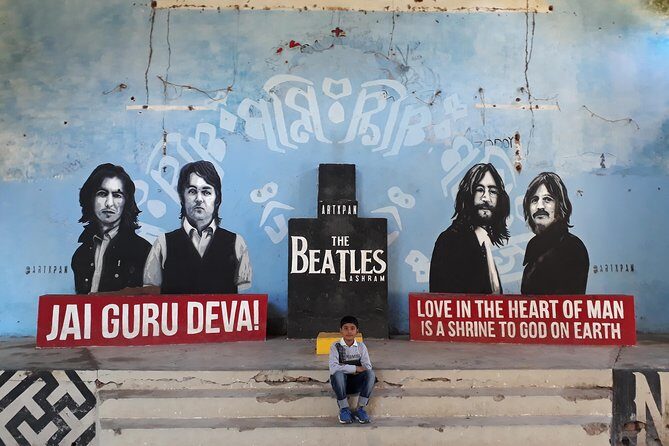
After Beatles Ashram, the tour shifts into a more “how this place actually works” mode with Swarg Ashram. This is described as the epicenter of yoga and meditation centers in Rishikesh, and it offers hundreds of rooms plus a hall with facilities.
You do not spend hours here—about 20 minutes—but that short time can be useful. You are not expected to absorb everything in one visit. Instead, think of it as a snapshot: you see the scale, the organization, and the vibe that comes with being one of the better-known centers in town.
This stop is also free admission, which makes it a low-stress addition. If the day feels slightly fast, it is here that the tour structure helps. You get a quick orientation stop without paying more money for the privilege of standing in a queue.
Parmarth Niketan on the Ganga: spiritual atmosphere without the showiness
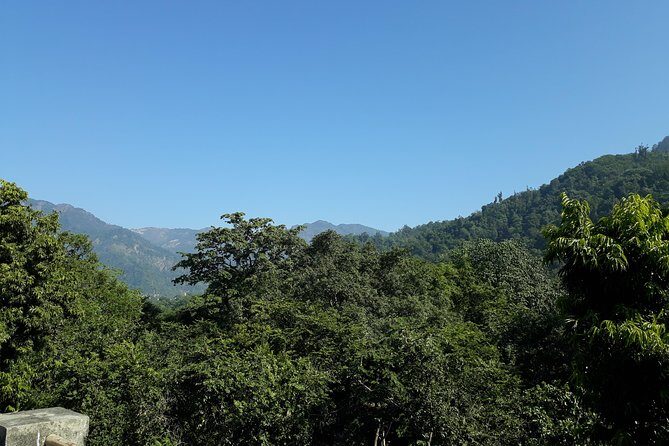
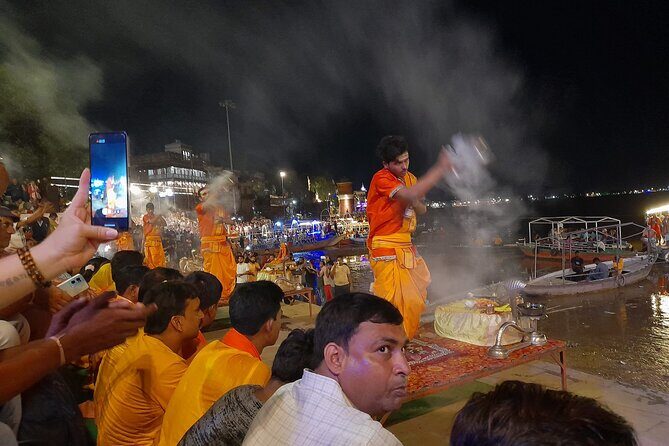
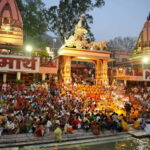
Next up is Parmarth Niketan Ashram, another major spiritual stop along the holy banks of Mother Ganga. The listing description calls it a true spiritual haven, and this is one of those places where the river context is not just decoration. The Ganga is part of why Rishikesh feels different from many other Indian cities.
This stop is also around 20 minutes, and it has free admission. That matters because you can spend the time actually looking at how people move through the space—where they sit, how they interact, and how the setting shapes behavior.
A quick note on what to expect: you might see religious activity and visitors with different backgrounds and purposes. Your guide’s role becomes important here—helping you understand customs and traditions without turning the visit into a lecture.
If you enjoy religion and spirituality but you do not want to overload on theory, this is a good balance stop. You get context, plus you get to feel the atmosphere.
Ram Jhula: the iconic bridge moment that anchors the walk
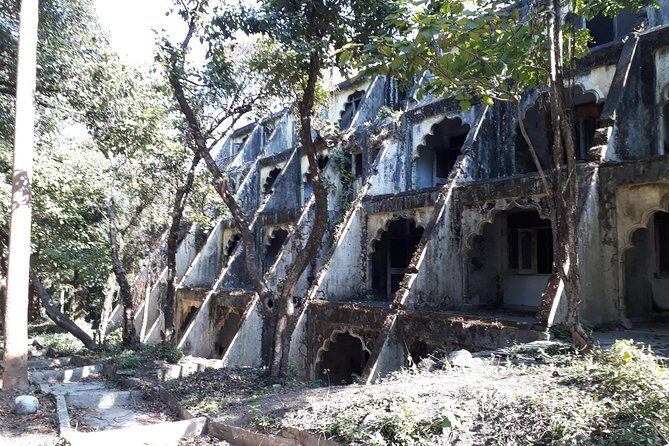
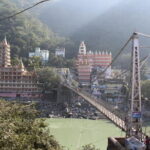
Ram Jhula is the famous iron suspension bridge over the Ganga, with a length of about 450 feet. It is one of those landmarks that looks obvious from a distance, but it lands differently when you are there in person.
The tour gives it about 15 minutes. That is the right amount of time for a bridge stop. You can get photos, watch water below, and get the sense of how the town spreads around the river without turning it into a detour.
This is also where the walk’s planning starts to pay off. The route is described as taking you along the buffer zone of Rajaji Tiger Reserve, so you get forest-and-river views while moving between sacred sites. Even if you do not spot wildlife, you feel the change in scenery compared with purely urban streets.




Gita Bhawan: a spacious riverbank stop that helps you exhale

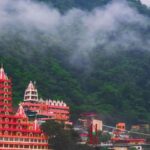
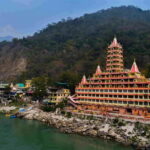
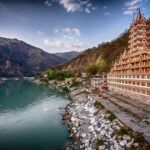
The final ashram-style stop is Gita Bhawan, also popularly known as the Guru Shri Ram Sukh Daasji complex. The tour description calls it a vast and spacious ashram located on the banks of the river Ganga, and it is described as especially beautiful.
You only spend about 15 minutes here, and that brevity can be a plus. After walking and soaking in multiple spiritual sites, this kind of quick stop helps you wrap up without draining your energy. You can take in the setting and then end the tour still feeling fresh.
Admission is listed as free, so you are not making the day more expensive to reach a meaningful place. If you want a calm, reflective close—more river and space, less rushing—this is a good last stop.
Price and what you still need to budget for
The headline price is $20 per person. For a private half-day with an English-speaking guide, that can feel like strong value—especially in a country where guides can otherwise cost more per hour.
But the real budget story is the entry fees. The tour includes taxes, fees, and handling charges, yet Beatles Ashram entry is separate. The listed fee is INR 1200 for foreign nationals and INR 200 for Indian nationals. Also, foreign nationals need a passport for entry.
One review-style caution worth taking seriously: there can be extra entry costs tied to the areas the Beatles Ashram sits within. So when you price this out, do not just calculate the $20. Plan to add the Beatles Ashram entrance amount to your trip budget, and keep a digital copy of your passport ready.
If you want the best value from this tour, treat it like a guided highlights route: you are paying for someone to connect the dots between sites. That is where the money makes sense.
Guides, pacing, and how to get more meaning from each stop
The tour is built around a guide who explains customs and traditions as you go. That sounds generic, but the details matter. In feedback, two guide names came up—Aaditya and Om—and both were described as friendly and helpful with explanations and questions.
Here is the practical takeaway for you: if you want more interpretation at each stop, do not wait. Ask early. A simple question like What is the main idea people practice here? or What should I look for when I walk inside? can change the entire experience.
Pacing is another big deal. Reviews linked the experience to an easy-going pace and relaxed timing. That fits the format: short stops after the longer Beatles Ashram visit.
Dress code is listed as smart casual. Keep that in mind for temple and ashram environments where you might remove shoes or where people are dressed modestly. Comfortable walking shoes also help, because the day is still a walking tour.
Who should book this tour (and who should skip it)
This tour is a good match if:
- You have limited time and want a structured way to see major Rishikesh highlights
- You are interested in music history connected to Maharishi Mahesh Yogi
- You want a religion-and-spirituality overview without going full documentary mode
- You like walking tours that feel guided rather than chaotic
You might think twice if:
- You hate paying add-on entrance fees for a single anchor stop
- You want very deep interpretation at every site without any variation in guide style
- You are hoping for a totally visual city walk with no spirituality context
Because it is private, it also fits better if you want your own group experience rather than blending into a larger crowd.
Should you book this Beatles Ashram Art & Meditation tour?
If you want a clean, half-day plan that ties together the Beatles story, ashrams, the Ganga, and one iconic bridge, I think this tour is worth booking. The price feels fair for a guided private route, and the timing flexibility helps you fit it into real travel days.
Just do two things before you go: budget for Beatles Ashram entry and bring your passport if you are a foreign national. Then, while you are walking, ask your guide what you should notice—history, rituals, or how meditation centers function. With that small effort, you’ll get much more out of each stop than just photos and quick peeks.
FAQ
How long is the Rishikesh Beatles Ashram Art & Meditation walking tour?
It runs about 3 to 4 hours.
Can I choose a morning or afternoon tour?
Yes. You can choose between morning and afternoon timings.
Is this tour private or shared?
It is a private tour/activity, meaning only your group participates.
What is included in the price?
The tour includes all taxes, fees, and handling charges, plus a professional English-speaking guide.
Are the entrance fees included?
No. The Beatles Ashram entry fee is not included. The stated entry fee is INR 1200 for foreign nationals and INR 200 for Indian nationals.
Do foreign nationals need a passport?
Yes. Foreign nationals must carry their passport (hard or soft copy) to enter Beatles Ashram.
What dress code should I follow?
The dress code is smart casual.