REVIEW · AMRITSAR
Real Amritsar Village Tour
Book on GetYourGuide →Operated by WalkandExplore · Bookable on GetYourGuide
Rural Punjab gets real fast. This 5-hour Real Amritsar Village Tour takes you away from city noise and into daily life—school visits, farm work, family meals, and hands-on culture like learning Bhangra and tying a turban. The setting is a Punjabi village near Amritsar, so you see how people live when the day is built around animals, fields, and community.
What I like most is how much of the day is hands-on rather than watch-from-a-distance. I also love that the meal is made with fresh local ingredients in a village family home, so food feels like part of the routine, not an add-on.
One thing to consider: this is not a sit-and-sip tour. You’ll be doing active village activities (farm chores and dressing up), so wear comfortable clothes you don’t mind getting a little dusty.
In This Review
- Key moments that make the tour worth your time
- Rural Punjab, close to Amritsar: what this tour is really about
- Meeting the village family and learning Bhangra
- School stop and village walk: how daily life is framed for you
- Farm chores in real working rhythm: cows, livestock, and the chulha
- Tractor drive, turban tie, and traditional dressing
- Picking fresh fruit and vegetables, then eating lunch at home
- Price, group size, and value for your money
- The guide factor: explanations that make the day click
- What to bring for a comfortable 5 hours in the countryside
- Who this tour suits best (and who should skip it)
- Should you book the Real Amritsar Village Tour?
- FAQ
- How long is the Real Amritsar Village Tour?
- Where is the tour located?
- How much does it cost?
- Is it a small group?
- What language will I use with the guide?
- What activities are included?
- What food is included?
- What should I bring with me?
- What is not included?
- Can I cancel?
Key moments that make the tour worth your time
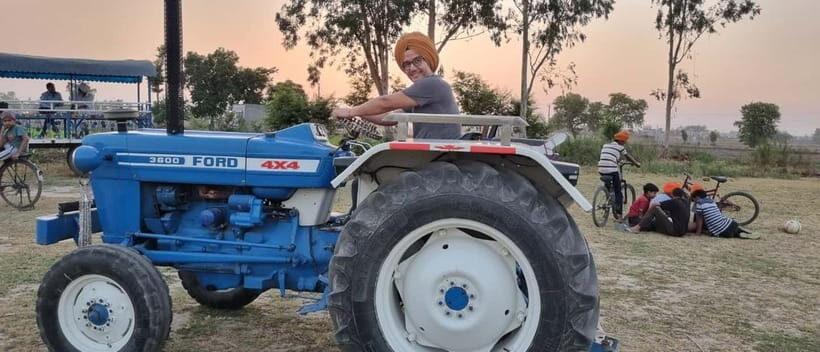
- Farm sunrise/sunset views: you’ll catch the feel of the countryside as the day shifts.
- Meeting a Punjabi village family: warm conversation beats a scripted photo stop.
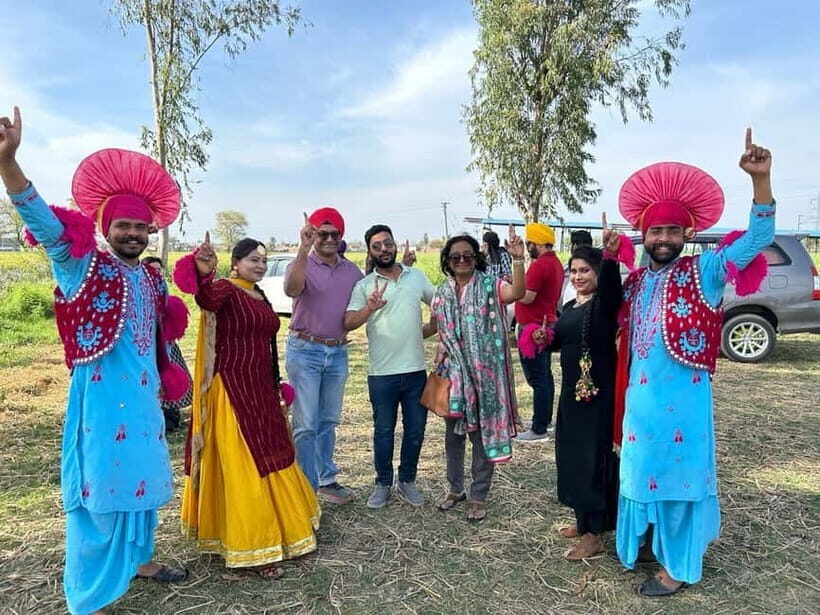
- Learning Bhangra: short, teachable steps you can actually try.
- Milking and feeding livestock: see chores that shape the farm day.
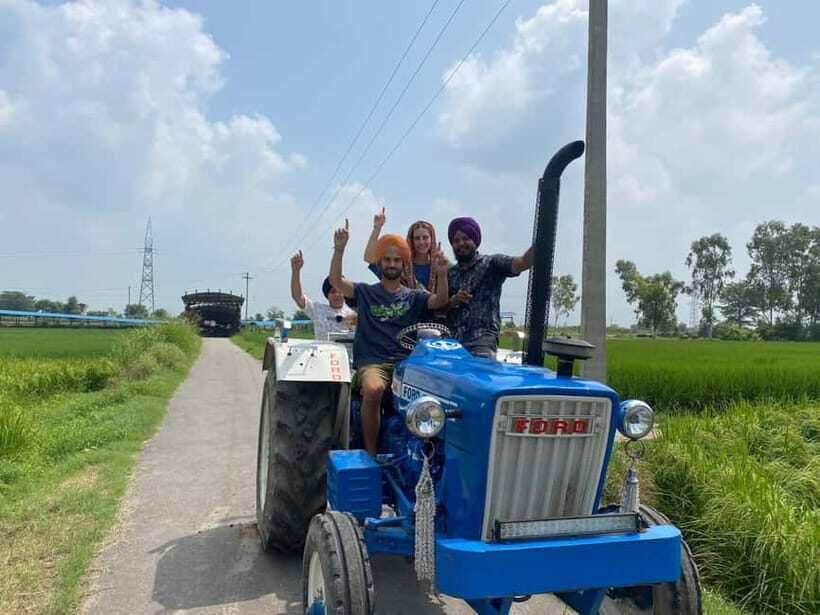
- Tractor drive through the fields: a fun way to get between village and farmland.
- Picking fruits and vegetables: you’ll taste the farm in a very direct way.
Rural Punjab, close to Amritsar: what this tour is really about
This tour is built around one simple goal: show you rural life in Punjab as a lived routine, not a staged show. You’re in a Punjabi village near Amritsar, and your day follows the flow of the countryside—school time, family interaction, farm chores, and a meal cooked at home.
The small group matters. Limited to 5 participants, it keeps things personal enough that you can ask questions and get help during activities like dancing and dressing. If you usually dislike big groups where you’re always waiting, this format is a real plus.
The time window also helps you plan. Five hours is long enough to feel like a day out, but short enough that you don’t lose a whole afternoon if you’re already sightseeing in Amritsar.
You can also read our reviews of more tours and experiences in Amritsar.


Meeting the village family and learning Bhangra
A big part of the day is meeting and interacting with a local village family. This is where the tour feels most human. You’re not just looking at homes; you’re invited into conversation and into the social rhythm that makes village life work.
Then comes the fun part: learning Bhangra. It’s not presented as a performance you have to watch—it’s something you can learn and try yourself. Even if your dancing skills are more chair-based than feet-based, you’ll still get a feel for the movements and the energy behind it.
A detail I really appreciate: the family meal and the cultural activities aren’t separate items. You start with relationship-building, then you move into chores and traditions, and the day ends with food that matches what you’ve been experiencing. It keeps the tour from turning into a checklist.
School stop and village walk: how daily life is framed for you
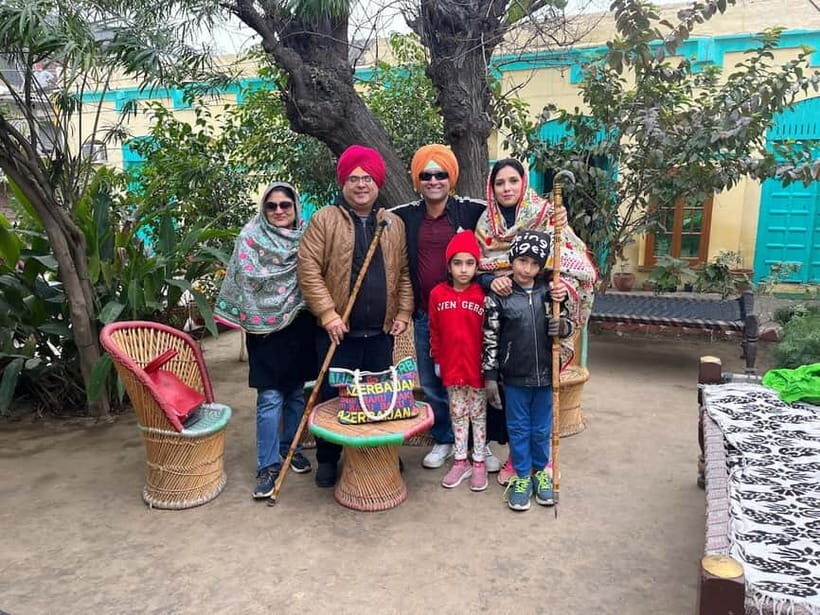
You’ll also visit a local school. That stop gives you context fast—rural Punjab isn’t only farms and fields. It’s classrooms, kids, learning, and a community that builds the future right alongside agriculture.
The village walk connects the dots. You’re guided by an English-speaking local guide (with English, Hindi, and Punjabi support), and you get explanations about how people live. For many visitors, this is the moment where the day stops being just activities and starts making sense.
The tour runs at a comfortable pace for seeing without feeling rushed. That said, plan for uneven surfaces and village walking realities. If you’re used to smooth sidewalks, wear shoes with decent grip.
Farm chores in real working rhythm: cows, livestock, and the chulha
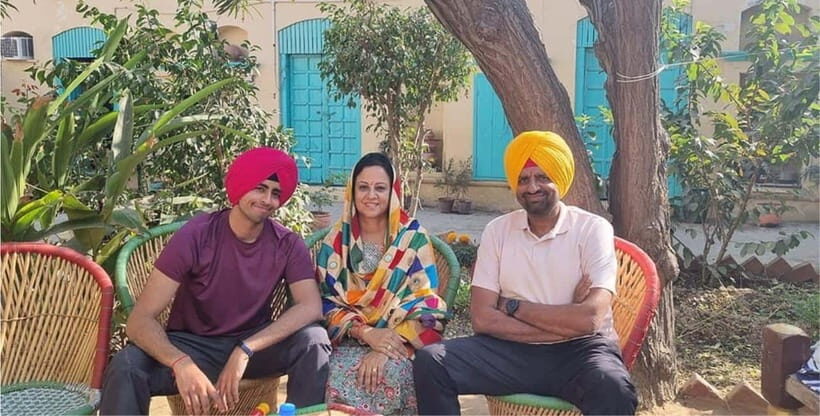
This is the part people remember because it’s active and practical. You’ll participate in daily farm chores such as milking cows and feeding livestock. This isn’t a theatrical moment; it’s about understanding work that happens whether visitors show up or not.
You’ll also cook in a traditional clay oven, the chulha. That matters because it shows the practical side of food culture—how meals are shaped by tools and local techniques. If you enjoy cooking, you’ll love seeing how heat, tradition, and ingredients work together in a village home.
Another practical angle: you get refreshments like tea, lemon water, and snacks during the day. That’s not just nice hospitality—it helps you stay energized for moving around, dancing, and farm activities within a five-hour schedule.
Tractor drive, turban tie, and traditional dressing
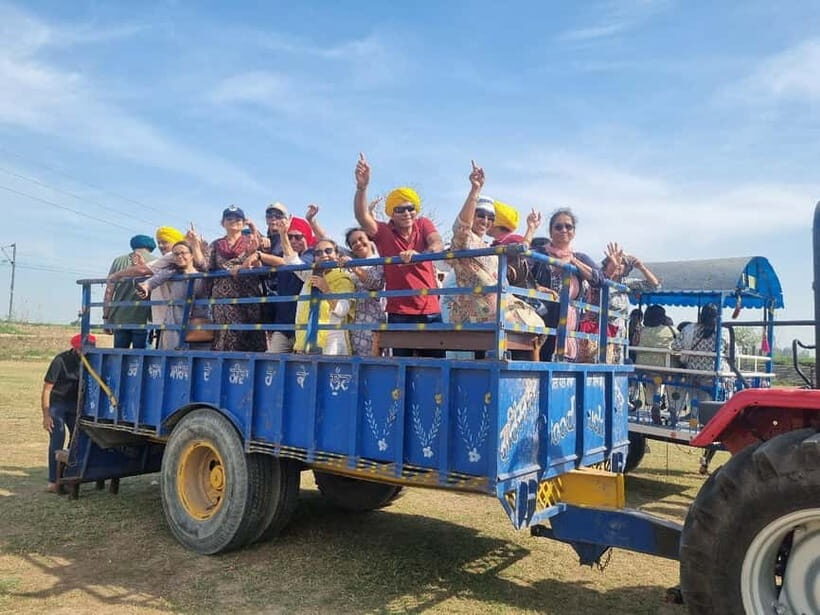
Next, you ride through the fields on a tractor. It’s one of those simple experiences that becomes big in the memory because the scenery moves with you, not past you. You get a village-to-farm perspective that you just can’t get from standing on one spot.
Then comes a classic Punjab touch: turban tying and traditional dressing. You’ll learn how to tie a turban, and you’ll get a chance to dress in traditional style. It’s a hands-on cultural lesson, not a costume moment, and it’s usually the part where people grin without trying.
Quick advice: if you care about keeping your outfit clean, choose something you don’t mind for farm dust. The tour involves farm surroundings, and you’ll be outdoors through part of the experience.


Picking fresh fruit and vegetables, then eating lunch at home
One of the most satisfying pieces of this tour is the chance to pick fruits and fresh vegetables from the farm. It’s simple, but it makes a difference. When you gather food yourself, lunch feels connected to the work you just watched and helped with.
And then you eat—lunch is included, cooked with fresh local ingredients in a village family home. This is where the day’s earlier moments pay off. The meal isn’t only tasty; it feels like a continuation of the farm routine.
What I appreciate for planning: you’re not left guessing about hunger. Lunch is included, and refreshments are provided. For a 5-hour experience, that’s a strong deal, since food costs in cities can add up fast.
If you’re a foodie, this is also a good tour choice because you’ll see the ingredient path: from farm picking to home cooking. If you’re not a foodie, you’ll still get one of the best rewards: a filling meal that feels local and real.
Price, group size, and value for your money
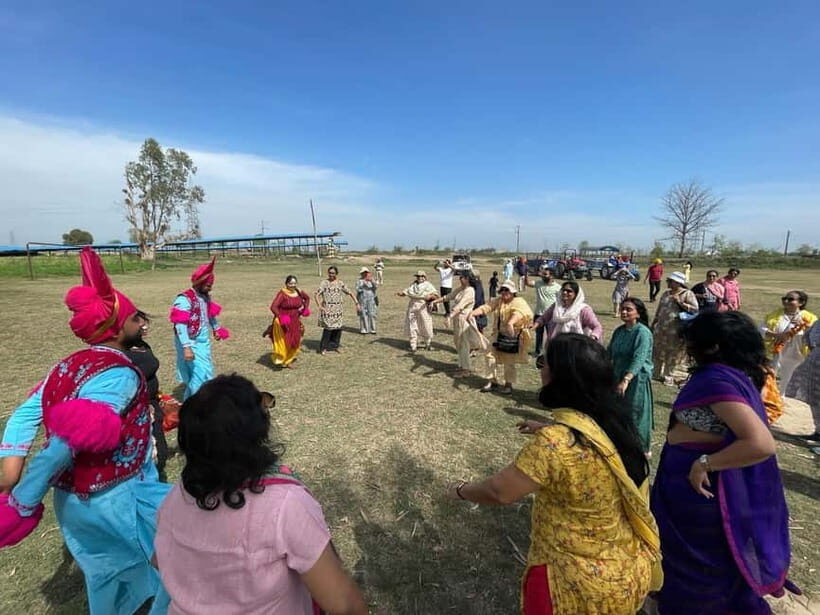
At about $24 per person for a 5-hour small-group tour, this price lands in the “good value” zone. You’re paying for more than a guide walking you around. You’re paying for family access, farm activity time, cultural lessons (Bhangra), and included food and refreshments.
Small group size (limited to 5 participants) is a key value lever. With fewer people, it’s easier to get instruction for things like dancing and turban tying, and it’s easier to ask questions during the family interaction.
It’s also a tour that doesn’t end at photos. You’ll do chores, ride a tractor, and participate in village activities. Those hands-on moments usually make the cost feel justified compared with tours that focus mainly on observation.
The guide factor: explanations that make the day click
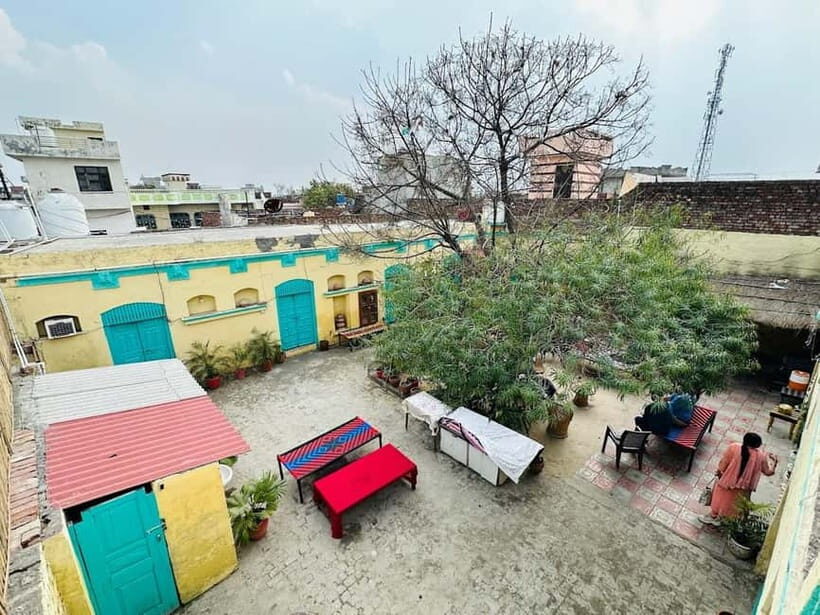
A local guide can make a village tour either confusing or meaningful. Here, your guide is English-speaking, with support in Hindi and Punjabi as needed. That matters because you’ll be hearing explanations about the lifestyle of Punjabi people, and you’ll be able to understand what you’re seeing.
In addition, the experience often runs with the kind of guidance that keeps activities friendly and doable. One highlight from the experience: a guide named Hardik was praised for being excellent. If you’re someone who likes good communication and clear direction during hands-on activities, this is the kind of tour that tends to work well.
What to bring for a comfortable 5 hours in the countryside
You don’t need fancy gear, but you do need basics. The tour recommends bringing a water bottle, sunglasses, and a camera.
I’d also add practical common sense: wear comfortable clothes and shoes that can handle a farm environment. If you’re planning to dress traditionally and tie a turban, you’ll want something easy to move in. Keep your phone protected from dust.
Also think about how you’ll handle photos. Outdoors and farm settings can mean changing light and dirt risk, so bring a camera pouch or small cloth for quick cleanup.
Who this tour suits best (and who should skip it)
This is a strong choice if you want authentic rural Punjab without spending days away from Amritsar. It’s great for culture-minded travelers who like learning by doing—dancing, dressing up, and participating in farm tasks.
It also fits families or mixed-age groups better than some extreme activity tours, mainly because it’s guided and paced for a five-hour window. Wheelchair accessible is listed, so it can work for travelers with mobility needs, though you should still be ready for village surfaces.
Skip it if you want a quiet museum-style experience. This day has movement, farm chores, and outdoor time. If that sounds like stress, you may prefer a more indoor, low-activity option.
Should you book the Real Amritsar Village Tour?
Book it if you want a short, small-group taste of village life that goes beyond sightseeing. The combination of family hospitality, farm chores, Bhangra learning, tractor riding, and a home-style lunch is what makes it feel worth the time.
Don’t book it if you’re chasing big-city polish or you hate getting involved in activities. This tour is hands-on by design, and you’ll get the best value when you’re willing to participate.
If you want an afternoon that feels like you met real people and saw real work, this one fits. The $24 price point helps, but the main reason to choose it is the way the day is built around lived routines, not just a route.
FAQ
How long is the Real Amritsar Village Tour?
It lasts 5 hours.
Where is the tour located?
It runs in Punjab, in a Punjabi village near Amritsar.
How much does it cost?
The price is $24 per person.
Is it a small group?
Yes. It’s limited to 5 participants.
What language will I use with the guide?
The tour includes an English-speaking local guide, and the driver/guide support includes English, Hindi, and Punjabi.
What activities are included?
You’ll do village and farm activities such as visiting a local school, interacting with a village family, learning Bhangra, participating in farm chores like milking and feeding livestock, riding a tractor, tying a turban and dressing traditionally, and picking fruits and vegetables.
What food is included?
Lunch is included, made with fresh local ingredients in a village family home. Tea, lemon water, and snacks are also provided.
What should I bring with me?
Bring a water bottle, sunglasses, and a camera.
What is not included?
Transportation charges from your hotel to the village are not included, along with personal expenses and any personal insurance coverage. Anything not mentioned as inclusive is also not included.
Can I cancel?
Yes, free cancellation is available up to 24 hours in advance for a full refund.