REVIEW · AMRITSAR
Amritsar City Tour ( Including Wagah Border Ceremony)
Book on Viator →Operated by Globe Trek Tours and Sightseeing. · Bookable on Viator
One day can pack in a lot of meaning. This private Amritsar outing pairs the Golden Temple area with key memorial sites, then tops it off with the famous Wagah Border flag retreat ceremony, with cultural context so the spectacle makes sense.
I love the round-trip hotel pickup and drop-off. You also get practical comforts like bottled water and umbrellas in the vehicle, which matters when your day runs long and the weather changes fast.
Second, I like that you travel with an English-speaking guide who keeps the day organized and personal. Names like Ravish and Ronit come up often in the descriptions of guides on this tour, along with drivers such as Ravi or Rishi who help you stay calm in heavy traffic.
The main consideration is planning your clothing. A dress code is mandatory at some religious places (full arms and legs), and the Partition Museum is closed on Mondays, so it may not fit your schedule.
In This Review
- Key highlights you should know before you go
- A full Amritsar day: temples, memorials, and the Wagah show
- Golden Temple: where your guide helps the place click
- Akal Takht, the sacred shrine area, and the healing tree stop
- Jallianwala Bagh: the memorial garden you should take slowly
- Partition Museum: optional, powerful, and closed on Mondays
- Gobindgarh Fort and the War Memorial: a different lens on Amritsar
- Wagah Border ceremony: how to enjoy the spectacle without wasting time
- If you’re shown the Attari side
- What you get for $54: the value math that matters
- Timing and comfort: what to pack so the day feels easy
- Who this Amritsar + Wagah tour is best for
- Should you book this tour?
- FAQ
- What is the duration of the Amritsar City Tour with Wagah Border Ceremony?
- How much does the tour cost?
- Is hotel pickup and drop-off included?
- What stops are included during the day?
- Is the Partition Museum ticket included?
- Do they sell VIP seats for the Wagah ceremony?
- What should I wear for the religious sites?
Key highlights you should know before you go
- Golden Temple guided tour with time for the complex and the changing of the Guru Granth Sahib
- Quick, meaningful stops including Akal Takht, the sacred shrine on campus, and the 500-year-old Dukh Bhanjani Ber tree
- Jallianwala Bagh plus an optional look at the Partition Museum (ticket not included, closed Mondays)
- Wagah Border ceremony timing with help to manage the flow so you don’t waste the best moments
- Practical comfort extras: bottled water, umbrellas in the car, and head covers provided for temple visits
A full Amritsar day: temples, memorials, and the Wagah show
This is an all-day private tour designed around two big anchors: spiritual Amritsar and the India-Pakistan border ceremony. It runs about 8 to 9 hours, which is enough time to see the key sights without feeling like you’re speed-walking nonstop.
The “private” part matters more than you might think. You get your own English-speaking guide and a dedicated driver, so you can move at a pace that actually works for your group, ask questions, and avoid the chaos of figuring everything out alone.
Also, the tour is built to reduce friction. You get pickup and return transfers, plus a mid-day refresh with a complimentary drink. That’s not just convenience, it’s sanity when you’re mixing religious sites, memorial spaces, and an evening ceremony.
You can also read our reviews of more city tours in Amritsar

Golden Temple: where your guide helps the place click
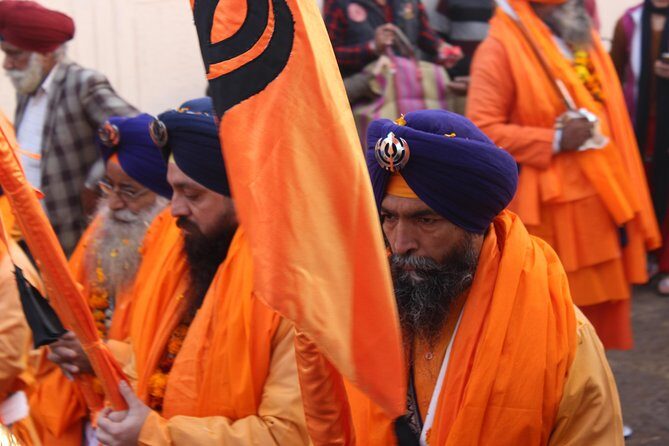
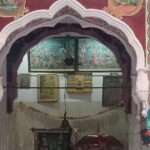
Your day starts at the Golden Temple, with a guided visit lasting about 1 hour 30 minutes. This is the spiritual heart of Sikhism, and the guide’s job here is to help you understand what you’re looking at, not just where to stand for photos.
One of the most special moments described for this stop is the changing of the Guru Granth Sahib. If your timing lines up, that moment adds a living, moving feeling to what can otherwise seem like a beautiful architecture tour.
You’ll also spend time exploring the temple complex. Expect time to understand the sacred layout, the flow of visitors, and the rules that keep the space respectful for everyone. Your guide also helps with photo opportunities at guided stops, so you’re not stuck guessing which angles matter.
Practical note: your shoes come off. The tour includes head covers, which helps if you want to follow local expectations without trying to pack one more item. Your clothing should cover full arms and legs at religious sites, and closed-toe shoes make life easier.
Akal Takht, the sacred shrine area, and the healing tree stop
After the main Golden Temple visit, the itinerary keeps things tight with several short but meaningful stops. These are brief (think 5 to 10 minutes each), which makes sense because they’re designed to add context without turning the day into a long series of quick dashes.
Here’s what you’re likely to experience:
- Akal Takht: described as the house of God and also known as the Sikh parliament. It’s a great stop if you want the spiritual story to connect to community leadership and governance.
- A sacred shrine inside the Golden Temple campus area (the tour lists this separately from the main complex time). This gives you a slightly different perspective on the spiritual geography of the site.
- Dukh Bhanjani Ber tree: a historic 500-year-old sacred healing tree. This short stop gives you a human, grounded “this tradition has roots” moment.
Because these stops are short, the guide’s commentary becomes the real value. You’ll get more out of them if you ask a question or two, especially if you’re visiting for the first time and want to understand symbols rather than just settings.
Jallianwala Bagh: the memorial garden you should take slowly
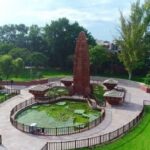
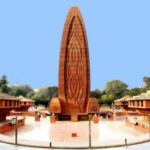
Next up is Jallianwala Bagh, the historic massacre garden. The visit is about 15 minutes, which is long enough to absorb what this place is without turning it into a rush-and-grab stop.
You’ll need a different mindset here than at a temple. This is a commemorative space. The goal isn’t sightseeing. It’s reflection, and it helps to let the guide set the context so you don’t leave with only a vague sense of events.
One review thread specifically mentions the massacre being tied to 1929, which is worth keeping in mind as you look around. Your guide can help you understand why this location still matters in the broader story of partition and colonial violence.
Quick tip: if you tend to move fast, slow down on this one stop. Give it the full 15 minutes. It’s the part of the day that tends to linger after the ceremony noise fades.
Partition Museum: optional, powerful, and closed on Mondays
The Partition Museum is listed as an optional add-on in the day plan (about 45 minutes when you choose to go). Admission is not included, and importantly, it remains closed on Mondays.
That combination affects how you plan. If your dates include a Monday, don’t count on fitting it in. If you’re there any other day, it can be a strong companion to Jallianwala Bagh because it helps explain the wider human consequences of 1947 that shaped lives for generations.
Since the museum ticket isn’t included, you’ll want to decide on the spot based on your group’s interest level and your remaining time. The tour schedule includes room for a break, and that makes it easier to choose thoughtfully rather than dragging yourself through every option.
If you do go, treat it like a careful reading session, not a quick photo stop. This is the kind of place where your guide’s phrasing matters.




Gobindgarh Fort and the War Memorial: a different lens on Amritsar
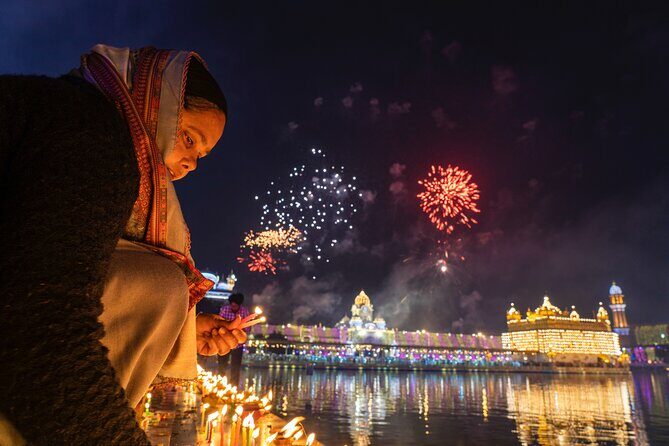
The tour includes Gobindgarh fort and a War Memorial stop. The time isn’t specified in the same detail as Golden Temple or Jallianwala Bagh, so expect a shorter visit or viewing-style stops rather than a long museum deep dive.
Why include them at all? Because Amritsar isn’t only sacred spaces and memorial gardens. It’s also a city where military and civic memory shows up in the physical environment. These stops help round out the “Amritsar story” so the day doesn’t feel one-note.
Practical upside: these are usually easier walking stops than the most crowded temple areas. If you have a parent, a slower walker, or someone who needs more breaks, these can be a relief between more emotionally heavy sites.
Wagah Border ceremony: how to enjoy the spectacle without wasting time
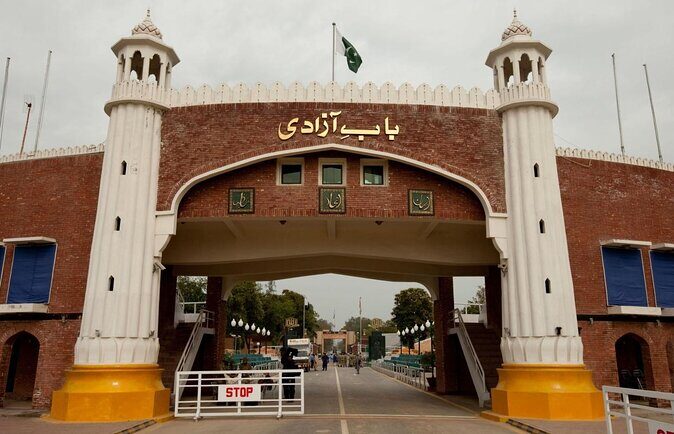
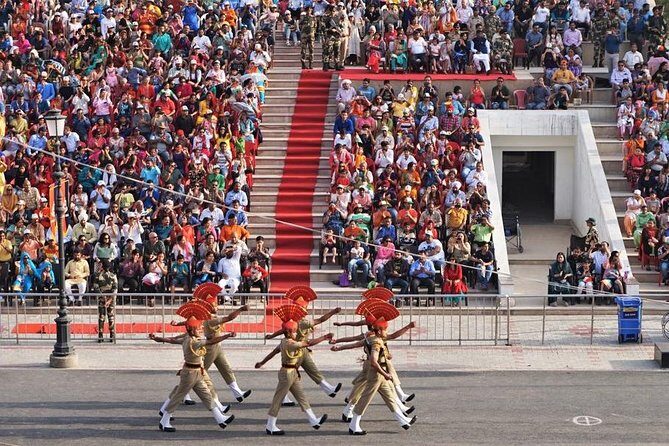
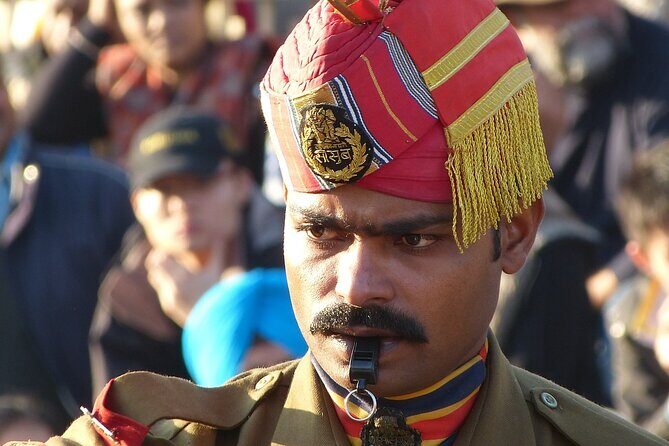
The day’s finale is the Wagah Border ceremony, guided and about 1 hour 30 minutes. This is the evening flag retreat at the India-Pakistan border, famous for its grand choreography.
This is where the guide support really pays off. The tour description emphasizes that your guide will help you manage time and keep things hassle-free. That’s important because the “best moment” can be a small window, and standing around waiting makes the whole thing feel less special.
Also, this tour does not endorse or sell VIP seats. That’s a good thing for most people. You’re coming for the ceremony itself, not for a premium view that might tempt you to overpay for small differences. You’ll experience it as part of the broader event rhythm.
One practical thing to do: keep your group together once you’re close to the viewing area. The ceremony is scheduled and the flow can be intense. Following your guide’s cues helps you stay in the right spot when the choreography starts.
If you’re shown the Attari side
Some tour experiences on this route include a stop around the Attari area, with historical context tied to refugee journeys after partition. If your guide builds that into your timing, it makes the ceremony feel less like a standalone spectacle and more like a chapter in the larger story of borders and people.
What you get for $54: the value math that matters
At $54 per person, this tour can be a strong value if you want structure and context for a full day. The pricing isn’t just about “getting driven around.” You’re paying for the combination of dedicated transport, guided interpretation, and included entry fees for several key sites.
Here’s what’s included that helps justify the cost:
- A private expert guide (English-speaking)
- Private transportation with round-trip hotel transfers
- Bottled water and umbrellas available in the vehicle
- A complimentary drink break
- Head covers for temple visits
- Guided photo opportunities
- Several admissions listed as free or included (Golden Temple is free for your visit; Akal Takht and certain Golden Temple-area items are marked included)
What isn’t included:
- Tips/gratuity
- Partition Museum admission (and it’s closed on Mondays)
- Any VIP seats for Wagah
The value sweet spot is clear: if you were to DIY Amritsar plus the Wagah ceremony, you’d spend time figuring routes, timing, and rules. Here, the schedule is already built around the key moments, and your guide handles the “how do I do this without stress” part.
Timing and comfort: what to pack so the day feels easy
This tour runs long enough that small comfort issues add up. The good news is the tour explicitly plans for some of them.
You’ll have bottled water and umbrellas in the vehicle, which helps if the weather turns. That said, you still want to dress right for walking and religious entry rules.
I’d pack like this:
- Comfortable t-shirts and pants that cover arms and legs (religious places may require full coverage)
- Comfortable closed shoes; avoid sandals/slippers
- A warm layer in winter (the tour recommends a warm jacket and gloves)
- Light bag only; avoid heavy backpacks and bulky camera bags
- Skip loose outfits that snag or get in the way on uneven roads
- Don’t carry expensive accessories that make you worry all day
One more comfort tip: the roads aren’t described as smooth or clean. So choose shoes with grip and avoid footwear that slips.
Who this Amritsar + Wagah tour is best for
This one is a great fit if you want a day that feels guided and meaningful without being rigid. It’s especially useful if:
- You’re on a first visit to Amritsar and want the highlights in the right order
- You care about historical and cultural context, not just “see the place” stops
- You want pickup and drop-off so you don’t burn energy on logistics
- You’re traveling with family members who would benefit from pace control and someone handling timing
It may be less ideal if you’re the type who hates memorial sites. Jallianwala Bagh and the Partition context aren’t optional mood boosters. They’re part of the day’s meaning, and you’ll feel it.
Also, if you’re specifically aiming for the Partition Museum, check your day of the week. Mondays are a deal-breaker because it remains closed.
Should you book this tour?
Yes, if you want a structured, private day that connects Amritsar’s spiritual core with the city’s memorial story, then ends with the classic Wagah border ceremony. The included guide time, transport, and practical comforts like water/umbrellas and head covers make it feel more efficient than DIY.
I’d hesitate only if your schedule is Monday and you strongly want the Partition Museum, or if your group can’t handle reflective, heavy stops like Jallianwala Bagh. Otherwise, this is a solid way to see the best-known sights plus the context that keeps them from turning into random checkmarks.
FAQ
What is the duration of the Amritsar City Tour with Wagah Border Ceremony?
The tour runs about 8 to 9 hours.
How much does the tour cost?
The price is $54.00 per person.
Is hotel pickup and drop-off included?
Yes. The tour offers hassle-free round-trip hotel transfers.
What stops are included during the day?
You’ll visit the Golden Temple area, Akal Takht, the sacred shrine area inside the campus, the Dukh Bhanjani Ber tree, Jallianwala Bagh, the Partition Museum option (not included), plus Gobindgarh fort and the War Memorial, and then the Wagah Border flag retreat ceremony.
Is the Partition Museum ticket included?
No. The Partition Museum admission is not included. It also remains closed on Mondays.
Do they sell VIP seats for the Wagah ceremony?
No. The tour does not endorse or sell any VIP seats.
What should I wear for the religious sites?
Wear comfortable t-shirts, pants, and shoes. Clothes covering full arms and legs are recommended because they are mandatory to enter some religious places. In winter, bring a warm jacket and gloves. Avoid slippers or sandals, and avoid loose outfits or heavy bags.