REVIEW · AMRITSAR
Amritsar Heritage Walking Tour
Book on Viator →Operated by Walk and Explore · Bookable on Viator
Amritsar has layers, and this walk shows them. This 2 hours 45 minutes route links Sikh history, the horror of 1919, and everyday old-city life with a guide who keeps the story moving. I especially like the mix of big historical moments and the small street-level details that help it all make sense.
Two things I like a lot: first, the trained storytellers (English, Hindi, and Punjabi) who guide you through places most people wouldn’t find on their own. Second, the route includes hidden lanes and bylanes, so you don’t just tick off monuments—you get a feel for how Amritsar actually breathes.
One consideration: not every stop includes admission, and some themes are heavy, especially around Partition and Jallianwala Bagh. If you want a super academic, lecture-style approach, this is more story-led and you may want to ask your guide for specifics as you go.
In This Review
- Key Highlights You’ll Really Notice
- Starting at the Partition Museum: the story’s emotional switch
- Walking toward Saragarhi Memorial Gurudwara: where bravery becomes place
- The Maharaja Ranjit Singh statue stop: Punjab’s power story, in one photo moment
- Jallianwala Bagh: a memorial visit with heavy context
- Udasin Akhara on Sangal Wala Road: understanding akharas without stereotypes
- Guru Bazar and old alleys: the part that helps you feel Amritsar
- How the guide style shapes the experience
- Price and value: what $16.66 buys you in Amritsar time
- The end point: finishing near the Golden Temple area
- Who should book this walk, and who might want something else
- Quick practical tips before you go
- Should you book Amritsar Heritage Walking Tour?
- FAQ
- FAQ
- How long is the Amritsar Heritage Walking Tour?
- What does the price include?
- Is there a mobile ticket?
- What entry fees should I expect?
- Where does the tour start and end?
- How big is the group?
- What languages can the guide speak?
- What kind of places are visited?
- Is the tour suitable for most travelers?
- Can I get a refund if I change my mind?
Key Highlights You’ll Really Notice
- Partition Museum opener that sets the emotional context before you hit the streets
- Saragarhi Memorial Gurudwara stop honoring 21 Sikh soldiers
- Old-city walking flow that connects major sites with narrow lanes and everyday culture
- Jallianwala Bagh memorial timing on the Baisakhi eve context from 1919
- Akharas at Udasin Akhara Sangal Wala Road, with real meaning behind the tradition
- Guru Bazar lane-walking, including a stop near a 150-year banyan tree
Starting at the Partition Museum: the story’s emotional switch
The tour starts at the Town Hall area, right at the world’s first Partition Museum. That matters because Amritsar’s identity isn’t only about temples and parades. It also carries the grief of 1947, when Partition uprooted lives on an enormous scale—18 million+ people affected, according to the tour framing.
You’ll get an intro at the museum in the Town Hall building, and it’s quick—about 10 minutes—so think of it as a set of gears snapping into place. Then you’re on your feet, walking while the history is still fresh in your mind.
Value tip: for a low-cost walking tour (here it’s $16.66), that museum start is one of the best ways to avoid arriving in Amritsar with only surface-level context. You’re paying for momentum and interpretation, not just distance walked.
You can also read our reviews of more walking tours in Amritsar



Walking toward Saragarhi Memorial Gurudwara: where bravery becomes place
Next comes the route toward Saragarhi Memorial Gurudwara, dedicated to 21 Sikh soldiers who sacrificed their lives serving in the British army. Even if you only know the name “Saragarhi,” seeing the memorial tied to a specific sacred site makes the story feel grounded and human.
This stop is shorter, around walking time plus on-site viewing, but the payoff is in the shift of tone. After Partition’s rupture, you’re moved toward courage, remembrance, and faith—without the tour turning into a lecture.
Practical note: you’ll be walking through real neighborhoods, not a staged pedestrian street. Keep comfortable shoes ready. The pace is manageable for most people, but you are in old-city lanes.
The Maharaja Ranjit Singh statue stop: Punjab’s power story, in one photo moment
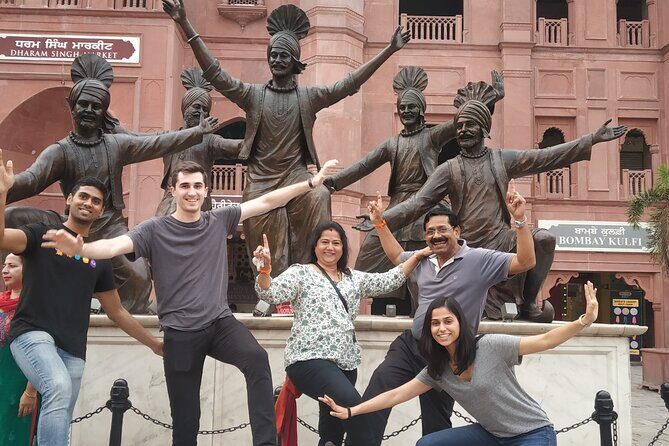
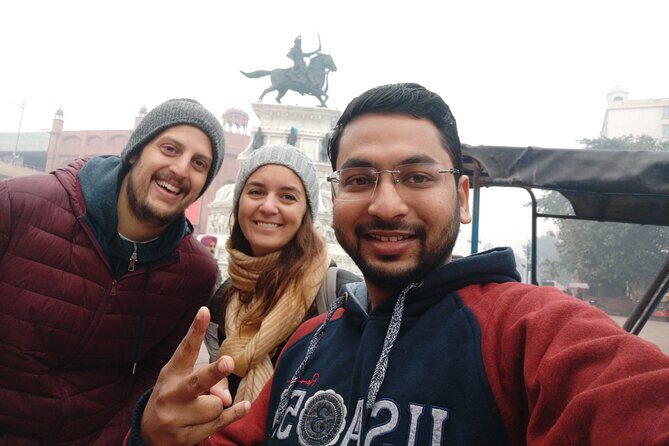
Then you’ll reach a Maharaja Ranjit Singh statue and hear the Punjab empire story through him. This is one of those stops where a statue could be just a landmark, but here it functions as a bridge: from religious identity into regional history, state power, and the kind of leadership that shaped the era.
It’s a brief moment—about 10 minutes—but it’s useful for first-timers. If your brain is trying to connect why certain buildings, traditions, and street patterns exist, this helps give a bigger frame.
What I like about it: you don’t need a textbook. The tour gives you a storyline anchor, then you keep walking.
Jallianwala Bagh: a memorial visit with heavy context
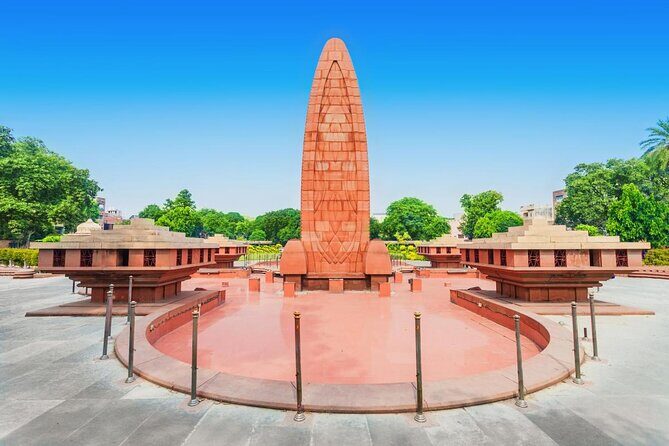
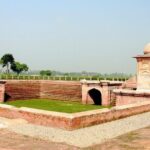
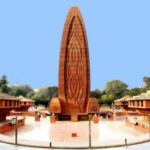
From empire to tragedy: the tour heads to Jallianwala Bagh and the memorial for the massacre that occurred on 13 April 1919, on the festive eve of Baisakhi. The date-by-date framing is important, because it’s one of those histories that can get flattened into a single headline unless someone places it in the right emotional setting.
Plan for about 30 minutes here. This is not a quick photo stop. The whole point is to help you understand what you’re looking at: the space, the gravity, and the lesson of what happens when people lose control of the human scale.
Also note the tour indicates admission is not included for this stop. If you’re trying to budget tightly, this is worth factoring in ahead of time.
A consideration, stated plainly: if you’re traveling with anyone who prefers upbeat sightseeing only, this segment may feel intense. On the other hand, if you want your Amritsar experience to be honest, this is one of the strongest parts of the route.
Udasin Akhara on Sangal Wala Road: understanding akharas without stereotypes
Next you’ll visit Udasin Akhara Sangal Wala Road, where the focus shifts to akharas and why they matter in Amritsar. This is where the tour gets into lived culture instead of only famous names. Akharas are tied to traditions, discipline, community roles, and how faith and practice show up in daily life.
The stop is about 20 minutes, and that’s enough time to get the meaning without turning it into a long detour. I like that the tour doesn’t treat these places like scenery; it treats them like institutions with purpose.
Why this works for you: you’re not leaving the walk with only monuments. You’re leaving with a sense of how communities organize around teachings, training, and tradition. That helps when you later wander on your own, because you start noticing what people consider important.
You can also read our reviews of more historical tours in Amritsar

Guru Bazar and old alleys: the part that helps you feel Amritsar
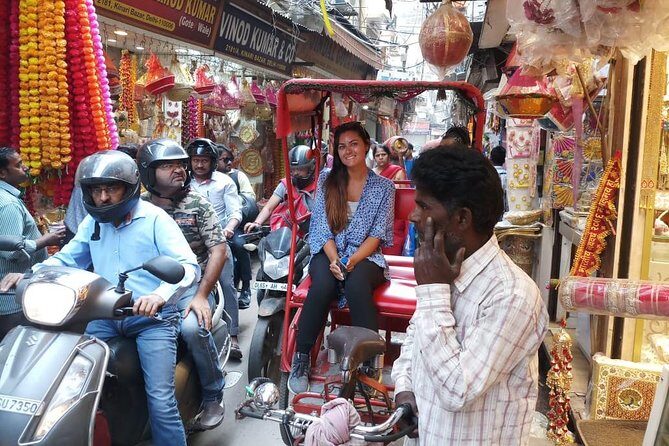
After the memorial and heritage institutions, the route moves into Guru Bazar and the older street grid. This is where the tour becomes very practical: walking through narrow old alleys and learning about local lifestyle and how the city developed around daily commerce.
You’ll also visit the area around Baba Bohar, described as a large old banyan tree in the middle of the city, and the tour schedule includes about 1 hour 30 minutes for this longer old-street segment. That extra time is smart. You need room to slow down, look carefully, and ask questions.
If you’ve ever been on a sightseeing walk where everything is “here’s the thing, next,” this is different. The guide’s role becomes translating what you see: market streets, how lanes connect, what people do, and why the old layout still matters.
Also useful: the tour includes tips for bargaining and saving money. That’s not fluff. It helps you shop with confidence, especially if you plan to pick up small gifts, snacks, or local items after the walk.
How the guide style shapes the experience
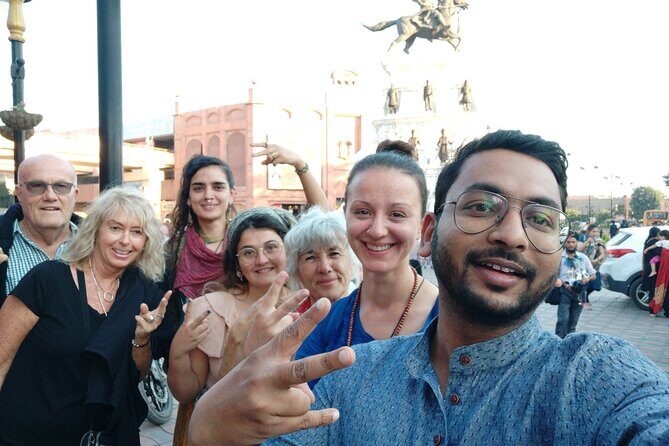
The experience is led by a trained storyteller/guide who can speak English, Hindi, and Punjabi, and you’ll be in a small group capped at 20 travelers. That group size is key for two reasons: you get enough attention to ask follow-ups, and you don’t spend half the time waiting in a line.
The guide names mentioned in past experiences include Prerit and Hardik. Common praise patterns around them are consistent: being punctual, keeping the flow organized, and answering extra questions. One solo traveler also specifically called out feeling safe during the walk, which is reassuring if you’re traveling alone.
If you want to get the most out of the walk, treat it like a conversation with a local historian who also knows how to point. Ask one or two targeted questions, like:
- What should I notice first when I return here on my own?
- Which part of today’s story connects most to what I’ll see at the Golden Temple area?
Price and value: what $16.66 buys you in Amritsar time
At $16.66 per person, this is priced like a budget-friendly “orientation walk.” But the value isn’t only the price. It’s the structure.
You’re paying for:
- a guided route across several key heritage zones (the tour mentions 8–10 heritage and historic places),
- storytelling that links places into one understandable arc,
- help navigating hidden lanes and bylanes, and
- practical guidance like bargaining tips.
What you might need to budget separately: the tour explicitly says any entry tickets/fees are not included, and at least one stop (Partition Museum) notes admission ticket not included. Jallianwala Bagh also says admission is not included.
So the best way to think about the total cost is: your base ticket buys guidance and route design, while entrance fees are the only extra variable depending on which memorials/museums you choose to pay for.
If you hate paying for experiences in pieces, you’ll probably still feel okay here. The walking route gives you a lot even if you skip one paid admission—just plan your money so you’re not surprised.
The end point: finishing near the Golden Temple area
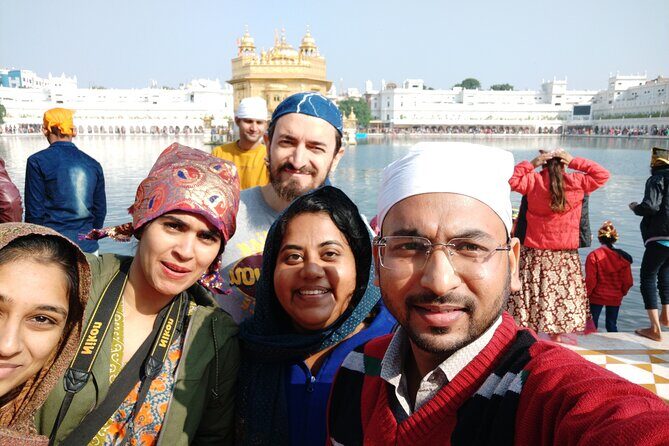
The tour ends near Sri Harmandir Sahib (the Golden Temple), at Atta Mandi / Katra Ahluwalia area, with the meeting direction noted as outside the Golden temple. Ending here is strategic: you start with heavy context and local history, then you close near the spiritual heart of the city.
You’ll likely feel two things at the end:
- the city’s past is not separate from its faith and present-day rhythm, and
- you now know where you are when you step into the Golden Temple area’s crowds.
If you plan to do more exploring after the walk, this ending location helps. You won’t be starting from zero.
Who should book this walk, and who might want something else
This walking tour is a strong fit if:
- you’re in Amritsar for the first time and want a ready-made route,
- you like your history tied to places you can actually walk through,
- you want a guide who can talk in English, Hindi, or Punjabi,
- you’re comfortable with walking in lanes and old streets.
It might be less ideal if:
- you want a long, academic treatment of history at each stop (this tour is story-led and time-limited),
- you prefer only upbeat sights, because Partition and Jallianwala Bagh themes are heavy,
- you’re very sensitive to how stories are framed and sourced. One experience described disappointment when they felt the material leaned on myths or movie-like narratives. If you care a lot about strict historical sourcing, it’s smart to ask the guide how they interpret specific stories as you go.
Quick practical tips before you go
- Wear shoes you trust on uneven lane streets.
- Bring a light layer; indoor areas and outdoor walking can feel different by time of day.
- If you’re budgeting, assume at least some admissions aren’t included.
- Bring one good question for your guide. With a small group, your curiosity gets answered rather than ignored.
Should you book Amritsar Heritage Walking Tour?
If your goal is a smart first pass through Amritsar—with Partition context, Sikh heritage stops, and real old bazaar streets—this tour is a solid yes. The low price plus the guide-led route through 8–10 historic spots and hidden lanes makes it good value for first-timers.
I’d book it especially if you want the Golden Temple area to feel connected to the city around it, not like a standalone checklist item. Just go in knowing two stops are emotionally heavy, and admissions can be extra depending on where you choose to pay.
FAQ
FAQ
How long is the Amritsar Heritage Walking Tour?
The tour runs for about 2 hours 45 minutes.
What does the price include?
You get a trained guide/storyteller, access to 8–10 heritage & historic places, time with a route that includes hidden lanes, and tour coverage focused on Sikh history and culture. Entry tickets/fees are not included.
Is there a mobile ticket?
Yes. The experience includes a mobile ticket.
What entry fees should I expect?
Admission is not included for the Partition Museum and Jallianwala Bagh. The tour notes that other stops are free, but the general rule is that entry tickets/fees are not included.
Where does the tour start and end?
It starts at the Partition Museum, Hall Rd, Town Hall, Katra Ahluwalia, Amritsar. It ends near Sri Harmandir Sahib at Atta Mandi, Katra Ahluwalia, noted as outside Golden temple.
How big is the group?
This tour has a maximum of 20 travelers.
What languages can the guide speak?
The guide can speak English, Hindi, and Punjabi.
What kind of places are visited?
You’ll visit a mix of Sikh heritage sites and memorials, plus old streets in areas like Guru Bazar. The tour is described as including hidden lanes and places.
Is the tour suitable for most travelers?
The tour says most travelers can participate.
Can I get a refund if I change my mind?
Yes, there is free cancellation. You can cancel up to 24 hours in advance for a full refund. Less than 24 hours before start means no refund.