REVIEW · DHARAMSALA
McLeod Ganj: Triund Trek with Manu Adventures India
Book on GetYourGuide →Operated by Manu Adventures India · Bookable on GetYourGuide
Triund from McLeod Ganj feels instantly special. It’s one of the shorter Himalayan treks, yet you still get real mountain time: the route climbs past the Bhagsunag waterfall, then rewards you with big views of the Dhauladhar range and Kangra Valley. Two things I especially like about this trip are the plan (it’s short enough for a weekend) and the small built-in rhythm (snack stops and a guided pace so you don’t feel rushed). The main drawback to consider is that parts of the trail are steep, so it’s not a fit if you’re brand-new to hiking.
You’ll also like that the experience isn’t just walking. Day 1 ends with camp life at Leta Village Camps (dome tents, dinner by a bonfire, and time under the stars), and Day 2 starts early for sunrise before you head back. One more practical point: a guide on some departures has been Shivam, and others have included Anuc, so you may get different storytelling styles, but you’ll get an English-speaking team.
In This Review
- Key highlights to watch for
- McLeod Ganj to Triund: a weekend trek with real mountain rewards
- How hard is it, really: steep trail sections and smart prep
- Day 1 route: Bhagsunag waterfall, Upper Bhagsu, and the Triund climb
- Triund time: photos, calm, and breathing room
- Leta Village Camps: dome tents, warm sleep gear, and real camp vibes
- Bonfire dinner and star time
- Day 2: sunrise at Triund and the calm return via Bhagsu Nag
- Returning through Bhagsu Nag
- The Tibetan market and an ancient temple stop
- Views, food stops, and the small comforts that keep it enjoyable
- Price and value: what $18 covers, and what you’ll still need to plan
- Who should book this trek (and who should choose another option)
- Should you book the Triund Trek with Manu Adventures India?
- FAQ
- How long is the Triund trek?
- Where do we start, and what time?
- Is the tour guided, and is English available?
- What’s included in the trek package?
- What is not included?
- What should I bring?
- Where do we camp on night one?
- What about sunrise on day two?
Key highlights to watch for
- Bhagsunag waterfall on the way up: a memorable stop early in the trek route
- Shiva Café break for snacks: quick energy without losing momentum
- Dome-tent camping at Leta Village: twin sharing, with warm sleep gear provided
- Sunrise at Triund: golden light on the mountains is treated as the big moment
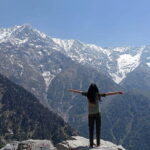
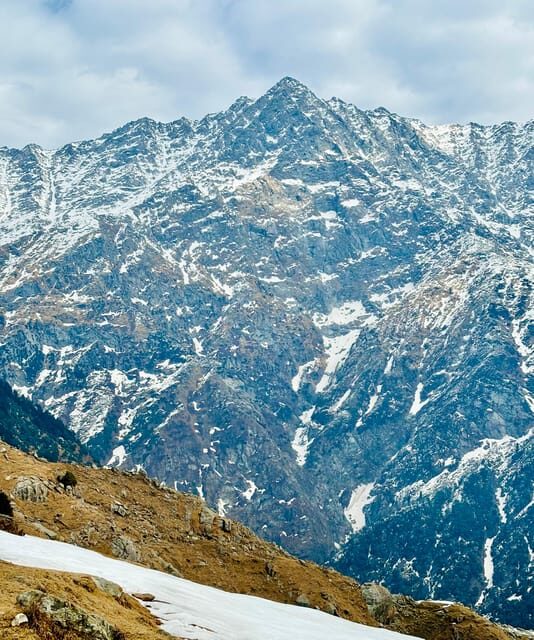
- Panoramas from Triund: Kangra Valley on one side and snowcapped Dhauladhar on the other
- Evening bonfire dinner: a relaxing close instead of rushing straight back
McLeod Ganj to Triund: a weekend trek with real mountain rewards
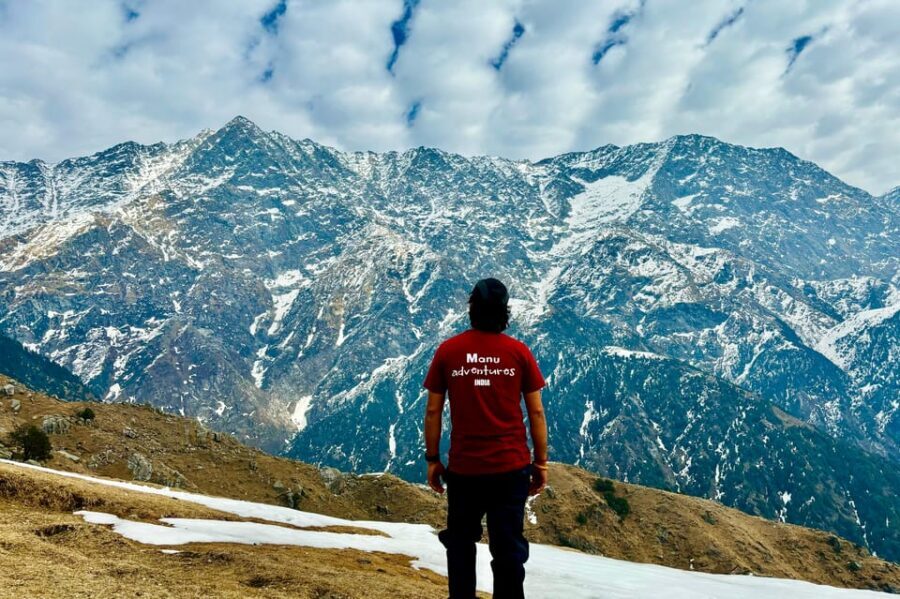
Triund trek is a classic because it does something rare: it makes the Himalayas feel close, even if you only have two days. You start in McLeod Ganj, then work your way toward Triund, a popular hiking destination known for dramatic views and a trail that’s short but not flat.
I like this itinerary because it’s built around contrast. Day 1 is about the climb and finding your pace, with several natural pauses. Day 2 is about the payoff: waking early for sunrise and then coming back down with daylight so you’re not hiking in the dark. Even the camp stop has a purpose. The overnight stay at Leta Village Camps turns your trek into an actual mini-adventure, not just a one-day hike-and-return.
You can also read our reviews of more hiking tours in Dharamsala
How hard is it, really: steep trail sections and smart prep
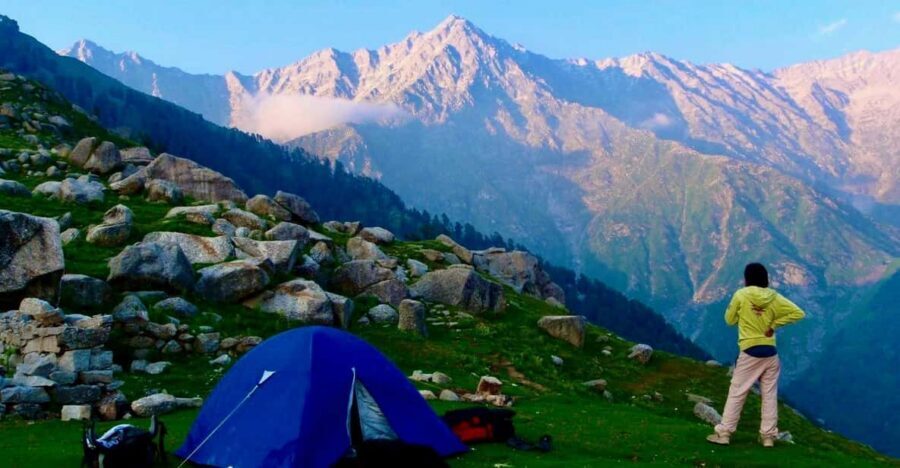
This trek is often described as easy compared to bigger Himalayan routes, but that doesn’t mean it’s effortless. The trail has some steep parts, and it can feel longer than you expect once you’re moving uphill for hours.
Here’s how I’d think about the effort:
- If you’re comfortable walking uphill for a sustained stretch, you’ll probably be fine.
- If you hate steep switchbacks, or you’re not used to uneven ground, you’ll feel it.
One practical tip from past hikers: bring a walking stick or hiking pole. It helps with balance on varied terrain and can save your knees on descents. Also plan for weather swings. Warm clothing is on your packing list for a reason—camp nights up high can feel colder than McLeod Ganj.
Day 1 route: Bhagsunag waterfall, Upper Bhagsu, and the Triund climb
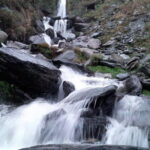
The day starts with a clear meeting point: you gather at the Manu Adventures India office at 10:00 am. From there, the trek begins via upper Bhagsu, crossing village areas before you reach your first big draw: the Bhagsunag waterfall, described as the highest waterfall of McLeod Ganj.
That waterfall stop matters for two reasons. First, it’s a great landmark on the route, so you get an early sense of progress. Second, it breaks up the climb, letting you hydrate and take photos before the trail really gets into the uphill rhythm.
After the waterfall, the plan includes a stop at Shiva Café for snacks. This is more than a convenience. The trail gives you opportunities to pick up water and small bites, and that kind of flexibility is what keeps the trek enjoyable instead of turning it into a grind.
As you continue toward Triund, you’ll hike through scenic sections including Katrani Dhar. This is where the views start to increase, and you often feel like the mountain is opening up in front of you. The guide plays a role here too. On some departures, the guide (like Shivam or Anuc, depending on the group) keeps things engaging with stories, which helps if you’re the type who gets bored on repetitive uphill.
Triund time: photos, calm, and breathing room
Once you reach Triund, you’re given time to hang out—enough to capture the scenery and just absorb it. The views are the point: you can take in the Kangra Valley and the broad sweep of the Dhauladhar range, often with snowcapped peaks in sight.
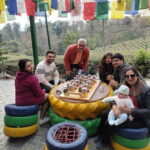
Then the day shifts back into trekking mode. You head down to Leta Village Camps for dinner and camp time. Expect a communal vibe, especially around the bonfire. Dinner is served near the fire, with soothing music, and then you get time to enjoy the starlit night.
Leta Village Camps: dome tents, warm sleep gear, and real camp vibes
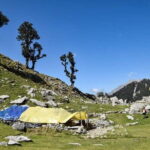
Overnight is in dome tents on a twin-sharing basis. The comfort level here can make or break a short trek, and this setup seems designed for practical warmth. Dome tents help protect you from wind, and sleeping comfort is supported with more than just a basic blanket—past groups have been provided with sleeping bags and extra warmth.
Also, you’re not completely roughing it. The activity includes washrooms available, which matters when you’re camping overnight. Even if you prefer simple travel, it’s nice not to deal with unpleasant surprises in the middle of the trip.
Bonfire dinner and star time
Dinner by a bonfire is one of those small things that turns a trek into a memory. You’re walking all day, then you finally slow down. You eat (vegetarian meals are included), you warm up, and you get an unhurried window to look at the sky.
A quick note: camp nights can feel colder than you expect. Warm clothing is listed for a reason, and it’s worth taking that seriously instead of trusting your daytime layers.
Day 2: sunrise at Triund and the calm return via Bhagsu Nag
Day 2 starts early because sunrise is the main highlight. You wake up to watch the first light hit the mountain ranges, with golden tones across the scenery. This is one of those moments where the trek stops feeling like exercise and starts feeling like scenery you can almost touch.
Breakfast is hot, and there’s time to take photos before you head down. Then the trek becomes the descent back toward McLeod Ganj, aiming to reach early afternoon.
Returning through Bhagsu Nag
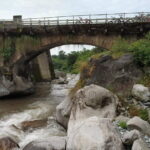
On the way back, you’ll pass the area around Bhagsu Nag and reach the waterfall. The guide will leave you there so you can spend time exploring at your own pace. This is a good break point to cool off, take more photos, and do something low-key after the climb.
The Tibetan market and an ancient temple stop
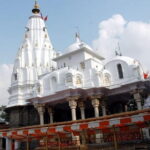
After the waterfall, there’s time included to visit the local Tibetan market and an ancient temple near the area. This gives your trek day a cultural finish instead of ending abruptly. Then you’re free for the rest of the day to explore McLeod Ganj at your own pace.
If you’re the type who likes to mix nature and people, this second day pacing works well. You get your sunrise moment first, then you shift into browsing and resting.
Views, food stops, and the small comforts that keep it enjoyable
This trek has a few practical features that make a big difference on a short schedule:
- Snack and water opportunities: you’ll find cafes roughly every 20 minutes, which helps you stay fueled without carrying everything.
- Your group gets a guided pace: the trekking leader and support staff help keep the schedule steady.
- Meals are included: veg dinner and breakfast are part of the trek package, so you’re not hunting for food after hiking.
Also, the tour includes permits and a first aid medical kit and stretcher. You hope you never need them, but they’re important for peace of mind on a mountain trail.
If you’re bringing a camera, this trek gives you multiple photo moments: waterfall shots early, Triund panoramas, and sunrise. It’s a simple route, but the lighting changes across the two mornings and the camp night are what make it feel like more than a quick hike.
Price and value: what $18 covers, and what you’ll still need to plan
The price is listed at $18 per person for a 2-day trek. For a Himalayan experience, that’s notably budget-friendly—especially because the package includes a lot of the harder-to-evaluate costs: accommodations in dome tents, meals while on trek (veg dinner and breakfast), permits, and the guided support team.
That said, the value depends on what you already have lined up:
- Transportation isn’t included, so you’ll need to plan how you get to McLeod Ganj and to the Manu Adventures India office for the 10:00 am start.
- Porters/ponies to carry your baggage aren’t included. You’ll be carrying what you bring.
- Any forest entry fee is not included.
- If bad weather, landslides, or road blocks disrupt the plan, extra expenses may apply.
If you’re trying to travel light and you can handle a steep-ish uphill day, the cost feels like a good match. If you’re arriving without local transport, or you want help carrying a large pack, you may find you need to add extra costs on your end.
Who should book this trek (and who should choose another option)
This Triund trek is a great fit if you:
- Want a Himalayan taste without committing to a longer trek
- Like a clear structure: climb, camp, sunrise, return
- Enjoy views more than technical hiking challenges
- Prefer a guided trip with English support
It may be a weaker fit if you’re:
- Completely new to hiking and unwilling to deal with steep sections
- Hoping for an easy stroll the whole way
- Not prepared for cold-ish camp conditions (warm clothing is listed for a reason)
The good news is that the trekking is short. You don’t have to be a marathon hiker, but you do need basic walking fitness and sensible gear.
Should you book the Triund Trek with Manu Adventures India?
I’d book it if you want a weekend plan that delivers real mountain moments: Bhagsunag waterfall, Triund panoramas, dome-tent camp life, and a sunrise you’ll remember long after the trek is over. The included meals and permits, plus washroom availability, keep it from feeling like a rough expedition.
Skip this one (or consider building up slowly first) if you’re hoping for flat, beginner-friendly terrain all day. Bring a walking stick, wear comfortable shoes, pack warm layers, and plan to carry your own essentials.
If you’re ready for a short, steep-enough climb with big payoffs, this is a smart way to spend two days in Himachal.
FAQ
How long is the Triund trek?
It runs for 2 days, with a full itinerary that includes camping overnight and finishing back near Bhagsunag and McLeod Ganj area.
Where do we start, and what time?
The meeting point is at the Manu Adventures India office at 10:00 am.
Is the tour guided, and is English available?
Yes. There is a live tour guide, and the experience is offered in English.
What’s included in the trek package?
Accommodation in dome tents on a twin-sharing basis, veg dinner and breakfast while on trek, all necessary permits, first aid medical kits and stretcher, professional trek leader and support staff, and washroom availability.
What is not included?
Porters/ponies for baggage, any hotel in Dharamsala, transportation, train ticket, any other meals besides the mentioned veg dinner and breakfast, expenses due to bad weather/road block/landslide, and forest entry fee.
What should I bring?
Bring comfortable shoes, warm clothing, a camera, snacks, and water. A walking stick/hiking pole is a very useful idea on this kind of terrain.
Where do we camp on night one?
You sleep at Leta Village Camps, in dome tents on a twin-sharing basis.
What about sunrise on day two?
Sunrise is treated as a main highlight. You’ll wake up early to view sunrise with golden light on the mountain ranges, then have breakfast before heading back down.