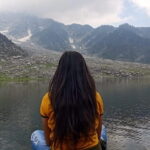
That first uphill always changes the mood.
The Kareri Lake Trek is a low-cost, guided mountain reset where you get transport from Dharamshala, a simple camp setup, and an honest hike to a high, calm lake near the Lord Shiva temple. I like that it is built for real beginners: you still get river moments and rocky stretches, but the overall effort stays manageable. I also love the value here because you do not have to juggle camping gear, food, or planning. One thing to consider: this trip is weather-dependent, and late winter/early spring can bring snow or icy ground.
If you want a calm, offbeat mountain walk, this fits.
The trek runs about 3 days with tent sleeping bags, mattresses, and even a washroom tent, so you can focus on the hike and the views instead of logistics. Main drawback: you are responsible for your own basic trekking comfort items, since extra gear like shoes is not included.
In This Review
- Key points at a glance
- Why Kareri Lake feels like a reset from Dharamsala
- The 3-day flow: Rioti night, lake day, and the return
- What the trek is really like for beginners (and non-beginners too)
- Sleep and food: your tent setup and meals on the trail
- Kareri Lake and the Lord Shiva temple visit
- Logistics and value: transport, group size, and the $31 price
- What to bring so Day 2 does not hurt
- The best fit: who should book this trek
- Should you book Kareri Lake Trek?
- FAQ
- What is the duration of the Kareri Lake Trek?
- Where does the trek start and end?
- How does transportation work?
- What gear is included for camping?
- What meals are included?
- Do I need to bring trekking shoes?
- What fitness level do I need?
- Is this trek dependent on weather?
Key points at a glance
- Guide-led trail that keeps you moving without guesswork
- All meals included across the 3 days, including packed lunch at the lake
- Tent camping setup with sleeping bags, mattresses, and a washroom tent
- Rioti overnight followed by a lake day that feels like the payoff
- Kareri Lake + Shiva temple stop for a spiritual break and great photo angles
- Beginner-friendly pace with real trail conditions like rocky sections and water crossings
Why Kareri Lake feels like a reset from Dharamsala
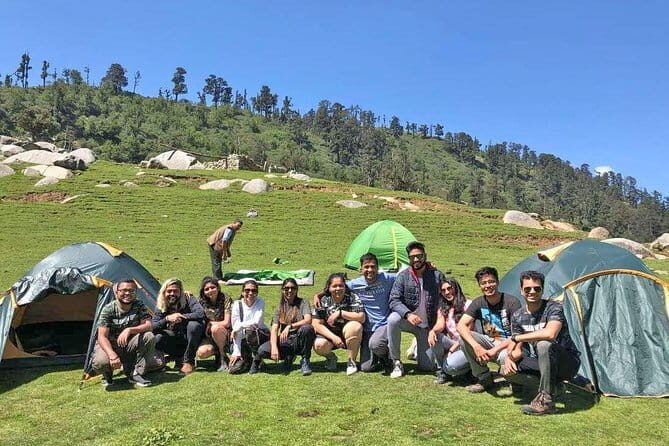
Kareri Lake sits close enough to Dharamsala that you can escape fast. You are not signing up for a technical climbing expedition. You’re signing up for mountain air, slow turns in the trail, and that quiet feeling you get when you’re far from roads and noise.
What makes this trek especially appealing is how little you have to manage yourself. You get round-trip transport between Dharmshala and the Kareri side, plus a professional guide to handle the route and timing. And because meals and camping gear are included, you travel lighter in your head, if not in your feet.
You also get a clear “why we’re here” moment. The lake itself is the destination, but the stop at the Lord Shiva temple adds a human scale to the scenery. It turns the hike into more than just exercise; it becomes a short pilgrimage-style visit with big views.
You can also read our reviews of more hiking tours in Dharamsala
The 3-day flow: Rioti night, lake day, and the return
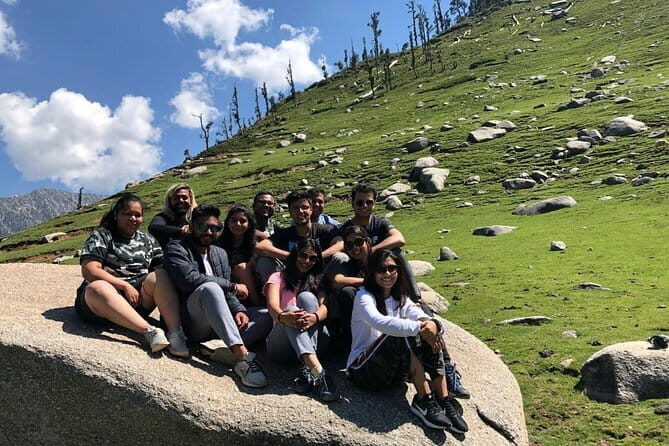
This trek is paced as a true 3-day loop. Day 1 helps you settle in. Day 2 is the main effort. Day 3 is your wind-down back to the village and bus connection.
Day 1: Dharmshala to Rioti campsite
You start in the morning in Dharamshala and then transfer toward the Kareri village area (about 25 km from the bus stand). Lunch may happen depending on your arrival timing. Then you begin walking toward the Rioti campsite, aiming to reach the village area by evening. The day ends with dinner and camp time, so you can sleep without stretching the schedule.
The practical win on Day 1 is that it breaks the trip into two stages. You are not jumping straight into the steepest part on arrival day. That matters if you are a first-timer.
Day 2: Rioti to Kareri Lake, then temple and sightseeing
Breakfast comes first. Then you continue toward Kareri Lake. Once you arrive, you get sightseeing time and a visit to the Shiva temple. You also receive a packed lunch at the lake site, which means you spend more of your daylight enjoying the area and less time hunting for food.
The day’s vibe is “arrive, look around, and breathe.” Even if your legs are tired from the hike in, the lake stop is built as the payoff. If you travel around late winter into early spring, you may also catch a frozen or snow-dusted look at the lake, which is a memorable change of pace.
Evening snacks wrap up the day, so camp feels like part of the experience rather than an afterthought.
Day 3: Lake back to Kareri village, then Dharmshala by evening
After breakfast, you hike back to Kareri village. From there, you transfer to the Dharmshala bus stand and aim to reach by evening. It’s a straightforward finish day, and the timing helps you plan the rest of your trip afterward.
If you’re wondering about effort: Day 3 is usually easier mentally because you know the destination is behind you. Still, you’ll feel the walk in your legs, since you’ve done a lot of downhill and uneven steps by then.
What the trek is really like for beginners (and non-beginners too)
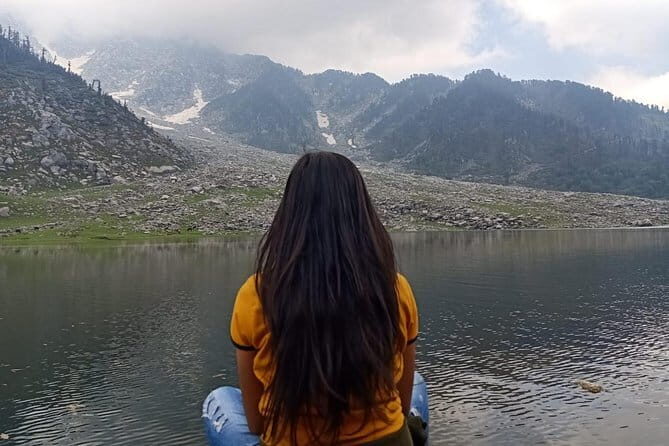
The trek is best described as a moderate hiking experience for people with at least a decent base of fitness. You should be comfortable walking for long stretches and handling rocky patches.
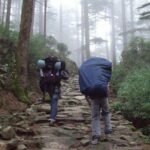
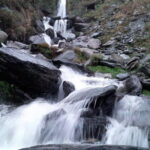
One of the most useful things you can take from other trekkers’ feedback is this: the trail has a “beginner-friendly” feel, but it is not flat. You should expect rocky walks and some climbing moments. You may also meet waterstreams and do river crossings depending on conditions and season.
This is exactly why having a guide matters. On a route like this, the hardest part for many first-timers is choosing the best way to put your feet down. A good guide keeps you safe and keeps the group moving, especially when the ground is uneven or wet.
Also, this trek has an offbeat-season mood. When fewer people are around, it can feel peaceful and unhurried. If you like quiet nature over crowds, that’s a real plus.
Sleep and food: your tent setup and meals on the trail
Here’s where this trek punches above its price. You do not just get a guiding service. You get camp logistics.
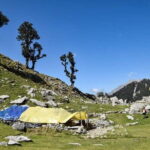
Your camping equipment includes tents, sleeping bags, and mattresses. There’s also a washroom tent. That last detail may not sound exciting, but it genuinely affects how comfortable you feel after a day of hiking. You’ll sleep with a plan, not an improvisation.
Meals are included across the trip: breakfast (2), dinner (2), and lunch (2). Day 2 also includes a packed lunch at the lake site, which is smart because it lets you stay in the scenery longer. The day doesn’t constantly break for food hunts.
A practical note: even with sleeping gear provided, mountain nights can feel chilly. Bring your own warm layers. If you rely only on what you wore during the day, you’ll probably regret it once the sun drops.
Kareri Lake and the Lord Shiva temple visit
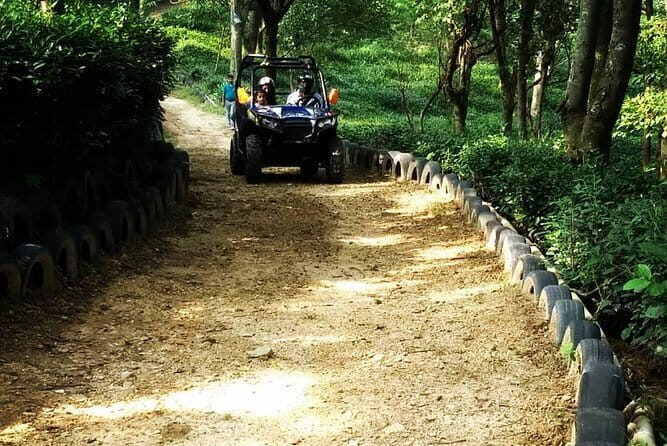
Kareri Lake is the main goal, and it delivers that slow-reward feeling. You climb, you look forward, and then suddenly the lake view opens up and makes the day feel worthwhile.
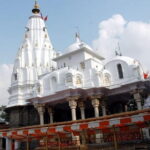
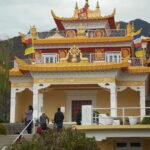
The Lord Shiva temple stop adds meaning and atmosphere. It’s not just a photo moment. It’s a brief pause that turns your arrival into an actual visit, with time to sit, look around, and take in the setting.
If you’re traveling in the third week of March, there’s a chance you can see snow or a frozen version of Kareri Lake. That kind of seasonal change can make the lake feel totally different from what you see in summer photos. Even if you do not get full freeze conditions, you’ll likely notice cooler, crisper air.
Bring your patience for weather shifts too. Cloud cover, mist, and cold wind can change how long you want to stand around. But that’s part of the mountain reality, and your schedule is built to give you sightseeing time once you arrive.
Logistics and value: transport, group size, and the $31 price
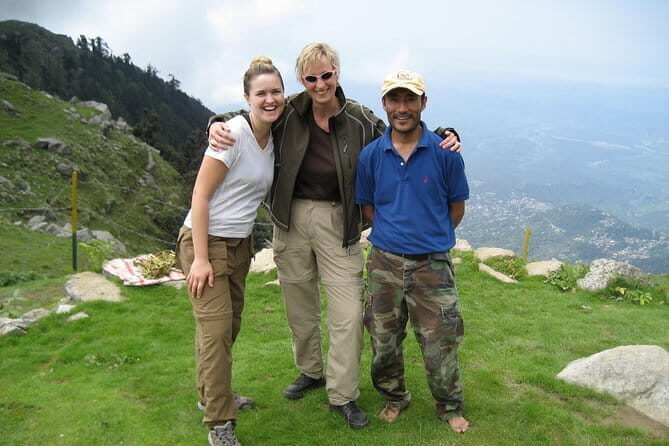
At about $31 for roughly 3 days, this trek is priced like a budget-friendly way to get the full mountain experience. What makes it feel fair is what’s bundled: guide service, private transportation between Dharmshala and the Kareri area, and meals plus camping gear.
There’s also a group limit of up to 20 travelers. That’s not tiny, but it’s small enough that the guide can keep control of the pace and where the group is headed.
One more detail worth noting: the tour start time is 10:00 am from Dharamsala, and the meeting point is near public transportation. That matters if you’re arriving by bus or mixing this trek with other days in Himachal.
Also, the trek begins with a transfer roughly 25 km from the Dharmshala bus stand. So yes, you’ll be on a vehicle before your first steps. For many people, that’s a relief on Day 1.
The only price caveat: this does not include porters, and it does not include extra trekking gear like shoes. If you show up without appropriate footwear, you might slow down. You might also feel it more on the rocky sections.
What to bring so Day 2 does not hurt
Because the trek includes tents, sleeping bags, mattresses, meals, and basic camp support, your packing list can stay focused on comfort and safety.
Bring:
- Good trekking shoes (extra equipment like shoes is not included)
- Warm layers for night camp, plus something wind-resistant
- A rain jacket or light rain protection (mountain weather changes fast)
- A small daypack for water, snacks, and your extra layers
- Basic meds you normally use (headache, stomach issues, blister care)
- A flashlight or headlamp for camp and tent time
Also consider bringing:
- Water bottle(s), since you’ll want fluids during the hike
- Dry socks for camp night
- Sun protection (hat, sunglasses, sunscreen)
Try not to carry a huge backpack. You’re not just trekking; you’re also going to sleep in a tent and get up the next morning.
And remember: tipping and porter help are not included. If you plan to tip your guide, keep that budget in mind.
The best fit: who should book this trek
This trek is a strong match if you want:
- A beginner-level friendly hiking experience with real mountain trail moments
- A guided route so you do not have to worry about navigation
- A simple camping setup that includes sleeping gear and a washroom tent
- Value-for-money with transport and meals covered
It’s also a good choice if you like offbeat calm. When conditions align, you can feel like you escaped the mainstream.
If you’re someone who hates uneven ground, or you’re expecting a fully smooth, easy walk, you may find the rocky parts and water crossings more challenging than you imagined. In that case, you might still enjoy it, but you should train a bit more before you go.
Should you book Kareri Lake Trek?
If you’re weighing whether this is worth your time, I’d book it if you want an organized, budget-friendly way to hike to a real mountain lake with a temple visit and proper camping support. For about $31, the inclusion of transport, meals, and camp gear makes the overall value hard to beat.
I’d hesitate only if your schedule is tight around bad weather, because this trek requires good weather. If you’re traveling in late winter or early spring, plan for cold ground and possible snow conditions at the lake.
Finally, do yourself a favor: arrive ready to walk. Bring real shoes and warm layers. Then you’ll get the best version of the experience—quiet trails, a rewarding lake day, and camp nights that feel like part of the journey rather than the boring end of it.
FAQ
What is the duration of the Kareri Lake Trek?
The trek runs for about 3 days (approx.).
Where does the trek start and end?
It starts in Dharamsala, Himachal Pradesh, India, and ends back at the meeting point.
How does transportation work?
Round-trip transportation is provided between Dharmshala and Kareri village, including transfer from the Dharmshala bus stand and back.
What gear is included for camping?
Camping equipment is included: tents, sleeping bags, mattresses, and a washroom tent.
What meals are included?
Breakfast is included for 2 days, dinner is included for 2 days, and lunch is included for 2 days. A packed lunch is also served at the Kareri Lake site.
Do I need to bring trekking shoes?
Extra trekking equipment like shoes is not included, so you should bring your own.
What fitness level do I need?
The tour suggests travelers should have a moderate physical fitness level.
Is this trek dependent on weather?
Yes, it requires good weather. If it’s canceled due to poor weather, you’ll be offered a different date or a full refund.