REVIEW · DHARAMSALA
Guided Walk, India’s Own Mini Tibet at Mcleodganj
Book on GetYourGuide →Operated by Himachalbylocals · Bookable on GetYourGuide
McLeod Ganj’s Mini Tibet hits different on foot. This guided walk in Himachal Pradesh is built for seeing how Tibetan Buddhism, exile politics, and everyday spiritual life all sit close together in one hill-town. You’ll meet at Main Square and then follow a local host through major temple-and-institution stops that explain what you’re looking at, not just where it is.
Two things I really love about this tour: the focus on temple details (the kind you’d miss if you wander alone), and the way the guide connects religion to real history and nuance in plain language. One thing to consider: you will be walking around in a hilly temple area, so comfortable shoes matter, and this isn’t meant for very elderly visitors (it’s not suitable for people over 95).
In This Review
- Key things you’ll notice right away
- From Main Square into Tibetan exile culture
- Kalachakra Temple inside Thekchen Choumlling: seeing the whole complex
- Tsuglagkhang Temple Complex: the Dalai Lama’s home base
- LTWA and the Tibet Museum: books and the story of exile
- Nechung Monastery: the state oracle, explained step by step
- Men-Tsee-Khang: Tibetan medical and astro traditions on the route
- Price and what makes $38 feel fair for a 3-hour walk
- Practical tips: how to dress, what to ask, and how to move
- Who should book this walk (and who should skip it)
- Should you book this guided walk of India’s Mini Tibet?
- FAQ
- How long is the guided walk in McLeod Ganj?
- Where does the tour start?
- What is the price for this experience?
- Is the guide English-speaking?
- What’s included with the tour?
- What should I bring?
- Are there any items that are not allowed?
- Is there a cancellation option or a pay-later option?
Key things you’ll notice right away
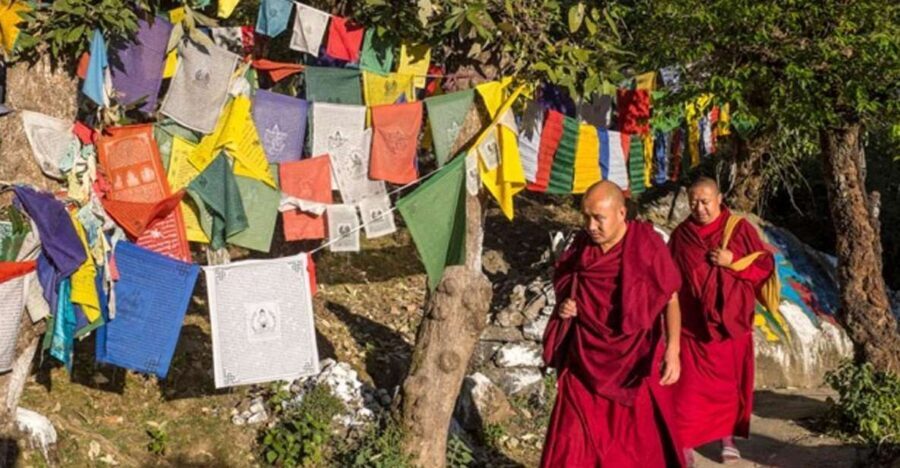
- A guided walking route that keeps you oriented in a busy religious center
- Tsuglagkhang Temple Complex and the flow of Buddhist pilgrims throughout the year
- LTWA (Library of Tibetan Works and Archives) and how Tibetan knowledge is preserved
- Nechung Monastery, explained with its role as the protector-deity and state oracle seat
- Men-Tsee-Khang, where Tibetan medical and astro traditions are practiced through a charitable institute
From Main Square into Tibetan exile culture
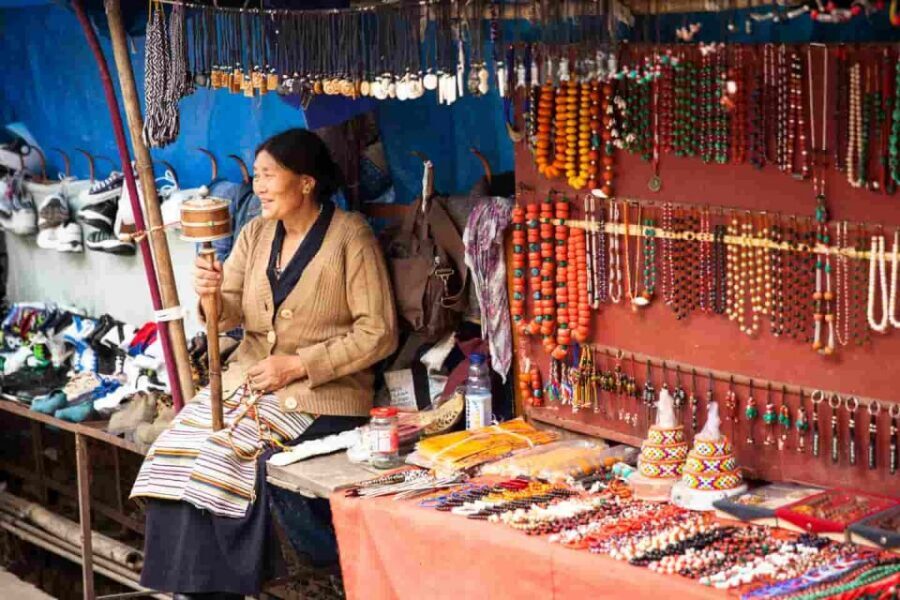
Your tour starts in the Main Square of McLeod Ganj. That’s the smart place to begin, because you can get your bearings fast: shops, streets, and the steady stream of people heading toward the sacred sites. It also helps you walk with less guesswork—your host sets the rhythm so you don’t waste the first part of the trip simply figuring out where to go next.
This is a 3-hour guided walk with a small cap on group size (up to 15 people per booking). That matters more than it sounds. With a manageable group, the guide can answer your questions on the spot, instead of treating the walk like a conveyor belt.
You’ll want to keep it simple and practical. Wear comfortable shoes and comfortable clothes, and plan to carry yourself respectfully—this is a religious area, and the tour notes no alcohol and no drugs.
You can also read our reviews of more walking tours in Dharamsala
Kalachakra Temple inside Thekchen Choumlling: seeing the whole complex
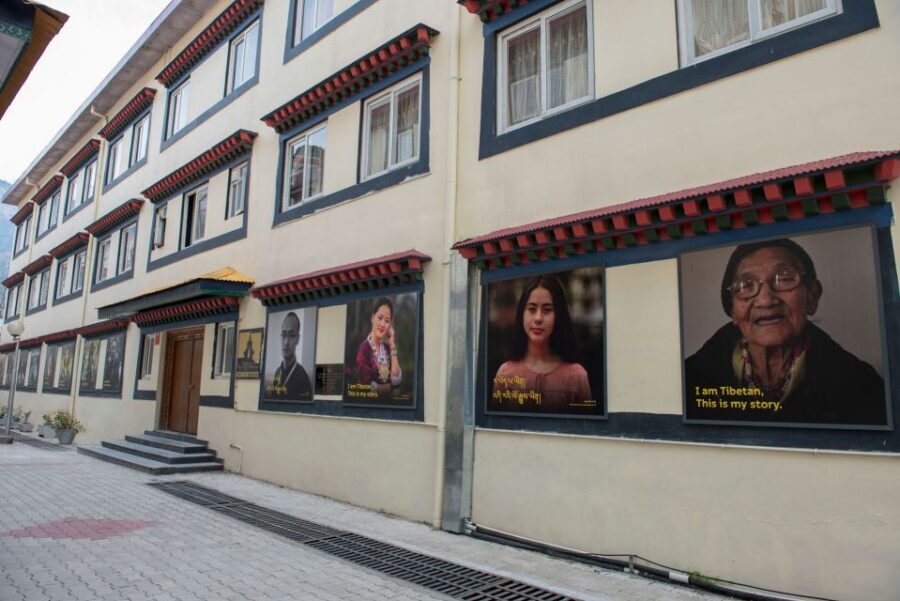
One of the first stops connects you to the spiritual architecture of McLeod Ganj. The Kalachakra Temple is located inside the Thekchen Choumlling temple complex in Himachal Pradesh. The key value here is context: the complex isn’t just one building. It houses multiple important sites.
According to the tour details, Thekchen Choumlling also includes Namgyal monastery, the private chambers of His Holiness the Dalai Lama, and the famous Tsuglakhang temple. That cluster of names can feel confusing when you’re reading signs on your own. With a guide, it clicks—this is how different parts of a religious center function as a connected ecosystem.
What you should watch for is the logic of the space: where people gather, what’s treated as public vs. more private, and how sacred places link to monastic life. If you like understanding how systems work (not just sightseeing), this stop is a good warm-up.
Tsuglagkhang Temple Complex: the Dalai Lama’s home base
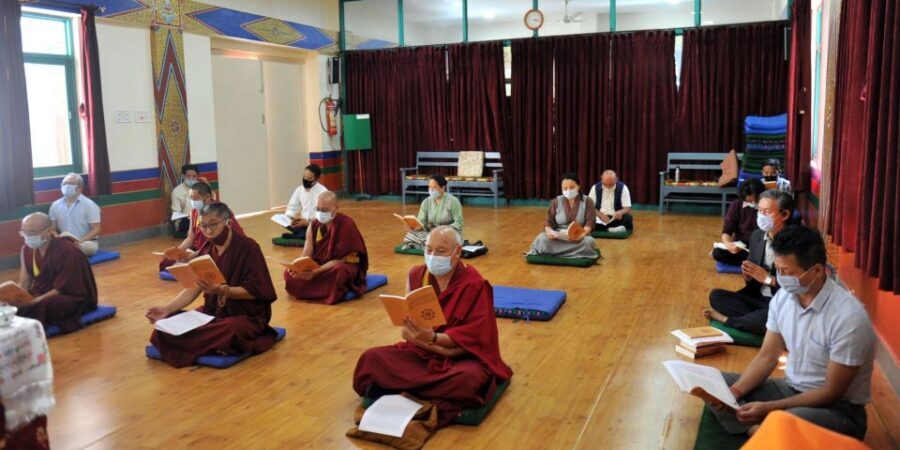
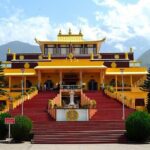
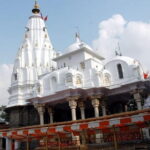
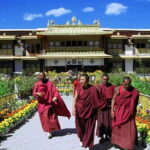
Next comes Tsuglagkhang, also called Dalai Lama’s Temple complex. The tour information is clear: this is the home for His Holiness Dalai Lama, and it’s also one of the world-renowned religious centers in the region. You’ll see why it attracts Buddhist pilgrims throughout the year—the draw isn’t just architecture. It’s ongoing spiritual life.
The Tsuglagkhang complex is described as a beautifully built structure that’s also more than a single temple. It works like a temple plus a residential complex for His Holiness and his followers. That difference is important. If you treat it like an ordinary museum stop, you’ll miss the atmosphere—and the fact that many people are there with a purpose.
On a guided walk, you’ll also get help noticing the details that turn “a building” into a living place. That’s where the experience shines. The guide’s explanations make it easier to understand what you’re seeing without turning it into a checklist.
LTWA and the Tibet Museum: books and the story of exile
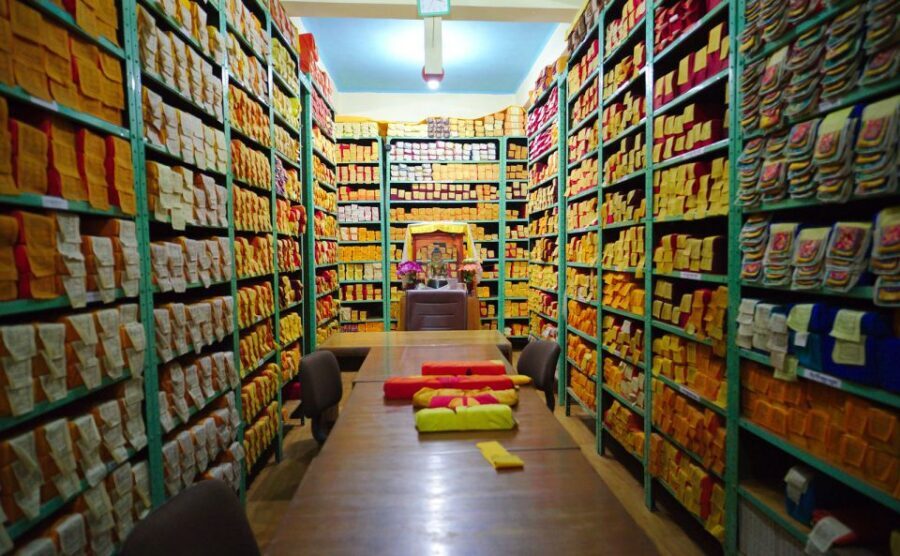
After the temple complex, the tour shifts toward preservation and documentation—two things that matter a lot in the Tibetan community outside Tibet. The walk includes the Library of Tibetan Works and Archives (LTWA), a Tibetan library in Dharamshala. It was founded by Tenzin Gyatso, the 14th Dalai Lama, on 11 June 1970.
Why this stop is worth your attention: in many places, culture survives through music, art, and rituals. Here, it also survives through archives. When you understand that LTWA exists as a major institution for Tibetan works, you start seeing the broader reason these pilgrimage centers matter. They’re not only for worship. They’re also for safeguarding knowledge.
The walk also includes the Tibet Museum, described as the official museum of the Central Tibetan Administration’s Department of Information and International Relations. It’s located near the main Tsuglagkhang area. This proximity is useful. You can connect what you’re reading (LTWA) with what you’re being shown (the museum) without needing to travel across town.
A practical tip: if you want to get more meaning from museum displays and archive-focused sites, ask your guide one simple question—what should I pay attention to first? Guides in these areas often have a “best entry point” that makes the rest of the visit easier to follow.
Nechung Monastery: the state oracle, explained step by step
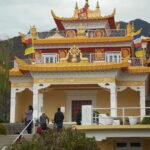
One of the most intriguing stops on this walk is Nechung Monastery. The tour describes it as the seat of the State Oracle and protector-deity of His Holiness the Dalai Lama, with strong importance in Tibetan history and Buddhist religion.
Nechung’s role has been tied to Tibetan governance since the 18th century. The tour details also explain the mechanism: the physical medium is called Nechung Kuten. In a trance-like state, the protector-deity takes possession of his body and gives advice and predictions to the Dalai Lama and Tibetan leaders in exile.
If that sounds dramatic, it is. But the value of a guided explanation is that it helps you avoid turning it into folklore. You can see it as a structured spiritual role with historical continuity.
What you’ll likely get from your host here is the calm translation of big ideas into understandable terms—what Nechung is, why it matters, and how it fits into the wider picture of Tibetan religious life in exile. For anyone who wants the human side of religion (not just the architectural side), this is a standout stop.
You can also read our reviews of more guided tours in Dharamsala
Men-Tsee-Khang: Tibetan medical and astro traditions on the route
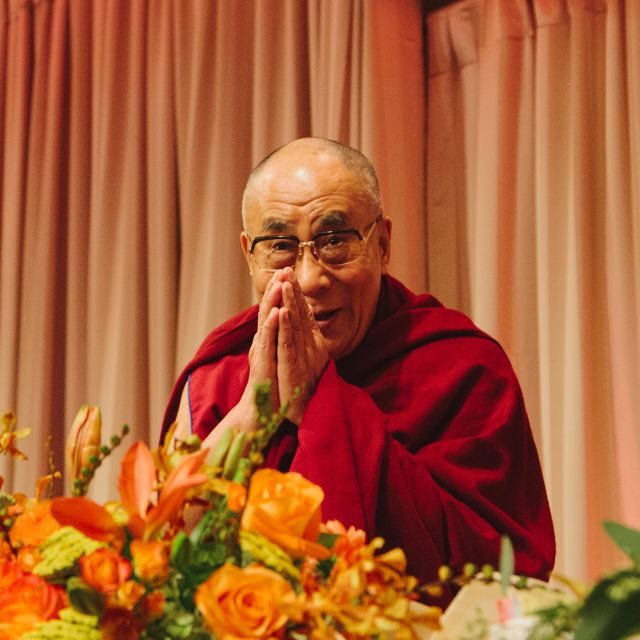
The final major institution stop on this walk is Men-Tsee-Khang, also known as the Tibetan Medical and Astro Institute. The tour calls it a charitable institution based in Dharamshala.
Here’s the historical anchor: Men-Tsee-Khang was founded by the 13th Dalai Lama in Lhasa in 1916. After the Chinese occupation of Tibet, the tour notes that the 14th Dalai Lama came to India and re-established the institute in 1961.
This matters for visitors because it shows Tibetan culture isn’t only temples and prayer. It also includes systems of care and interpretation—medicine and astrology—organized through an institute that continues charitable work.
What you can do to get the most value: treat this as an education stop, not a quick photo stop. Ask your guide how the institute approaches Tibetan medical and astro traditions, and what you should understand as a visitor looking in from the outside. That kind of context is exactly what makes a guided walk feel worth it.
Price and what makes $38 feel fair for a 3-hour walk
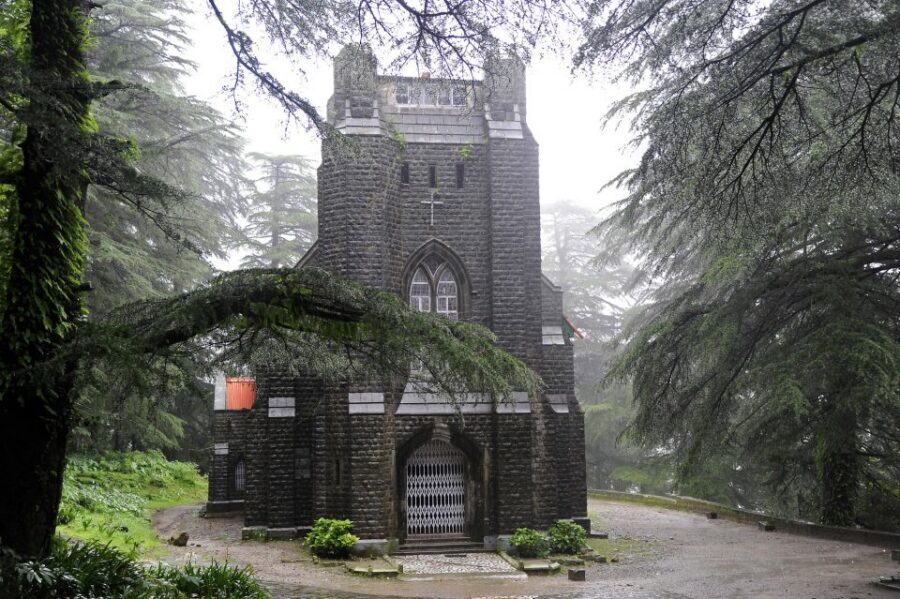
The listed price is $38 for the experience, and the tour includes an English-speaking local guide plus a water bottle. There’s also a strong value factor: you’re not just getting directions. You’re getting explanations tied to each specific place—Tsuglagkhang, LTWA, the Tibet Museum, Nechung Monastery, and Men-Tsee-Khang.
Also, the pacing fits the time. Three hours is long enough to cover multiple major stops in the McLeod Ganj temple-institution zone, but short enough that you can still have the rest of the day to explore on your own.
In the real world, $38 is most worth it when you care about meaning and context. If you only want to take a quick loop for photos, you might not get full value. But if you like understanding why these sites matter, this is priced in a way that makes sense.
One more practical detail that affects value: the group cap is up to 15 people. Smaller groups tend to mean fewer questions get lost, and your guide can respond more directly—something you’ll notice quickly during Q&A moments.
Practical tips: how to dress, what to ask, and how to move
To make this walk easier on your body and your brain:
- Wear comfortable shoes with grip. The area is temple-focused and you’ll be on foot for the full 3 hours.
- Bring comfortable clothes that work for visiting religious sites (and for changes in mountain weather).
- Keep your questions simple and specific. For example: Which parts of the complex are most important for worship vs. daily institutional life?
- Don’t treat each stop as separate. Ask your guide how the religious sites connect to institutions like LTWA and the Tibet Museum.
One small “pro move” I like: before each stop, ask what one detail you should look for. When your guide gives you that focus, everything you see after it feels more organized.
Who should book this walk (and who should skip it)
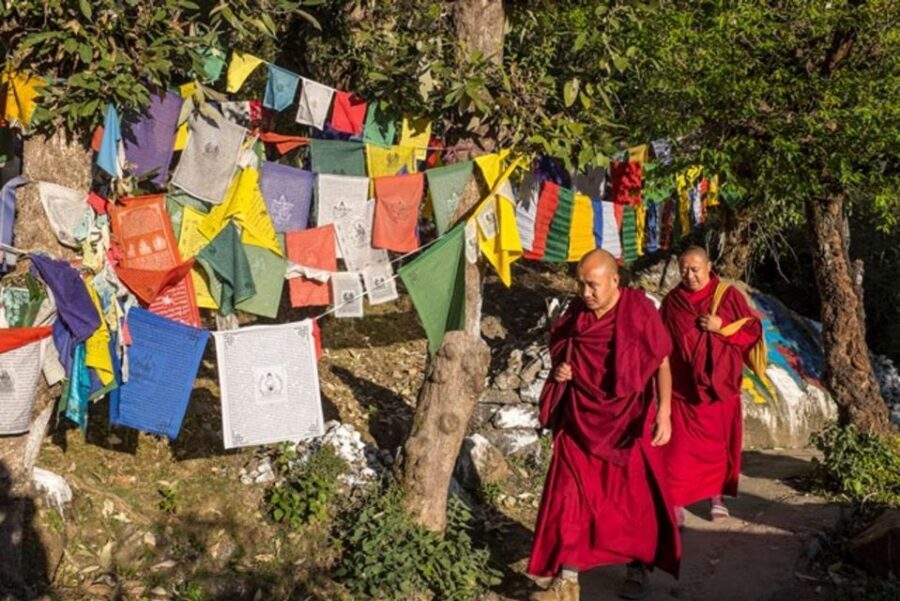
Book it if you want a structured way to experience McLeod Ganj’s Tibetan core—especially the blend of temples plus institutions like LTWA and the Tibet Museum. It’s also a great fit if you enjoy questions and want someone to explain the role of things like Nechung Monastery without making it feel like a lecture.
Skip it if you have trouble with walking for three hours on uneven, temple-zone paths. And if age or mobility is an issue, remember the tour data says it’s not suitable for people over 95.
This tour also fits best if you’re traveling with curiosity. The best moments usually come when you stop using your phone for every question and let the guide connect the dots.
Should you book this guided walk of India’s Mini Tibet?
I think it’s a strong choice if you’re short on time but want a real sense of McLeod Ganj’s Tibetan culture beyond the obvious photo stops. With an English-speaking local host, you’ll move through the major sites—Tsuglagkhang, LTWA, the Tibet Museum, Nechung, and Men-Tsee-Khang—with explanations that make the place feel understandable.
FAQ
How long is the guided walk in McLeod Ganj?
The guided walking tour lasts 3 hours.
Where does the tour start?
You meet at Main Square, McLeod Ganj, Himachal Pradesh 176219.
What is the price for this experience?
The price is $38 per group (for this activity).
Is the guide English-speaking?
Yes, the tour includes a live English-speaking local guide.
What’s included with the tour?
The tour includes an English speaking local guide, a walking tour, and a water bottle.
What should I bring?
Bring comfortable shoes and comfortable clothes.
Are there any items that are not allowed?
Yes. Alcohol and drugs are not allowed.
Is there a cancellation option or a pay-later option?
The activity offers free cancellation up to 24 hours in advance for a full refund, and it also offers a reserve now & pay later option.