A starry night at Triund changes your pace. This 2-day hike starts in McLeod Ganj at 9:00 am and feels close enough to town that you can focus on the views of the Dhauladhar range and the comfort of having a local guide. You are not walking the steep bits alone, and that matters when the weather shifts fast in the Himalayas.
What I like most is that the trip handles the hard parts for you. You get tents and camping gear, plus breakfast and dinner, so you hike lighter and worry less about logistics. There is also a private-experience setup for your party, even though the overall program lists a maximum of 100 travelers. The one thing to keep in mind: this experience requires good weather, so plans may shift if conditions are poor.
In This Review
- Key Points to Know Before You Go
- Triund Trek: Why This 2-Day Overnight Feels Worth It
- Getting to McLeod Ganj: Your Start Point Matters
- Day 1 on the Trail: Reaching Triund Hill
- Camping at Triund: Tents, Meals, and Night-Sky Time
- Day 2: Breakfast, Trek Toward Dharamkot, and Back to McLeod Ganj
- The Guides People Mention: Sunny, Anil, Aniket (And Why It Shows)
- Price and Value: Why $28 Can Feel Like a Deal
- What to Pack (Without Guessing)
- Who This Trek Fits Best
- Should You Book the Triund Trek With ImmVentures?
- FAQ
- How long is the Triund Trek?
- Where does the trek start and end?
- What time does the activity start?
- Is camping gear provided?
- Are meals included?
- Is it private or a group experience?
- What if the weather is bad or I need to cancel?
Key Points to Know Before You Go
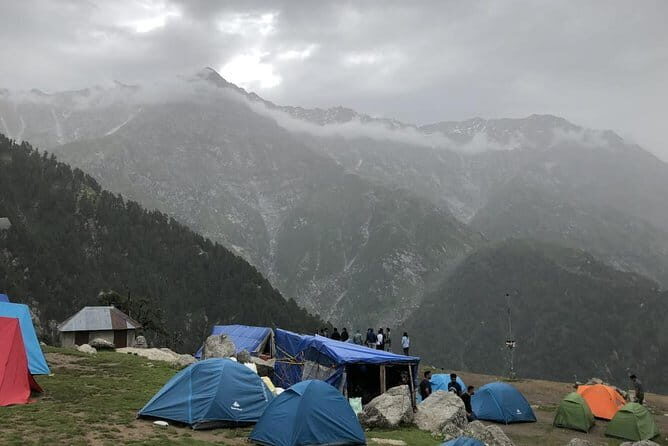
- Beginner-friendly but not boring: a classic near-Dharamsala trek that still feels like a real mountain adventure
- Guided for safety: a local guide helps with pace and trail navigation
- Camping gear included: tents and setup are provided, plus breakfast and dinner
- Private vibe for your party: you are not stuck in a huge crowd feeling
- Views get best early: expect the best scenery in the morning from Triund
Triund Trek: Why This 2-Day Overnight Feels Worth It
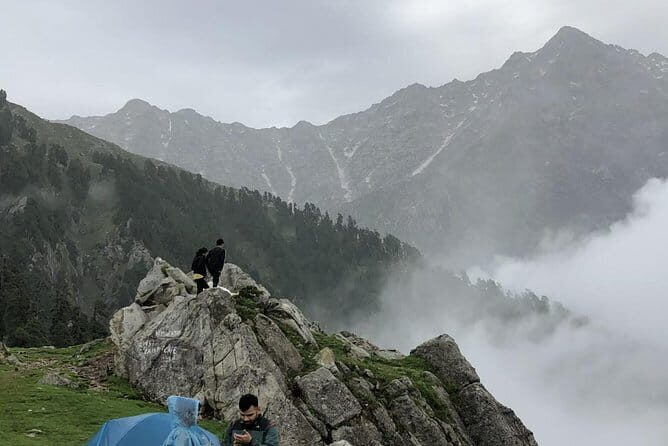
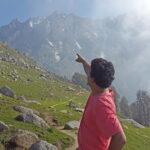
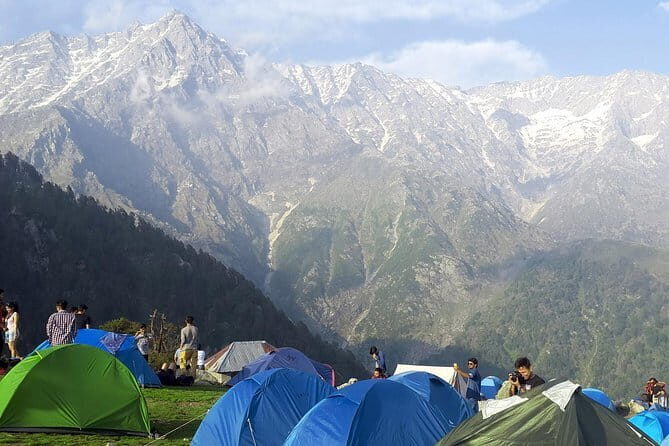
Triund is one of those hikes where the reward shows up quickly: thick mountain air, big-sky views, and that feeling of being tucked into the Himalayas without committing to a long expedition. You start from McLeod Ganj and work your way up to a hilltop camping area that is known for its panoramic outlook over the region. If you want Himalayan views, but you also want sleep in a tent and meals taken care of, this fits.
The guide-led approach is a big part of the value. Even on a trail that is often described as easy to moderate, footing can still be tricky, and the weather can turn. When someone who knows the route is leading you, you can focus on breathing, not map-reading.
And yes, the overnight part is the magic trick. Camping at Triund turns a short hike into a memory: you get time to settle in, eat, and enjoy the night sky. The next morning is when many people get the payoff they were hoping for—clear light, crisp air, and views that feel bigger than you expected.
You can also read our reviews of more hiking tours in Dharamsala
Getting to McLeod Ganj: Your Start Point Matters
Your meeting point is McLeod Ganj, Dharamshala. The trek starts at 9:00 am, and the tour ends back at the same meeting point, so your day is clean and predictable.
One practical detail that helps: McLeod Ganj is about 7 km from Dharamshala. If you are coming into the area by road, that short hop makes it easier to plan your arrival day. Many people will route themselves through Dharamshala first, then take local transport onward to McLeod Ganj.
Also, the experience uses a mobile ticket. Bring your phone with enough battery, and keep an offline copy if you can—mountain-area signals can be spotty, and you do not want a last-minute scramble at the start.
Day 1 on the Trail: Reaching Triund Hill
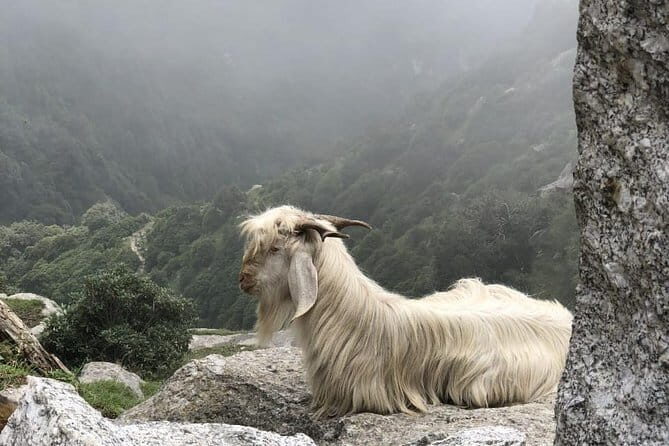
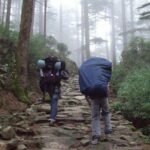
Day 1 centers on getting up to Triund Hill. You will begin from the McLeod Ganj area and start hiking toward the hilltop camping region where the overnight part happens.
Here is what I think makes this day feel special: you are not just walking for distance. You’re climbing into better air and widening views step by step. The route is generally pitched as doable for most people, and that matches the overall feel of a beginner-friendly trek—meaning you do not need mountaineering skills, but you should still respect the pace.
You also get help with the practical side. Your local guide leads the way, and that reduces uncertainty on route choices and timing. One review specifically highlighted a guide’s attention to proper track and route guidance, which is exactly what you want on day one when your legs are still waking up.
The main drawback to plan for on day one is weather. Clouds can move in, wind can pick up at higher points, and visibility can drop. When conditions are good, Triund looks like a postcard; when conditions are rough, you’ll want layers and patience.
Camping at Triund: Tents, Meals, and Night-Sky Time
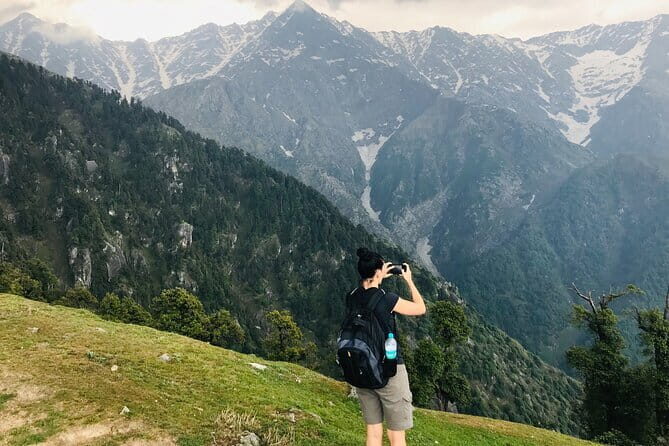
Once you reach Triund, the overnight setup becomes the reason this trek punches above its weight.
You get tents and camping gear provided, plus breakfast and dinner. That combination is more than convenience. It changes how you experience the hike. You can pack with less stress and spend the evening actually relaxing instead of hunting for supplies. If you have ever done an outdoor trip where you realize too late that you underpacked, you’ll appreciate this.
At Triund campsite, you’ll be able to settle in, eat, and enjoy the atmosphere. One review called the tent setup at the top “nice,” and another described the night under the stars as magical. Even if you’re not a serious stargazer, the simple fact that you’re camping in a mountain bowl makes nights feel different than sleeping in a hotel.
One more thing I like: this trek’s tone is often “simple and clean.” A review mentioned the trail being kept clear of litter and praised efforts from local authorities. You should still carry out what you carry in, but it’s encouraging to see a clean-trail reputation around this route.
Day 2: Breakfast, Trek Toward Dharamkot, and Back to McLeod Ganj
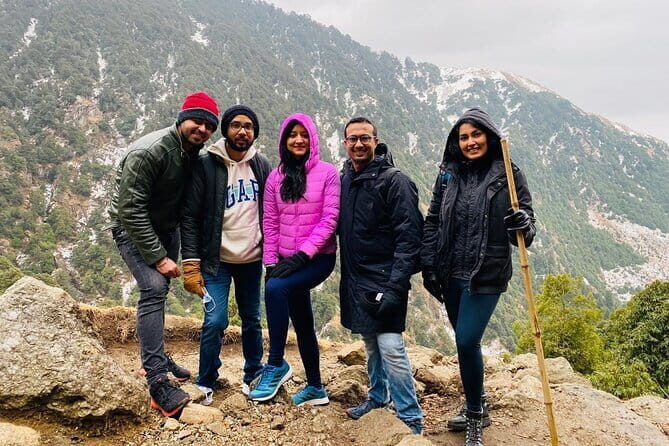
Day 2 begins with morning breakfast at the Triund campsite. Then you start your trek toward Dharamkot, reaching by evening.
That downhill/transition day can feel surprisingly satisfying. You get that morning calm, then you move from the high viewpoints down toward a more lived-in hillside area. Even though Triund is the headline, the Dharamkot stretch matters because it helps you end the trek feeling like a real journey, not just a two-hour climb and return.
You also get a clear finish: the activity ends back at the meeting point in McLeod Ganj. That matters because it keeps you from improvising last-minute transport at the end of an outdoor day when you are tired and hungry.
In short, day two is where you convert the effort into relief—and then gratitude. The views are still there, but the focus shifts to walking comfortably and getting back with time to enjoy the rest of your Dharamsala trip.
The Guides People Mention: Sunny, Anil, Aniket (And Why It Shows)
A good guide is not about speeches. It’s about practical things: pacing, choosing the right moments, keeping you on the correct path, and watching weather cues.
This trek is explicitly local-guide led, and the names people shared in their feedback are consistent: Sunny is mentioned positively, and Anil and Aniket are credited with organizing details well. Another review praised Aniket Jamwal for guiding with the proper track and for providing basic awareness about climate change and what you should know around hill stations.
You cannot control who you will get, but you can control what you bring to the experience: listen to the guide’s instructions, ask questions about pace and footing, and be honest about your comfort level. If you do that, you’ll get the benefit of the guide’s local knowledge without turning the trek into a stressful test.
Price and Value: Why $28 Can Feel Like a Deal
The listed price is $28 for an approximately 2-day experience. For an overnight trek near Dharamsala with tents and camping gear included and breakfast and dinner provided, that’s a strong value.
Here’s how I’d frame it for your planning: you are paying for the parts that usually add up—guided hiking, campsite setup, and at least two meals. If you tried to DIY the same experience, you’d spend money on guides (or transport/permit time), gear, and meals anyway. Even if prices vary by season, what makes this price feel fair is that the core outdoor experience is already assembled for you.
One more value point: the mobile ticket and the private-party approach for your group help simplify the whole day. That saves mental energy, which on a mountain day is worth something.
What to Pack (Without Guessing)
The data you have here does not spell out a full packing list, so I’ll keep this practical without inventing specifics. Plan to dress for cool mountain air, especially since you are sleeping outside in a tent area.
Bring:
- Comfortable hiking shoes with grip
- Layers (morning and night can feel colder)
- A light rain layer or something that handles sudden cloud cover
- A small daypack for water and essentials
Since the trek includes tents and camping gear, you do not need to plan for sleeping setup. But you should still plan for comfort and warmth because night temperatures can surprise you.
Also, start early in the day if you can. One review specifically said the views from Triund are best in the morning, which lines up with how mountain light typically behaves. If you want peak scenery, don’t treat morning like a sleepy bonus—treat it like the main event.
Who This Trek Fits Best
This is a good match if you want:
- a beginner-friendly trek feel without losing the excitement of the Himalayas
- guided navigation and safer pacing
- an overnight camping experience with meals handled
- a route close to McLeod Ganj and Dharamshala (so the trip stays part of your broader itinerary)
It’s also ideal for groups who like the idea of a private experience for your party. Even with an overall maximum set for the program, the structure still aims to keep the experience from feeling like a cattle drive.
If you already love tougher hikes, the Triund-to-Dharamkot format may feel moderate. One review noted that extensions toward Laka and Indrahar are tougher, so if you get hooked and want more intensity later, you might look into longer add-ons on your own time.
Should You Book the Triund Trek With ImmVentures?
If your goal is a guided, organized 2-day overnight hike with real Himalayan views and zero hassle about tents and meals, I’d say yes—book it. This is one of those experiences where paying for structure is the point, not a compromise.
I’d only pause if you’re very weather-sensitive or you hate schedule changes, since the experience depends on good weather and you may need a date switch if conditions are poor. Beyond that, the value looks solid: you get guide leadership, campsite setup, and two meals, all for a price that’s hard to beat for a mountain overnight.
FAQ
How long is the Triund Trek?
It’s listed as a 2-day experience (approximately).
Where does the trek start and end?
It starts at McLeod Ganj, Dharamshala, Himachal Pradesh, India and ends back at the same meeting point.
What time does the activity start?
The start time is 9:00 am.
Is camping gear provided?
Yes. Tents and camping gear are provided for the overnight at the campsite.
Are meals included?
Yes. Breakfast and dinner are included.
Is it private or a group experience?
The experience is described as private for just your party, while also listing a maximum of 100 travelers.
What if the weather is bad or I need to cancel?
The experience requires good weather. It offers free cancellation up to 24 hours in advance for a full refund, with no refund if you cancel less than 24 hours before the start time.