REVIEW · DHARAMSALA
Indrahar Pass Trek with Manu Adventures India
Book on Viator →Operated by Manu Adventures India · Bookable on Viator
If you want mountain air without chaos, this trek fits. The Indrahar Pass route in Himachal Pradesh connects classic Dharamshala-area trails: McLeodganj to Triund (via Dhramkot village and Galu Devi), then onward toward Lahesh Cave and the pass area at about 4,342m. I love the way the trail builds in views—Kangra Valley and Dharamshala town start showing early, then keep expanding as you gain height. I also love the camp setup: the trek includes tents, plus real meals and snacks so you’re not negotiating for food after a long day. The main consideration: conditions can turn serious, and you may need to be ready for snow and cold gear when the weather gets unfriendly.
Manu Adventures India runs this as a guided group experience (maximum 21 people), which matters on mountain trails where timing, pacing, and safety decisions are everything. Expect a start from the Bhagsu Nag area with a 9:00am kick-off, and the whole thing ends back near where you started. In past seasons, guides have also adjusted the route when the weather demanded it, which is exactly the kind of practical flexibility you want in the Dhauladhar.
Here’s the practical catch: this trek is listed as for travelers with strong physical fitness. Even though it’s described as easy to moderate overall, you’re still working on rocky paths, steep sections, and high altitude. If you hate hills, this isn’t that kind of trip.
In This Review
- Key things I’d circle on your plan
- What Indrahar Pass actually is (and why it feels special)
- From Bhagsu Nag to McLeodganj: your day starts early and simple
- McLeodganj to Triund: village trail, shrine stop, and early big views
- Triund to Lahesh Cave via Laka: meadows, boulders, and cave country
- Lahesh Cave to Indrahar Pass area: rock steps, the ridge, and that steep wall
- Camping with Manu Adventures: tents, meals, and why it’s real value
- Price and what you’re truly paying for
- Fitness, gear, and altitude: the stuff that decides your success
- Weather day rules: the trek needs the mountains to cooperate
- Who should book this trek (and who should skip it)
- Should you book Indrahar Pass with Manu Adventures India?
- FAQ
- What is the duration of the Indrahar Pass trek?
- Where does the trek start?
- What time does the trek start?
- Is transportation included?
- What’s included in the price?
- How large are the groups?
- Is a mobile ticket used?
- Do I need good weather for this trek?
- Can I cancel for a refund?
Key things I’d circle on your plan
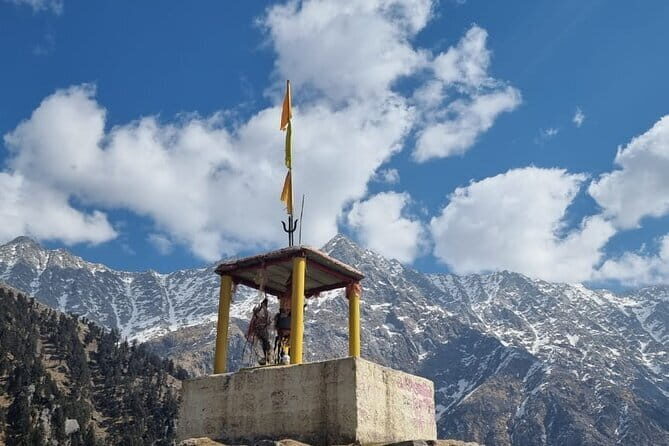
- Classic Dharamshala trail linking Triund, Lahesh Cave, and the pass for a satisfying high-altitude arc
- Camp comfort included: tents plus breakfast, lunch, dinner, snacks, and tea/coffee
- Smaller group limit (max 21) helps the pace and logistics stay manageable
- Weather can change route plans so pack with cold and moisture in mind
- North East ridge approach: expect rock-stretch walking with ongoing ascents
What Indrahar Pass actually is (and why it feels special)
Indrahar Pass sits in the Dhauladhar range near Dharamshala, where the trek route forms a boundary area between Kangra and Chamba districts. The pass altitude is listed at about 4,342m, which is high enough to make you respect the climb, even if you’re not a hardcore mountaineer.
What makes this trek feel different from a basic day hike is how it strings together several distinct environments. You’re not just climbing one narrow corridor. You start in the McLeodganj area, move up through villages and shrine areas, hit a panoramic high point at Triund (2,875m), then keep going into more rugged terrain toward Lahesh Cave and the pass region. By the time you’re dealing with the ridge approach, you understand why people talk about the Dhauladhars as a serious trek zone even when the routes look beginner-friendly on paper.
And it’s not only about the pass. The fun is the “in-between” days: the changing paths, the cave area, the meadows, the boulder fields, and the sense of working your way across a mountain spine.
You can also read our reviews of more hiking tours in Dharamsala
From Bhagsu Nag to McLeodganj: your day starts early and simple
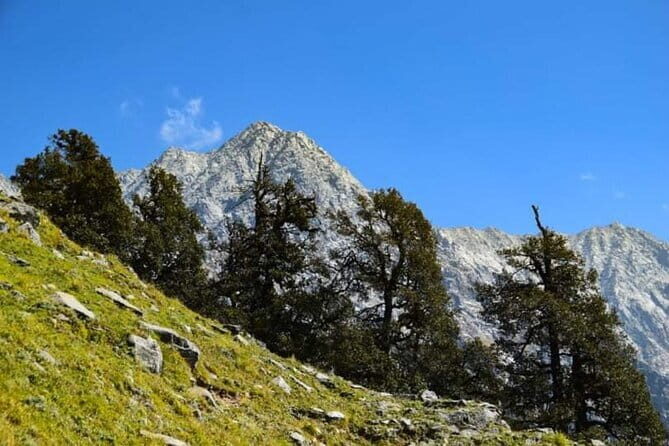
Your meeting point is Manu Adventures India in Bhagsu Nag, Dharamshala. The listed start time is 9:00am, and the experience ends back at the meeting point. That round-trip structure is a big deal for value: you don’t have to think about where your return logistics land after the last day on foot.
It also helps that it’s described as near public transportation. Even though private transportation isn’t included, you’re not stuck in a transportation blind spot if you’re traveling independently around Dharamshala.
One more practical note that matters on a trek like this: you’ll be in a guided setup with a max group size of 21. For me, that sweet spot is often where you get attention when needed, but you’re not fighting for space on narrow trails.
McLeodganj to Triund: village trail, shrine stop, and early big views
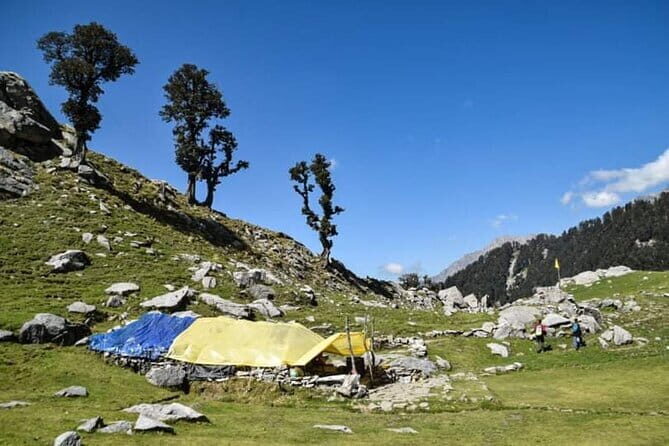
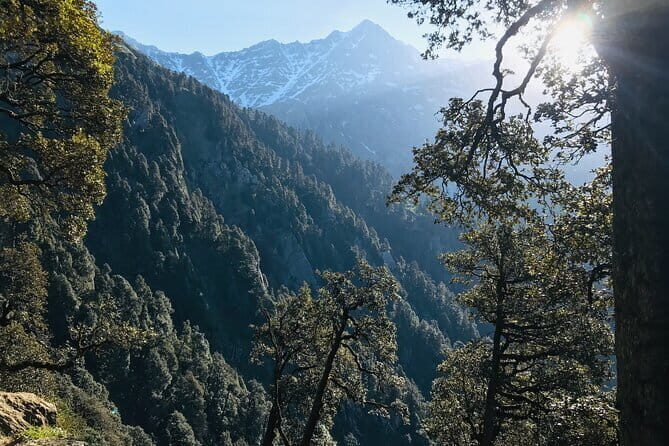
The trek takes off from McLeodganj, the Dalai Lama’s seat area, and you’ll climb toward Triund at 2,875m. On the way, the route passes through Dhramkot village and the area of Galu Devi.
What you’ll like here is that the day isn’t only “sweat and stairs.” You’re moving through lived-in spots—village paths and a named devotional point—so the hike feels connected to the region, not like you’ve been dropped into an empty mountain film set.
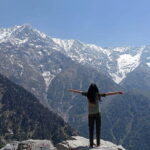
Triund is the first major altitude marker in the description, and it’s also where the view payoff starts. From up there, you get sweeping looks over the Kangra Valley and Dharamshala town below. This is a great moment for pacing yourself. Don’t sprint up the early gains. Save some energy—later days include more rocky walking and more sustained climbs.
If you’re the kind of hiker who likes a win early, this day delivers. If you prefer quiet trails away from any human activity, you may find the village-to-trail vibe a little more social than you expected—but that’s also part of why it’s such a classic Dharamsala trek.
Triund to Lahesh Cave via Laka: meadows, boulders, and cave country
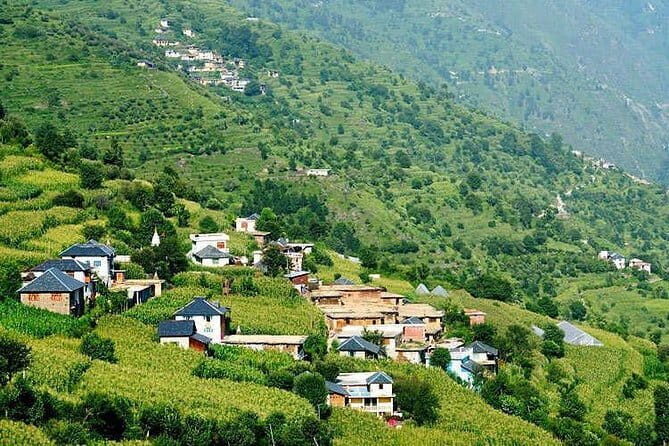
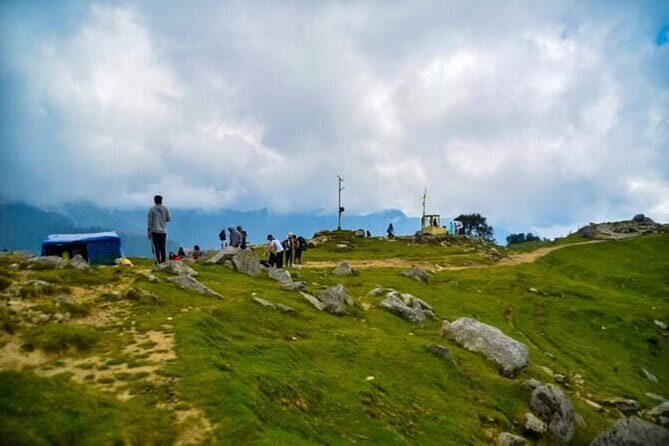
From Triund, the trail continues toward Lahesh Cave via Laka, passing through a meadow scattered with boulders. This is where the trek begins to feel more “mountain rugged.”
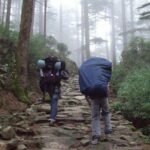
Meadows with boulders sound gentle, but the ground can be deceptive. Expect to step around rocks, adjust your footing often, and deal with uneven terrain that slows you down more than a smooth path would. It’s also a good time to practice your trekking rhythm: steady pace, short breaths, and good shoe placement.
Then comes the cave area: Lahesh Cave is the next named stop, and it’s a key transition point in the described route. Even if the cave itself isn’t the main objective, reaching it signals that you’re moving beyond the most basic trail character and into ridge-and-rock territory.
A smart mindset for this segment: treat it like a “setup day.” You’re not just moving forward—you’re preparing your body for the pass approach later, where you’ll be walking over rocks and dealing with higher, colder air.
Lahesh Cave to Indrahar Pass area: rock steps, the ridge, and that steep wall
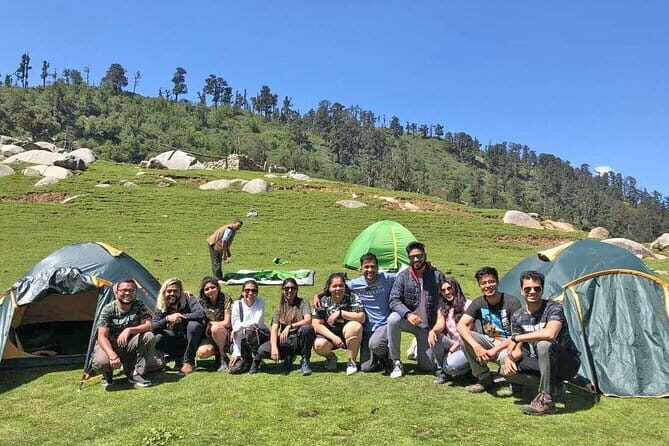
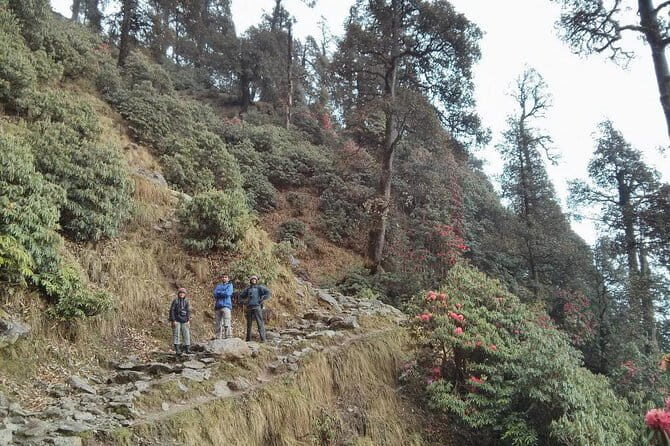
The route from Lahesh Cave to Indrahar Pass is described as walking over rocks straight on the North East face of the ridge. You’ll also keep the steep wall of Mon to your right as you work toward the crest. After that, the trail continues over the crest and includes several ascents.
This is the part where “easy to moderate” turns into reality. Rocky trail walking uses different muscles than smooth hiking. Your ankles and calves get involved more than you’d expect. Also, on a ridge approach, the cold can sneak in because you’re exposed to wind for stretches.
This segment is why choosing the right trekking shoes matters. Good grip beats fancy gear. You want shoes that feel stable over rocks, plus socks and layers that keep your feet comfortable even when the air cools off.
One more safety-related point based on the trek’s weather sensitivity: in past operations, the guide has adjusted routes mid-hike when conditions changed. That kind of adaptability is exactly what you hope for here. If weather turns, you want a guide who can make the call without making it dramatic.
Camping with Manu Adventures: tents, meals, and why it’s real value
This trek includes the big camp items: tents, plus breakfast, lunch, dinner, snacks, and coffee and/or tea. For $108.15 per person, the value is mostly that you’re buying convenience at a mountain price point. You’re not just paying for a walk—you’re paying for the logistical engine that keeps you fed and sheltered.
Camp comfort matters more on multi-day treks than most people think. Even when tents are basic, having them included means you don’t waste time and energy figuring out gear rentals or improvising shelter. Several mentions of comfortable, clean tents suggest that the camp setup is treated as part of the experience, not an afterthought.
Food is the other pillar. When you’re climbing at altitude, you want meals that keep you functioning: enough calories, simple timing, and warm drinks that actually feel warm. Here, the meal plan is built into the package, which also helps with energy budgeting on the trail. You’re not reaching the next camp hungry and then realizing the only option is expensive snack-bar math.
Is it a five-star lodge? No. But it’s also not a “rough it and hope for the best” style trip. It’s a practical mountain camping trek.
Price and what you’re truly paying for
At $108.15 per person, this trek sits in a range where the real question is: does the package cover the stuff you’d otherwise have to arrange yourself?
What’s included here:
- guided trek structure
- tents
- breakfast, lunch, dinner, snacks
- coffee/tea
- the core experience from start to finish back at the meeting point
- a mobile ticket
What’s not included:
- private transportation
The big value kicker is that tents and multiple meals are included. Those are usually the costs that creep up when you try to piece a trek together independently—especially when you factor in the headache of coordination.
The booking pace also looks telling: the trek is commonly booked about 34 days in advance. That’s your cue to plan ahead if you want a specific date window. Mountain treks can fill quietly, and you don’t want to be scrambling when you’re already excited.
Fitness, gear, and altitude: the stuff that decides your success
This trek is described as near public transportation, but you should still treat it like a serious hiking commitment. You’re walking on rocky sections, doing several ascents, and reaching an altitude associated with a real pass area.
The provider notes that travelers should have strong physical fitness. I agree with that framing, even for an “easy to moderate” route category. If you can do a few hours of uphill hiking without your form falling apart, you’ll be in a better place.
Gear priorities (based on the route description and the reality of weather):
- sturdy trekking shoes with grip for rocky walking
- warm layers for ridges and higher elevations
- rain protection (because cold wet is worse than cold dry)
- a plan for cold conditions if snow arrives
And here’s the honest consideration: there has been at least one negative experience tied to snow equipment expectations. You may not know the weather forecast months ahead, but you can control what you ask. When you book, ask what gear is expected for your dates and what happens if the conditions turn colder or snowy. A clear answer from the operator helps you feel confident.
Also, if you’re traveling with a service animal, the trek notes they’re allowed. That’s good to know for planning.
Weather day rules: the trek needs the mountains to cooperate
This experience requires good weather. If it’s canceled due to poor weather, you should be offered either a different date or a full refund. That policy is more than fine print. It’s a practical reality with high trails and exposed ridge segments.
What this means for your planning: keep some flexibility in your schedule. If you’re visiting during a time when weather is changeable, consider booking with buffer days around your trek. The mountain doesn’t care about your calendar, but you can care about your schedule.
It also helps that the route can change if conditions demand it. If the guide adjusts the route mid-way, it’s usually because the safer choice wins.
Who should book this trek (and who should skip it)
This trek is a strong fit if you:
- want a guided trek in the Dharamshala/McLeodganj area that includes lodging and meals
- like the idea of hiking from Triund onward to cave and pass terrain
- want a challenge that’s manageable if you train for uphill hiking
- enjoy scenic Himalayan viewpoints and want the pass area as a goal
You might want to look elsewhere if you:
- struggle with rocky trail footing
- are not prepared for cold and wind at altitude
- expect a flat, low-effort walk (the pass approach includes rock walking and multiple ascents)
If you’re a solo hiker, it can work well too because the guide and group structure help you stay on track and focused. Just be honest about your pace.
Should you book Indrahar Pass with Manu Adventures India?
I’d say yes if you want a real value trek package: guided route, tents, and a full meal plan, with a trek design that makes sense from the first climb out of McLeodganj through Triund and onward to the pass area.
I’d hesitate if you’re very sensitive to cold or if you’re expecting guaranteed conditions without needing snow-ready gear. The route’s exposure and altitude make weather preparedness part of the deal.
My decision checklist:
- Can you handle rocky uphill walking and sustained ascents?
- Are you ready to ask about snow/cold gear expectations for your travel dates?
- Do you have buffer time in Dharamshala in case weather forces a date change?
If you answered yes to those, this trek is a solid way to experience the Dhauladhar without getting buried in logistics.
FAQ
What is the duration of the Indrahar Pass trek?
The trek is listed as 4 days (approx.), with the experience including 3 nights as part of the multi-day camping setup.
Where does the trek start?
The meeting point is Manu Adventures India in Bhagsu Nag, Dharamshala, Himachal Pradesh 176219, India.
What time does the trek start?
The listed start time is 9:00am.
Is transportation included?
No. Private transportation is not included.
What’s included in the price?
The package includes coffee and/or tea, breakfast, lunch, dinner, snacks, and tents.
How large are the groups?
The experience has a maximum of 21 travelers.
Is a mobile ticket used?
Yes, the tour includes a mobile ticket.
Do I need good weather for this trek?
Yes. The experience requires good weather, and if it’s canceled due to poor weather you’ll be offered a different date or a full refund.
Can I cancel for a refund?
Yes. You can cancel for a full refund up to 24 hours in advance. If you cancel less than 24 hours before the start time, the amount paid isn’t refunded.