REVIEW · DHARAMSALA
Private 2-Days McLeodGanj & Dharamshala Guided Tour
Book on GetYourGuide →Operated by Himachalbylocals · Bookable on GetYourGuide
Two days in this part of Himachal hit hard. This plan is all about Tibetan Buddhism and its living culture, from the Tsuglagkhang complex and its prayer-filled walk to the quiet power of the Tibetan Library & Archives. I also love how the stops connect spirituality with everyday tradition, so you’re not just looking at buildings. One practical catch: there’s a moderate amount of walking and temple steps, and lunch (plus possible monument fees) is not included.
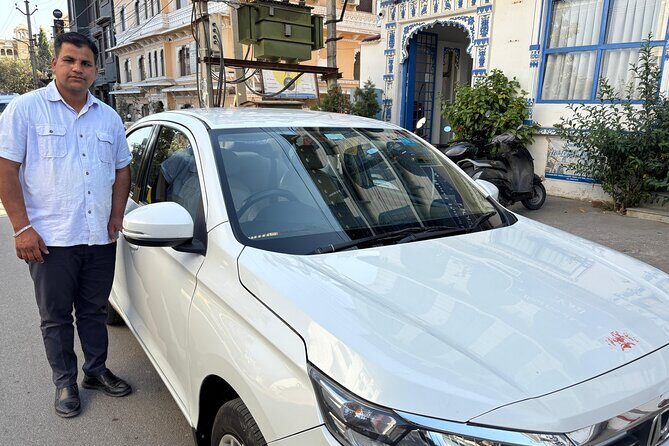
I especially like that you travel with a private car and an English-speaking guide, which matters here because Dharamshala is steep and roads can be bendy. Guides such as Vikram are the kind who make the day feel local, and drivers like Abishek are the calm hands needed for the hills. You may even hear praise for helpers like pranav and arzun, too, which is a nice sign that the team is paying attention.
In This Review
- Key highlights to know before you go
- Why McLeodganj and Dharamshala work so well in 2 days
- Day 1: Tsuglagkhang, the Kora Walk, and Tibetan healing traditions
- Day 1 takeaway: the spiritual story is told in layers
- Day 2: Gyuto Monastery, Norbulingka arts, Dolma Ling nuns, and tea in Kangra
- How transport and timing affect your experience
- Price and value: is $94 per person fair for two days?
- What makes the guide role so important here
- Photo tips and temple etiquette that actually help
- What to bring (so you don’t regret it later)
- Best fit: who this tour suits best
- Should you book this 2-day tour of McLeodganj and Dharamshala?
- FAQ
- How long is the Private 2-Days McLeodGanj & Dharamshala Guided Tour?
- Is this tour private?
- What’s included in the price?
- Is lunch included?
- What places are visited on Day 1?
- What places are visited on Day 2?
- What should I bring and what is not allowed?
Key highlights to know before you go
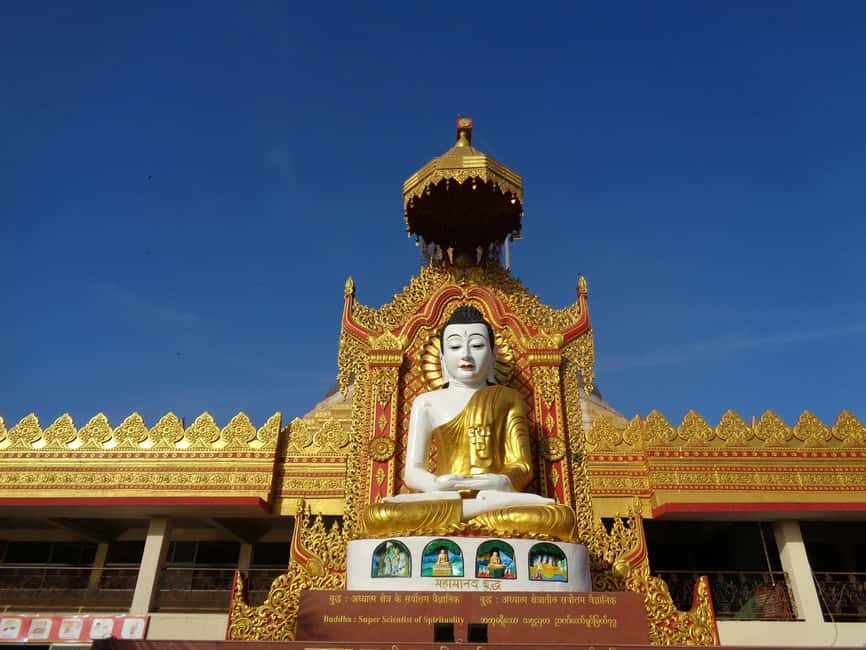
- Kora walk at Tsuglagkhang: prayer flags, mani stones, and prayer wheels with big mountain views
- Tibetan Library & Archives: a standout stop for Buddhist texts and manuscripts outside Tibet
- Men-Tsee-Khang: Tibetan medical and astrology traditions, not just religious sights
- Gyuto Monastery: tantric meditation and Buddhist philosophy with Dhauladhar views
- Norbulingka Institute & Dolma Ling Nunnery: art-making and monastic daily life you can observe
- Kangra Tea Plantation: tea garden stroll plus the tea-making process and a fresh cup
Why McLeodganj and Dharamshala work so well in 2 days
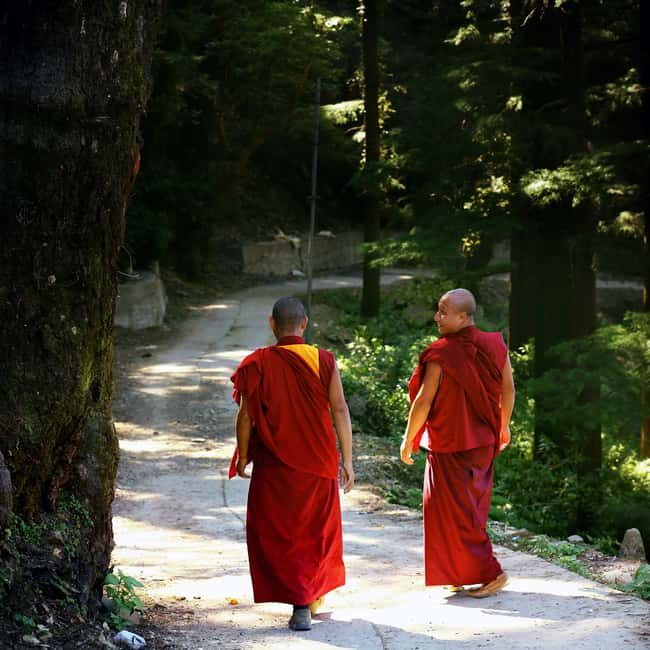
McLeodganj and Dharamshala can feel like two different worlds: one more market-and-monastery close together (McLeodganj), the other spreading out with monasteries, institutes, and scenic breaks (Dharamshala). In two days, this guided route keeps you from bouncing randomly and lets you see the spiritual core plus the cultural machinery that supports Tibetan life in exile.
Here’s what makes this plan especially practical: the day is structured around sites that explain different layers of the same story. You start with the Dalai Lama Temple complex and its devotional rhythm. Then you move into cultural preservation (museums, libraries, institutes). By the second day, you get a wider view of monastery traditions and Tibetan arts, and you finish with a softer, more scenic note at a tea plantation.
The best part for your planning: you’re not stuck figuring out transport between hill areas. You’re picked up and dropped back at your hotel, and you ride in a private car for the between-stop stretches. That alone reduces stress, which makes the spiritual sites land better.
You can also read our reviews of more guided tours in Dharamsala
Day 1: Tsuglagkhang, the Kora Walk, and Tibetan healing traditions
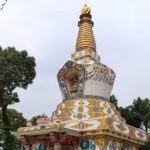
Your first day starts with the Dalai Lama Temple (Tsuglagkhang Complex), which is the spiritual heart of Tibetan Buddhism and the residence of His Holiness the 14th Dalai Lama. This is the kind of place where the atmosphere does some of the explaining for you: prayer flags, devotional objects, and people moving with purpose. If you’re trying to understand Tibetan Buddhism beyond photos, this is a strong anchor point.
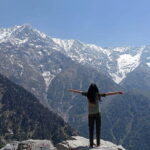
From there, the route follows the Kora Walk, a meditative circumambulation around the complex. Expect a physical loop lined with prayer flags, mani stones, and spinning prayer wheels. The mountains in the background (the Dhauladhar range) are part of the experience, not just scenery, so wear shoes you trust and keep your water handy.
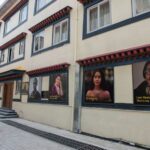
Next up is the Tibetan Museum, where you’ll see exhibits covering Tibet’s history, the struggles of exile, and the preservation of Tibetan culture. This stop is valuable because it adds context to everything else you’ll see later. Without it, monasteries and archives can feel like isolated landmarks. With it, you start to understand why preserving texts, art, and traditions matters so much.
After that, you go to Men-Tsee-Khang (Tibetan Medical & Astro Institute). This is one of the more unique stops on the route because it connects Tibetan spirituality with healing practices, herbal medicine, and astrology. Even if you don’t treat astrology as something you practice, it’s still a window into how Tibetan culture organizes knowledge and worldview.
The day’s quieter peak for many people is the Tibetan Library & Archives, described as one of the richest repositories of Buddhist texts and manuscripts outside Tibet. If you care about religion as history and scholarship—not only ritual—this is the kind of stop that changes how you read what you see around you.
Finally, you head to Bhagsu Nag Temple, an ancient Hindu shrine associated with both Indian and Tibetan spiritual traditions. It’s a good reminder that cultures here interact in real ways, not just in theory.
Practical note for Day 1: expect a moderate amount of walking and some indoor-outdoor movement. Bring a hat and sunscreen, because hill sun can still surprise you even when the air feels cooler.
Day 1 takeaway: the spiritual story is told in layers
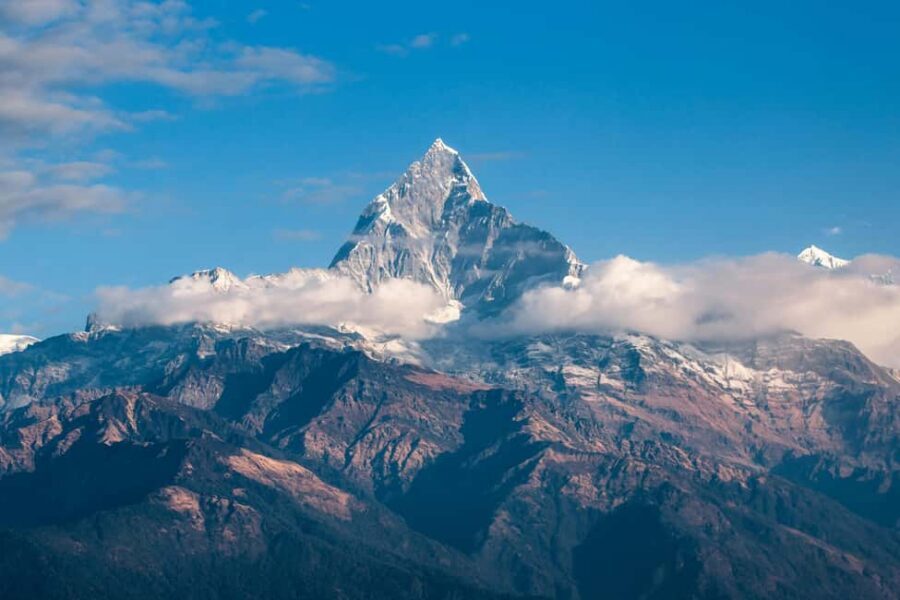
What I like about this Day 1 flow is that it moves from devotion to context, then to living knowledge. You’re not only looking at places. You’re being guided through the why behind them: how communities preserve identity, how healing and philosophy overlap, and how texts matter when people are far from home.
If you’re traveling with limited time (and you are, because it’s only two days), this structure saves you from skipping the pieces that make the rest meaningful.
Day 2: Gyuto Monastery, Norbulingka arts, Dolma Ling nuns, and tea in Kangra
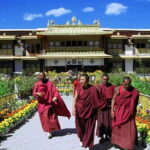
Day 2 starts with Gyuto Monastery, known as a center for tantric meditation and Buddhist philosophy. It’s also home to the reincarnation of the great Karmapa. Even if you’re not an expert in Buddhist traditions, the setting helps you understand why these spaces are about discipline and focus—not sightseeing. You also get breathtaking views of the Dhauladhar mountains, so your morning has both calm and drama.
Next, the route goes to Norbulingka Institute, a hub for preserving Tibetan art and culture. This is where the tour shifts from worship and study into craft. You can watch skilled artisans practicing traditional Thangka painting, wood carving, and metalwork. If you’re the type who loves seeing hands-on process, this is one of your best chances on the two days to connect culture with technique.
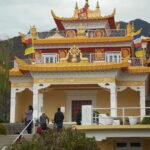
Then you visit Dolma Ling Nunnery, an important center for Tibetan Buddhist nuns. This stop works best when you approach it with quiet curiosity. You can observe nuns engaged in prayer and daily rituals, which is a respectful way to understand monastic life without turning it into a performance.
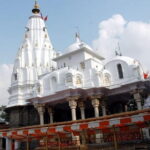
After that, you drive to Aghanjar Mahadev Temple, a sacred Shiva temple believed to be over 500 years old. The setting is forested and peaceful, and it’s said that Arjuna from the Mahabharata meditated here. This is another example of the area’s spiritual overlap, and it helps you see Dharamshala as a broader spiritual landscape rather than a single tradition.
Lunch is on your own for this day, at a local restaurant. That’s not a dealbreaker—just plan your time so you don’t feel rushed between stops.
In the afternoon, the tour includes the Kangra Art Museum, where you’ll explore the history and culture of the Kangra Valley. This is a good bridge between Tibetan heritage and the local region you’re actually sleeping in.
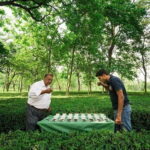
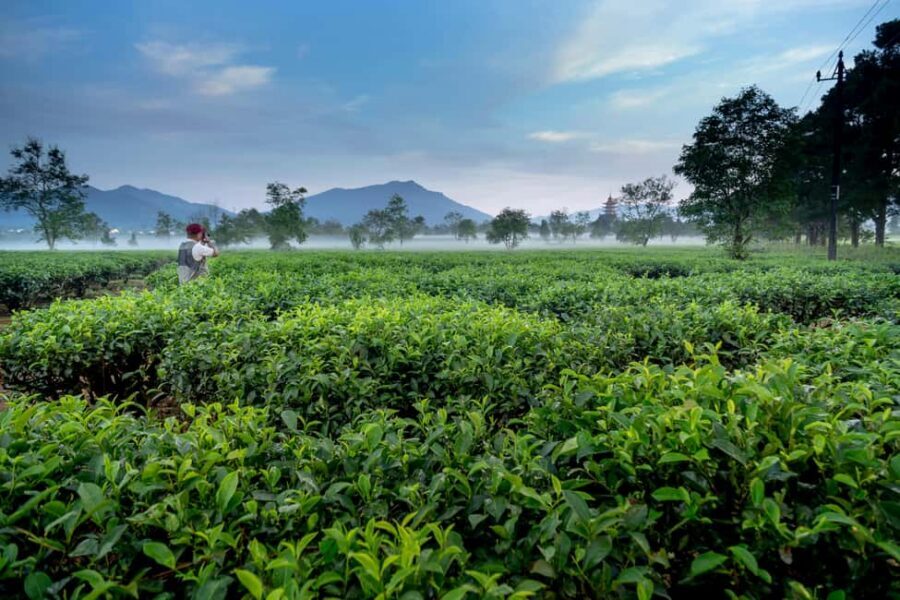
The day ends with a visit to the Kangra Tea Plantation. You’ll stroll through lush tea gardens, learn about tea-making, and enjoy a fresh cup of Kangra tea. This ending is smart because it resets your senses after temples and monasteries. It’s also a very practical souvenir stop: you leave with something you can use, drink, and remember.
How transport and timing affect your experience
Dharamshala’s roads are steep and bendy, which is exactly why this tour being private matters. A private car means you don’t spend half the day waiting for other groups to board or get dropped at the wrong spot in a hill maze.
Also, the itinerary uses a steady rhythm: morning spiritual sites, midday transitions, and an afternoon mix of craft/culture. That pacing helps with stamina. You will walk some. But the route is designed so the walking isn’t all crammed into one hour.
One more thing: you’ll likely do a lot of moving between different “worlds” in the same day—temple complex, museum, archives, monastery, craft workshop, tea garden. That’s exciting, but it can also be mentally busy. If you get overstimulated easily, bring some downtime for yourself between stops, even if it’s just 10 minutes of quiet before you move on.
You can also read our reviews of more private tours in Dharamsala
Price and value: is $94 per person fair for two days?
At $94 per person for two days, you’re paying for a package that includes pickup and drop-off at your hotel, a professional English-speaking guide, a private car, sightseeing as per the plan, and all taxes. The value is strongest if you like a structured route and you’d rather not research logistics across scattered hill areas.
Where the cost isn’t included: lunch, monuments fees, and personal expenses. So your total out-the-door cost may be a bit higher once you add food and any ticket fees that come up on site. Still, for many people, the trade-off is worth it: you get a full two-day program without the hassle of organizing transport and interpretting cultural context on your own.
If you’re traveling as a group, double-check whether your party size changes the overall experience level. Private tours tend to feel best when you can ask questions and set your own pace within reason.
What makes the guide role so important here
This tour isn’t just a checklist of places. The guide is what turns each stop into a story you understand, especially at spots like the Tibetan Museum, Men-Tsee-Khang, and the Tibetan Library & Archives. Clear explanations help you connect symbols, history, and everyday practice.
From the guide feedback tied to this tour, Vikram is often praised for making the day feel local, not like a scripted rush. Drivers like Abishek also get credit for moving safely and comfortably along difficult roads. And in at least one case, helpers such as pranav and arzun are called out for making things run smoothly. That combination matters: your day feels calmer when both navigation and explanations are handled well.
Photo tips and temple etiquette that actually help
Photography is allowed, but it’s essential to be respectful about people’s privacy. If you see someone praying or focused, pause first and only shoot if it doesn’t interrupt.
Dress and behavior matters too. Wear comfortable clothing for hill weather changes, and stick with modest, calm behavior at spiritual sites. You’ll be on your feet some, so comfortable shoes are non-negotiable.
Also, the tour doesn’t allow smoking. It sounds obvious, but it’s worth noting since some tours forget to mention it.
What to bring (so you don’t regret it later)
Bring:
- Comfortable shoes for temple steps and uneven paths
- A hat and sunscreen
- A camera if you want to capture prayer flags, monastery views, and tea gardens
- Water bottle, because you’ll walk a moderate amount
If you tend to get cold in the evening, consider a light layer. Hill weather can shift fast between mornings and late afternoons.
Best fit: who this tour suits best
This tour fits you if you want a guided introduction to Tibetan Buddhism in a way that includes culture, archives, and everyday spiritual practice. It’s also a good match if you enjoy learning about how Tibetan communities preserve identity through museums, institutes, and monastic life.
It may not be a great fit if you:
- Need a low-walking day (the tour includes a moderate amount)
- Have back problems (the walking and steps could be tough)
- Are traveling with children under 5
- Are in the 95+ age range
Should you book this 2-day tour of McLeodganj and Dharamshala?
I’d book it if you want a structured two-day plan that connects spirituality with context—Tsuglagkhang and its Kora walk, the Tibetan Library & Archives, monasteries and arts, and then a gentler finish at Kangra tea gardens. The private car and English guide add real comfort on steep roads, and the itinerary hits both devotional sites and cultural preservation.
I’d think twice only if you strongly dislike walking, you need a fully relaxed pace, or you’re hoping for a tour where all costs are bundled (since lunch and possible monument fees aren’t included).
If your goal is to understand Dharamshala beyond the surface, this is a solid way to do it without wasting your short time.
FAQ
How long is the Private 2-Days McLeodGanj & Dharamshala Guided Tour?
It runs for 2 days.
Is this tour private?
Yes, it’s a private group.
What’s included in the price?
Pickup and drop-off at your hotel, a professional English-speaking guide, a private car, sightseeing as per the itinerary, and all taxes.
Is lunch included?
No. Lunch is not included.
What places are visited on Day 1?
Day 1 includes the Dalai Lama Temple (Tsuglagkhang Complex), the Kora Walk, the Tibetan Museum, Men-Tsee-Khang, the Tibetan Library & Archives, and Bhagsu Nag Temple.
What places are visited on Day 2?
Day 2 includes Gyuto Monastery, Norbulingka Institute, Dolma Ling Nunnery, Aghanjar Mahadev Temple, the Kangra Art Museum, and the Kangra Tea Plantation.
What should I bring and what is not allowed?
Bring comfortable shoes, a hat, a camera, sunscreen, and water. Smoking is not allowed.