Religious Varanasi hits you fast. This 3-hour private visit strings together Kashi Vishwanath Temple and the Ganga Aarti so you see how devotion and daily life move together in the city. I love that you get Sugam Darshan, which helps you get inside the Kashi Vishwanath complex with less friction than the usual crush. You also get a licensed guide who can explain what you’re seeing while you’re standing in it.
The other highlight for me is the private balcony setup for the Aarti—one of those rare chances to watch without doing the all-day standing-and-squeezing routine. One drawback to keep in mind: evening crowds can spike at the temple, and Sugam Darshan depends on ticket availability, which can mean extra waiting during festival-heavy days.
In This Review
- Key things to know before you go
- Kashi Vishwanath Temple: why Sugam Darshan matters at golden-hour crowds
- Manikarnika Ghat: what you’ll see at Varanasi’s main cremation ghat
- Dasashwamedh Ghat: the legends behind the city’s most famous river steps
- Dashashwamegh Ghat and Ganga Aarti: the choreography you can’t unsee
- Private guide, small group pace, and why the route feels “doable”
- Price and value: what $49 buys you in Varanasi
- Tips for getting the most out of the evening (without turning it into a chore)
- Should you book this Kashi Vishwanath Temple and Ganga Aarti tour?
- FAQ
- What is the start time of the tour?
- How long does the experience last?
- How much does it cost?
- Is hotel pickup and drop-off included?
- Is Sugam Darshan included at the Kashi Vishwanath Temple?
- What stops are included besides the temple?
- Where will you watch the Ganga Aarti?
- What’s included in the price for entry fees?
- What is not included?
- When will I get confirmation, and can I cancel?
Key things to know before you go
- Sugam Darshan is included, but not guaranteed if temple access tickets run out on busy dates
- Prime Aarti viewing from a private balcony with a dedicated chair beats the usual crowd chaos
- You’ll pass Manikarnika Ghat, Varanasi’s main cremation ghat, so expect a heavy emotional moment
- You’ll see multiple major ghats—Dashashwamedh and Dashashwamegh—within a tight 3-hour window
- Small group size (max 8) and private format makes the pace feel more controlled
Kashi Vishwanath Temple: why Sugam Darshan matters at golden-hour crowds
Kashi Vishwanath is one of those places where the meaning shows up immediately. The temple is dedicated to Lord Shiva, and in Varanasi it sits at the center of pilgrim life. You’ll notice the intense spiritual energy right away—devotees moving with purpose, the steady rhythm of temple activity, and the way the site feels both sacred and very much alive.
The good news for your schedule: the tour includes admission ticket access and Sugam Darshan (subject to ticket availability). That’s the part that’s most practical. At Kashi Vishwanath, lines can stretch and time can disappear. Having reserved-style access means you spend more of your limited afternoon focused on the experience, not stuck in slow-moving bottlenecks.
What I’d watch for: the tour runs in the late afternoon, with a 3:00 pm start. That timing is great for lining up with evening rituals later, but it also means you’ll be walking into peak crowd levels. If you’re the type who hates waiting, keep your expectations flexible. On heavy festival days, Sugam Darshan may be unavailable, and you may need to adjust to longer lines or alternative entry handling.
Also, small detail that matters here: the temple stop is scheduled for about 1 hour. That doesn’t give you an all-day wander, so think of this as a focused visit—enough time to experience the sacred space and see the core sights, guided by someone who can point out what to notice.
You can also read our reviews of more tours and experiences in Varanasi.



Manikarnika Ghat: what you’ll see at Varanasi’s main cremation ghat
Then comes the part of Varanasi that can be hard to process. Manikarnika Ghat is the main burning ghat, and it’s considered especially auspicious in Hindu tradition. The tour’s description is direct: this is where cremations happen, and the handling is carried out by outcast groups known as doms.
If that sounds intense, it is. You’re not going there for a tourist photo. You’re there to understand how ritual, death, and belief are woven into the river-city’s daily reality. Expect narrow old-town alleyways and the sense that the ghat system is not a staged event—it’s the working heart of a living religious practice.
One thing I really like about having a guide for this stop: they can help you interpret what you’re seeing without turning it into a spectacle. Without context, it’s easy to feel lost or overwhelmed. With context, it becomes clearer why Varanasi treats the Ganges as more than scenery—it’s tied to spiritual ideas about release and transformation.
A consideration: the tour’s duration is about 3 hours total, so the Manikarnika time is brief. That’s good for your stamina, but it also means you won’t have time to fully absorb everything emotionally. If you’re sensitive to strong scenes, or if you’re traveling with someone who struggles with death rituals, decide based on your comfort level before booking.
Dasashwamedh Ghat: the legends behind the city’s most famous river steps
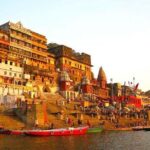
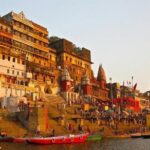
After the temple and Manikarnika, you’ll shift to the energy of the main riverfront ritual zone. Dashashwamedh Ghat (also spelled Dashashwamedh in many places) is described as the main ghat and one of the most spectacular spots along the Ganges in Varanasi.
This stop works because it balances what you just saw. Manikarnika is about cremation rites; Dashashwamedh is about ongoing religious performance. The atmosphere here feels more like the Varanasi you’ve imagined: priests, devotees, chanting rhythms, and constant movement along the river steps.
Two legends are linked to the ghat, and they help you connect the visual with the meaning:
- In one story, Lord Brahma created Dashashwamedh Ghat to welcome Lord Shiva
- In another, Brahma sacrifices ten horses during the Dasa-Ashwamedha-Yajna
Even if you don’t memorize the names, you’ll feel the payoff. Legends like these remind you why this ghat gets so much attention. It’s not random; it’s tied into religious geography—where the stories say the sacred “happened,” and where people still come to reenact and honor that sacred space.
The tour allots about 1 hour here, and that’s a helpful amount. You get time to absorb the ghat’s layout and activity without running late for the Aarti, which is the real clock-stopper of the evening.
Dashashwamegh Ghat and Ganga Aarti: the choreography you can’t unsee
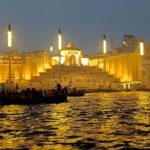
The evening centerpiece is the Ganga Aarti at Dashashwamegh (Dashashwamedh-area) Ghat, where the tour explains the ritual clearly.
First, aarti is a Hindu practice where light is offered to one or more deities. It also refers to the songs sung while the lamps are offered. In Varanasi, Hindus worship the Ganges as the river goddess, so each evening includes this special kind of devotion at the water’s edge.
What makes this Aarti feel different is the precision. The description notes rituals performed by several priests along with bells, drums, cymbals, and Sanskrit mantras. If you’ve only ever watched religious events as static ceremonies, this one changes your view. The action is choreographed, synchronized, and repeated with intention. Even if you don’t understand the language, you can still read the structure in the timing, the movement, and the shared rhythm.
The tour’s biggest value-add at this moment is your seating. You’re set up with a private chair in a private balcony with the best view of the Aarti. That’s not just comfort. It affects what you get out of the ceremony. You’re not craning your neck behind taller shoulders. You’re positioned so you can actually follow what’s happening, not just catch flashes between heads.
You’ll also see the river worshipped with flower petals. This small visual detail matters because it links the sound and light of the ritual to the actual Ganges water right in front of the action. It’s one of those moments where the whole scene feels like it’s happening at your level.
And yes, there can be an alternative way to view Aarti—some people watch from the ghat or even from a boat. But the smart move is the one this tour gives you: sit somewhere you can see clearly, and let the ritual do its job.
Private guide, small group pace, and why the route feels “doable”
This is a private tour for your group, with a maximum of 8 people per booking and a minimum of 2 people per booking. That range matters more than it sounds. Varanasi can get tight and crowded at the water. A smaller group is easier to guide and easier to move through without breaking your attention every few minutes.
You’ll also travel with a professional private guide licensed by the Ministry of Tourism, Government of India. That doesn’t just mean credentials. It usually means the guide can translate meaning, not just facts. In a city where rituals run alongside daily life—cremations, temple access rules, chanting—context is the difference between confusion and understanding.
If you need it, the tour includes hotel pickup and drop-off by private vehicle. Even when the meeting point is near public transportation, that pickup can save you energy, especially since your start time is 3:00 pm and the day’s walking can add up fast.
The pace is also intentionally tight. Total duration is about 3 hours, including roughly 1 hour at the temple, 1 hour at Manikarnika, and 1 hour across the ghat area culminating with Aarti. It’s a sprint through key spiritual spaces. If you enjoy packing your schedule with meaning, this format works. If you want slow, linger, and browse time, you’ll probably want to do this as part of a longer Varanasi stay rather than your only evening plan.
One more practical thing: the tour uses a mobile ticket and includes admission ticket coverage for the Kashi Vishwanath stop (and Aarti/gat areas are listed as admission free for those stops). Food and drinks are not included, and that’s important because you’ll be in a high-energy area where you might end up buying something quickly. Plan for water and any small snacks on your own.



Price and value: what $49 buys you in Varanasi
At $49 per person, this tour is clearly priced for people who want less hassle and more access. The base cost can look simple, but what you’re paying for is not only the guide time.
You’re also paying for:
- a licensed private guide
- hotel pickup/drop-off by private vehicle if needed
- Sugam Darshan access at Kashi Vishwanath (subject to availability)
- a private chair in a private balcony for the Aarti
- admission ticket included for the temple portion
In Varanasi, the expensive part of experiences is often time and stress. Crowds decide your day. Lines decide whether you see the thing you came for. Reserved-style access and a real seat for the Aarti are where you actually feel the value.
That said, you should treat the Sugam Darshan component as “included when available.” The tour description makes it clear it’s subject to ticket availability, and that’s exactly the risk point for value. If tickets aren’t available on your date due to crowd levels, you might lose some of that time-saving advantage.
My advice: if you’re booking mainly for the temple idol experience, pick a date that’s less likely to be festival-intense. If that’s not possible, then lean into the whole route—temple, cremation ghat context, major ghats, and the Aarti from your balcony seat. Even when temple access is slower than you want, the Aarti viewing setup can still make the evening feel “worth it.”
Tips for getting the most out of the evening (without turning it into a chore)
Because this is a concentrated route, your prep matters. Here’s what I’d do to make sure the day flows:
- Arrive ready for crowds. The temple timing overlaps with heavy foot traffic.
- Dress respectfully. This is a temple and ritual route, and you’ll stand in religious spaces for most of your 3-hour window.
- Plan for personal purchases. Food and drink aren’t included, and ritual-related expenses aren’t included either.
- Bring cash for small needs if you like, but keep in mind the tour itself uses mobile tickets for entry.
Also, mentally prepare for Manikarnika. It’s not a quick “sight.” It’s a living cremation ground described in very real terms. If you can handle serious topics with respect, you’ll understand why many people consider Varanasi unforgettable.
Should you book this Kashi Vishwanath Temple and Ganga Aarti tour?
Book it if you want a guided, time-efficient evening that hits Kashi Vishwanath plus the Ganga Aarti with a good viewing setup. This is especially smart if you hate spending your holiday time in lines or if you want your Aarti experience to be about seeing clearly, not fighting for space.
I’d think twice if:
- you strongly dislike crowded temple lines and can’t tolerate delays
- you’re not comfortable with the reality of Manikarnika Ghat and cremation rituals
If your goal is “temple plus Aarti, explained well, with better-than-average access,” this tour is a solid pick. The route is short, but the meaning is big.
FAQ
What is the start time of the tour?
The tour starts at 3:00 pm.
How long does the experience last?
It lasts about 3 hours.
How much does it cost?
The price is $49.00 per person.
Is hotel pickup and drop-off included?
Hotel pickup and drop-off by private vehicle is included if needed.
Is Sugam Darshan included at the Kashi Vishwanath Temple?
Yes. Sugam Darshan at the Kashi Vishwanath Temple is included, but it is subject to ticket availability.
What stops are included besides the temple?
You’ll also visit Manikarnika Ghat and Dasashwamedh Ghat, and then watch the Ganga Aarti at Dashashwamegh Ghat.
Where will you watch the Ganga Aarti?
You get a private chair in a private balcony with the best view of the Aarti.
What’s included in the price for entry fees?
The Kashi Vishwanath Temple admission ticket is included. The other stops listed for admission are described as free.
What is not included?
Food, drink, and any personal expenses on rituals are not included, and tips are not included.
When will I get confirmation, and can I cancel?
You’ll receive confirmation within 48 hours of booking (subject to availability). You can cancel for a full refund up to 24 hours in advance.