REVIEW · JAIPUR
Jaipur: Jhalana Amagarh Leopard Reserve 4×4 Jeep Safari
Book on GetYourGuide →Operated by Parikshit Tour and travels · Bookable on GetYourGuide
One place in Jaipur trades traffic for tracking.
Jhalana/Amagarh is India’s first leopard reserve, right beside the Aravali Hills, so you get a wild-country feel without a multi-day escape. I like that you’re picked up and dropped off from your hotel in an air-conditioned vehicle, then taken into the reserve by 4×4 jeep. I also like the park variety: leopards and cubs are the headline, but you may also spot hyenas, deer, mongooses, and birds. The big drawback is simple: leopard sightings aren’t guaranteed, and there’s no money refund if cats don’t show.
The safari itself is short enough to fit a day, but long enough to let your guide work the terrain. I’ve seen the best results tend to come when you’re patient and dressed for the conditions, because winter mornings can feel chilly fast in Rajasthan. And if you choose the add-on Elephant Village Park visit, decide up front what you want to pay for, since elephant-related activities are not included.
In This Review
- Jhalana/Amagarh Leopard Reserve: Why This Safari Feels Different in Jaipur
- Key Things I’d Fixate On Before You Go
- Pickup in Jaipur: How the Day Starts (and Why It’s Worth It)
- The 4×4 Jeep Safari: What You’re Actually Paying For
- What You Can Expect to See: Leopards and the Neighborhood Cast
- Timing Tips That Change Your Chances (Morning vs Sunset)
- The In-Reserve Experience: How the Search Actually Feels
- Elephant Village Park Add-On: Worth It or a Trap
- Photography and Comfort: Pack Like You Mean It
- Price and Value: Does $60 Buy You Real Wildlife Time?
- Who Should Book This Safari (and Who Should Skip It)
- Small Details That Make the Day Run Smooth
- Should You Book the Jaipur Jhalana Amagarh Leopard Safari?
- FAQ
- How long is the Jhalana Amagarh Leopard Reserve safari?
- Where does the tour start?
- Is hotel pickup and drop-off included?
- Is the 4×4 jeep safari included?
- Can I guarantee seeing a leopard?
- What animals might I see besides leopards?
- What should I bring?
- Is food or drinks included?
- Are elephant activities included?
- Do I need to send passport details?
Jhalana/Amagarh Leopard Reserve: Why This Safari Feels Different in Jaipur
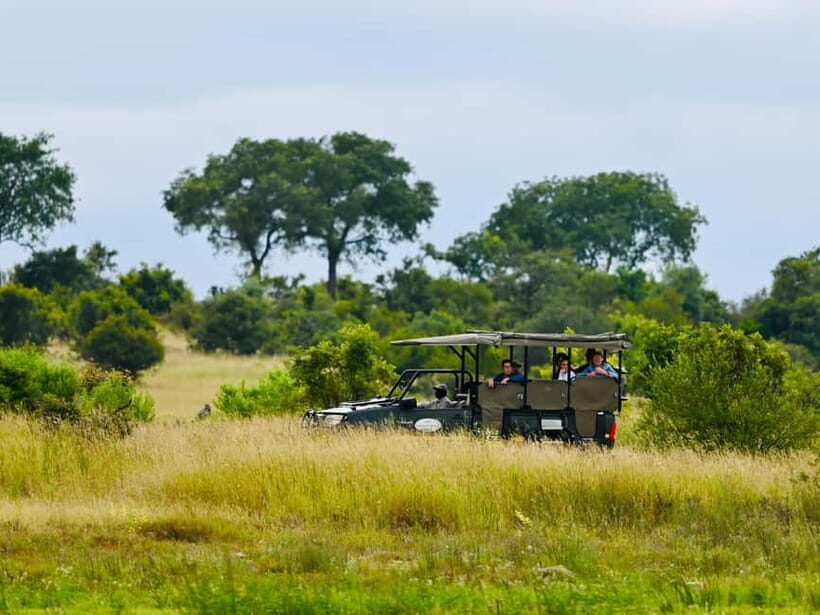
This reserve is special because it’s not a distant wilderness fantasy. It’s in Jaipur’s backyard, surrounded by the Aravali mountain range, and it’s run by India’s Forest Department. That matters because the park is designed for wildlife protection and controlled access, not for photo booths and constant crowds.
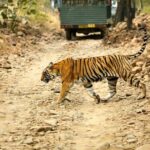
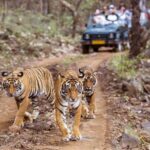
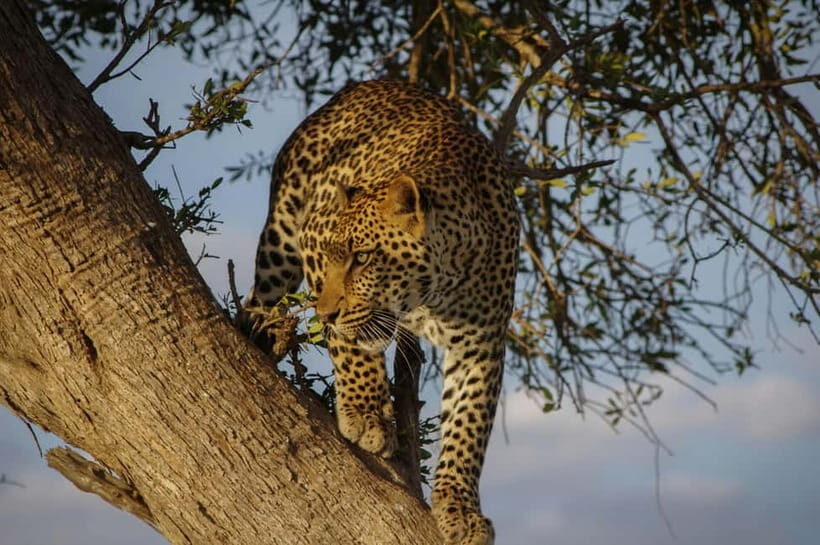
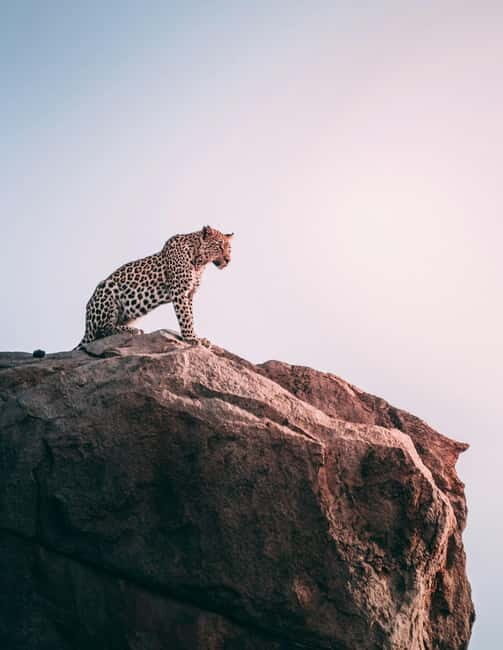
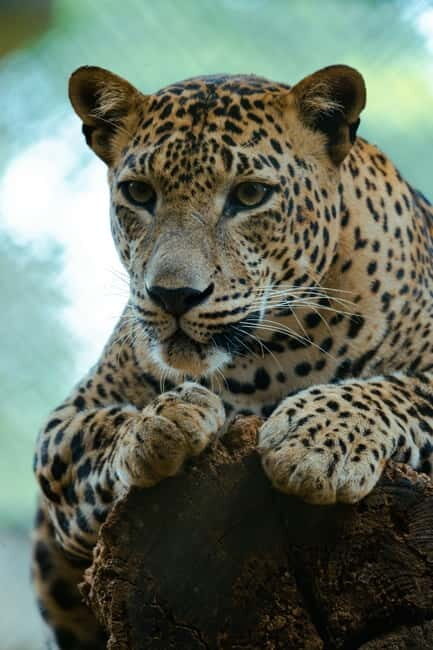
The reserve currently hosts 70+ leopards and 5 cubs. That’s a huge figure for one small ecosystem near a major city. In plain terms: you’re going to spend your money in a place that’s genuinely set up for spotting leopards, not just a drive-around in hope.
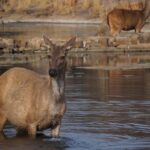
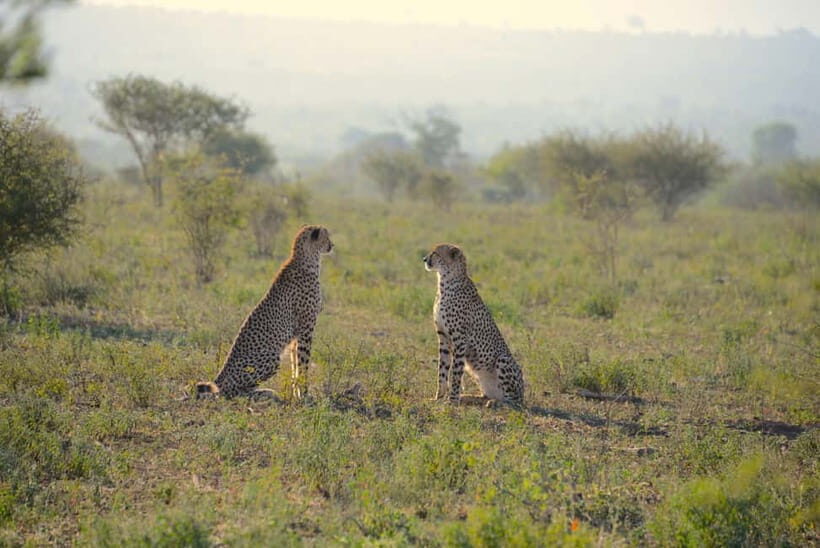
You’re also not limited to cats. Depending on where the animals are active, you might spot striped hyenas, Indian civets, desert and jungle cats, desert foxes, jackals, porcupines, monitor lizards, mongooses, sambar deer, chital (spotted deer), blue bull (nilgai), and snakes.
Key Things I’d Fixate On Before You Go
A true in-city leopard reserve (Jhalana/Amagarh) with Aravali Hills as a backdrop
Air-conditioned pickup and drop-off from your Jaipur hotel or any Jaipur address
A dedicated 4×4 jeep safari inside the reserve for 2:15 to 2:45
Leopard and other wildlife sightings are possible, but not promised
Bring binoculars and a camera, because the action often happens in brush
Elephant Village Park can be added, but elephant activities are not included
You can also read our reviews of more tours and experiences in Jaipur
Pickup in Jaipur: How the Day Starts (and Why It’s Worth It)
You start with convenience. You’ll get hotel pickup and drop-off in a private vehicle that’s air-conditioned, which is a big deal when Jaipur is hot. The operator also includes toll and parking charges, plus all taxes, so you don’t need to play the guessing game with extra fees once you’re on the move.
Another small win: the tour notes include a way to skip the line via a separate entrance. In wildlife parks, time counts. If you lose 45 minutes early on, you’re borrowing time from the wildlife window when animals choose to move.
Driver and guide language coverage is English and Hindi. That helps for questions like where the animals are likely to be and how to read signs in the terrain.
One practical note: after booking, you’re asked to send your passport details via WhatsApp or email to obtain your entry. Do that promptly. If you’re traveling with someone and their documents are late, your timing may slip.
The 4×4 Jeep Safari: What You’re Actually Paying For
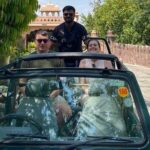
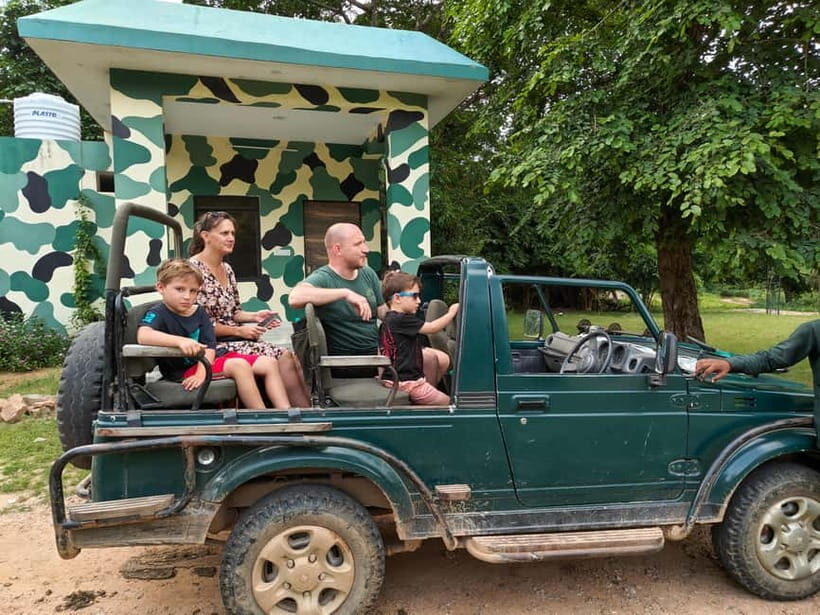
This is the core experience: you head into the reserve by 4×4 jeep (often using a rugged vehicle like the Gypsy for the off-road terrain). The safari window is roughly 2:15 to 2:45 hours total inside the reserve.
That duration is smart. It’s enough time to:
- move between areas where wildlife activity changes
- wait when you hear or see signs
- reposition when a cat appears and then vanishes into the brush
It’s not long enough to feel like you’re trapped in the same spot for half a day, but it gives your driver room to do real searching.
And since the terrain is rough and the animals can pop up suddenly, comfort matters. A jeep safari isn’t a smooth highway ride. But the vehicle comfort is repeatedly praised, and you’re also spared the hassle of driving yourself into a managed reserve.
What You Can Expect to See: Leopards and the Neighborhood Cast
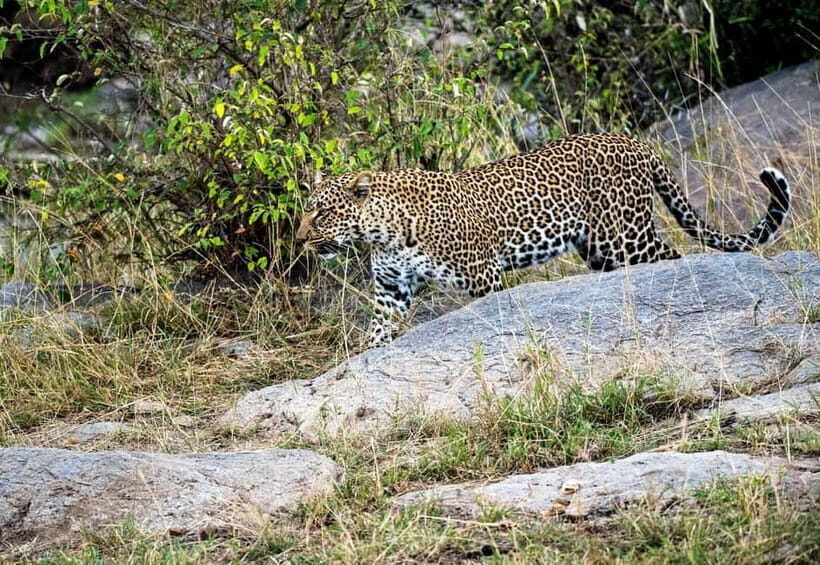
Let’s talk odds without pretending we can control them. The reserve is loaded with leopards, including cubs, but animal movement is weather-driven and time-driven. Leopards may be active at certain hours, or they may be tucked away if conditions aren’t right.
Still, the range of potential sightings is broad, and that’s part of the value. Even when the big cats don’t appear, the reserve can deliver a very full wildlife session.
Here’s what’s explicitly on the wildlife menu:
- Leopards and cubs (the big target)
- Striped hyenas
- Indian civets
- desert cats and jungle cats
- desert foxes, jackals
- porcupines
- jungle rats
- monitor lizards and mongooses
- sambar deer and chital (spotted deer)
- blue bull (nilgai)
- snakes
You’ll also likely see birds. Many sightings come as quick flashes: a bird call, a movement at the edge of the vegetation, or tracks that suggest something is nearby.
If your goal is photography, this variety helps. A leopard is the dream shot, but birds and deer can fill your memory card when the cats take a nap.
Timing Tips That Change Your Chances (Morning vs Sunset)
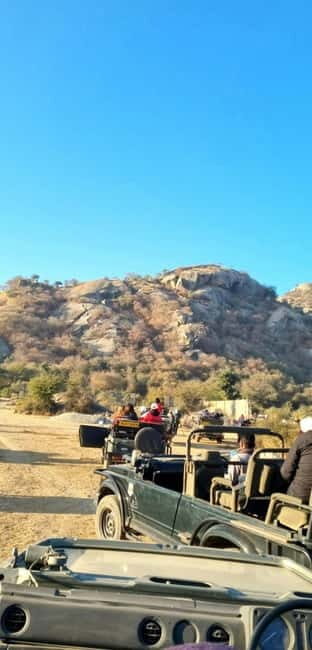
Timing can matter more than people expect, especially in Rajasthan winter.
Some safari days are chilly even when Jaipur feels warm. One practical tip you’ll hear often: bring warm layers. In late February, for example, winter mornings can be cold once you’re out on the jeep and exposed to wind.
Sunset can also be a good window. A calm evening can encourage animals to move toward watering spots, and you may get a better look into the brush when light softens. If you’re choosing between time slots, think about your comfort first, then chase the time window that fits your schedule.
Rain can be a problem for sightings. If it rains unexpectedly, animals may hide. That’s not something you can fix, but it helps you understand why one day can be amazing and another can be quieter.





The In-Reserve Experience: How the Search Actually Feels
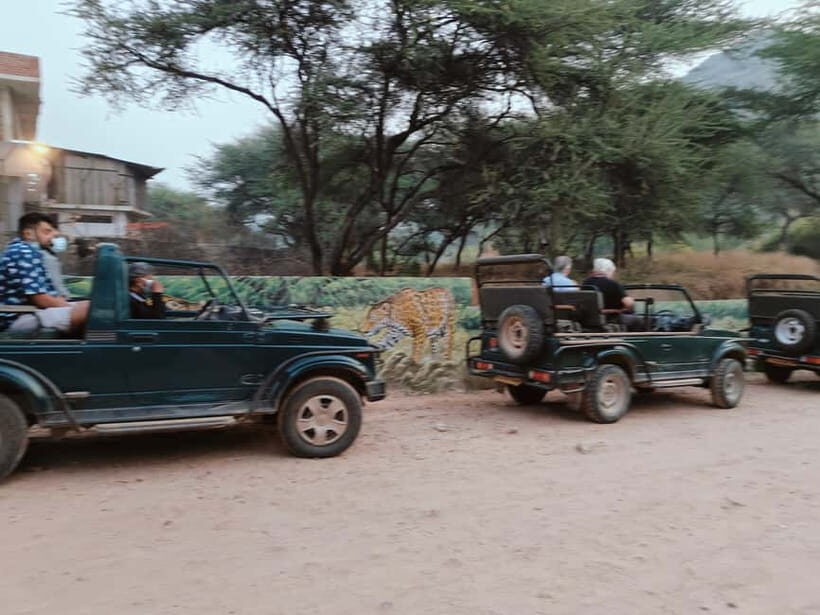
Inside the reserve, you’re not just driving straight lines. You’re moving through a living habitat with vegetation, uneven ground, and animals that don’t check your calendar.
A good guide/spotter approach is to:
- slow down when signs show up
- use patience when they spot tracks or movement patterns
- position the jeep so you can see without blocking others
Many participants describe guides working hard to find leopards, even on days when sightings are slow. In a reserve like this, that effort matters because animals can be hidden at eye level, behind thorny brush or in areas that look empty until you know what to scan for.
And yes, you might spend time waiting. Sometimes that waiting pays off with a close view. Sometimes you’ll wait for a sleeping animal to wake, then move on. If you hate waiting, bring something to keep you calm: snacks and water, a fully charged phone, and a mindset that wildlife doesn’t perform on schedule.
Elephant Village Park Add-On: Worth It or a Trap
The tour offers an Elephant Village Park visit if you choose that option. But the package also states that activity with elephants is not included.
That combination is important. You might think you’re paying for elephant interaction, but the listed inclusion is a park visit, not elephant activities.
Here’s my practical advice: treat the elephant option like a separate decision you control.
- If you want a simple visit only, be very clear what’s included before you pay for upgrades.
- If the sales push starts mid-visit, pause. You’re allowed to say no to higher-priced interaction packages.
Some people felt rushed or pressured when they didn’t choose the most expensive interaction tier. Even if your preferences are different, the lesson is the same: elephant experiences can turn into a payment maze. Go in knowing what you’ll accept.
Photography and Comfort: Pack Like You Mean It
This tour is built around seeing wildlife through brush. So pack to help your eyes and your camera.
Bring these:
- camera (and extra storage if you shoot a lot)
- binoculars (strongly recommended for distant animals)
- comfortable clothes
- water (a bottle is included)
Binoculars can make the difference between a blurry idea and a real observation. When you’re spotting from a jeep, you often see movement before you see the animal clearly. Binoculars help you identify faster, which helps you get better photos.
Clothing matters because winter can surprise you. Bring layers even if you start the day in warm weather. A hat can help too when you’re sitting in open or semi-exposed jeeps.
One more rule: no smoking. It’s a wildlife reserve, so follow it and keep air clean for everyone.
Price and Value: Does $60 Buy You Real Wildlife Time?
$60 per person for a private pickup, a jeep safari, entrance charges, and included water sounds reasonable when you price it in city terms. You’re not only paying for the jeep. You’re paying for:
- transport from Jaipur and back
- tolls and parking handled for you
- safari vehicle access inside the reserve
- reserve entrance charges
- all taxes
Where you should be honest with yourself is expectations. You’re paying for a well-run wildlife search. You’re not buying a guaranteed leopard sighting. Leopard sightings can’t be promised, and the tour states there’s no refund if leopards aren’t seen.
So think of the value as follows:
- If you want controlled access, a 4×4 inside the reserve, and someone handling driving and positioning, this package is easy money.
- If you’re extremely budget-minded and comfortable self-arranging transport and entry, you might spend less by handling logistics on your own. That said, you lose the convenience factor and the guided spotting support.
For many people, the “easy button” is what makes the price feel fair.
Who Should Book This Safari (and Who Should Skip It)
This safari is a strong fit if you:
- want a day in the Aravali foothills without leaving Jaipur for long
- care about wildlife viewing and photography
- appreciate guided searching and jeep positioning
- can handle the reality that leopards are wild animals, not a scheduled show
It may not be ideal if you have animal allergies. A safari in a reserve means close exposure to natural conditions and wildlife presence.
It’s also not perfect for people who want non-stop action every minute. Some days are about patience, waiting, and small sightings that still feel rewarding once you’re out there.
Solo travelers generally report feeling safe with punctual, professional drivers. If you’re traveling alone and want comfort plus support, this private setup is a good match.
Small Details That Make the Day Run Smooth
These are the things that keep the safari from becoming a hassle:
- Your pickup can be from your hotel or another Jaipur location, then return to the same place.
- Your driver and guide work on-site to find animals and help with viewing and photos.
- If you’re cold in winter, plan for it. People repeatedly recommend warm layers.
- You’ll get water, but food and drinks aren’t included, so plan accordingly.
- If you want extra stops like nearby sights, it’s sometimes possible with your driver if time allows, but it’s not guaranteed as a core part of the safari.
Should You Book the Jaipur Jhalana Amagarh Leopard Safari?
If your goal is a serious chance at leopard sightings close to Jaipur, I’d book it, with two conditions: dress for the temperature, and go in knowing that leopards can be elusive. The convenience alone is worth a lot, and the reserve’s scale plus its 70+ leopard population makes this more than a casual outing.
If you’re only here for guaranteed leopard photos, you’ll feel frustrated. Wildlife doesn’t work that way, and the policy is clear.
If you want a calm, organized way to spend time in the Aravali ecosystem, this is a solid choice. Just be smart about elephant add-ons, bring binoculars, and keep your camera ready.
FAQ
How long is the Jhalana Amagarh Leopard Reserve safari?
The full experience runs about 3.5 to 8 hours total. The time spent on the 4×4 safari inside the park is about 2:15 to 2:45 hours.
Where does the tour start?
It starts in Jaipur with pickup from your hotel or another location in Jaipur. You return to the same place afterward.
Is hotel pickup and drop-off included?
Yes. Hotel pickup and drop-off are included by private vehicle, with an air-conditioned vehicle for the transfer.
Is the 4×4 jeep safari included?
Yes. The safari includes a 4×4 jeep experience, and a private safari in a 4×4 Gypsy is included if that option is chosen.
Can I guarantee seeing a leopard?
No. Leopard sightings cannot be guaranteed, and money will not be refunded if leopards are not seen.
What animals might I see besides leopards?
The reserve may have leopards, panthers, spotted deer (chital), blue bull (nilgai), hyenas, civets, mongooses, foxes, jackals, porcupines, snakes, and various other animals and birds.
What should I bring?
Bring a camera, water, comfortable clothes, and binoculars for better wildlife viewing.
Is food or drinks included?
No. Food and drinks are not included.
Are elephant activities included?
Activity with elephants is not included. A visit to Elephant Village Park is listed only if you choose that option.
Do I need to send passport details?
Yes. You must send your passport via WhatsApp or email after booking to obtain entry into the park.