REVIEW · DHARAMSALA
Guided Tibetan Culture Walk at Norbulingka,Gyuto and Nunnery
Book on Viator →Operated by Himachal Bylocals · Bookable on Viator
Three temples. One calm walk.
This guided Tibetan culture walk in Dharamsala gives you a rare, practical feel for how Buddhism lives in the foothills of the Dhauladhar. You start at Norbulingka Institute, tied to the Dalai Lama’s government-in-exile, then continue to Dolma Ling and Gyuto, where the focus is on learning, ritual, and daily monastic life. I like that the day is built around real places and real context, not just photos.
Two things I especially like: first, the group stays small (up to 15), so your guide can actually answer questions as you go. Second, the walking pace is steady and the explanations make the places easier to understand, even if you’re new to Tibetan culture. Bottled water is included too, which sounds minor until you’re on a hill walk and want one less thing to think about.
One consideration: it’s a 3-hour walking tour with short time at each stop (about 30 to 40 minutes), and entrance fees are not included for Norbulingka Institute (foreigners: ₹200). Also, the experience requires good weather, so plan for a rain-ready mindset.
In This Review
- Key highlights you’ll feel right away
- Norbulingka Institute: where Tibetan exile life has a public face
- Dolma Ling Nunnery: a quieter, non-sectarian stop with character
- Gyuto Karmapa Temple: tantric study and ritual arts in focus
- The 3-hour flow: small-group walking that fits real travel days
- What’s included—and where costs can sneak in
- Meeting point and logistics you should plan for
- How to get the most out of the walk (without overdoing it)
- Who should book this walking tour, and who might skip it
- Should you book this guided Tibetan culture walk?
- FAQ
- How long does the guided walk last?
- How much does the tour cost?
- What is included in the price?
- Are there entrance fees at the sites?
- Where do we meet for the tour?
- If I cancel or if the weather is bad, what happens?
Key highlights you’ll feel right away
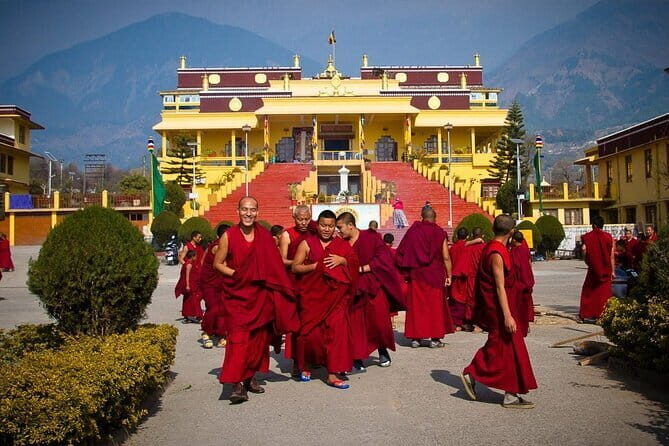
- Norbulingka Institute as your starting point connects the spiritual and political side of Tibetan exile life
- Dolma Ling (non-sectarian) nunnery stop adds a different perspective from the more famous monasteries
- Gyuto Karmapa Temple ties you to tantric study and ritual arts traditions
- Small group size (max 15) makes the guide’s answers actually land
- Short, paced visits work well if you want culture without losing your whole day
- Bottled water included helps you stay comfortable on the walk
Norbulingka Institute: where Tibetan exile life has a public face
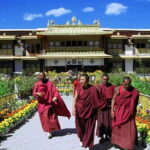
Norbulingka Institute is a strong place to begin because it frames what you’re about to see. Dharamsala is known as the home base for the Dalai Lama, who runs his government in exile from here. Starting at Norbulingka means you’re not just touring buildings; you’re stepping into a living story of displacement, faith, and community.
You get about 30 minutes here, so come ready to pay attention rather than linger. If you like understanding the meaning behind places, this first stop sets the tone fast. It also helps to know the practical part: admission at Norbulingka Institute isn’t included for foreigners, with an entry fee of ₹200 per person. I’d budget for that when you calculate your real tour cost.
A small timing note matters. The tour runs about 3 hours total, and traffic and timing can shift transfer time a bit. If you’re the type who likes to take your time at one spot, this tour is best when you treat it as a guided introduction—then you can return later on your own if something pulls you in.
You can also read our reviews of more walking tours in Dharamsala

Dolma Ling Nunnery: a quieter, non-sectarian stop with character
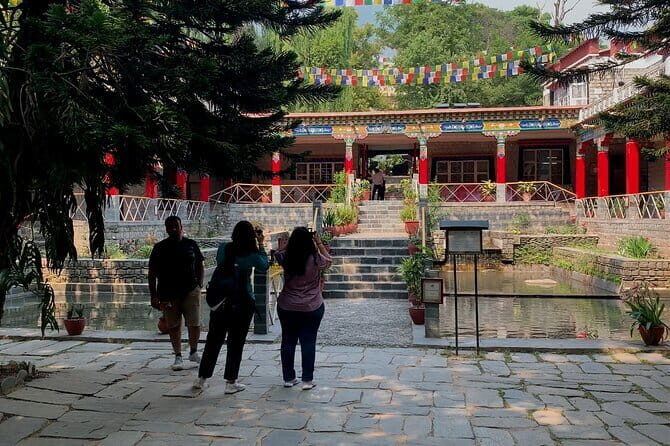
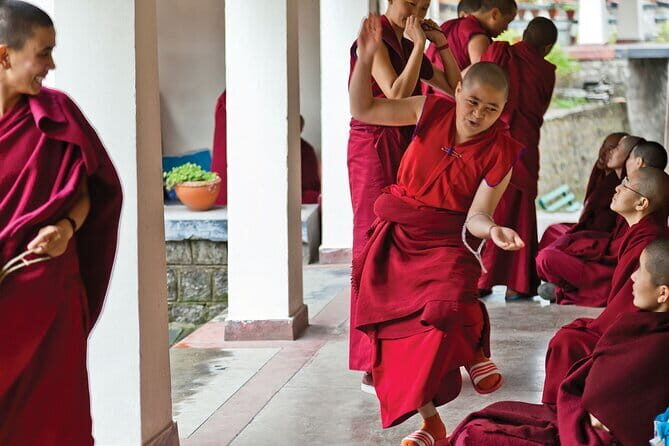
After Norbulingka, you head out on a walk toward Dolmaling (Dolma Ling) Nunnery. This is a different vibe: it’s described as a non-sectarian nunnery in the Kangra valley near Dharamsala. That word matters. It suggests you’re not seeing one single tradition line presented as the only option—you’re seeing monastic life shaped by study, practice, and community rhythm.
You’ll have around 30 minutes at this stop, which is enough time to notice how the setting feels and to learn what your guide points out. The nunnery stop also helps break up the day so it doesn’t feel like you’re just moving from one temple door to another. If you prefer more thoughtful pauses over constant sightseeing, this part of the walk tends to be the one people remember.
Practical tip: dress in smart casual. It’s not about being fancy. It’s about being respectful and comfortable for walking and for being in sacred spaces.
Gyuto Karmapa Temple: tantric study and ritual arts in focus
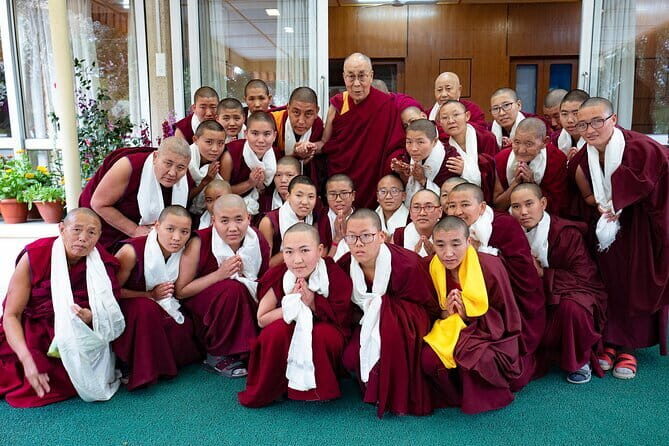
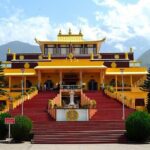
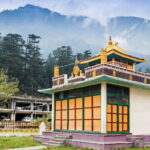
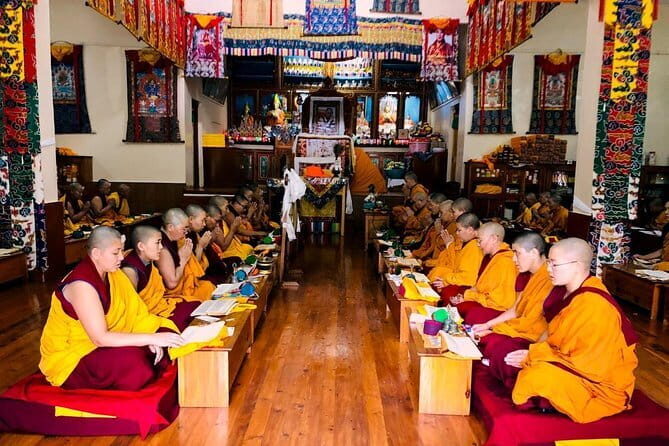
The final major stop is Gyuto Karmapa Temple / Gyuto Monastery area, with about 40 minutes here. This is where the tour shifts into a more specific kind of Buddhism education: Gyuto is known for its study of tantric meditation, tantric ritual arts, and Buddhist philosophy. You also get a sense of the tradition’s age and continuity, since Gyuto is described as being founded in Tibet in 1474.
If you’re someone who likes when a visit has a clear theme, this stop delivers. A lot of temple visits are about architecture or general worship. Here, the emphasis is on learning and practice—how teachings are studied, how ritual arts connect to meditation, and how philosophy is lived through daily monastic routine.
A drawback to keep in mind: your time is limited. Forty minutes can feel short if you want to read every explanation and sit longer. Think of it as a guided orientation. If tantric study is a topic you want to explore further, this stop can be the seed that helps you choose what to do next in Dharamsala.
Also note that entrance here is not included in the tour price, so factor in ticket costs on the day if you end up paying for entry separately.
The 3-hour flow: small-group walking that fits real travel days
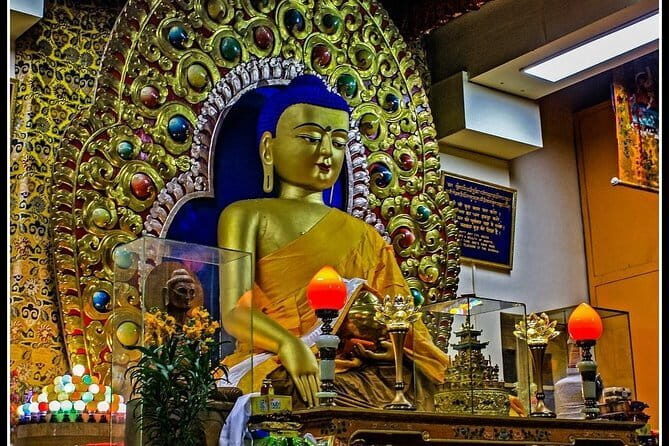
This tour is designed to feel like a manageable block in a busy destination. You’re looking at about 3 hours total, and the walking tour format keeps things active without turning into an all-day hike.
Why I think this timing works: Dharamsala can take effort to explore—hills, short distances that still feel like climbs, and weather changes. A 3-hour cultural walk lets you get meaningful context at three sites without draining the rest of your day. You can pair it with a relaxed meal plan after, or use the time before or after for viewpoints and markets.
Group size also matters. With a maximum of 15 travelers, your guide from Himachal Bylocals can keep the pace human. You’re less likely to feel like a number in a big bus group. And in places where meaning matters (monasteries and spiritual sites), that makes a real difference.
One more practical detail: transfers are approximate. Traffic and time of day can affect how long things take. If you’ve got another activity right after, don’t schedule it with zero buffer.
What’s included—and where costs can sneak in
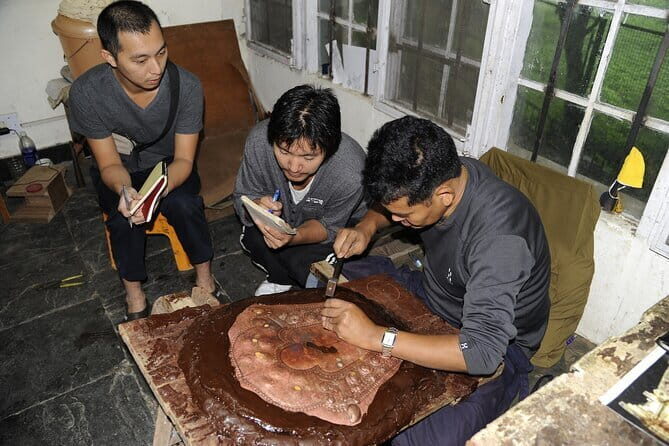
The tour price is listed at $31.00 per person, which is quite reasonable for a guided, multi-stop walk in a place where tickets and local knowledge can add up. Here’s what’s included:
- Bottled water
- All activities
- Local guide
- Walking tour
What’s not included:
- Food and drinks
- Hotel pick up and drop off
- Entrance fees: Norbulingka Institute fees for foreigners (₹200 per person)
That last line is the big one. Even with the tour cost being low, your final spend will be nudged upward once you account for tickets. If you budget $31 plus the Norbulingka entrance fee for foreigners, you’ll avoid that last-minute surprise.
Also, plan on handling your own snacks if you need them. Food isn’t included, and with just three short stops, you might still feel hungry by the end if you’re coming from a light morning.
You can also read our reviews of more guided tours in Dharamsala
Meeting point and logistics you should plan for
You meet at Norbulingka Institute, Temple Rd, Sidhpur, Mohli Lahrandi, Himachal Pradesh 176057, India, and the activity ends back at the meeting point.
That matters more than it sounds. Because hotel pick up and drop off are listed as not included, you should be ready to get yourself there. If you’re staying somewhere in the Dharamsala area, ask your provider when you book about the exact best way to reach the meeting spot, especially if you’re traveling without a private vehicle.
The tour also uses a mobile ticket, and confirmation comes at booking time. All of that is simple—just make sure you have the ticket accessible on your phone before you head out.
How to get the most out of the walk (without overdoing it)
This is a culture-and-faith walk, not a checklist sprint. The best results come from a mindset shift: instead of just looking, let your guide translate what you’re seeing into meaning.
Here’s what helps:
- Ask questions as you go. The guide’s explanations make more sense when you connect them to what you notice in front of you.
- Keep an eye on time at each stop. The 30–40 minute slots are part of the structure, so don’t plan to linger long enough to fall behind.
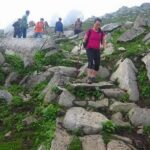
- Wear shoes you trust on uneven ground. The tour is described as a walking tour, and the sites are around hilly Dharamsala.
- Keep your mood calm. Monasteries and nunneries are working places. Moving quietly helps you feel less rushed and more respectful.
And because the experience requires good weather, I’d come prepared to adjust. If clouds roll in or rain starts, the operator may change plans—so have a flexible attitude.
Who should book this walking tour, and who might skip it
Book it if:
- You want a guided introduction to Tibetan culture in Dharamsala over just a few hours
- You like when a local guide explains context as you walk between sites
- You prefer a small group (up to 15) over big tours
- You’re curious about tantric study and ritual arts, not just general temple sightseeing
You might skip it if:
- You want a full, slow visit where you can spend long hours reading and sitting
- You’re not comfortable with a walk and short time at multiple locations
- You’re traveling at a time when rain is likely and you hate weather uncertainty
Should you book this guided Tibetan culture walk?
I’d call this a smart-value option for first-time visitors to Dharamsala who want real meaning, not just sightseeing stamps. With a local guide, a small group, and three thematically different stops, you get a guided story arc—starting with Norbulingka’s exile-life context, moving through Dolma Ling’s nunnery perspective, and ending with Gyuto’s tantric study focus.
Just be honest about two things before you click book: budget for the Norbulingka foreigner entrance fee (₹200) and plan around weather. If you can do those, you’ll likely come away with a better sense of what these places are for, not just what they look like.
FAQ
How long does the guided walk last?
It runs for about 3 hours.
How much does the tour cost?
The price is $31.00 per person.
What is included in the price?
The tour includes bottled water, all activities, a local guide, and the walking tour.
Are there entrance fees at the sites?
Entrance fees are not included. Norbulingka Institute has a foreigner fee of ₹200 per person.
Where do we meet for the tour?
The meeting point is Norbulingka Institute, Temple Rd, Sidhpur, Mohli Lahrandi, Himachal Pradesh 176057, India. The tour ends back at the same meeting point.
If I cancel or if the weather is bad, what happens?
This experience is non-refundable and cannot be changed for any reason. If the tour is canceled due to poor weather, you’ll be offered a different date or a full refund.