REVIEW · NEW DELHI
Golden Triangle Tour: 3 Days, 3 Iconic Cities–Delhi,Agra & Jaipur
Book on Viator →Operated by QT India Tours · Bookable on Viator
Sunrise at the Taj sets the tone. This 3-day Golden Triangle tour ties together Delhi, Agra, and Jaipur with private air-conditioned transport plus 4–5★ hotels and daily breakfast. The main trade-off is simple: the schedule is tight, and lunch and dinner are on your own.
I like that you get professional guidance in all three cities, so big-name sights make sense fast instead of feeling like a checklist. In Jaipur, guides such as Huzi and Saad have been specifically praised for clear architecture explanations and even helpful photo coaching.
One more thing to consider: you’ll spend meaningful time on the road across days, including the long Delhi-to-Agra transfer. If you prefer slow travel, this format may feel like too many highlights in too few hours.
In This Review
- Key things to know before you go
- Golden Triangle in 3 days: the value, pace, and who it fits
- Day 1 in Delhi: Old Delhi spice smells, Mughal landmarks, and Qutub Minar height
- Old Delhi highlights and the Jama Masjid courtyard
- Humayun’s Tomb and the architecture bridge toward the Taj
- Qutub Minar and Rajpath viewpoints
- Day 1 ending: transfer to Agra
- Day 2 in Agra: Taj Mahal sunrise, Agra Fort, and Fatehpur Sikri on the way
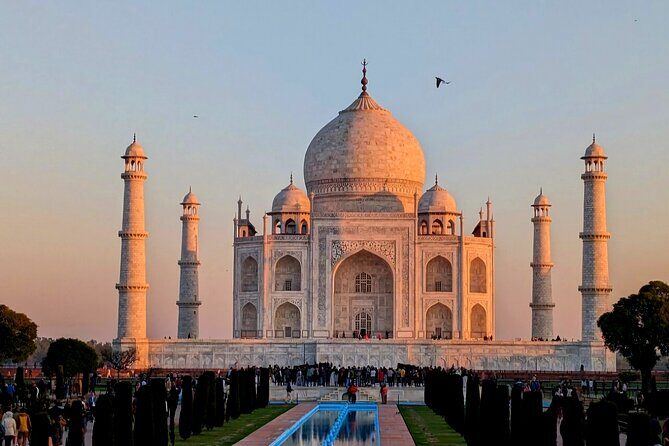
- Taj Mahal sunrise: the included admission moment
- Breakfast and checkout, then Agra Fort
- Arts & Life stop: structured time with local artisans
- Fatehpur Sikri: why an abandoned city is still worth it
- Day 3 in Jaipur: Amber Fort carvings, City Palace artifacts, and Jantar Mantar’s stone instruments
- Amber Fort: hilltop architecture plus mirror work details
- City Palace: palace spaces and a museum angle
- Hawa Mahal: the windows that tell a story
- Water palace: a calm break with lake views
- Jantar Mantar: astronomy you can see
- Back to Delhi
- What the included hotel, private transport, and tickets actually do for your trip
- Budget reality: what costs extra and how to plan it simply
- Should you book this Golden Triangle Tour?
- FAQ
- What’s included in the price?
- Are monument tickets included?
- Do I get pickup and a mobile ticket?
- What about meals besides breakfast?
- How do you travel between Delhi, Agra, and Jaipur?
- What hotels will I stay in?
- Is free cancellation available?
Key things to know before you go
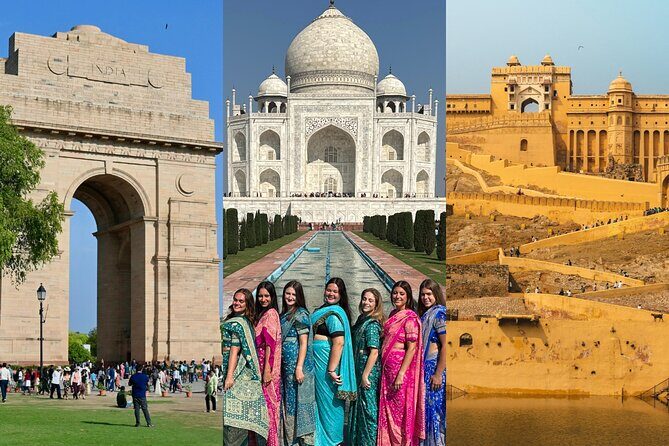
- Taj Mahal sunrise with admission included gives the most magical light, without you hunting for tickets.
- Delhi’s Mughal mix: Jama Masjid, Humayun’s Tomb, and Qutub Minar connect the dots across centuries.
- Old Delhi by rickshaw ride adds texture beyond monuments, especially around the spice market area.
- Agra Fort + Fatehpur Sikri keeps Day 2 from being only Taj.
- Amber Fort to Jantar Mantar in Jaipur covers fort, palace, city planning, and astronomy.
- Private vehicle + expert guides mean less stress than self-planning a route across three cities.
Golden Triangle in 3 days: the value, pace, and who it fits
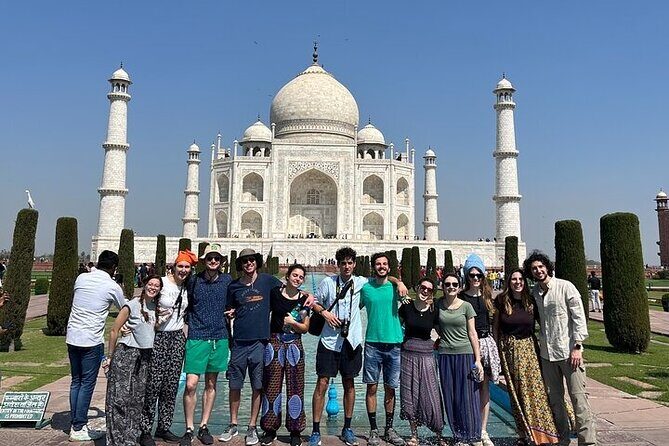
This is a classic India first-timer route, but with the practical parts handled for you. For about $226.68 per person, you’re getting 2 nights in 4–5★ hotels, a private air-conditioned vehicle, professional guides in Delhi/Agra/Jaipur, daily breakfast, monument tickets, and even water. That’s the core value: you pay for the “logistics headache” to be sorted out, not just for sightseeing.
The pace is the big reality check. You’re moving between cities and packing in multiple major sites each day. Delhi to Agra happens the same day as your Delhi sightseeing finish, then the itinerary runs again the next morning for the Taj sunrise. By Day 3, you’ll be back on the road toward Delhi after the Jaipur highlights.
This tour is a strong fit if you:
- want a first look at the Delhi–Agra–Jaipur triangle without making a transport plan yourself
- like being guided through major monuments, especially for architecture and symbolism
- prefer a private vehicle so you can keep your group together and avoid ticket-and-taxi juggling
If you hate early mornings, or you want free time every afternoon to wander at your own speed, you may feel rushed.
You can also read our reviews of more tours and experiences in New Delhi



Day 1 in Delhi: Old Delhi spice smells, Mughal landmarks, and Qutub Minar height
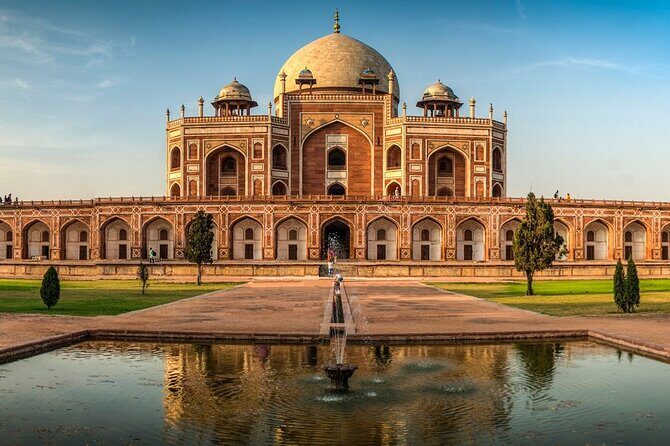
Delhi on this route is built around a good mix: old-world scale, Mughal architecture, and one of India’s most famous early monuments.
Old Delhi highlights and the Jama Masjid courtyard
Your Day 1 starts with New Delhi pickup and hotel departure, then moves into Old Delhi with stops including Jama Masjid. It’s a huge Mughal-era mosque built by Shah Jahan in the 17th century, and the courtyard is the kind of space where your brain has to recalibrate to the scale of the place.
Then you get a rickshaw ride through Old Delhi, timed for the sensory side of the city: the spice market area, with dried goods and herbs filling the air with strong, layered smells and colors. This is one of the easiest ways to add “real Delhi” texture to a short tour.
Humayun’s Tomb and the architecture bridge toward the Taj
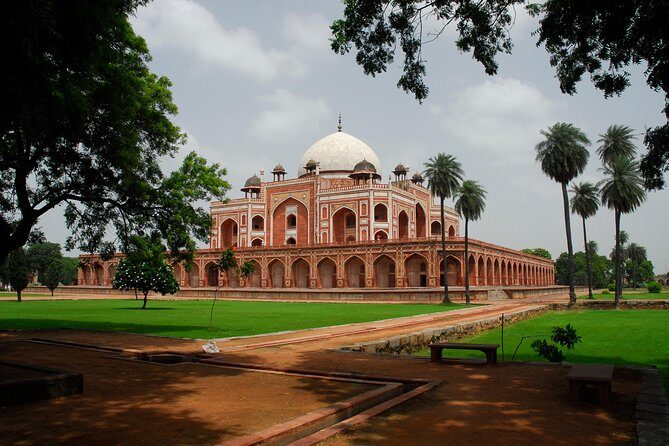
After Old Delhi, you head toward Humayun’s Tomb. This 1570 garden tomb matters because it’s a precursor to the architectural style that later shows up in the Taj Mahal. In plain terms, it helps you understand the Taj instead of just admiring it as a standalone icon.
Qutub Minar and Rajpath viewpoints
Later comes Qutub Minar, the UNESCO World Heritage site tower rising about 73 meters. Even if you’re not a monument nerd, it’s hard not to feel the craftsmanship in the tower’s stonework and the feeling that you’re looking at the start of a long architectural story.
You also stop at Raj Ghat, the memorial dedicated to Mahatma Gandhi. It’s a quieter moment in the middle of a very active day, and it gives the trip an emotional pause before you shift back into sightseeing.
The day also includes a few “drive past” moments along Rajpath, including India’s President’s residence. These are short, but they help you get oriented in the city’s layout.






Day 1 ending: transfer to Agra
At the end of the day, you drive to Agra and check into your hotel for an overnight stay. That matters because the next morning’s Taj Mahal sunrise requires an early start, and you don’t want to be commuting across town at dawn.
Day 2 in Agra: Taj Mahal sunrise, Agra Fort, and Fatehpur Sikri on the way
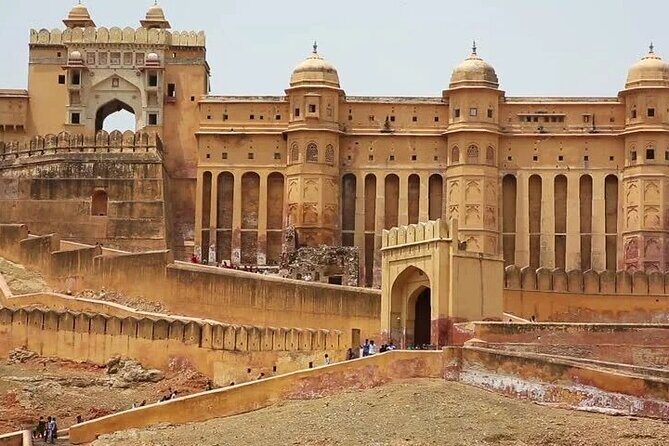
Agra is the heart of the Golden Triangle, and this itinerary is smart about how it schedules it. The day is designed so you don’t just see the Taj—you see it when it’s at its most atmospheric.
Taj Mahal sunrise: the included admission moment
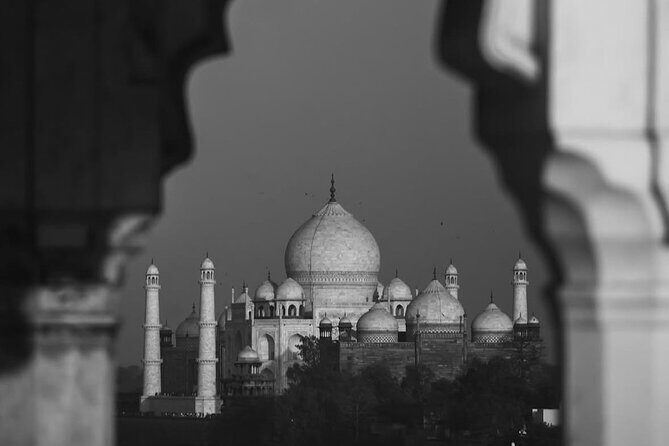
The tour starts with sunrise at the Taj Mahal with admission included. Sunrise timing is the difference between “pretty postcard building” and a more emotional, glowing experience. If you’ve only ever seen photos taken at midday, sunrise can feel like the first time you actually understand scale.
From a value angle, this is one of the biggest wins of the tour. You’re paying for not having to coordinate timing, entry, and transportation on your own.
Breakfast and checkout, then Agra Fort
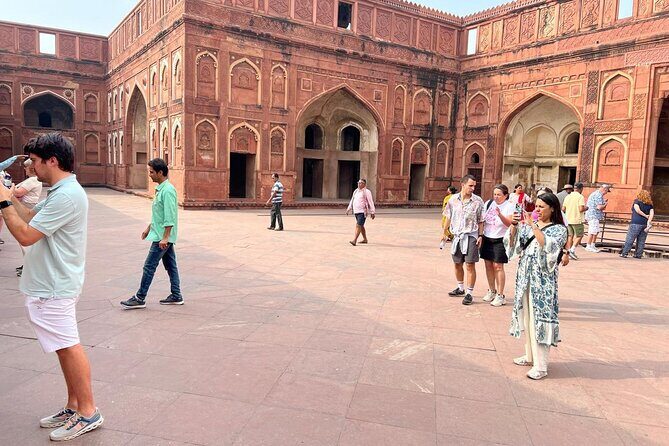
After the sunrise visit, you return to the hotel for breakfast and checkout. Then you tackle Agra Fort, another UNESCO World Heritage site tied to Mughal power. The focus here is the fort’s historical role plus the architectural complexity you won’t get from a single look at the Taj.
Arts & Life stop: structured time with local artisans
You also have time labeled for Arts & Life, designed for a local artisan stop. It’s a useful change of pace between major monuments. Instead of rushing from one landmark to the next, you get a chance to see traditional crafts connected to what you’ve been seeing all week.
Fatehpur Sikri: why an abandoned city is still worth it
On the way to Jaipur, you stop at Fatehpur Sikri, an abandoned city and UNESCO site. This is a great mid-trip add-on because it expands the story beyond just Delhi and Agra. You’ll see how cities can rise, thrive, and then be left behind—often leaving behind strong architectural clues about what mattered at the time.
The day ends with the drive into Jaipur in the evening and another overnight at your hotel.
Day 3 in Jaipur: Amber Fort carvings, City Palace artifacts, and Jantar Mantar’s stone instruments
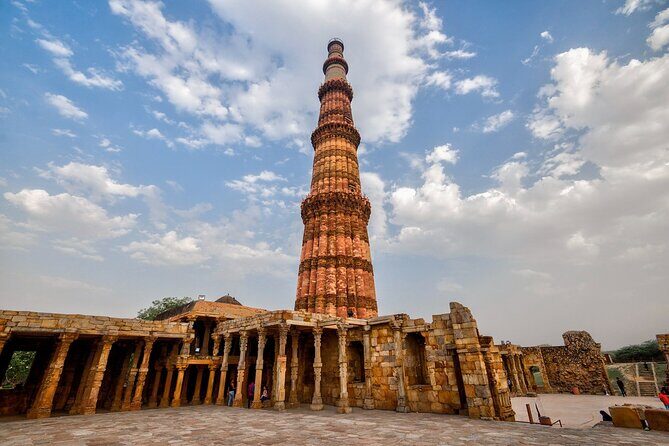
Jaipur is where the tour leans into variety. You get big forts, royal residences, a famous facade, and an astronomy stop—so it’s not only about royal buildings but also about how the city understood space and time.
Amber Fort: hilltop architecture plus mirror work details
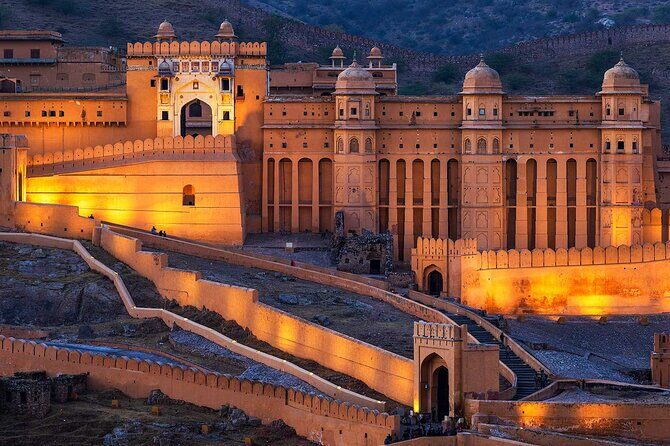
Start with breakfast, then head to Amber Fort for about two hours. This is one of Jaipur’s top stops for a reason. The fort combines Hindu and Rajput architecture with intricate carvings and mirror work, plus courtyards that make the place feel like a functioning world, not just a museum shell.
If you only have one “fort moment” in Jaipur, this is the one the schedule chooses—and it’s a good pick.
City Palace: palace spaces and a museum angle
Next is City Palace of Jaipur, where Mughal and Rajput elements blend. You’ll spend time exploring courtyards and gardens, and there’s also a museum component with royal artifacts. This stop is valuable because it bridges the look of royalty with the objects that explain how royal life worked.
Hawa Mahal: the windows that tell a story
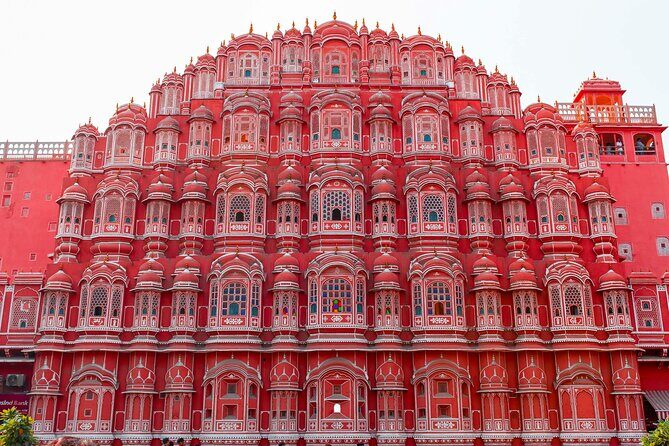
Then you visit Hawa Mahal (Palace of Wind). It’s known for its pink sandstone facade and the famously large number of small windows—953—built so royal women could observe street life without being seen. Even if you’re not studying the details, the idea is clever and very specific, and it helps you see the building as a device, not just a photo backdrop.
Water palace: a calm break with lake views
You also stop at a water palace set in Man Sagar Lake. This is the itinerary’s slower beat on Day 3, and it’s helpful after the heavier fort-and-palace blocks. You get a scenic pause while staying on schedule.
Jantar Mantar: astronomy you can see
The day finishes with Jantar Mantar, an 18th-century astronomical observatory. You’ll see stone instruments used to measure time, predict eclipses, and track stars. This is one of those stops that feels different from a typical “look and leave” monument visit. It turns science into something physical.
Back to Delhi
After completing the Jaipur sightseeing, you drive back to Delhi, with drop-off at your desired location. The transfer takes about 4 hours, so plan your energy accordingly if you’re connecting to a later flight or train that same day.
What the included hotel, private transport, and tickets actually do for your trip
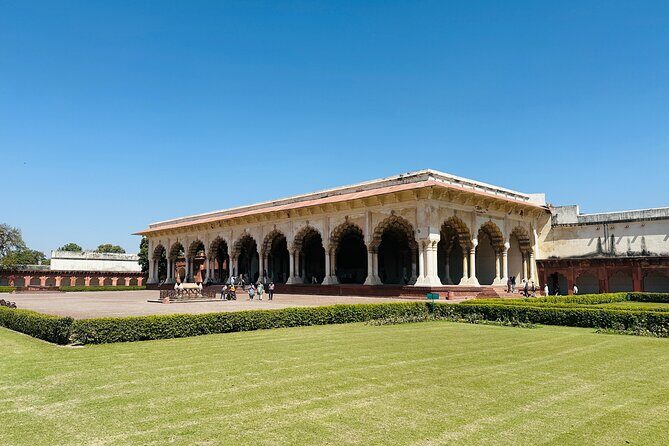
It’s easy to say “private vehicle” on paper. What it means in real life is that you’re not constantly negotiating routes, waiting for taxis, or figuring out which stop is closest to which ticket counter.
Here’s what you’re specifically buying with this package:
- Air-conditioned private transportation for city-to-city travel and between stops
- Professional guides in Delhi, Agra, and Jaipur, which is huge for interpreting architecture and symbolism
- Monument tickets included for the major sites marked in the plan
- Daily hotel breakfast and free water to keep you from dealing with basic needs during busy hours
- 4–5★ hotel stays for 2 nights, so you’re not scrambling for lodging at the exact moment you arrive in each city
One more practical detail: you get mobile tickets, which can reduce friction when you’re moving quickly across sites.
And from the experience feedback you provided, the human element matters. In Jaipur, Huzi and Saad were called out for calm, clear explanations of architecture, plus hands-on help with photos. That’s exactly what you want from a guide on a compressed itinerary: fewer confusion points, more understanding per minute.
Budget reality: what costs extra and how to plan it simply
Lunch and dinner are not included. That’s not a dealbreaker, but it matters because you’ll be going from one major site to the next on a set schedule, and you probably won’t have time to “hunt for the cheapest meal.”
Personal expenses and tips are also not included, so you’ll want a small buffer.
How I’d think about it: since the package covers hotels, transport, guides, tickets, and breakfast, your extra spending becomes mostly about meals and personal items. It’s a cleaner budget than a do-it-yourself trip where you might accidentally overspend on taxis, entrance fees, and last-minute convenience.
Should you book this Golden Triangle Tour?
If you want a high-structure, low-stress Golden Triangle in just 3 days, I’d say this tour is worth a look. The sunrise Taj Mahal, the full set of Delhi/Agra/Jaipur highlights, the private AC vehicle, and the fact that monument tickets and breakfast are handled make it feel like a well-run bundle, not a barebones bus tour.
I’d skip or reconsider if:
- you strongly prefer unplanned time
- early mornings will ruin your vacation rhythm
- you want lunch/dinner handled for you, with no budgeting surprises
If you’re arriving with limited time and you want the big icons to feel meaningful (not just seen), this itinerary has the right mix of major monuments, supporting sites like Humayun’s Tomb and Fatehpur Sikri, and an astronomy stop in Jaipur to round out the story.
FAQ
What’s included in the price?
You get 2 nights in 4 or 5-star hotels (based on your selection), a private air-conditioned vehicle, professional tour guides in Delhi, Agra, and Jaipur, daily breakfast, complementary water, and tickets to monuments.
Are monument tickets included?
Yes. The tour includes tickets to monuments, including major stops like Jama Masjid, Humayun’s Tomb, Qutub Minar, Raj Ghat, the Taj Mahal, Agra Fort, Amber Fort, City Palace, and Jantar Mantar.
Do I get pickup and a mobile ticket?
Pickup is offered, and the tour includes a mobile ticket.
What about meals besides breakfast?
Breakfast is included daily. Lunch and dinner are not included, so you’ll plan and pay for meals separately.
How do you travel between Delhi, Agra, and Jaipur?
You travel using a private air-conditioned vehicle, with transfers timed between the sightseeing days (including a drive to Agra on Day 1 and a drive to Jaipur via Fatehpur Sikri on Day 2).
What hotels will I stay in?
You’ll stay for 2 nights in 4 or 5-star hotels based on your selection.
Is free cancellation available?
Yes. You can cancel up to 24 hours in advance for a full refund. If you cancel less than 24 hours before the start time, the amount paid is not refunded.