REVIEW · NEW DELHI
From Delhi: 4-Day Private Golden Triangle Tour India
Book on GetYourGuide →Operated by Travel Creators Of India · Bookable on GetYourGuide
Four days, three cities, one focused storyline. A private driver and a daylight Taj Mahal make this tour feel efficient, not chaotic. You’ll move from Delhi’s old streets to Agra’s Mughal icons and then on to Jaipur’s royal sights, with a guide who keeps the stops tied together.
I love that you get a private guide at the major sites, not a mixed group shuffle with vague directions. That kind of help matters in India’s biggest historic cities, where the details can get lost fast. I also like the built-in transport moments: a battery bus to the Taj and back, plus a rickshaw ride through Old Delhi.
One possible drawback is the fixed pace. The route adjusts on specific weekdays because the Taj Mahal is closed on Fridays, and on Mondays Red Fort and Lotus Temple are closed.
In This Review
- Key things to notice before you book
- Why this 4-day Golden Triangle is good value for private comfort
- Day 1: Delhi pickup to Agra for Taj Mahal in daylight
- Day 2: Fatehpur Sikri ruins, Chand Baori stepwell, then Jaipur arrives
- Day 3: Amber Fort, City Palace, Hawa Mahal, and Jantar Mantar
- Day 4: Old Delhi Jama Masjid and Chandni Chowk rickshaw, then New Delhi icons
- Weekday closure note you should plan around
- The guides: why private really changes the experience
- Transportation and comfort: the small inclusions that reduce stress
- Money, tickets, and what to carry so you’re not stuck
- Who should book this Golden Triangle tour (and who might not)
- Should you book this 4-day private Golden Triangle from Delhi?
- FAQ
- What is included in the tour?
- Are entrance fees included?
- Are meals included?
- Do we ride a rickshaw and a battery bus?
- What happens if I travel on a Friday?
- What happens if I travel on a Monday?
- Where does airport pickup happen in Delhi?
- What languages can the guides speak?
- What vehicle will we use for different group sizes?
Key things to notice before you book

- Daylight Taj Mahal plus Agra Fort and Baby Taj: a big one-day hit with practical transport help
- Fatehpur Sikri and Chand Baori on the road: Mughal grandeur and stepwell geometry en route to Jaipur
- Jaipur’s main highlights in one sweep: Amber Fort, City Palace, Hawa Mahal, and Jantar Mantar
- Old Delhi + New Delhi contrast: Jama Masjid, Chandni Chowk rickshaw, then India Gate and Lotus Temple
- Vehicle size matches your group: sedan for 1–2, Innova for 3–5, Tempo Traveler for 6–10
- Guides in multiple languages: English, French, Russian, Spanish, Japanese, and German
Why this 4-day Golden Triangle is good value for private comfort
At $58 per person for a 4-day private Golden Triangle, the headline is speed plus comfort. You’re covering Delhi, Agra, and Jaipur with a private air-conditioned car and driver, so you’re not trying to piece together transport between cities on your own.
You’re also not doing this as a “wander and hope” trip. The tour includes a private guide at all sites, plus bottled water and tolls/taxes/driver charges. Those small inclusions can add up quickly when you’re paying separately for guides and transit.
The big thing to watch is what’s not included: entrance fees and meals are extra. Also, accommodation is only included if you select the option that includes 3 nights (with breakfast if you choose that add-on). If you like eating on your own schedule, that’s fine—just budget for it.
You can also read our reviews of more private tours in New Delhi



Day 1: Delhi pickup to Agra for Taj Mahal in daylight
Your trip starts with a pickup from your Delhi area hotel or from the airport. If you’re arriving by air, the driver meets you at Terminal 3, Exit Gate 4, holding a placard with your name.
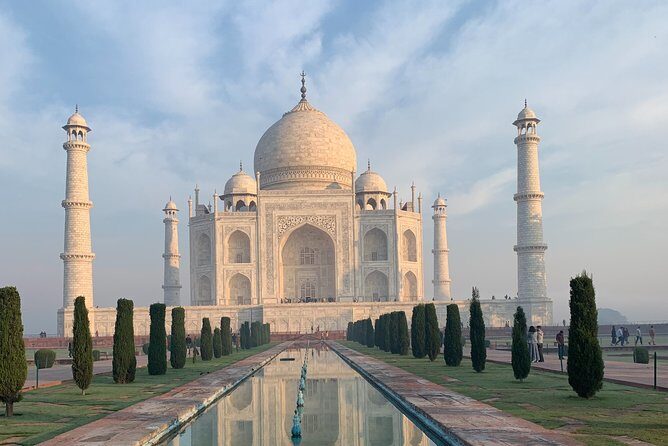
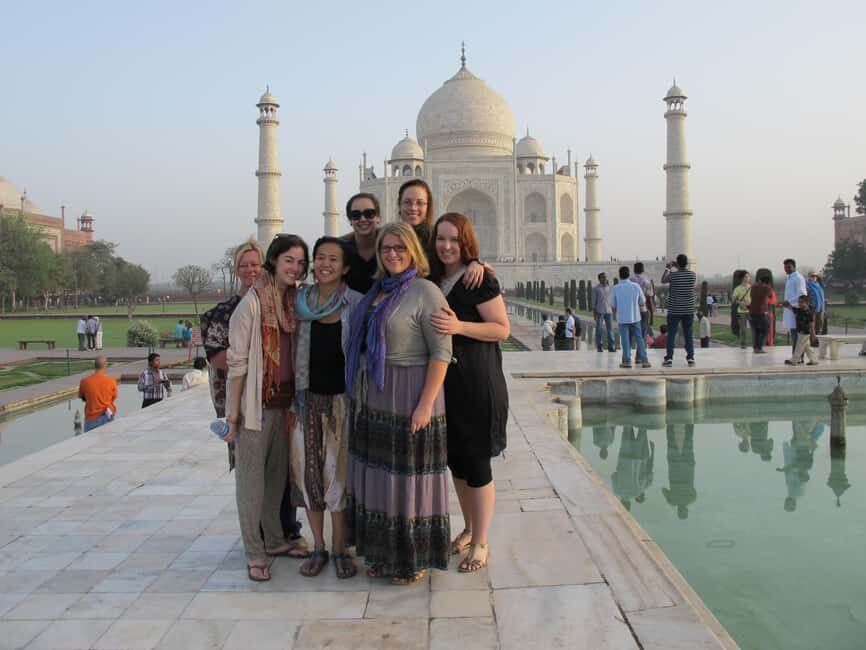
Then you head to Agra. This day is built around the Taj Mahal at daylight, which is when most people can actually enjoy the details: the marble surfaces, the calligraphy, and the symmetry. A private guide helps you read what you’re seeing, instead of just taking photos and moving on.
Practical win: the tour includes a battery bus ride to the Taj Mahal and back and also notes skipping the ticket line. That means less time stuck in queues and more time for the actual visit. Add in bottled water and you’ll be able to handle the heat and walking without a frantic scramble.
After the Taj, you continue to Agra Fort. This UNESCO site reflects Mughal power in a way that feels grounded: walls, courtyards, and structures you can walk through and connect to what you already learned from your guide. Then you finish with the Baby Taj (Itimad-ud-Daulah), known for its marble “jewel box” look and intricate inlay work. It’s a more delicate stop than the main monument, which makes it a good way to pace your day.
Overnight stay is in Agra, so you’re not rushing to fit in another city before the sights even cool down.
Day 2: Fatehpur Sikri ruins, Chand Baori stepwell, then Jaipur arrives
After breakfast, you drive toward Jaipur with two strong stops built in. This is a smart way to break up the long transfer day, because both places give you a totally different visual experience than the Taj.
First is Fatehpur Sikri. You’ll walk through silent courtyards of an abandoned Mughal capital. The payoff is perspective: it helps you understand ambition and retreat as real forces, not just stories in books. Even if you’re not a history nerd, the scale of the complex makes it easy to grasp why it mattered.
Next comes Chand Baori in Abhaneri. This is one of those sights that hits you in the head the moment you see it: a deep stepwell arranged with strict geometry. It’s not a palace or a temple in the typical sense, but the precision is the point. You’re essentially looking at how people solved water and space problems centuries ago—and made it look impressive doing it.
By evening you arrive in Jaipur, often described as the Pink City. In a short tour like this, that last-mile arrival is important: you get a real evening base before another heavy day.
Day 3: Amber Fort, City Palace, Hawa Mahal, and Jantar Mantar
This is your full Jaipur day, and it’s organized like a greatest-hits circuit. You start with Amber Fort, where you can see why forts became royal power centers. The views across the hills help, but the real value is learning how the fort layout connects to administration, defense, and lifestyle.
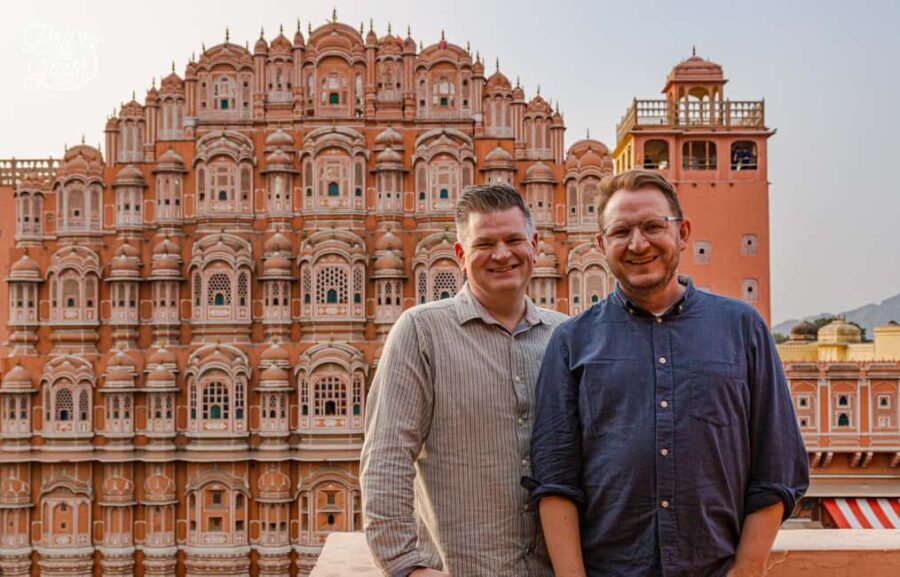
Then you visit the City Palace, a complex that feels more lived-in than a single monument. From there it’s on to Hawa Mahal (Palace of Winds). The famous honeycomb façade is the star here, and the guide helps you understand how it functioned beyond looks.
After that, you’ll see Jantar Mantar, the observatory. This is where the tour adds a different kind of interest: science and measurement made visible. It’s also a great contrast after forts and palace walls, because you shift from symbols of power to instruments meant to track the sky.
Later, you drive back to Delhi for an overnight stay. In a 4-day trip, it keeps you from wasting time the next morning on another transfer.
Day 4: Old Delhi Jama Masjid and Chandni Chowk rickshaw, then New Delhi icons
Your last day is split between old and new—so you get both the human-scale streets and the capital’s big landmarks.
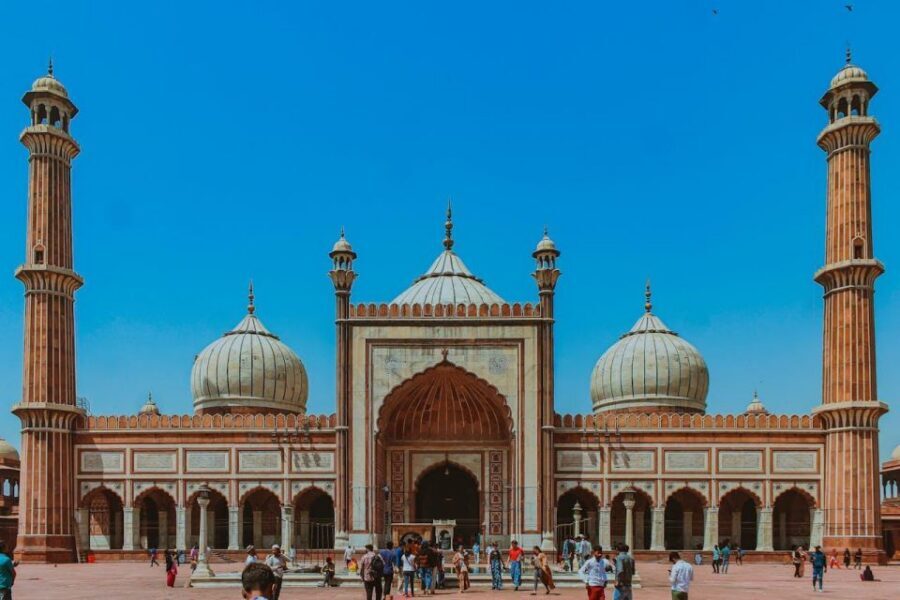
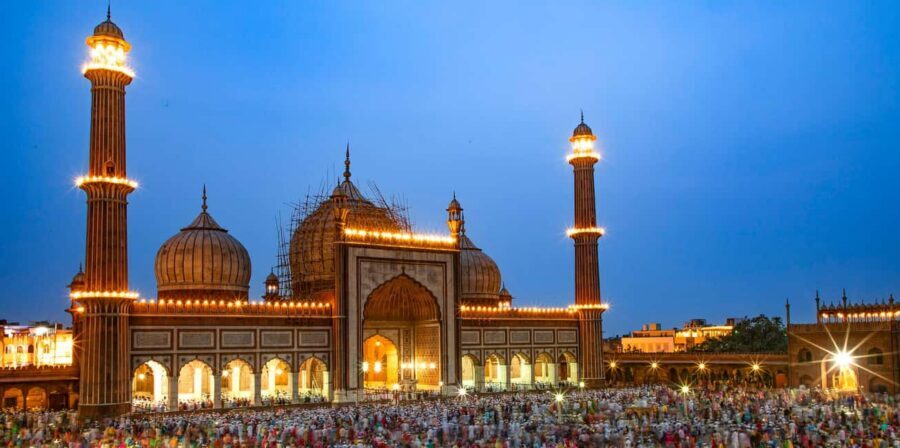
You start with Jama Masjid. It’s a commanding structure, but what matters most is how the space pulls you toward the surrounding street life. Next comes a rickshaw ride in Old Delhi around Chandni Chowk. This included ride is worth paying attention to because it’s not just “transport”—it helps you feel the rhythm of the lanes without doing all the walking at the end of your trip.
You also see views of the Red Fort. On Mondays, the tour changes based on closures (more on that in a minute), but on normal days you’ll get the key sights as part of the drive and viewpoint flow.
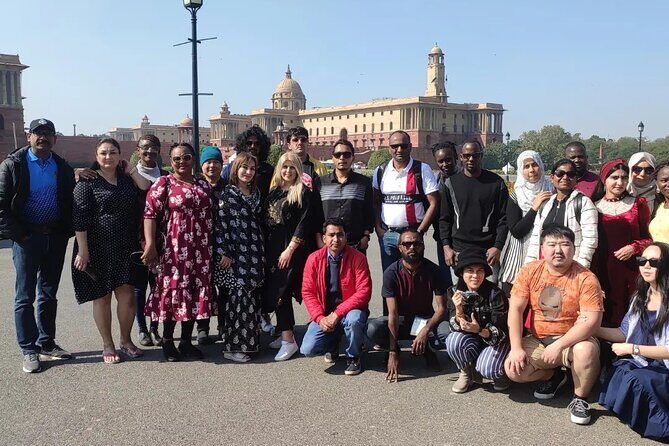
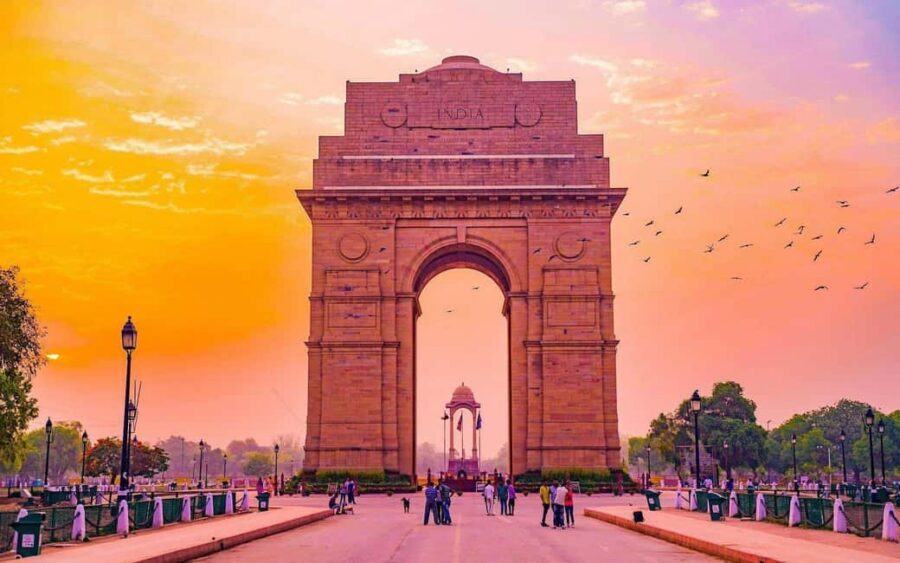
Then it’s time for New Delhi. You’ll visit India Gate, Rashtrapati Bhavan, and the Lotus Temple—all places that help you understand the city’s later, planned layout. Your final stop is either Qutub Minar or Humayun’s Tomb, depending on the day’s schedule.
You end with a drop-off at your hotel or at the Delhi Airport, so you’re not stuck figuring out final-day logistics.
You can also read our reviews of more tours and experiences in New Delhi






Weekday closure note you should plan around
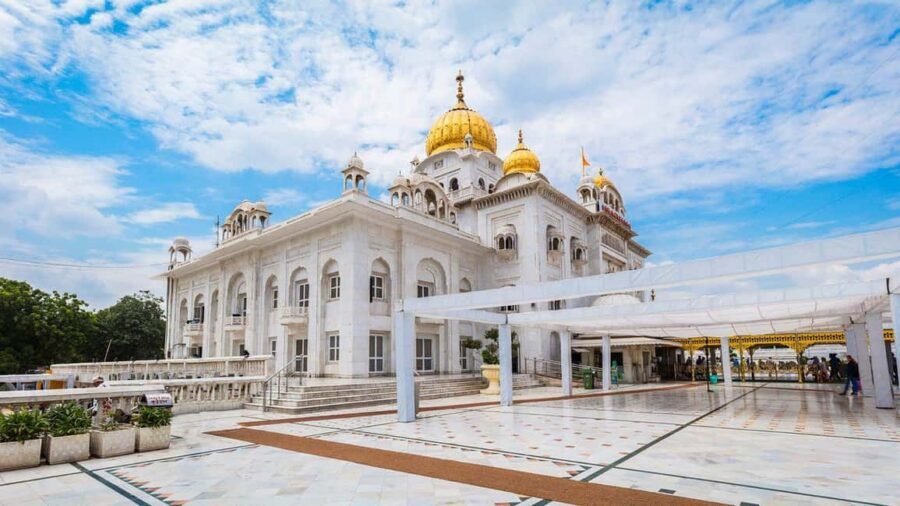
The schedule isn’t the same every day because some major sights are closed on certain weekdays. If your day falls on Friday, the tour route adjusts to Delhi → Jaipur → Agra → Delhi since the Taj Mahal is closed. If it falls on Monday, Red Fort and Lotus Temple are closed, and Gurudwara Bangla Sahib is visited instead.
This matters because it changes travel order, not just what you see.
The guides: why private really changes the experience
The difference with private guidance shows up in details you might otherwise miss: why a building is where it is, what a façade is trying to communicate, and how to connect one monument to another.
In particular, the tour has a track record with guides like Saif, who has been praised for strong English and clear explanations. One review also paired Saif with driver Hari, highlighting the smooth, hospitable way they handled what people needed, when they needed it. Another guide, MS, was noted for being funny and helpful and for taking great photos, which sounds small until you realize how often people struggle to get good shots in fast-moving spots.
Even if you don’t care about trivia, a good guide helps you move through crowds with less friction. It also helps you ask better questions as you go—because you know what to look for.
Transportation and comfort: the small inclusions that reduce stress
This is a private car setup, so you’re not negotiating public transit across three cities. That alone makes the tour easier, especially if you’re dealing with jet lag or want to avoid wrestling with directions.
Your vehicle depends on group size:
- 1–2 guests ride in a 3-seater sedan (Toyota Etios or similar)
- 3–5 guests ride in a 6-seater wagon (Toyota Innova or similar)
- 6–10 guests ride in a 10-seater van (Tempo Traveler)
Two other stress-reducers are included: a battery bus to and from the Taj and the rickshaw ride in Old Delhi. Those are the kinds of things that can turn a packed day into a manageable one—because the alternative is often more walking than you expect.
You’ll also get bottled water during the tour, plus tolls/taxes/driver charges are covered. That means fewer micro-decisions during the day.
Money, tickets, and what to carry so you’re not stuck

Entrance fees are not included, and some monuments do not accept cards. That’s a practical heads-up: carry cash in INR for ticket purchases. The guide can help with finding an ATM if needed, but it’s easier if you arrive prepared.
If you want to keep the day moving, plan your cash like this:
- Bring enough for the main ticketed sites you’ll visit
- Keep small bills handy for quick purchases
Also, bring your passport and wear comfortable shoes. These cities involve a lot of walking, and you’ll want your feet to agree with you.
One more seasonal note: a Gala Dinner surcharge applies from December 24 to January 4, including Christmas Eve and New Year’s Eve. If you’re traveling in that window, build extra budget for it.
Pets are not allowed.
Who should book this Golden Triangle tour (and who might not)
This tour is a strong fit if you:
- Want a private setup with a dedicated guide at major sites
- Prefer a structured 4-day schedule over planning logistics yourself
- Like seeing the big icons—Taj Mahal, Agra Fort, Jaipur forts and palaces—without skipping the key Delhi stops
It might feel less ideal if you:
- Want long, slow museum time in each city
- Expect meals and entrance fees to be fully included in the tour price
- Travel on a day when closures affect your must-see list, and you don’t like route adjustments
For many people, the trade-off is worth it. You get a lot of North India in a short window, with fewer headaches than DIY travel.
Should you book this 4-day private Golden Triangle from Delhi?
If your goal is to see Delhi, Agra, and Jaipur with private transport, private guiding, and included “friction reducers” like the battery bus and Old Delhi rickshaw, then yes, it’s a sensible booking. The price point also suggests good value for what you’re getting—especially because guide support is included at the sites.
Just go in with clear expectations. Entrance fees and meals are extra, cash in INR helps, and weekday closures can shift the order of cities. If you’re okay with that and you like an efficient plan, this is one of the easier ways to do the Golden Triangle properly.
FAQ
What is included in the tour?
You get hotel or airport pickup and drop-off, a private air-conditioned car with a driver, and private guides at all sites. The tour also includes tolls, taxes, driver charges, bottled water, a rickshaw ride in Old Delhi, and a battery bus ride to the Taj Mahal and back. Three nights accommodation and daily hotel breakfast are included only if you select those options.
Are entrance fees included?
No. Entrance fees are not included in the tour price.
Are meals included?
Meals and beverages are not included.
Do we ride a rickshaw and a battery bus?
Yes. You’ll have a rickshaw ride in Old Delhi and a battery bus ride to the Taj Mahal and back.
What happens if I travel on a Friday?
The Taj Mahal is closed on Fridays. If your tour falls on a Friday, the route adjusts to Delhi → Jaipur → Agra → Delhi.
What happens if I travel on a Monday?
On Mondays, Red Fort and Lotus Temple are closed. The tour visits Gurudwara Bangla Sahib instead.
Where does airport pickup happen in Delhi?
For Delhi Airport arrivals, the driver meets you at Terminal 3, Exit Gate 4, holding a placard with your name.
What languages can the guides speak?
Guides are available in English, French, Russian, Spanish, Japanese, and German.
What vehicle will we use for different group sizes?
For 1–2 guests, it’s a 3-seater sedan (Toyota Etios or similar). For 3–5 guests, it’s a 6-seater wagon (Toyota Innova or similar). For 6–10 guests, it’s a 10-seater van (Tempo Traveler).