REVIEW · NEW DELHI
Delhi Private City Tour: Customize your own
Book on Viator →Operated by INDIA TAJ TOURS · Bookable on Viator
Delhi can feel like a maze.
That’s why this private customizable 6-hour tour is such a practical way to see a lot without getting worn out. You choose up to four stops, control how long you stay at each one, and ride in an air-conditioned car with a guide’s commentary, plus bottled water and umbrellas. I like the door-to-door pickup (even from the airport), because you spend less time figuring out logistics and more time actually looking at Delhi. I also like that the guide work is live and personal, with examples like Deepanshu Jain (noted for strong history knowledge) and other guides highlighted as friendly and careful with details. One thing to watch: admission tickets are not included, so you’ll want to budget a bit extra for whatever combination of monuments you pick.
The best part is that Delhi’s big landmarks are spread out, and a fixed group tour can leave you either rushing or bored. Here, you can build your own flow—Old Delhi markets today, then modern memorials tomorrow (or both in the same day if you’re efficient). It’s also a good match if you’re traveling solo or with a small group, because the tour stays focused on your pace.
One more practical note: because you only have about six hours, you’ll get the best results if you pre-decide what matters most—architecture, history, food streets, or photo time—then let your guide shape the schedule around that.
In This Review
- Key highlights worth planning around
- Why this customized 6-hour Delhi day works
- Pickup, car, and how to make time count
- The Qutub complex: Adham Khan Tomb and Qutub Minar
- Tomb of Adham Khan (inside the Qutub complex area)
- Qutub Minar
- Hauz Khas Village: where old water history meets Delhi life
- Old Delhi hits: Chandni Chowk, Jama Masjid, and Red Fort
- Pasar Chandni Chowk (Chandni Chowk)
- Jama Masjid
- Red Fort
- New Delhi monuments and Gandhi memorials: India Gate to Raj Ghat
- India Gate
- Rashtrapati Bhavan
- Gandhi Smriti
- Raj Ghat
- Gardens and major UNESCO-style monuments: Humayun’s Tomb and Lodhi Garden
- Lodhi Garden
- Humayun’s Tomb
- Temples across eras: Swaminarayan Akshardham, Lotus Temple, and the Sikh shrines
- Swaminarayan Akshardham
- Lotus Temple
- Gurudwara Sis Ganj Sahib
- Gurudwara Bangla Sahib
- One “mix-and-match” caution: what to drop when you’re short on time
- What’s included, and what you’ll likely pay extra for
- Guides and pacing: what to expect from a private historian-style day
- Should you book this Delhi private custom tour?
- FAQ
- How long is the Delhi private customizable tour?
- How many attractions can I visit during the tour?
- Do you offer pickup and drop-off from anywhere in Delhi?
- Is there a private guide and private vehicle?
- Are admission tickets included for the monuments?
- What’s included in the tour price?
- Where does the tour start?
- Can I cancel for a full refund?
Key highlights worth planning around
- Up to four attractions in six hours so you can actually breathe, not just pose and sprint
- Pickup and drop-off anywhere in Delhi, including the airport
- Private air-conditioned car + chauffeur makes long distances feel manageable
- Live guide commentary with examples of guides praised for history context and clear English
- Complimentary bottled water and umbrellas, useful in sun or sudden showers
- Mobile ticket for easier check-in
Why this customized 6-hour Delhi day works
Delhi is two cities in one day: Old Delhi’s crowded lanes and big Mughal-era landmarks, plus New Delhi’s wide avenues, grand government buildings, and planned gardens. The trick is not seeing everything—it’s choosing the right mix that fits your energy. This tour’s design does that for you, because you pick how long you stay at each stop and can steer the day toward what you actually care about.
I also like the “small menu” rule: up to four attractions. Delhi tempts you into adding one more place “just for a quick look.” That’s how you end up tired, underwhelmed, or both. Here, the time pressure is real, but it forces smart choices—like pairing one UNESCO-style monument with a nearby market, or adding a temple stop when the route makes sense.
Finally, the private format matters. You’re not waiting on a late person, arguing about walking pace, or watching a group get herded. It’s your day, driven by your guide’s sense of priorities and timing.
You can also read our reviews of more city tours in New Delhi


Pickup, car, and how to make time count
This is door-to-door sightseeing. You can be collected from any location in Delhi, including the airport, and dropped off wherever you want afterward. That’s a big deal in a city where traffic and crossing points can turn a “quick hop” into a detour. With a chauffeur and an air-conditioned vehicle, you can focus on the sights instead of the route.
You also get bottled water and umbrellas on hand. It sounds small, but it’s the kind of thing that keeps a day feeling easy. If your schedule includes open courtyards or you’re walking between monuments, having that extra comfort helps you stay in “look mode” longer.
The tour is priced at $28.20 per person for about six hours. For a private guide plus a chauffeured car, that can be solid value—especially if you’re a small group, because the private nature protects your pace. Just remember: admission tickets are not included, so your total spending will depend on which monuments you choose to enter.
One more tip: build your plan around travel time, not just attraction time. Even within New Delhi, moving between clusters (Qutub area, Old Delhi, central memorials, Humayun’s Tomb/Lodhi zone) takes time. Let your guide help you cluster stops so you’re not zig-zagging across the city.
The Qutub complex: Adham Khan Tomb and Qutub Minar
If you want an India opener that feels instantly “historic,” start in the Qutub area. This part of the city has some of Delhi’s most recognizable architecture, and it’s also a great place to learn how early Mughal and earlier Delhi-era layers connect.
Tomb of Adham Khan (inside the Qutub complex area)
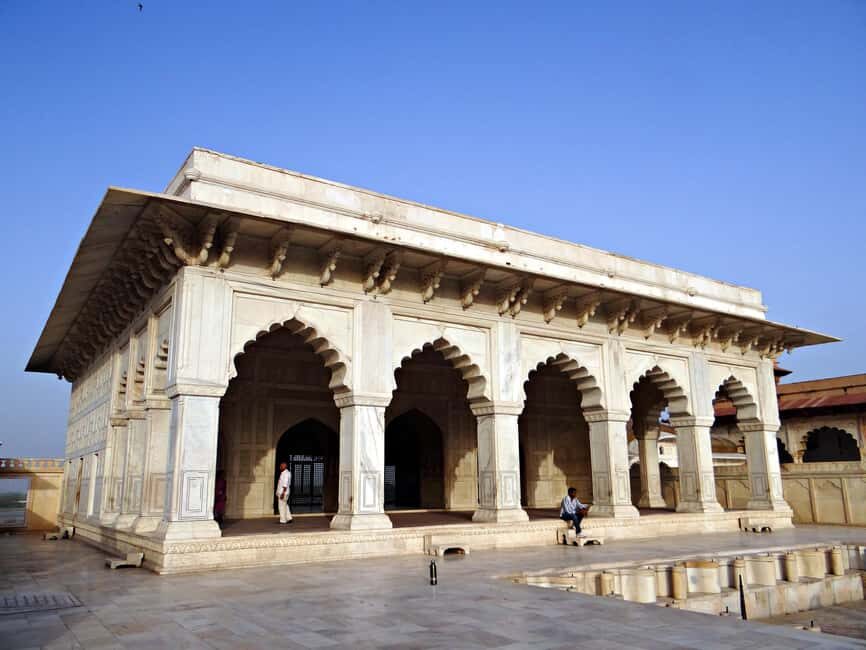
This is a giant monument from 1561, built for the youngest son of Akbar’s wet nurse. It’s not as famous as the nearby minaret, but that’s part of the appeal. You get the chance to slow down and study the details without the same level of hype. This stop pairs nicely with the big visual impact of Qutub Minar right after.
What to know: it’s listed as about one hour, and the admission ticket is not included. If your budget is tight, you can still use the time to explore the site grounds and then decide how much of the ticketed parts you want.
Qutub Minar
This is the big headline: Qutub Minar is a UNESCO World Heritage Site, built in 1192, and it’s famous as the tallest brick minaret. Even if you don’t know much architecture history, the scale hits you fast. It’s also an ideal place for a guide to explain what you’re seeing—why it looks the way it does, what surrounds it, and how that minaret fits into the broader Qutub complex.
Practical drawback: you’ll likely do some walking and looking uphill or around uneven areas. Wear comfy shoes and plan for sun exposure if you’re there midday.
You can also read our reviews of more private tours in New Delhi






Hauz Khas Village: where old water history meets Delhi life
Hauz Khas Village is a different mood from the monument-heavy morning. The word clues are right there in the name: Hauz means water tank, and Khas relates to royal. This area sits within the broader Hauz Khas complex, and it blends traditional structures with more modern-day Delhi energy.
Why it’s worth considering: after temples and tombs, this is where you can switch to casual exploring—thinking, photos, and a less formal pace. It’s also a smart stop if you want something more than “stand and look.” You’ll get a chance to see how Delhi people actually move through parts of historic spaces today.
Time note: it’s listed as about one hour. If your group is into café-style breaks, let your guide know early so they can build that into the schedule without sacrificing other must-sees.
Old Delhi hits: Chandni Chowk, Jama Masjid, and Red Fort
Old Delhi is where Delhi gets loud, close, and intense—in the best way. This tour gives you access to the big anchors, plus the market atmosphere around them.
Pasar Chandni Chowk (Chandni Chowk)
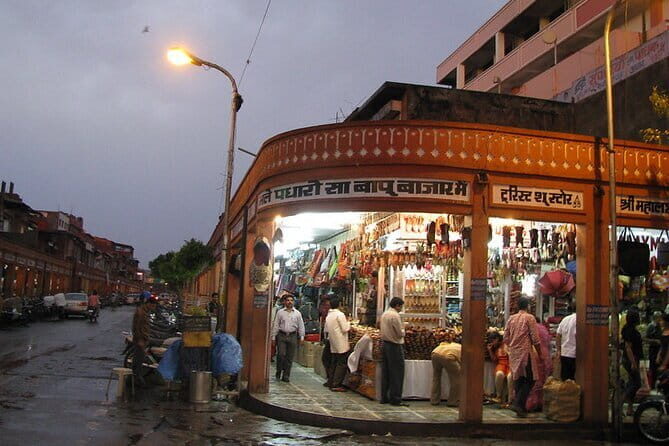
This is described as Asia’s biggest and oldest market from the 17th century. It’s known as Chandni chowk because it’s lit all the time, and there are special flea bazaars on Sundays. For a first-time visitor, this stop is useful because it lets you understand Delhi’s daily pulse through shopping streets and small stalls.
One consideration: if you’re sensitive to crowds, tell your guide. A private setting helps because you can decide how much time you want in the thick of it.
Jama Masjid
Jama Masjid (built 1656 with help from 5,000 workers) is one of the world’s largest mosques. It sits directly in front of the Red Fort, right in the middle of the Chandni Chowk area. With a guide, this becomes more than a photo spot—you’ll understand why its position and scale matter in the urban layout of Old Delhi.
Time note: about one hour. Admission tickets are not included, so plan for that in your budget.
Red Fort
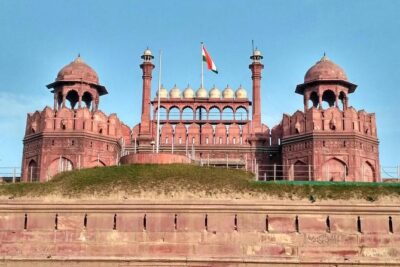
The Red Fort was the main residence of the Mughal dynasty in Delhi, and it’s also where the Indian Prime Minister hoists the national flag each year. It’s surrounded by context you can’t easily get from outside; going in (if you choose the ticketed option) makes it feel more real than just a wall and gates.
What to watch: Red Fort is listed as one hour with admission not included. If you’re balancing multiple Old Delhi stops, decide whether you want maximum time inside the fort or more time wandering the surrounding area.
New Delhi monuments and Gandhi memorials: India Gate to Raj Ghat
New Delhi can feel calmer in comparison—wide roads, big structures, and memorial spaces that invite slower thinking. This part of the tour is excellent if you want a day that mixes iconic architecture with national stories.
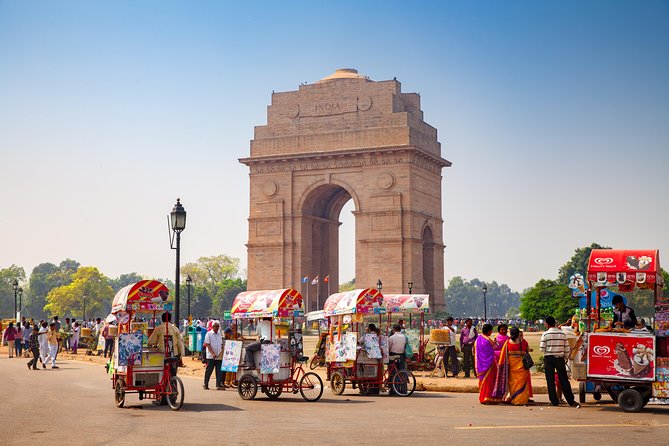
India Gate
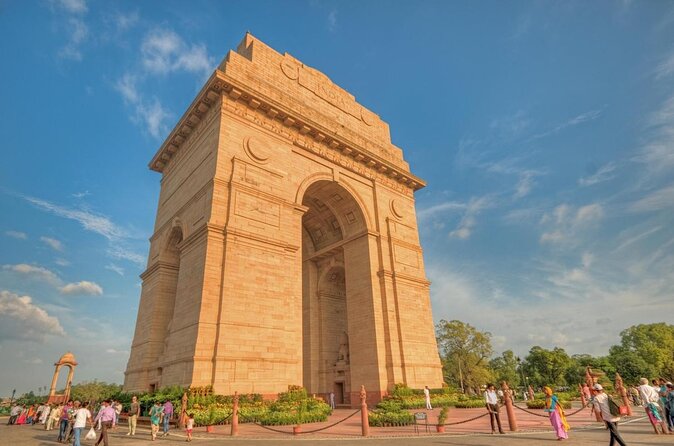
India Gate includes the Tomb of the Unknown Soldier, with names of 13,300 Indian army servicemen carved on the wall from the First World War era. There’s also an eternal flame burning as a remembrance.
It’s listed as about 30 minutes, which makes sense: this stop gives you a strong moment without taking over your whole day.
Rashtrapati Bhavan
Rashtrapati Bhavan is described as a massive 330-acre government architecture built in 1929, associated with Sir Edwin Lutyens and Herbert Baker. If you want the “planned capital” vibe, this is one of the points you shouldn’t skip.
Listed as about 30 minutes. This is more about seeing the setting and scale than a long visit.
Gandhi Smriti
Gandhi Smriti marks where Gandhi spent much of his life and where he was assassinated. It was originally the home of the Birla family (big Indian business tycoons). That shift—from private residence to memorial—adds a layer of emotion and meaning.
Listed as one hour. If you care about modern Indian history, this will likely feel like a high-impact stop.
Raj Ghat
Raj Ghat is the memorial ground dedicated to Gandhi after his assassination in 1948. It’s surrounded by other memorials, and it’s described as a reflection of Gandhi’s love for peace and nature.
Listed as one hour. It’s a good pairing with Gandhi Smriti if you want a coherent Gandhi story arc instead of scattered stops.
Gardens and major UNESCO-style monuments: Humayun’s Tomb and Lodhi Garden
If your idea of a great Delhi day includes open air and visual symmetry, this zone can be a big win. It breaks up the hard edges of forts and markets with garden-like spaces and major architectural landmarks.
Lodhi Garden
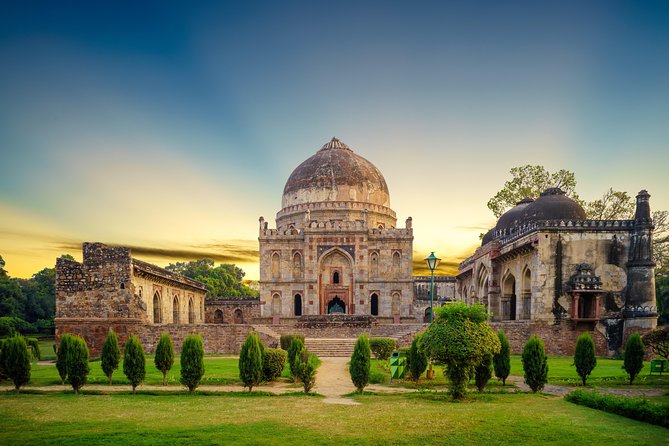
Lodhi Garden is a merge of history and nature. It’s specifically described as ideal for history plus photo time, dotted with tombs and monuments. If you want a calmer hour in the middle of a high-intensity sightseeing schedule, Lodhi Garden fits that role well.
Listed as one hour with admission not included.
Humayun’s Tomb
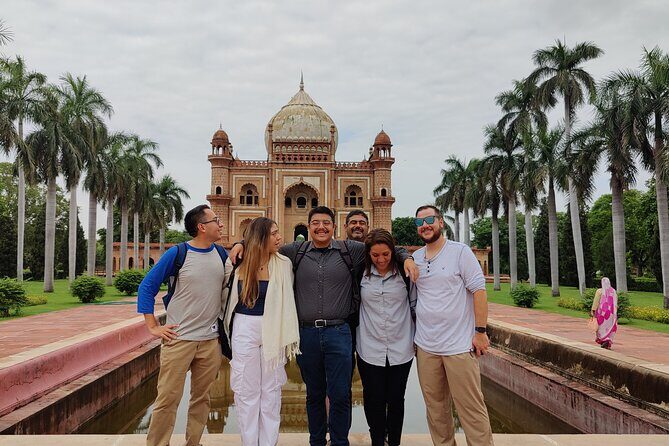
Humayun’s Tomb is UNESCO-listed and described as the first garden tomb of India, commissioned in 1569–70. The purpose is tied to his wife’s decision after his death.
Listed as one hour, and it’s a great “architecture pause” before you jump into other temples or modern landmarks.
Temples across eras: Swaminarayan Akshardham, Lotus Temple, and the Sikh shrines
Delhi has a strong spiritual geography. This tour lets you tap different faith traditions without forcing you into just one style.
Swaminarayan Akshardham
Akshardham is described as one of the biggest Hindu temples, built in 2005, featuring the idol of Swaminarayan Akshardham surrounded by precious and semi-precious stones. If you want something that feels grand and modern, this is the pick.
Time listed: one hour.
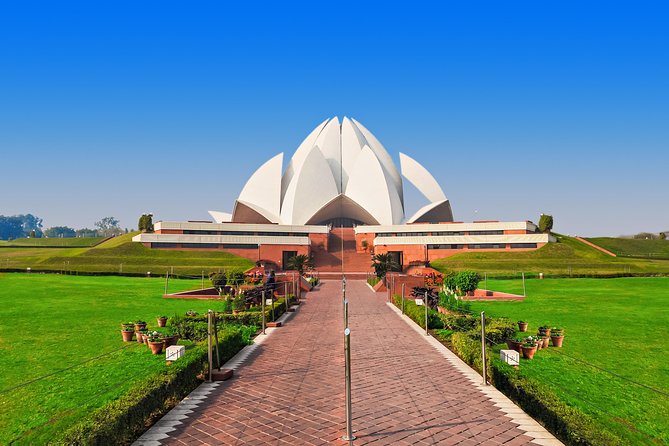
Lotus Temple
The Lotus Temple is described as the 21st-century Taj Mahal style concept, with nine lotus temples around the world. It’s connected to the Baha’i religion, where the number nine has special significance.
Time listed: one hour. This is a strong choice if you want a dramatic, different-looking landmark day.
Gurudwara Sis Ganj Sahib
This Sikh temple is dedicated to Guru Tegh Bahadur and was built in 1783 by Baghel Singh. It’s known for a sacred banyan tree, described as the national tree of India.
Listed as one hour.
Gurudwara Bangla Sahib
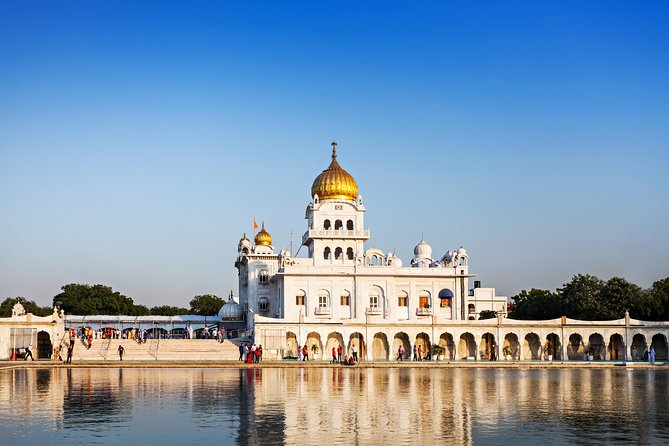
Gurudwara Bangla Sahib has a history of being transformed from an earlier ruler’s bungalow into a religious place. It’s built in the 1780s and is known for Lungar (food service) 24/7.
Listed as one hour. This stop can be a great cultural reset in the day, especially when you’ve been surrounded by stone forts and market noise.
One “mix-and-match” caution: what to drop when you’re short on time
Because you can visit up to four attractions in six hours, you’ll need to choose. The tour includes some heavy hitters that each take a full hour (Hauz Khas Village, Qutub Minar, Red Fort, Jama Masjid, Gandhi Smriti, Raj Ghat, Humayun’s Tomb, and more). If you stack too many full-hour stops, you’ll squeeze your time so much that the tour starts feeling like a checklist.
A simple approach:
- If you love architecture, pick Qutub Minar plus Humayun’s Tomb.
- If you love history tied to modern India, choose Gandhi Smriti and Raj Ghat, plus either India Gate or Rashtrapati Bhavan.
- If you love street atmosphere, pick Chandni Chowk and Jama Masjid and keep it to one “inside” monument beyond that.
If you’re unsure, let your guide help you choose based on your arrival time and the day’s pacing. Private tours are best when you’re honest about your energy level.
What’s included, and what you’ll likely pay extra for
This tour includes:
- Pickup and drop-off to anywhere in Delhi
- Private live tour guide
- Sightseeing by private air-conditioned car with chauffeur
- Parking fees, tolls, fuel, and taxes
- Complimentary water bottles and umbrellas
You should plan for:
- Meals (not included)
- Tips and gratuities
- Admission tickets (not included for the listed stops)
So while the headline price is $28.20 per person, your total day cost will depend on how many ticketed monuments you choose to enter. If you’re trying to keep costs down, you can still enjoy a lot of the sites’ external viewing and use your guide time wisely, but decide ahead of time what you want inside.
Guides and pacing: what to expect from a private historian-style day
One of the most praised parts of this experience is the guide’s ability to explain what you’re looking at. Names that show up in strong feedback include Deepanshu Jain (history-focused), Anas (kind and knowledgeable in monument explanation), and Raj (a guide who spoke perfect English and helped build a personalized plan). Others noted guides like Isha for helping choose the best sights and even recommending a great restaurant, plus Danish and Deepak for accommodating specific interests.
Even without a named guide, the format points to the same thing: you’re not just getting directions. You’re getting context—why a tomb was built, what a mosque’s position means, and how a memorial connects to India’s story.
In practice, that means the tour should feel smoother than solo sightseeing. You’ll spend less time trying to translate signs or piece together timelines from fragmented information.
Should you book this Delhi private custom tour?
I’d book it if you want maximum clarity in limited time and you like the idea of choosing your own highlights instead of being locked into a group schedule. It’s especially smart for first-time visitors who want Old Delhi landmarks like Chandni Chowk and Jama Masjid, plus New Delhi anchors like India Gate and Gandhi memorials—without managing the logistics alone.
Skip this one (or adjust expectations) if you’re chasing a super deep, slow museum-style day. The tour is designed for up to four stops in six hours, so it’s about focus and efficiency, not lingering for hours at one place.
If you’re flexible and you go in with a short list of what matters most, this is a strong value way to see a lot of Delhi without turning the day into a sprint.
FAQ
How long is the Delhi private customizable tour?
The tour runs for about 6 hours.
How many attractions can I visit during the tour?
You can visit up to four attractions, and you can choose how long to spend at each one.
Do you offer pickup and drop-off from anywhere in Delhi?
Yes. Pickup and drop-off are offered to any location in Delhi, including the airport.
Is there a private guide and private vehicle?
Yes. You get a private live tour guide and sightseeing by a private air-conditioned car with a chauffeur.
Are admission tickets included for the monuments?
No. Admission tickets are not included for the listed stops.
What’s included in the tour price?
It includes pickup/drop-off, the private live guide, private air-conditioned transportation with chauffeur, parking fees, tolls, fuel and taxes, plus complimentary bottled water and umbrellas.
Where does the tour start?
The meeting point listed is Indira Gandhi Intl Airport, New Delhi, New Delhi 110037 India.
Can I cancel for a full refund?
Yes. You can cancel up to 24 hours in advance for a full refund. If you cancel less than 24 hours before the start time, the amount you paid is not refunded.