REVIEW · NEW DELHI
Delhi Full Day Sightseeing by Car
Book on Viator →Operated by Reality Tours & Travel Pvt Ltd · Bookable on Viator
Delhi can feel like a traffic puzzle at first.
This private full-day car tour is designed to help you get your bearings fast while still seeing major landmarks in one organized loop, from Mughal icons to Sikh and Hindu worship spaces. I like the private format for your group and the fact that your guide helps you shape the day with a flexible itinerary (so you’re not stuck on a rigid checklist). One thing to keep in mind: it’s a full 8 hours, so you’ll want comfortable shoes—and you’ll also pay entry fees for some stops since tickets aren’t included for everything.
The route is smart for a first-timer day: Humayun’s Tomb, Qutub Minar, then calmer gardens and big faith sites like Gurudwara Bangla Sahib, the Lotus Temple, Gandhi Smriti, and Swaminarayan Akshardham. The vibe is guided and practical, and the reviews highlight that a guide like Vijay can tailor the pacing to your interests without turning the day into a sprint.
Below is what you can expect, what’s worth your time, and how to decide if this private car day matches your style.
In This Review
- Key Highlights You’ll Actually Feel
- Why a Full-Day Delhi Loop Works by Car
- Humayun’s Tomb: Mughal-Style Symmetry in a 30-Acre Garden
- Qutub Minar: The Tower of Victory and an Ancient Reuse Story
- Lodhi Garden: A 90-Acre Breather Between Monuments
- Gurudwara Bangla Sahib: The Peaceful Temple and the Food Machine
- Lotus Temple: Faith With a Shape You Can’t Ignore
- Gandhi Smriti: The House Where His Final Days Happened
- Swaminarayan Akshardham: Big Temple Energy Without Losing the Plot
- Price and Value: What You’re Paying For (and What You’re Not)
- How to Get the Best Day: Smart Questions for Your Guide
- Should You Book This Delhi Full Day Car Tour?
- FAQ
- What’s included in the tour price?
- Is this a private tour?
- How long is the tour?
- Which stops are included in the day?
- Are admission tickets included?
- Do I need to arrange transportation?
- Is there a ticketing method?
- Can the itinerary be adjusted?
- What if I need to cancel?
- Who is this tour best for?
Key Highlights You’ll Actually Feel
- Private day for your party only, with hotel/residence pickup and drop-off
- Flexible timing and stop order, guided by what you’re interested in
- Covering major Delhi icons in one day without the hassle of jumping between transit systems
- A strong mix of cultures and faiths, from Mughal architecture to Sikh kitchens and Hindu temples
- Several major sites listed as free, so your budget is easier to plan
Why a Full-Day Delhi Loop Works by Car
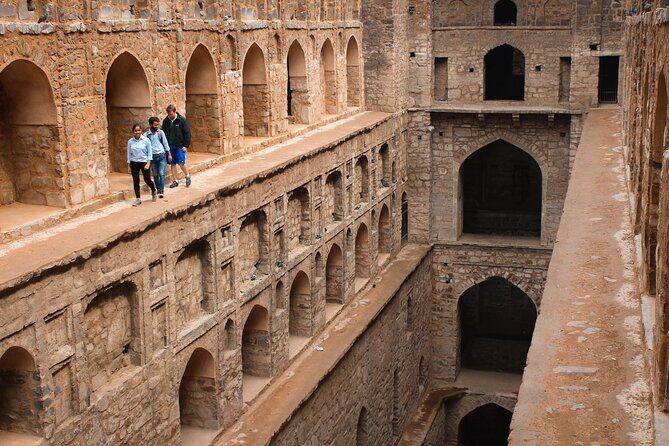
Delhi rewards planning. If you try to DIY a day of monuments plus places of worship, you’ll burn energy on logistics, not sightseeing. This is built around a simple idea: put you in a car with a local guide and driver, then use the day efficiently.
You’re not trapped in one fixed script either. The tour is set up as a private experience for your group, and you can build your itinerary with your guide’s advice. That means you can slow down where something grabs you, or adjust the day if you learn you’d rather spend longer at one site and less at another.
Also, I like that this tour isn’t just about monuments. You get a day that includes gardens, worship spaces, and a stop tied to Gandhi’s final days. That combination tends to make the city feel less like a museum and more like a place people live in.
One caution: “full day” in Delhi usually means you’ll have a rhythm of walking for stretches, breaks for entry lines (at paid sites), and road time between areas. If you hate being on a schedule, you’ll need to be mentally prepared for a lot of moving parts. The upside is that the guide handles the sequencing.
You can also read our reviews of more tours and experiences in New Delhi



Humayun’s Tomb: Mughal-Style Symmetry in a 30-Acre Garden
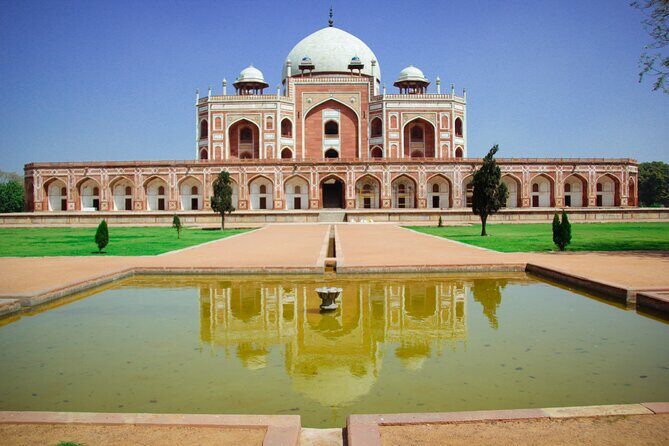
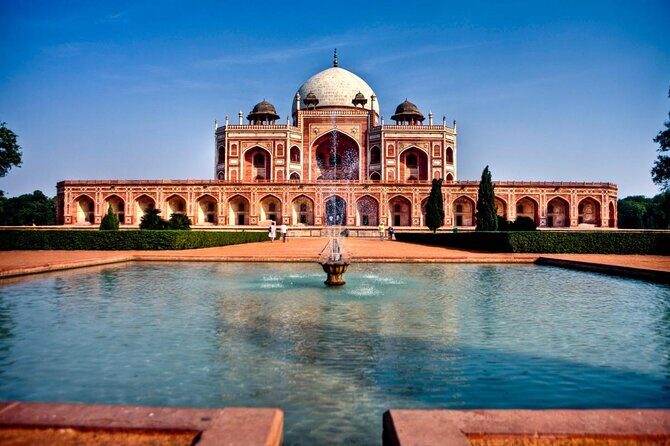
Your day starts at Humayun’s Tomb, a 16th-century monument and UNESCO World Heritage Site. It’s famous because it’s one of the earliest large-scale examples of Mughal architecture in India, and the setting helps you see why. You’re exploring within a 30-acre garden complex, which makes the whole visit feel like more than just a photo stop.
What makes this stop special is the layout. The tomb and surrounding buildings are arranged with a sense of order and scale that’s easier to appreciate when you can take your time. Even if you only spend about an hour, you’ll have enough time to walk through the key areas and get the “why is this important” context from your guide.
Timing note: the schedule gives you about 1 hour here, and admission tickets are not included. So plan for the fact that there may be time spent entering the site, and you’ll want to budget entry fees separately.
Practical advice: wear shoes you can stand in comfortably. Garden complexes can be deceptively easy to “just walk a little more,” and an hour can disappear fast if you keep turning around for viewpoints.
Qutub Minar: The Tower of Victory and an Ancient Reuse Story
Next up is Qutub Minar, a 73-meter tower of victory commissioned by the first Muslim ruler of India, Qutab-un-din Aibak. If Humayun’s Tomb gives you Mughal order, Qutub Minar gives you early grandeur—and a lot to think about.
Here’s one detail I’d want you to pay attention to: next to the tower is the first mosque built in India, created from the ruins of 27 Hindu and Jain temples. That kind of architectural reuse isn’t just trivia. It helps explain how the layers of Delhi’s past sit on top of each other, sometimes in complicated ways. A good guide will help you see that shift without getting lost in arguments.
The tour allots about 1 hour and notes that admission tickets are not included. So like Humayun’s Tomb, you should assume you’ll pay for entry here.
Practical advice: this stop is worth slowing down for. The main tower draws your eyes, but the surrounding structures and shapes matter just as much for understanding why the site is considered significant.
Lodhi Garden: A 90-Acre Breather Between Monuments

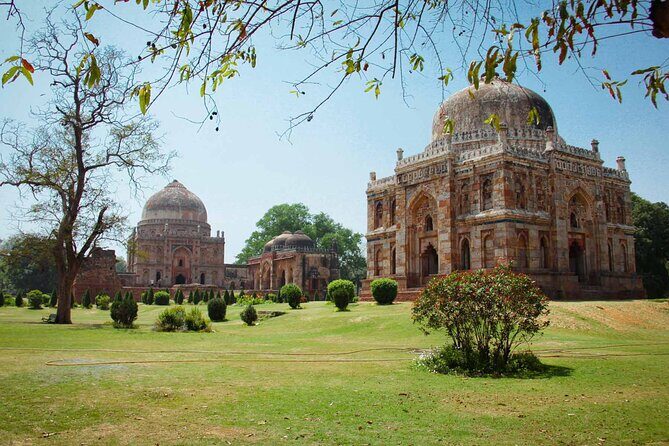
After the heavy hitters, you get Lodhi Garden, a 90-acre green space connected with tombs, mosques, and bridges built during the 15th-century Sayyid and Lodhi periods. This is the part of the day that can reset your brain.
The benefit of squeezing in a garden between paid monuments is simple: you’ll recover energy. You also get a different feel for Delhi—less “look but don’t touch,” more “walk and notice.”
The schedule gives about 1 hour, and it’s listed as free. That makes it a good value stop, especially if you’re trying to keep spending controlled.
Practical advice: bring a little patience for shade and walking pace. Gardens can be calm, but your day is still moving. If your guide is flexible, ask for the best route through the space so you don’t miss the key areas while staying within your time window.
Gurudwara Bangla Sahib: The Peaceful Temple and the Food Machine

Then you’re at Gurudwara Bangla Sahib, a peaceful Sikh temple known for one of the largest community kitchens in India. The kitchen feeds more than 10,000 people per day. That’s the kind of fact that makes you look at the place differently. You’re not only observing worship—you’re seeing how faith shows up as real logistics.
The tour allows about 1 hour, and it’s listed as free. Even if you don’t go deep into religious interpretation, the setting tends to feel welcoming and focused.
What I like about including this stop is the balance. A lot of monument tours skip the living parts of culture. Here, you experience a system of service—something you can see with your eyes without needing special background.
Practical advice: follow the temple guidance on how to behave and where to go. Since this is a worship and service space, you’ll get the best experience by staying respectful and moving carefully.





Lotus Temple: Faith With a Shape You Can’t Ignore
The next stop is the Lotus Temple, a lotus-shaped place of worship for the Bahá’í faith, emphasizing the spiritual unity of all humankind. It’s a modern structure in spirit—clean lines, bold geometry, and a design that makes people stop in their tracks.
The scheduled time is about 45 minutes, and it’s listed as free. That shorter window works well because the temple’s impact is visual. You’ll still have time to slow down and take in the design without losing the rest of the day.
Practical advice: treat this as both a photo moment and a mental reset. The point isn’t just the shape; it’s the way the space invites quiet attention.
Gandhi Smriti: The House Where His Final Days Happened
From faith spaces to reflection: Gandhi Smriti is where Gandhi spent his final days. The tour sets aside about 1 hour, and it’s listed as free.
This stop gives your day a different kind of weight. It’s not architecture for its own sake. It’s a place connected to a real person and a real turning point in modern India. A guided explanation helps you connect the setting with the timeline, so you’re not just reading plaques.
Practical advice: go in with a question, not just a checklist. Something like: what choices led to the final chapter here? If your guide offers context, let it guide what you notice.
Swaminarayan Akshardham: Big Temple Energy Without Losing the Plot
To close the day, you’ll visit Swaminarayan Akshardham, described as Delhi’s biggest temple and a lavish Hindu place of worship that represents Indian culture and spirituality. The word “big” matters here. It’s the kind of place where your brain needs time to adjust from “one monument” thinking to “whole complex” thinking.
The schedule gives you about 1 hour, and it’s listed as free. So you’re not paying entry on this stop based on the provided details, which helps value.
What to watch: a complex this large can tempt you to chase every detail. If you try to see everything, you’ll end the day tired and slightly disappointed. Instead, pick what you want most: architecture, symbolism, or the general flow of the space. Let your guide point you to the areas that match your interests, especially if the site feels overwhelming.
Practical advice: stay hydrated and don’t rush. Ending your day at a major temple works best when you give it calmer attention instead of counting minutes like a bus schedule.
Price and Value: What You’re Paying For (and What You’re Not)
The tour price is $56.74 per person for an 8-hour private car day, with hotel/residence pickup and drop-off, plus a local guide and driver for the entire tour.
Here’s the real value math:
- Included: transport + guide time + private day organization.
- Not included: entry fees and food and drinks.
Several stops are listed as free (Lodhi Garden, Gurudwara Bangla Sahib, Lotus Temple, Gandhi Smriti, Swaminarayan Akshardham). The paid ones noted as not included are Humayun’s Tomb and Qutub Minar. That means your spending tends to concentrate in just those two entries, not everywhere.
If you’re traveling as a couple or family, the private format can feel like a bargain compared to paying for separate guides, separate tickets, and hours of your own navigation time. Also, the price is per person, and the tour mentions group discounts, which can make it even easier to justify if you have more people.
The main budget consideration is simple: plan for entry fees at the paid monuments, plus meals you’ll grab on your own.
How to Get the Best Day: Smart Questions for Your Guide
One of the strongest parts of this experience is that it’s tailored to your group. In past feedback, a guide named Vijay stood out for tailoring the day to interests and being caring and knowledgeable. That’s exactly the kind of guide you want for a one-day whirlwind, because the right adjustments can turn a normal sightseeing day into a memorable one.
Here are smart questions to ask early:
- Which order will minimize backtracking for our route?
- If we’re most interested in Mughal-era sites, can we spend extra time at Humayun’s Tomb or Qutub Minar?
- Are there cultural stops you recommend nearby that fit our pace?
- If we want food, where are good street-food areas your advice would steer us toward?
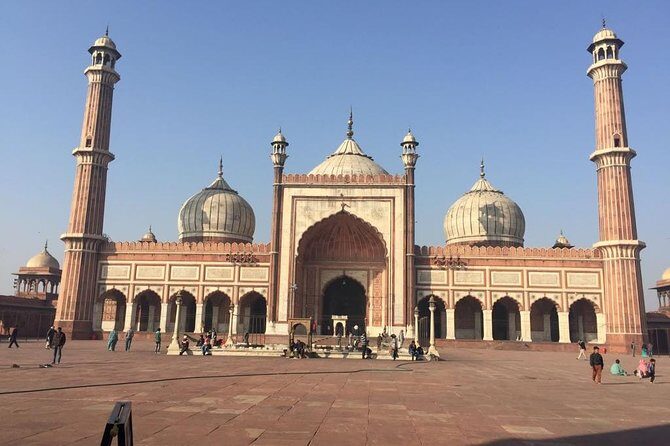
Also, the tour overview suggests your guide may include options like Red Fort, Jama Masjid, Delhi street food hot spots, or Sanjay Colony as highlights depending on what you want. If those are on your must-see list, tell your guide upfront so the day can flex around them.
Practical tip: wear layers. Delhi’s weather swings can mess with comfort even if you’re only outside briefly.
Should You Book This Delhi Full Day Car Tour?
Yes—if you want an organized first pass at Delhi without the mental load of planning transport and ticket timing across multiple neighborhoods. The private setup, hotel pickup/drop-off, and the mix of major landmarks plus quieter cultural stops makes this a solid value for most people.
I’d skip it or reconsider if:
- You’re extremely budget-tight and want to avoid any paid entry fees.
- You hate long days and prefer very slow, single-neighborhood sightseeing.
- You’re looking for a deeply detailed museum-style experience at every stop. This is a highlights day, not a deep academic seminar.
If your goal is to see the big landmarks, learn the context, and still have room to adjust with your guide, this one-day car itinerary is a strong match.
FAQ
What’s included in the tour price?
Hotel/residence pickup and drop-off are included, along with a local guide and driver for the full tour. Entry fees and food/drinks are not included.
Is this a private tour?
Yes. It’s a private tour/activity, and only your group participates.
How long is the tour?
The duration is listed as approximately 8 hours.
Which stops are included in the day?
The itinerary lists Humayun’s Tomb, Qutub Minar, Lodhi Garden, Gurudwara Bangla Sahib, Lotus Temple, Gandhi Smriti, and Swaminarayan Akshardham.
Are admission tickets included?
Admission tickets are not included in the tour price. Some stops are listed as free, but tickets for the paid sites (like Humayun’s Tomb and Qutub Minar) are not included.
Do I need to arrange transportation?
No. Pickup and drop-off at your hotel/residence are included, and the tour runs by car with a driver.
Is there a ticketing method?
The tour includes a mobile ticket.
Can the itinerary be adjusted?
Yes. The tour is described as flexible, and you can build your itinerary with your guide’s advice and stop based on your interests.
What if I need to cancel?
The tour offers free cancellation, and you can cancel up to 24 hours in advance for a full refund.
Who is this tour best for?
It’s best for people who want to cover top Delhi sights in one day with guided commentary and the convenience of a private car and pickup/drop-off. It’s also a good choice if you like having flexibility to set the pace.