REVIEW · AGRA
Agra Old City Walking Tour, Private Heritage walking Guided Tour
Book on Viator →Operated by Peer Voyages · Bookable on Viator
Markets, mosques, and one long view of Agra.
This private heritage walking tour strings together old-city sights that most Taj-only visits miss: Jama Masjid, a Shiva temple, spice bazaars, and a riverside walk where you can see the Taj Mahal from across the Yamuna. You also get a shift in scenery, from Mughal-style worship spaces to the colonial look of Agra’s railway station.
I especially like two things. First, the tour is led by a real guide—people have highlighted Sunil as a strong storyteller who explains what you’re seeing. Second, the experience is practical: hotel pickup/drop-off, transport by taxi or tuk-tuk, entrance tickets included, plus tea during the walk.
One thing to consider: you’ll be walking through active market streets and religious areas, so you’ll want shoulders and knees covered and you should expect crowds at times. If you prefer quiet sightseeing with minimal foot traffic, this may feel a bit hectic.
In This Review
- Key points that make this tour worth your time
- How a private old-city walk makes Agra feel like a living place
- Price and value: what $25 really buys you
- Pickup, walking time, and how the route stays manageable
- Jama Masjid: a massive Friday prayer hall with Mughal family connections
- Shri Mankameshwar Mandir: Agra’s oldest Shiva temple in everyday use
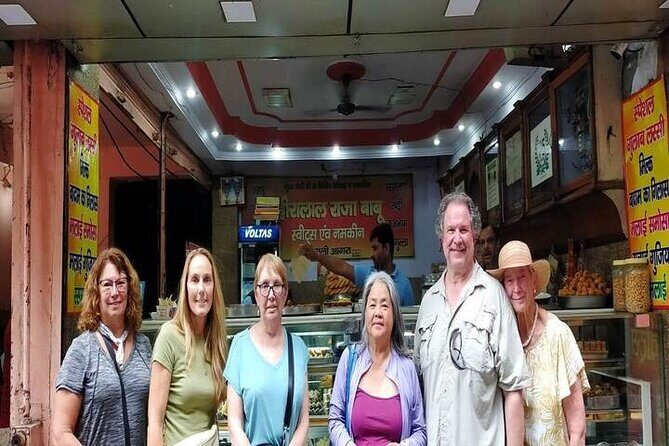
- Rawat Para Road: spices, 100-year sweet shops, and street-food energy
- Johari Bazar: old buildings, goldsmith shops, and a changing marketplace
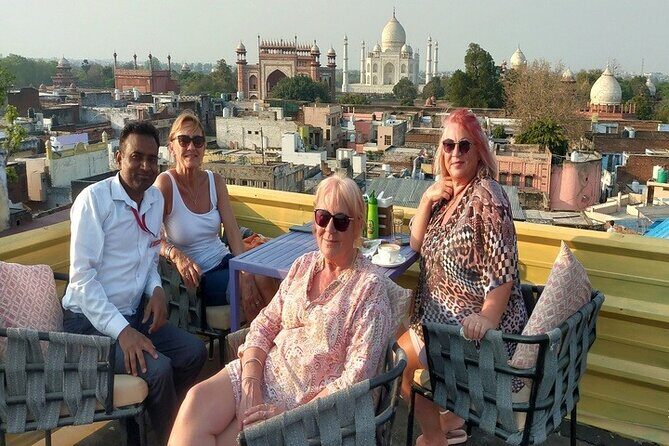
- Dareshi wholesale market to the Yamuna: where the Taj view hits differently
- Agra Fort Railway Station: British-style architecture with the city moving around it
- Tea, street snacks, and shopping without getting pressured
- What to wear for temples and mosques in Agra
- Who this tour is best for (and who might skip it)
- Should you book Agra Old City Walking Tour (Private Heritage)?
- FAQ
- How long is the Agra Old City walking tour?
- Is this a private tour?
- What does the price include?
- Do I need separate admission tickets?
- Are pickup and drop-off included?
- What sights do we visit during the tour?
- Is the tour suitable for children?
- What should I wear?
- Does it include tea?
- What is the cancellation policy?
Key points that make this tour worth your time
- Everything is handled for you: pickup/drop-off, taxi/tuk-tuk, and entrance tickets are included
- Jama Masjid plus a Shiva temple: two faiths, two architectural styles, and daily-life context
- Spice and sweet markets: Rawat Para Road’s old-school shopping beats souvenir browsing
- Dareshi wholesale market: you see how real business happens, not just storefronts
- Outside Taj Mahal view: you’ll get the Yamuna-side perspective, not the main gate selfie
How a private old-city walk makes Agra feel like a living place
Agra can be one of those cities where you either rush to one icon or you slow down and start noticing everything else. This tour is built for the second approach. In about three hours, you cover religious landmarks, old markets, and local streets—then finish with a view of the Taj Mahal area from the Yamuna side.
The big value here is focus. Instead of wandering alone and trying to translate what each building is, you get a guided route that makes the city readable. And since it’s private, you can set the pace—more looking, fewer photo marathons.
You can also read our reviews of more walking tours in Agra

Price and value: what $25 really buys you
At $25 per person for a private experience, the smart part is what comes bundled. You’re not just paying for a guide. You’re also getting taxi/tuk-tuk transport, all entrance tickets, and even tea during the tour.
That package matters in Agra, where getting from stop to stop on your own can eat time (and money) fast. When a tour includes transport and entry, you get your three hours fully used for sightseeing instead of logistics.
Also, the tour notes group discounts and flexible duration. That’s useful if you want extra time at one stop—like lingering longer at a mosque courtyard or taking your time with the market streets.
Pickup, walking time, and how the route stays manageable
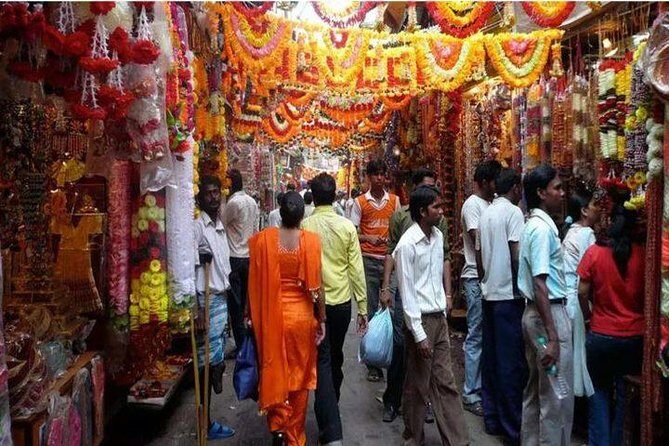
The tour starts with hotel pickup in Agra and ends with drop-off back at your hotel. Along the way, you’ll do a mix of short drives and walking sections. Even though it’s called a walking tour, you won’t feel like you’re hauling yourself through the whole city on foot.
The listed duration is about 3 hours (approx.), and the operator says the tour can be flexible, which helps if you hit extra traffic or you want to slow down for photos and explanations.
One practical thought: if you’re visiting in heat, markets can get intense. You’ll still want to wear comfortable shoes and be ready for street-level activity—people, bikes, and sellers all doing their normal day.
Jama Masjid: a massive Friday prayer hall with Mughal family connections
Your first major stop is Jama Masjid, described as the Friday prayer hall and one of the biggest mosques in India. The guide context matters here: it’s linked to the Mughal princess Jahanara Begum, daughter of Shah Jahan.
Why this stop is powerful: mosques like this aren’t just buildings. They’re still active places of worship, and the scale changes how you experience the space. Even if you’re not focused on architecture, you’ll feel the difference when you stand in front of something built to hold large congregations.
A small consideration: mosques require respectful behavior and dress. The tour advises covering shoulders and knees, so plan your outfit for both comfort and compliance.
Shri Mankameshwar Mandir: Agra’s oldest Shiva temple in everyday use
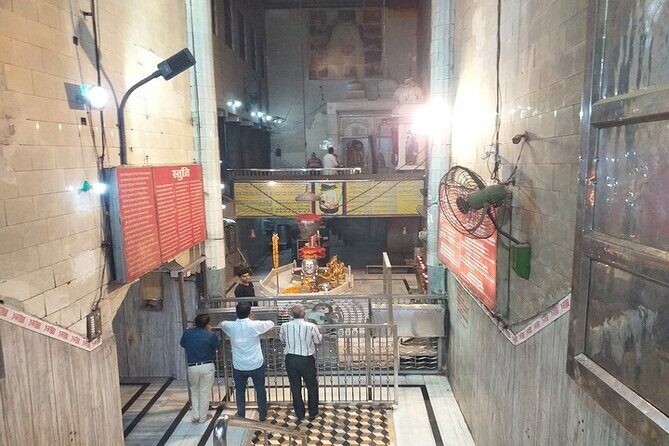
Next you’ll visit Shri Mankameshwar Mandir, noted as Agra city’s oldest temple and dedicated to Lord Shiva. The tour route emphasizes that Hindu devotees come there for prayer daily.
This is the contrast that makes the itinerary work. You go from Mughal mosque to a Shiva temple, and you can compare how different faith traditions shape space, sound, and daily movement. It’s not a museum stop. It’s part of the routine for local worshippers.
The drawback is similar to any temple visit: you’ll likely see people coming and going, so keep your eyes on etiquette and avoid blocking foot traffic while you take photos. If you’re sensitive to crowds, this is where you’ll notice them most.
You can also read our reviews of more guided tours in Agra





Rawat Para Road: spices, 100-year sweet shops, and street-food energy
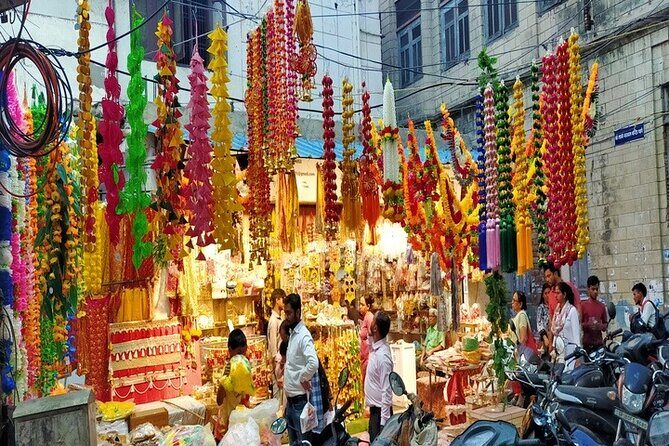
After the temple, the tour turns toward your senses. Rawat Para Road is described as one of the oldest markets of historic Agra and particularly known for spices. Then the route shifts to sweets and street food, including mentions of 100-year-old sweet shops.
This stop is where “tour” turns into “real city life.” Markets tell you what people buy, what families snack on, and what locals treat as normal. Even if you don’t shop heavily, you’ll learn how the neighborhood is organized around ingredients and treats.
One tip for getting value here: treat it like a guided walking lesson, not a shopping sprint. You can ask what’s worth trying and why, then decide based on your taste and comfort level. The experience is built to include tea, so you’re not forced into only sugary or fried choices.
Johari Bazar: old buildings, goldsmith shops, and a changing marketplace
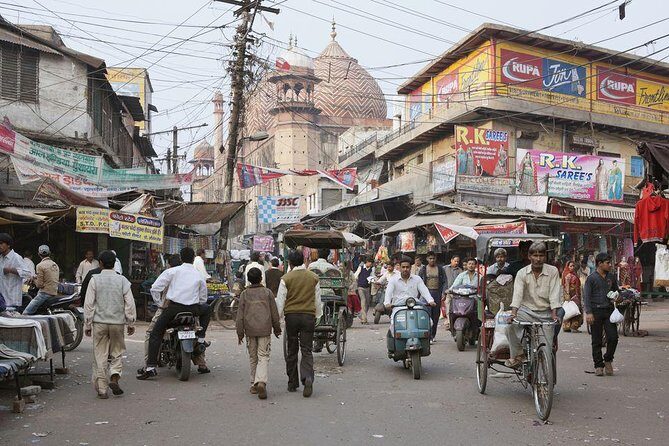
Your next stop is Johari Bazar, famous for goldsmith shops. The tour also notes that the area now includes clothes shopping as well—so it’s not frozen in time. You’ll also see older buildings and architecture that help explain how Agra’s commercial streets evolved.
What I like about this part of the route: it’s not just looking at crafts from a distance. You see how a market shifts from one kind of trade to another, and you catch the feel of a working neighborhood street.
Practical note: jewelry markets can feel intense if you’re uncomfortable with sales pressure. If you prefer slow browsing, tell your guide that up front. A good guide will adjust the pace so you don’t feel rushed.
Dareshi wholesale market to the Yamuna: where the Taj view hits differently
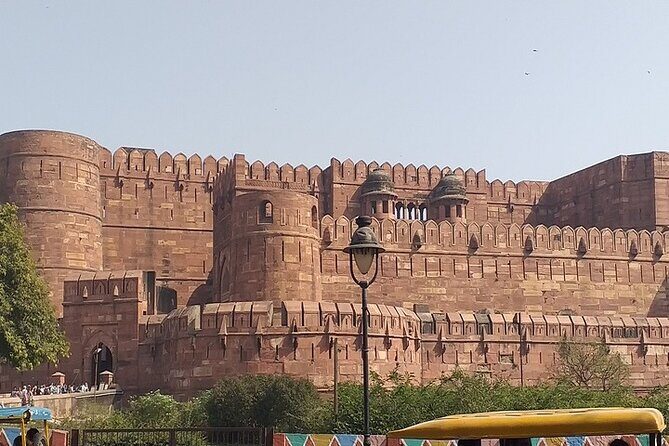
Then comes Dareshi (Daresi), described as the wholesale market of Agra city and more than 100 years old. This is the “this is how business looks” stop—where you see how goods move through the city.
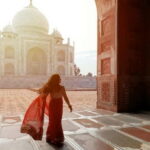
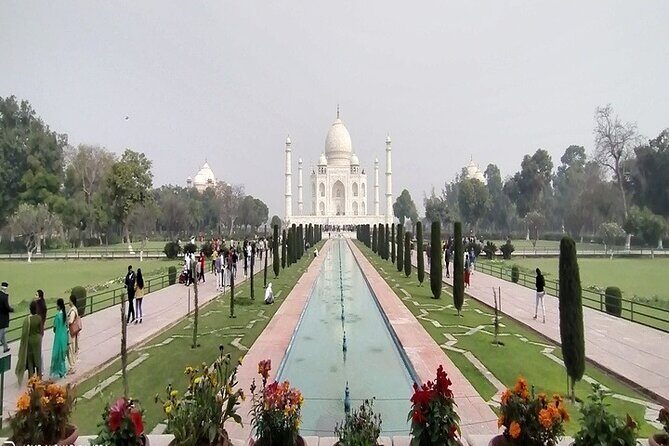
After that, you walk toward the Yamuna river side. One of the route highlights is the outside view of the Taj Mahal and Agra Fort from there. This matters because it’s not the main Taj vantage point. You’re seeing the monument within the geography of the river.
You might even spot monkeys along the way, since the river-side area in Agra is known for them in general terms. The key is: don’t chase photos, don’t feed anything, and keep your distance.
The only drawback here is timing and space. Riverside areas and market approaches can get crowded, and the view depends on the exact angle you get that day. You’ll still come away with a stronger mental map of where the Taj sits in the city.
Agra Fort Railway Station: British-style architecture with the city moving around it
To finish, you head toward Agra Fort Railway Station, near Agra Fort. The tour describes it as a large old station built by the British with a distinct British-style look.
Why this stop lands: it gives you a different layer of Agra’s story. You’ve covered Mughal and Hindu sites, plus market streets. Now you see colonial-era infrastructure—another kind of power and another kind of design language.
Then you’ll walk briefly to get your vehicle and be dropped back at your hotel. It’s a tidy ending that keeps you from getting stuck trying to figure out transport after a few hours of walking.
Tea, street snacks, and shopping without getting pressured
This tour includes tea during the walking route. That’s not a small detail. Tea breaks the rhythm, especially in busy areas, and it gives you a moment to reset before you keep moving.
On food and shopping, the tone you want is choice-based. In the experiences shared by people who booked this kind of guide-led route, the guide style is typically respectful—suggesting what to try, but not forcing it. If street food is your thing, you’ll have openings to sample. If it’s not, you won’t feel like the tour depends on shopping.
For markets, my advice is simple: buy only what you can carry comfortably and understand. Spices are easier than fragile items. Sweets are possible, but consider humidity and storage once you leave the area.
What to wear for temples and mosques in Agra
The tour explicitly asks you to cover your shoulders and knees. That rule will help you feel more comfortable entering Jama Masjid and the Shiva temple.
Also choose shoes that handle uneven pavement and crowded lanes. You’ll be moving in and out of market spaces and worship areas, so anything slick or thin-soled can become a stress.
Bring a light layer if you’re sensitive to sun, but don’t count on perfect weather. Agra can swing from bright to harsh quickly.
Who this tour is best for (and who might skip it)
This works well for you if:
- You want more than Taj Mahal photos
- You like markets, street-level city life, and comparing faith and architecture
- You appreciate a guide who explains what you’re seeing instead of letting you guess
You might skip it if:
- You only want one signature highlight and don’t care about markets or temples
- You dislike crowds or close-up street environments
- You want a mostly vehicle-based tour with minimal walking
Should you book Agra Old City Walking Tour (Private Heritage)?
I’d book this if you’re spending any real time in Agra and you want your visit to feel grounded in daily life, not just landmarks. For the price, the biggest win is the bundle: guide, pickup/drop-off, transport, entrance tickets, and tea—so you can focus on seeing and understanding.
If you’re on the Golden Triangle route and worried that Agra is only about one monument, this tour is a strong antidote. You’ll get the market pulse (spices, sweets, goldsmith trade), you’ll see major religious sites in active use, and you’ll end with an outside Taj Mahal view from the Yamuna side.
One last thought: if you can time your trip for a clear walk through the river area, you’ll likely appreciate the view more. If your schedule is tight, the route still keeps things efficient.
FAQ
How long is the Agra Old City walking tour?
It’s about 3 hours (approx.), and the tour duration is described as flexible so you can take more time if you want.
Is this a private tour?
Yes. It’s a private tour/activity, so only your group participates.
What does the price include?
The tour includes a professional guide, hotel pickup and drop-off by taxi/tuk-tuk, taxi/tuk-tuk transport, tea during the walk, and all transport and entrance tickets.
Do I need separate admission tickets?
No. Entrance tickets are included as part of the tour.
Are pickup and drop-off included?
Yes. The tour offers pickup from your hotel in Agra and drop-off back to your hotel.
What sights do we visit during the tour?
The route includes Jama Masjid, Shri Mankameshwar Mandir, Rawat Para Road, Johari Bazar, Dareshi, and Agra Fort Railway Station, plus an outside view of Taj Mahal and Agra Fort from the Yamuna river side area.
Is the tour suitable for children?
Children must be accompanied by an adult.
What should I wear?
You should cover your shoulder and knee.
Does it include tea?
Yes, tea is included during the walking tour.
What is the cancellation policy?
Free cancellation is available. You can cancel up to 24 hours in advance for a full refund; if you cancel less than 24 hours before the start time, the amount paid is not refunded.