REVIEW · JAIPUR
Hands-on Block Printing Workshop
Book on GetYourGuide →Operated by Creatis · Bookable on GetYourGuide
Block printing turns plain fabric into something personal. In Rajasthan, this hands-on workshop teaches the core methods behind the famous look of Sanganeri-style prints, then lets you apply them right away. I like how small-group and structured it is, so you get real guidance instead of vague instructions.
I also love that the process feels both creative and calming: you can experiment with pattern parts and color layering for a result you will actually want to wear. One thing to consider is that it is only a 2-hour session, so you will make one main wearable piece, not a deep, multi-day crash course in every technique.
In This Review
- Key Highlights
- A 2-hour Taste of Traditional Block Printing in Rajasthan
- Enter the Workshop: Materials, Tools, and the Studio Feel
- Learn the Design System: Gad, Rekh, and Datte
- Pick Your Look: Sanganeri-Inspired Patterns and Your Choices
- Layering and Printing: Where Your Pattern Comes Alive
- Your Finished Piece: Pico Stitch Scarf or Sarong
- Price and Value: Is $24 for Two Hours Fair?
- Who Should Book This Workshop (and Who Might Want More)
- Practical Tips So Your Print Looks Its Best
- Should You Book This Block Printing Workshop in Rajasthan?
- FAQ
- How long is the block printing workshop?
- What is the price per person?
- What will I make during the class?
- What is the group size?
- What languages are used for instruction?
- What should I bring?
Key Highlights
- Small group size (up to 10) keeps the attention on you
- English and Hindi instruction makes the steps easy to follow
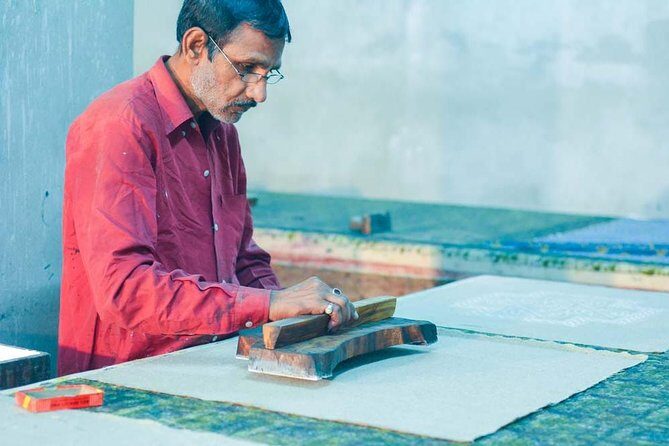
- Hands-on block printing with wooden blocks and water-based pigments
- Pattern design approach using Gad (Ground), Rekh (Outline), and Datte (Filler)
- Wearable result included: a Pico stitch scarf or sarong
- Studio setup near the workshop area so you can see pros at work
A 2-hour Taste of Traditional Block Printing in Rajasthan
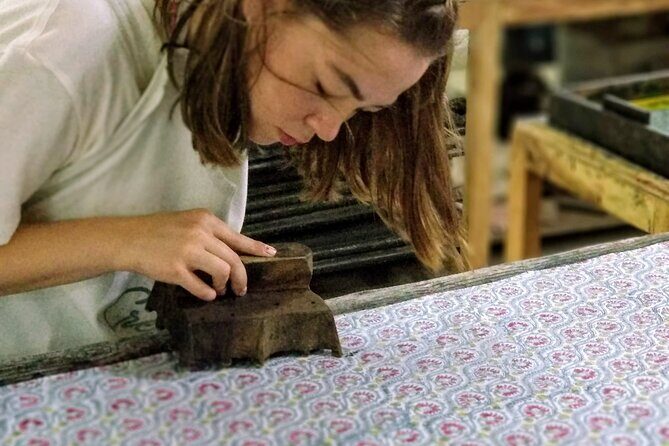
If you want something creative that still feels rooted in local craft, block printing is a smart pick. You get a quick but real introduction to how designs travel from carved wood to fabric, and you end up with something you can wrap around your neck, bring as a gift, or wear at home.
The best part is that this is not just a watching activity. You are meant to practice printing and make choices, from design to colors to how the layering looks on cloth. The session runs for 2 hours, which keeps it friendly for a day plan, but still long enough for you to feel like you learned something instead of simply trying stamps for five minutes.
This works especially well if you like hands-on travel. You get to slow down and focus. And yes, the repeating action can be oddly satisfying. One person even described it as meditative, which sounds about right once you get the rhythm going.
You can also read our reviews of more tours and experiences in Jaipur
Enter the Workshop: Materials, Tools, and the Studio Feel
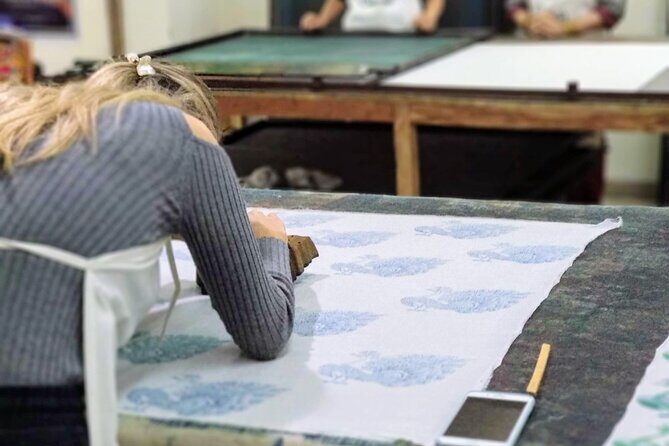
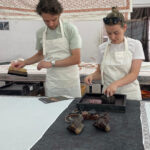
The class setting matters, and this one seems designed for learning. You are guided through the basics with the tools laid out clearly, so you can understand what each piece is for. You also have access to the key materials you need, so you are not trying to find supplies across town.
You will work with:
- Wooden blocks carved with patterns
- Water-based pigments for printing
- Fabric for your finished item (a scarf or sarong)
In a good block printing class, the goal is not perfect prints. The goal is understanding what changes when you change the steps. That is why the workshop provides everything and lets you practice under instruction. You should expect friendly corrections, too, because block printing has a few tricky moments even for careful people.
One extra perk: the studio is close enough to a small factory/work area that you can see the pros at work while you are there. That visual context helps. It turns your two-hour class from a standalone souvenir into a window into how the craft runs beyond your session.
Learn the Design System: Gad, Rekh, and Datte
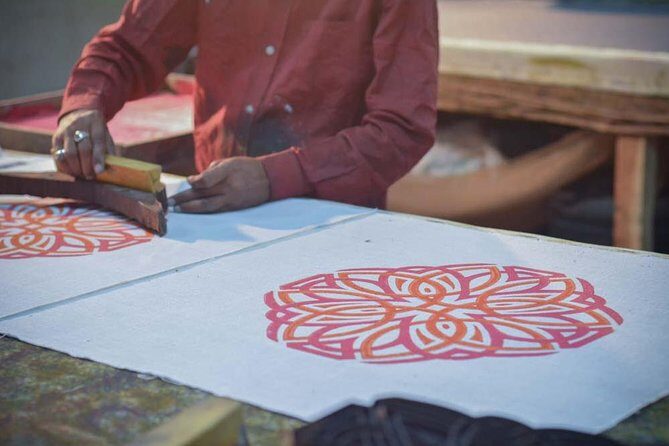
Block printing looks simple from far away. Up close, it is smart and structured. The workshop breaks the pattern approach into three named parts, which is useful because it makes design choices less mysterious.
You learn about:
- Gad (Ground): the base or main foundation pattern
- Rekh (Outline): the lines that define shapes and structure
- Datte (Filler): smaller pattern elements that add texture and density
Why this matters for you: when you understand these roles, you can make better choices about layering and color. Instead of randomly adding colors, you can decide how bold the outlines should be, how dense the filler becomes, and whether the ground pattern recedes or takes over.
It also helps you appreciate the craft when you see finished textiles later. You start recognizing why a print looks balanced rather than accidental. And you gain respect for the artisans, because even a tiny change in how a block is inked or aligned changes the final look.
Pick Your Look: Sanganeri-Inspired Patterns and Your Choices
You are not stuck with one template. You get to choose from multiple designs inspired by Sanganeri prints, a style known for intricate repeat patterns and careful line work. You also have access to designs from a signature fabric collection (mentioned as available with Elevate in the details you provided).
Here is how that helps you as a traveler: you can match the print to your personal style. Prefer delicate and airy? Choose designs that give that effect. Want something bold? Pick motifs and color combinations that create stronger contrast.
You also choose whether you are working toward a scarf/sarong with a more all-over feel or with layered motif placement. The workshop discusses layering either way, so you understand how the same basic blocks create different results depending on how you place them.
One nice touch is that guidance is there while you decide. That is important because the hardest part for many people is not the stamping. It is choosing the combination that looks good, then keeping it consistent while printing.
Layering and Printing: Where Your Pattern Comes Alive
This is the part that turns a craft lesson into real creativity. You learn to layer a motive design or create an all-over design using water-based pigments. The workshop also emphasizes mixing and matching colors so your pattern has movement and contrast.
For you, the practical takeaway is simple: layering is not just decoration. It is the difference between a flat print and one that looks intentional. Even if you are using the same blocks, the order of colors and which elements you emphasize can make the final cloth look totally different.
During the session, you will:
- Practice printing with wooden blocks
- Experiment with different color combinations
- Try layering techniques to see what changes visually
And since it is taught in English and Hindi, you are not left guessing at the steps. People learn at different speeds. Having patient guidance helps you correct mistakes early, before frustration takes over.
One guest specifically praised instructors for being patient and supportive, including help fixing mistakes. That is the kind of environment where you can relax and focus on learning rather than worrying about ruining the cloth.






Your Finished Piece: Pico Stitch Scarf or Sarong
By the end, you are creating a piece of wearable art: a Pico stitch scarf or sarong, included in the price. That matters for value. You are not leaving with a ticket for someone else to make the souvenir. You are taking home the result of your decisions.
What makes it feel special is the balance between guided structure and personal input:
- You pick a design
- You pick colors
- You apply and layer it on fabric
- You take your finished textile home
Is it guaranteed to look like an artisan’s perfect production piece? In a 2-hour workshop, the focus is learning and creating something personal, not manufacturing identical items at scale. But that is fine. Your print is meant to reflect what you chose. That is the point of a hands-on class like this.
It also gives you a practical souvenir. You can wear it immediately, not just admire it in a drawer. And if you are buying gifts, a scarf or sarong is often more meaningful than small crafts because you get the story of how it was made.
Price and Value: Is $24 for Two Hours Fair?
At $24 per person for a 2-hour block printing workshop, the value is strong if you treat it as a real activity, not a show-and-tell. You get:
- Expert instruction in English and Hindi
- All necessary materials (blocks, pigments, fabric)
- A finished wearable item included (Pico stitch scarf or sarong)
- A small group experience (limited to 10)
Even in travel terms, the included fabric piece usually costs more than the lesson itself if you compare it to typical handicraft pricing. Here, you are paying for instruction plus materials plus a tangible outcome. That is the kind of pricing that makes sense for short trips because you get something to take home without stretching your budget.
Also, small group size is part of the value. When you are stamping and layering, you benefit from being able to ask quick questions and get corrections on the spot. That is hard to do in big groups.
Who Should Book This Workshop (and Who Might Want More)
This workshop is a great match if you:
- Like hands-on activities while traveling
- Want a unique craft experience that is not mass-tourist standard
- Prefer small groups over big crowds
- Enjoy making something you can wear or gift
- Want to learn the logic behind the patterns, not just copy a finished design
It may be less ideal if you:
- Want to spend all day making multiple textiles
- Are looking for an advanced printmaking course with deeper carving instruction
- Expect a complete mastery of every technique in just two hours
The time limitation is not a dealbreaker. It just means your goal should be learning the basics and leaving with a personal wearable piece.
Practical Tips So Your Print Looks Its Best
A few practical things can help you make the most of those two hours:
- Wear comfortable clothing. You will be working at a table with pigments, and block printing can be a messy little science.
- Plan to be present. The class moves through steps in a logical order, and it helps to pay attention to how blocks are inked and aligned.
- Choose a design that fits your style. If you like clean lines, lean toward patterns where Rekh (Outline) is prominent. If you want texture, pick designs with stronger Datte (Filler) elements.
- Treat mistakes as part of learning. The workshop’s support is there for guidance and correcting issues, which is especially helpful for first-timers.
Should You Book This Block Printing Workshop in Rajasthan?
Yes, I think you should book it if you want a short, meaningful craft experience with real guidance and a wearable result. The combination of small group size, hands-on practice, and a completed scarf or sarong included makes it good value for the time.
Book it especially if you care about craft details: the workshop explains the design parts (Gad, Rekh, Datte) and focuses on layering and color choices. That turns your souvenir into a skill you can actually talk about later.
One final check: if you are the type who needs a lot of time to become absorbed in a process, two hours might feel quick. But if you want a focused class that leaves you satisfied and still gives you energy for the rest of your Rajasthan day, this one is a solid choice.
FAQ
How long is the block printing workshop?
The workshop lasts 2 hours.
What is the price per person?
It costs $24 per person.
What will I make during the class?
You will create a Pico stitch scarf or sarong, and it is included.
What is the group size?
The workshop is a small group, limited to 10 participants.
What languages are used for instruction?
The instructor provides guidance in English and Hindi.
What should I bring?
Wear comfortable clothing suitable for a hands-on workshop.