REVIEW · AMRITSAR
Amritsar: Full-Day Private Sightseeing Tour w/ Wagah Border
Book on GetYourGuide →Operated by Indian Thematic Tours · Bookable on GetYourGuide
Amritsar hits you fast. This private day strings together the Golden Temple, the heavy memorial at Jallianwala Bagh, and the theatre-energy of the Wagah ceremony—so you leave with both wonder and context. I like that the pacing is tight enough to cover the key sites in one day, without feeling rushed.
I also like the way the tour handles difficult memory with clear stops and time to reflect. You’ll see the bullet marks and memorial garden at Jallianwala Bagh, then move to the Partition Museum for the human stories that followed. One practical catch: you can’t bring luggage or large bags, and the day involves enough walking that it isn’t suitable for people with mobility impairments.
In This Review
- Key things I’d bank on in this tour
- Golden Temple and Langar: A calm start you’ll remember
- Jallianwala Bagh: The memorial stop that asks for respect
- Partition Museum: Stories that turn events into people
- Lunch break: Eat Punjabi food your way
- Maharaja Ranjit Singh Museum: Royal-era details with meaning
- Gobindgarh Fort: Military storytelling plus a sound-and-light show
- Wagah Border Ceremony: Watch the drill, not just the spectacle
- Price and logistics: What $87 gets you (and what it doesn’t)
- What kind of traveler should book this?
- Should you book the Amritsar full-day private sightseeing tour with Wagah border?
- FAQ
- What is the duration of the Amritsar private sightseeing tour with Wagah border?
- What is included in the price?
- Are monument entry tickets included?
- Is lunch included?
- What does the Golden Temple part include?
- What stops are included besides the Golden Temple and Wagah border?
- What languages is the live tour guide available in?
- Is the Wagah border ceremony included, and is it free?
- What should I bring and what should I avoid?
- Is the tour suitable for people with mobility impairments?
Key things I’d bank on in this tour
- Golden Temple + Sarovar + Langar: you get the full spiritual loop, including the free community kitchen
- Jallianwala Bagh memorials: bullet-scarred walls, a small museum, and a chance to slow down
- Partition Museum context: documentaries and oral histories that explain the why, not just the facts
- Ranjit Singh and Gobindgarh Fort: royal-era museum time plus military storytelling at the fort
- Wagah border ceremony (daily practice since 1959): high-energy soldier performances with disciplined drills
- Private guide support: English, Hindi, Punjabi-speaking guides, plus help with queues (including a foreigner line)
Golden Temple and Langar: A calm start you’ll remember
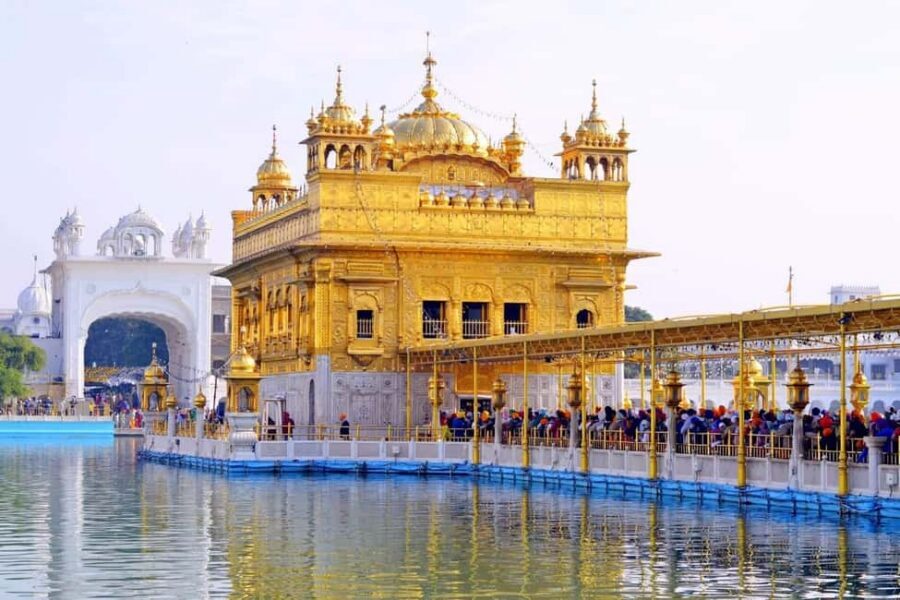
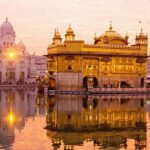
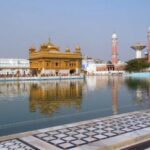
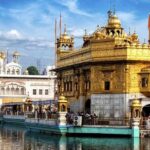
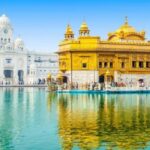
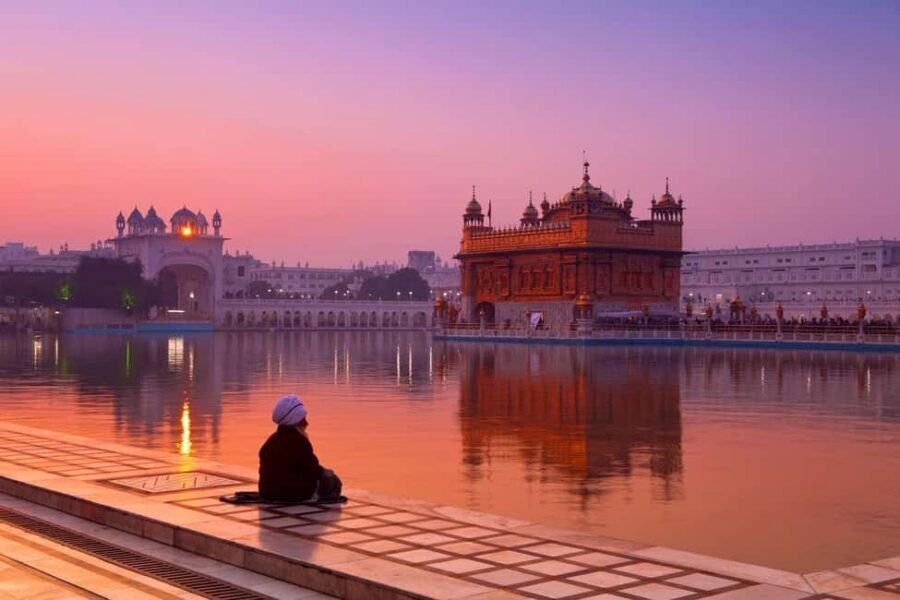
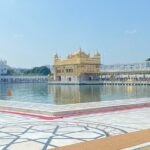
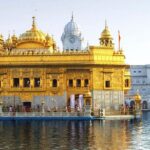
This tour begins at the Golden Temple, and honestly, that’s the right move. Amritsar can feel intense, but the first stop puts you in a quieter frame of mind. You’ll walk around the Sarovar (the holy water tank), then head toward the central temple area.
What I love about this part is the mix of serenity and living culture. The Golden Temple isn’t just a photo stop. It’s a place where daily worship and community life happen side by side. Watch how people move through the space with purpose and restraint. You’ll also have time for the Langar, the community kitchen that serves free meals to thousands every day. Even if you don’t eat there, seeing the kitchen in action is the kind of real-world glimpse that makes the rest of the day hit harder (in a good way).
A small practical note: this is a sacred site, so keep your routine simple. Wear comfortable shoes and plan to cover basic comfort needs. The tour includes a live guide, which matters here—someone local helps you understand what you’re seeing so you don’t just march through.
You can also read our reviews of more private tours in Amritsar

Jallianwala Bagh: The memorial stop that asks for respect
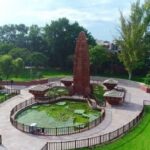
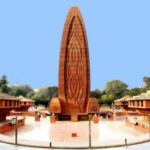
A short walk from the Golden Temple takes you to Jallianwala Bagh, the memorial site connected to the massacre of 1919. This stop changes the mood immediately. The memorial garden gives you space to breathe, but it’s also designed to keep the story in front of you.
You’ll explore the memorial layout, see the bullet marks on the walls, and visit the small museum that provides context for that day. If you’re the type who likes to understand before you feel, this is where the guide helps you connect events to physical evidence. If you’re more reflective, the calm pace works too.
One thing to keep in mind: this is emotionally heavy content. There’s no way to make it light. If you’re doing the tour on a day when you’re already tired or stressed, give yourself a little extra patience with this section and don’t rush it.
Partition Museum: Stories that turn events into people
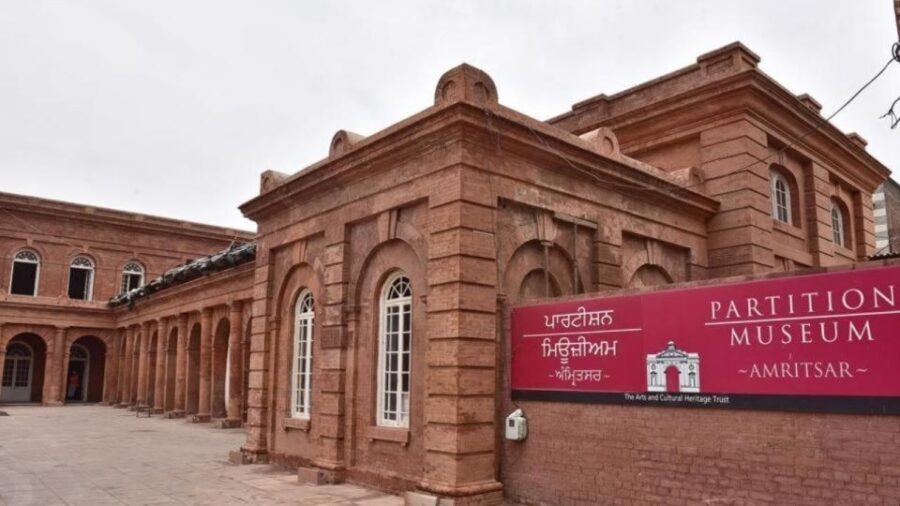
After Jallianwala Bagh, the tour shifts to the Partition Museum, focused on the partition of India in 1947 and the mass migrations that followed. This isn’t a single-scene memorial. It’s a place built for understanding how wide the impact was.
In the museum, you can browse exhibits, watch documentaries, and listen to oral histories. That combination matters. Facts alone can feel distant, but stories make the loss and disruption feel personal. It’s also a helpful bridge between the earlier 1919 tragedy and the later upheavals—Amritsar becomes more than a city. It becomes a place where modern South Asian history sits close to the present.
If you’re worried you’ll get museum fatigue, don’t. The museum’s format (exhibits plus multimedia plus oral histories) helps break up your attention. And because the tour is private, your guide can adjust the pace so you don’t feel forced to move faster than you want.
Lunch break: Eat Punjabi food your way
Lunch is not included, but you’ll get a traditional Punjabi meal stop at a local restaurant as part of the day’s flow. The menu possibilities can include Amritsari kulcha, butter chicken, and lassi.
I like this setup because it gives you flexibility. If you’re vegetarian or you want something lighter, you can guide your meal choice on the spot. If you’re hungry after temple and memorial time, this is where you refill energy without turning the day into a long detour.
Tip: tell your guide what you do and don’t want to eat before you sit down. Guides are better when you give them clear preferences, especially on a packed day.
Maharaja Ranjit Singh Museum: Royal-era details with meaning
Next up is the Maharaja Ranjit Singh Museum, located in his summer palace. This stop helps you switch from grief and upheaval to the long arc of Sikh Empire rule and culture.
You’ll explore exhibits showing artifacts, paintings, and weapons from Maharaja Ranjit Singh’s era. The goal isn’t just to admire objects; it’s to understand leadership, military thinking, and the kind of power that shaped the region. Even if you’re not a history buff, the artifacts are tangible. They make the story feel less like a textbook line.
The way this stop sits in the itinerary works well. After the emotional weight of partition and massacre, it’s a chance to see another side of Amritsar: craftsmanship, governance, and heritage.
You can also read our reviews of more tours and experiences in Amritsar
Gobindgarh Fort: Military storytelling plus a sound-and-light show
From there, you’ll head to Gobindgarh Fort. This gives you a direct look into Amritsar’s military past. Walking through the fort feels different from standing in a museum room, because you’re moving through the spaces where defenses were built.
Inside, you’ll have time for the museums within the fort. Then the plan includes a sound-and-light show that narrates its history. That blend is useful: you can read exhibits, then let the show connect the dots with atmosphere.
One consideration is that forts usually mean stairs, uneven ground, and more walking than people expect. Comfortable shoes aren’t just a “nice to have” item here. This is also a good place to pace yourself—if you’re sensitive to crowds or noise, plan to take short breaks so you can enjoy the storytelling instead of just enduring it.
Wagah Border Ceremony: Watch the drill, not just the spectacle
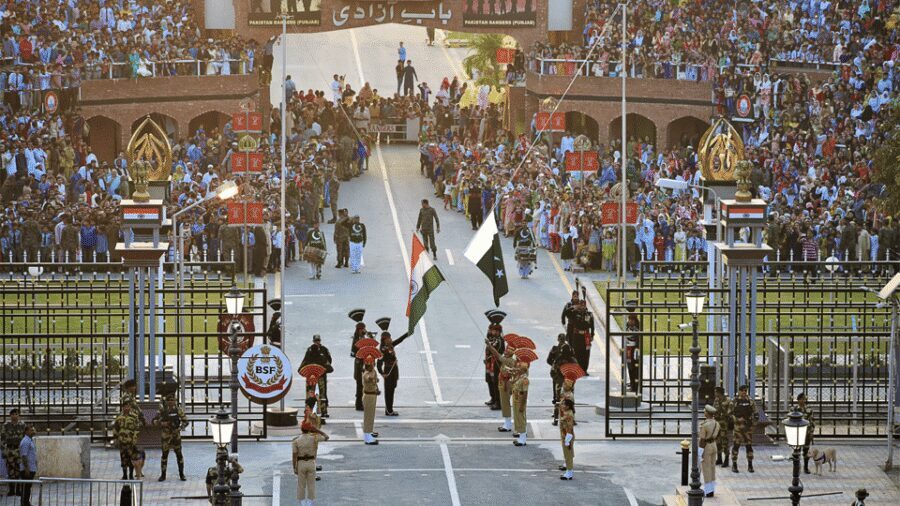
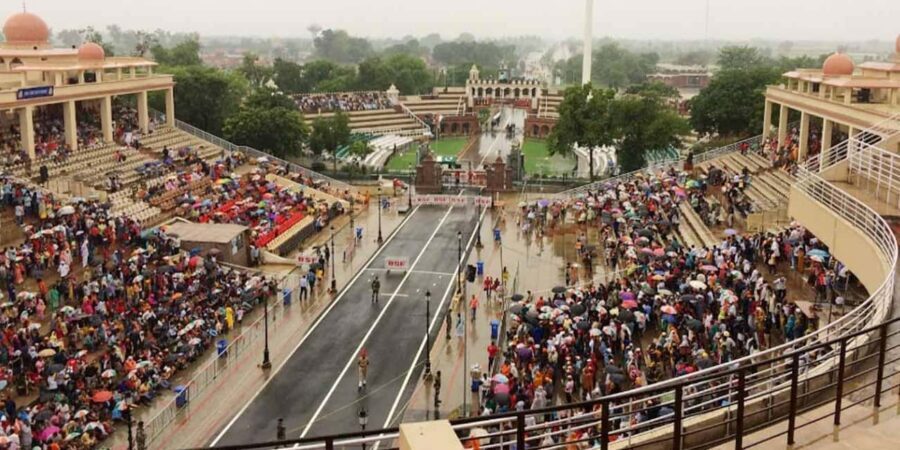
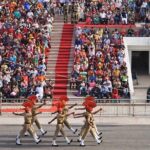
The day ends at the India-Pakistan border for the Wagah border ceremony. This daily military practice has been followed jointly since 1959 by India’s Border Security Force and Pakistan’s Rangers, which adds a long historical thread to what you’re seeing today.
The ceremony is a mix of disciplined parade movement and high-energy performances by soldiers from both sides. You’ll watch the parade and the lowering of the flags. Even if you’ve seen videos online, the live version tends to feel louder and more synchronized because you’re in the crowd watching it unfold in real time.
One practical point: the ceremony itself is free, but you do need to get there. That’s where the tour’s private guide support becomes genuinely useful. In at least one well-regarded outing, the guide guided a visitor to the queue dedicated to foreigners and stayed with them through the process—small detail, big stress reducer.
If you plan to bring a camera or phone, keep it secure and accessible. Also, since luggage or large bags aren’t allowed on the tour, pack light so your arrival at the border stays painless.
Price and logistics: What $87 gets you (and what it doesn’t)
At $87 per person for a full day, this tour is priced like a true “workday itinerary” package: private air-conditioned transport, hotel pickup and drop-off, a live guide, and water included. You’re not paying extra for a group shuffle, and the day is structured enough that it can feel efficient even with breaks.
Where you should budget extra: entry tickets to monuments are not included, and lunch is not included. The good news is that the tour includes skip-the-ticket-line support, which can save time at busy sites. Also, because you’re private, your guide can help you choose the most direct route between stops instead of waiting around.
Here’s the value angle I’d use to decide: this tour combines sites that would be time-consuming to stitch together yourself—especially when you factor in the emotional memorial stops plus the border ceremony logistics. If you want a one-day plan that doesn’t require planning every transit step, the cost makes more sense.
The main tradeoff is movement. This is not a sit-around tour. There’s walking from site to site, and the fort and memorial areas are not built for easy wheelchair-style navigation. If mobility is an issue, you’ll want a different option.
What kind of traveler should book this?
This tour fits best if you:
- want a private guide who can explain what you’re seeing in a practical, human way
- like having a clear itinerary so you don’t spend your one day in Amritsar figuring things out
- want the emotional arc—spiritual start, memorial depth, partition context, royal and military heritage, then the border ceremony
- care about queue help at the Wagah ceremony (especially if you’re not used to border procedures)
It might not fit as well if you:
- need a low-walking day
- get overwhelmed by memorial content and prefer lighter sightseeing only
- want lunch fully customizable outside the included plan
Should you book the Amritsar full-day private sightseeing tour with Wagah border?
I think you should book it if you’re aiming to cover Amritsar’s must-sees in one tight day and you want a guide who keeps the story straight. The best part of this kind of tour is not just checking places off. It’s getting the connections between them: the spiritual center at the Golden Temple, the memory at Jallianwala Bagh, the personal aftermath at the Partition Museum, and the way history still shows up at the border ceremony.
If you’re on the fence, focus on two questions: Can you handle the emotional weight of Jallianwala Bagh? And are you comfortable walking enough for a full-day route that ends at a crowded border ceremony? If yes, this private day tour is a strong value way to experience Amritsar without turning your schedule into a puzzle.
FAQ
What is the duration of the Amritsar private sightseeing tour with Wagah border?
It runs for 1 day.
What is included in the price?
Hotel pickup and drop-off, transportation in a private air-conditioned vehicle, a live tour guide, and a bottle of water are included.
Are monument entry tickets included?
No. Entry tickets to monuments are not included.
Is lunch included?
No. Lunch is not included.
What does the Golden Temple part include?
You’ll visit the Golden Temple area, walk around the Sarovar, see the central temple, and experience the community kitchen (Langar).
What stops are included besides the Golden Temple and Wagah border?
You’ll also see Jallianwala Bagh, the Partition Museum, the Maharaja Ranjit Singh Museum, and Gobindgarh Fort.
What languages is the live tour guide available in?
The guide is available in English, Hindi, and Punjabi.
Is the Wagah border ceremony included, and is it free?
The tour includes a drive to the border to witness the Wagah border ceremony. The ceremony is free, but you need to get there.
What should I bring and what should I avoid?
Bring comfortable shoes. Luggage or large bags are not allowed.
Is the tour suitable for people with mobility impairments?
No, it is not suitable for people with mobility impairments.