REVIEW · AMRITSAR
Full day Amritsar city tour with Wagah border ceremony
Book on Viator →Operated by Travel India With Peace · Bookable on Viator
Amritsar feels huge, in one organized day. This tour strings together spiritual Sikh landmarks, heavy 20th-century history, and the famous evening mood at Wagah. I especially like the private guide style, because the stops feel explained, not rushed, and you’re not stuck translating on your own. I also like that most entry tickets and transport are handled for you, so you can focus on the places. The only real “watch this” is the Partition Museum ticket isn’t included, and that museum closes Mondays.
One more consideration: the day runs long (about 8 to 10 hours), so it’s worth pacing yourself. The price can feel a bit high if you’re comparing it to cheaper, less structured trips, especially once you add what’s not included (Partition Museum admission and your own lunch). If you want a smooth, guided route through key sites, it’s a strong option.
In This Review
- Quick hits before you go
- Golden Temple: Sri Harmandir Sahib with time to look (not just pose)
- Jallianwala Bagh: the 1919 memorial stop that changes the tone
- Akal Takht and the Dukh Bhanjani Ber Tree: two quick stops with big meaning
- Partition Museum: plan for the separate ticket and Monday closures
- Drive-by architecture: Khalsa College seen from the road
- Wagah Border: closing ceremony energy from about 250 meters
- A/C pickup, bottled water, and Wi-Fi: small comforts that matter on a long day
- Price and value: $72 for a full-day route, with one key add-on
- How long is the day, and how to handle it
- Who this tour suits best (and who should pass)
- Should you book this Amritsar and Wagah day tour?
- FAQ
- What’s the duration of the Amritsar city tour with Wagah?
- Is pickup included?
- What does the tour price include?
- Is the Partition Museum admission included?
- Is the Partition Museum open on Mondays?
- How far is the Wagah Border from Amritsar?
- What can you see at Wagah Border?
- Does the tour work in any weather?
- Can I cancel for a full refund?
Quick hits before you go
- Golden Temple with real context: time inside Sri Harmandir Sahib, plus guided explanation of customs and areas people often miss
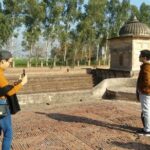
- Jallianwala Bagh memorial stop: a focused, somber visit tied to the 1919 uprising
- Small faith-and-story stops: the Dukh Bhanjani Ber Tree and Akal Takht get practical, human explanations
- Partition Museum is the add-on: plan for that separate ticket, and remember it’s closed Mondays
- Wagah Border in the evening flow: witness the closing ceremony and view the fencing from about 250 meters
Golden Temple: Sri Harmandir Sahib with time to look (not just pose)
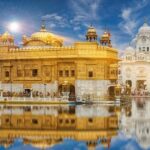
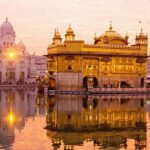
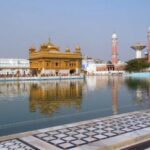
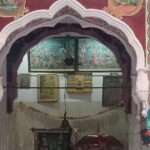
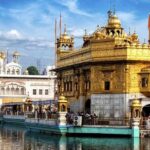
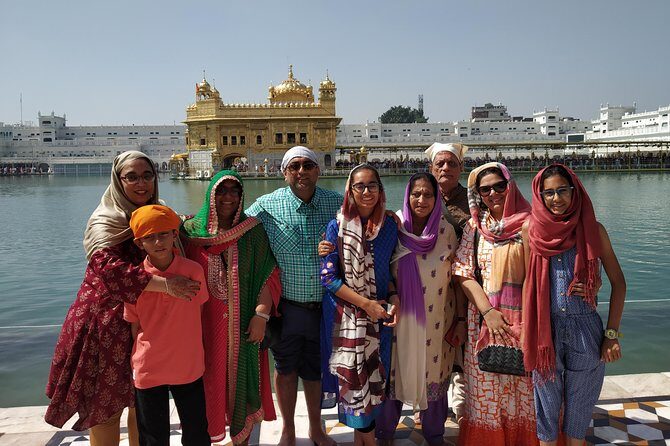
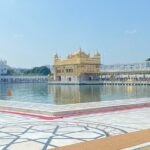
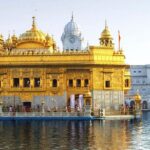
The day starts where Amritsar’s spirit is most visible: Sri Harmandir Sahib, also known as the Golden Temple. You get about one hour here, and it’s not just a quick walk-through. The visit includes entry, and the guide helps you understand what you’re seeing—how different parts of the complex work and why people treat the space with such seriousness.
What makes this Golden Temple stop feel worth it is pacing. There’s room to slow down and actually notice details. You’ll also spend time walking through the temple premises with guided orientation, which helps if you’re trying to make sense of the layout fast.
If you care about how the temple functions as a living community, pay attention to the langar side of the experience. Some groups get extra time around the langar kitchens area so you can understand the community-meal system beyond a photo. You might also hear stories from the people involved there, depending on access during your visit.
Practical note: this is a sacred place, so you should expect rules and lines. A guide helps you move with less confusion, and that alone makes the visit easier.
You can also read our reviews of more city tours in Amritsar


Jallianwala Bagh: the 1919 memorial stop that changes the tone
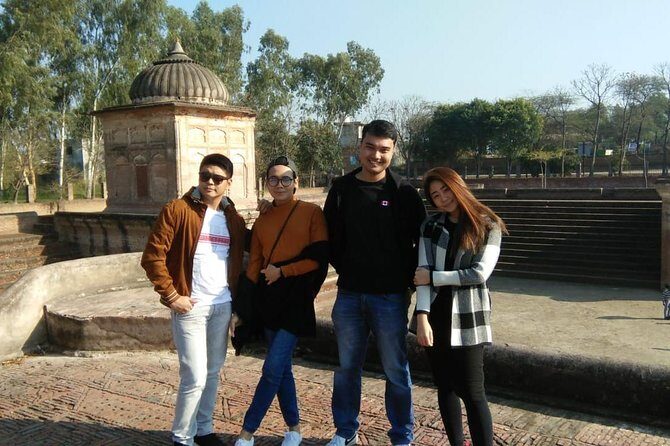
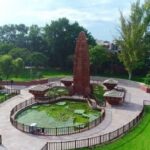
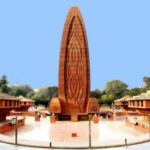
From the temple’s calm, the tour shifts into heavier territory at Jallianwala Bagh. You’ll spend about 30 minutes here at the gardens and memorial tied to the 1919 massacre under British rule.
This stop matters because it anchors the day’s religious story in the political history that shaped the region. The guide’s job is key: you’re not just looking at a memorial plaque and guessing. Instead, you’re given the context that turns the site from “old buildings” into a specific event with meaning.
It’s a short segment, but it lands. You leave the area with a clearer sense of why Amritsar has such deep historical weight—why partition stories feel personal to people here, not abstract.
Akal Takht and the Dukh Bhanjani Ber Tree: two quick stops with big meaning
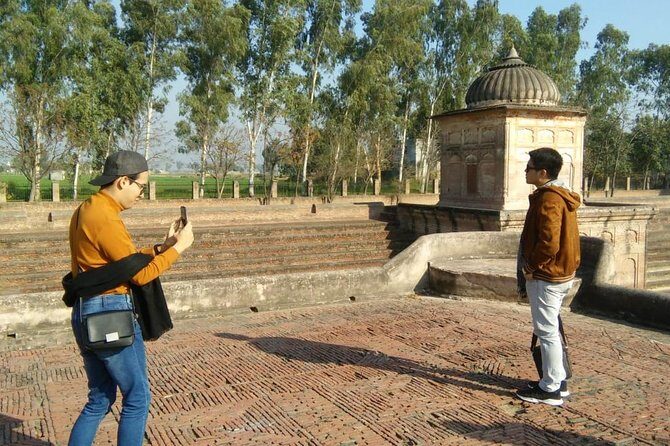
After Jallianwala Bagh, the route keeps a good rhythm: short, focused stops that add layers without turning the day into a blur.
First up is the Dukh Bhanjani Ber Tree. You only get about 10 minutes, but the idea is to learn the story behind why this tree is revered. These kinds of stops are easy to skip on your own. Here, the guide makes sure you get the explanation before you move on.
Then you’ll head to Akal Takht (about 10 minutes). The tour explains the significance of Akal Takht Sahib, including that it’s associated with the resting place of the holy book. Even in a brief visit, that context helps you read the building and the atmosphere more accurately.
These two stops are a good example of what a private guided format is buying you: quick entries, but with meaning attached. If you’re the type who likes understanding why locals do what they do, you’ll appreciate these.
Partition Museum: plan for the separate ticket and Monday closures
The Partition Museum is the one item you’ll pay for separately. The tour includes about one hour at the museum, but admission isn’t included in the tour price.
This museum is built around the stories and trauma of the millions affected by the partition. If you want a direct, emotional look at what families endured, this is the most intense part of the itinerary. The tone is different from the temples and memorial gardens, and it helps tie the day’s history together.
Two practical realities to keep in mind:
- Your museum ticket is an extra cost.
- The Partition Museum is closed Mondays, so if your trip falls on a Monday, you’ll want to confirm what the tour plan will do instead.
If partition history hits you hard (in a good way, but still), give yourself a little mental space after Wagah. In other words, don’t assume you’ll bounce from the museum to the border without feeling something.
Drive-by architecture: Khalsa College seen from the road
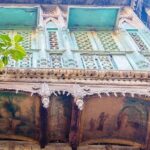
While heading between major sites, you’ll see Sikh architecture examples in the city, including views related to Khalsa College.
This is the kind of “bonus” stop that doesn’t grab headlines but helps you get your bearings. You’re not stuck only inside ticketed attractions; you get a sense of how Amritsar looks and feels as a living city.
You can also read our reviews of more tours and experiences in Amritsar

Wagah Border: closing ceremony energy from about 250 meters
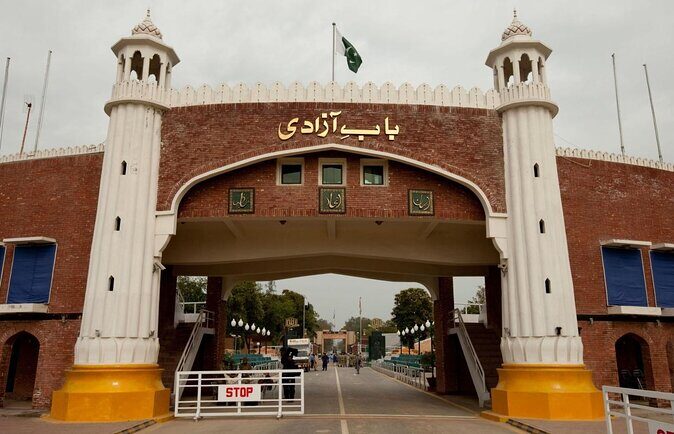
The evening highlight is Wagah Border, on the Pakistani frontier. The drive is about 35 km from the city, and the border visit itself takes around three hours.
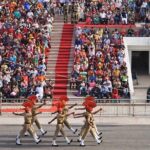
Here’s what you’re really going for: the border closing ceremony, where patriotism is on display in a very theatrical, highly practiced way. You’ll visit the last Indian border village area where you can watch the fences from roughly 250 meters away.
This is a different kind of “culture moment” than the temple. It’s louder, more performative, and very crowd-focused. A guided tour helps because you’re not trying to figure out where to stand or how to time your arrival. You also get carried by air-conditioned transport without needing to manage a separate plan.
Weather matters. The experience notes that it needs good weather, and if it’s canceled because of poor conditions, you’ll be offered a different date or a full refund. So if you’re traveling in a season known for fog or rain, keep that in mind.
A/C pickup, bottled water, and Wi-Fi: small comforts that matter on a long day
This tour is set up to feel smooth from start to finish.
Included comforts:
- Air-conditioned vehicle
- Bottled water
- Wi-Fi on board
- Guide services and sharing of photos by the guide
- Pickup offered (so you’re not scrambling to meet transport)
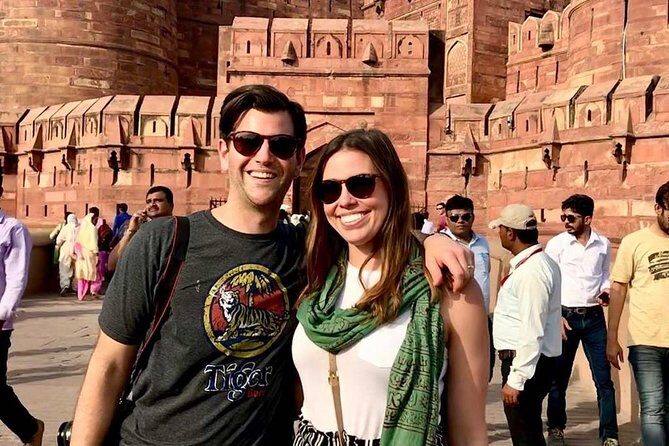
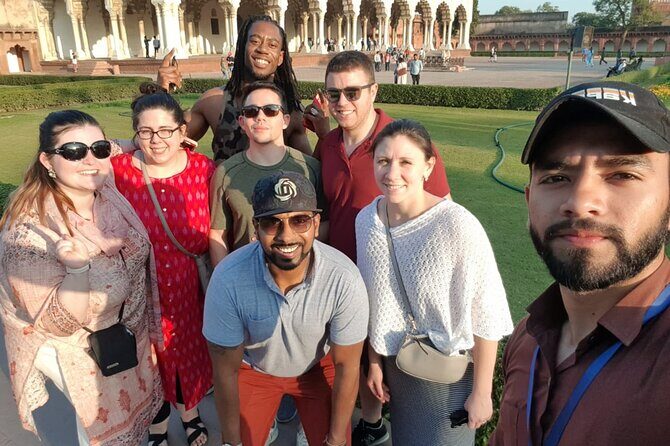
And because it’s private, it’s just your group. That means you can move at a pace that works for your questions and photo stops, instead of being herded.
One review detail that points to the vibe: guides like Ravish are praised for communicating clearly and adjusting plans based on what the group wanted. Another guide name that came up is Aman, noted for a strong intro at the Golden Temple, pointing out details you’d otherwise miss.
You won’t need to be an expert on Sikh history to enjoy the day. The format is built for first-timers who want clarity without turning everything into a checklist.
Price and value: $72 for a full-day route, with one key add-on
At $72 per person, this tour isn’t the cheapest way to see Amritsar. It also isn’t trying to be. You’re paying for a guided, private structure that includes a lot of the groundwork.
What’s included in the base price:
- Transportation (private, air-conditioned)
- Guide services
- Entry tickets for major stops like the Golden Temple, Jallianwala Bagh, Akal Takht, and others on the route
- Wagah Border admission/entry component
- Bottled water and Wi-Fi
- Photo sharing
What’s not included:
- Partition Museum admission (the big one)
- Personal expenses and tips/gratuities
When is it great value?
- If you’d otherwise spend time lining up tickets, coordinating rides, and figuring out where to go at each site.
- If you want a guided story that connects religion, tragedy, and border ceremony into one coherent day.
- If you value comfort (A/C, water) during a full 8 to 10 hours.
When it might feel pricey:
- If you’re traveling on a tight budget and would rather DIY some portions.
- If the Partition Museum ticket adds enough cost that you’d expected everything to be fully covered.
A fair way to decide: estimate your total. Start with the tour price, then add what you’ll pay for Partition Museum admission on the day you go, plus your meal costs.
How long is the day, and how to handle it
The schedule runs about 8 to 10 hours. That’s normal for a full Amritsar + Wagah plan, but it’s still long.
My practical advice:
- Treat Wagah as the end of the evening arc. Don’t plan a separate late-night mission after the ceremony.
- Bring patience for crowds. Golden Temple and Wagah can draw a lot of people, and the tour is designed to get you through it with guidance.
- If you’re sensitive to emotional history, pace the day so the Partition Museum doesn’t hit you when you’re tired.
Also, note the itinerary includes both day and evening elements, so your body clock may feel like it’s being nudged around.
Who this tour suits best (and who should pass)
This tour fits best if you want:
- A private guide who explains what you’re seeing
- A straightforward, high-impact route through the biggest Amritsar highlights
- The Wagah border ceremony as a planned stop (not a random sidetrip)
It’s also a solid choice if you like historical context. The balance here is real: religion and community at Golden Temple, then the memorial and partition story, then the border spectacle.
You might want to pass if:
- You only care about one or two stops and prefer DIY.
- You’re traveling on a tight budget and would rather not pay for a bundled guide + transport.
- Your dates include a Monday and Partition Museum access matters to your plan. (The museum itself is closed Mondays.)
Should you book this Amritsar and Wagah day tour?
If you want a day that works like a good itinerary—clear stops, guided context, comfortable transport—this is an easy yes. The biggest reason is that the tour handles a lot of the logistics for you, including entry tickets for most stops and transportation with A/C plus Wi-Fi and bottled water.
The decision hinges on one point: the Partition Museum admission is separate and it’s closed Mondays. If your schedule lines up and you’re okay paying that extra ticket, you’ll get a full, memorable arc from Sri Harmandir Sahib to the closing ceremony at Wagah.
If you tell me your travel dates and whether you’re aiming to prioritize partition history, I can help you decide if this plan is a perfect match or if you should mix-and-match instead.
FAQ
What’s the duration of the Amritsar city tour with Wagah?
It runs about 8 to 10 hours.
Is pickup included?
Yes, pickup is offered.
What does the tour price include?
It includes bottled water, an air-conditioned vehicle, Wi-Fi on board, guide services, photo sharing by the guide, and private transportation. Entry tickets are included for the listed stops except the Partition Museum.
Is the Partition Museum admission included?
No, Partition Museum admission is not included. You’ll need to arrange that separately.
Is the Partition Museum open on Mondays?
No. The Partition Museum is closed on Mondays.
How far is the Wagah Border from Amritsar?
The drive to Wagah Border is about 35 km.
What can you see at Wagah Border?
You’ll witness the border closing ceremony and view the fences of the India-Pakistan border from about 250 meters.
Does the tour work in any weather?
The experience requires good weather. If it’s canceled due to poor weather, you’ll be offered a different date or a full refund.
Can I cancel for a full refund?
Yes. You can cancel up to 24 hours in advance for a full refund. If you cancel less than 24 hours before the start time, the amount paid is not refunded.