REVIEW · NEW DELHI
8-Day Private Luxury Golden Triangle With Spiritual Varanasi Tour
Book on Viator →Operated by Golden Triangle Tours India · Bookable on Viator
This route strings together four heavy-hitters in eight days. I like the way it combines private local guides across Delhi, Agra, Jaipur, and Varanasi with Ganga Aarti on the Ganges, so history and spirituality land on your schedule.
One heads-up before you fall in love with it: the base price doesn’t cover monument entrance fees, listed as $100 per person, and lunch and dinner are also not included.
In This Review
- Key Highlights You’ll Actually Care About
- A Private Golden Triangle That Ends Where Stories Turn Spiritual
- Where the Value Really Comes From: Private Comfort + Guides, Not Just a Ride
- Delhi Day One: Gurudwara Bangla Sahib and Agrasen Ki Baoli’s Quiet Weight
- Delhi Day Two: Qutub Minar, Lotus Temple, Humayun’s Tomb, and Old Delhi Noise
- Agra: Taj Mahal in the Best Two Lighting Styles
- Fatehpur Sikri and Chand Baori: When the Trip Slows Down in the Right Way
- Jaipur Highlights That Work Even If You’re Not a Royalty Buff
- Birla Mandir, Patrika Gate, and the Turn Toward Varanasi
- Varanasi Day Seven: Kashi Vishwanath, Sarnath, and the Ganges Walk
- How the Tour Actually Feels: Drivers, Guides, and Peace of Mind
- Budget Notes That Help You Avoid Surprise Costs
- Should You Book This Private Golden Triangle and Varanasi Tour?
- FAQ
- How long is the tour?
- What is the price per person?
- Is pickup and drop-off included?
- Does the tour include seven hotel breakfasts?
- Are monument entrance fees included?
- Is lunch and dinner included?
- Are flights included from Jaipur to Varanasi?
- Is this tour only for my group?
- Closing Thought
Key Highlights You’ll Actually Care About
- Private touring for your group with a dedicated driver and local guides each day
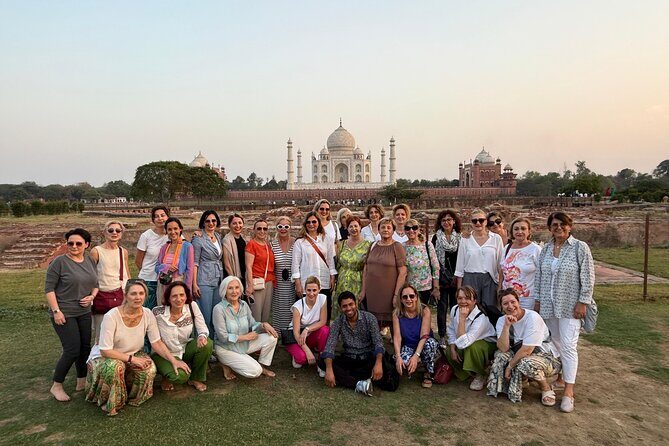
- Two Taj Mahal moments with sunrise in Agra plus a sunset-view option
- UNESCO stops in multiple cities, including Qutub Minar and Humayun’s Tomb in Delhi
- Varanasi at night, with Kashi Vishwanath and the evening Ganga Aarti on the ghats
- Comfort-focused transport, including air-conditioned vehicle and bottled water during journeys
A Private Golden Triangle That Ends Where Stories Turn Spiritual
This is the classic Golden Triangle loop, but with a very meaningful twist: it finishes in Varanasi on the Ganges River, a major Hindu pilgrimage center and one of the oldest continuously inhabited cities in the world. That matters because your last two days feel different from the first five. You’re not just ticking attractions; you’re dealing with lived religion in a place where worship and pilgrimage are still central to daily life.
I especially like that the pacing is built around local guides. They guide you through temples, forts, and UNESCO-listed sites with context, so the buildings don’t stay as just photos. And because it’s private, you avoid the annoying group bottlenecks that can happen on “big sights” days.
Still, plan your budget honestly. The price is listed at $372.86 per person, but you’ll also need to budget for monument entrance fees (about $100 per person), plus lunch and dinner. For value, that’s the biggest variable.
You can also read our reviews of more private tours in New Delhi

Where the Value Really Comes From: Private Comfort + Guides, Not Just a Ride

You’re paying for more than a car. Your tour includes:
- Private air-conditioned vehicle with a driver
- Hotel or airport pickup and drop-off
- All sightseeing with private local guides
- Daily hotel breakfast (7 breakfasts if you select the hotel option)
- Bottled mineral water during journeys
- Ongoing personal care and attention
That mix matters in North India, where transfers and timing can make or break a trip. The private format helps you keep conversations going with your guide (questions, extra context), instead of just being herded along. And the driver element is consistent across the cities, which helps your plan feel calmer.
Vehicle size is also matched to group size: a 4-seater sedan for 1–2 people, a 6-seater wagon for 3–4, and a 10-seater minivan for 5–10. That’s a practical detail because it affects comfort during long drives like Delhi to Agra.
Delhi Day One: Gurudwara Bangla Sahib and Agrasen Ki Baoli’s Quiet Weight
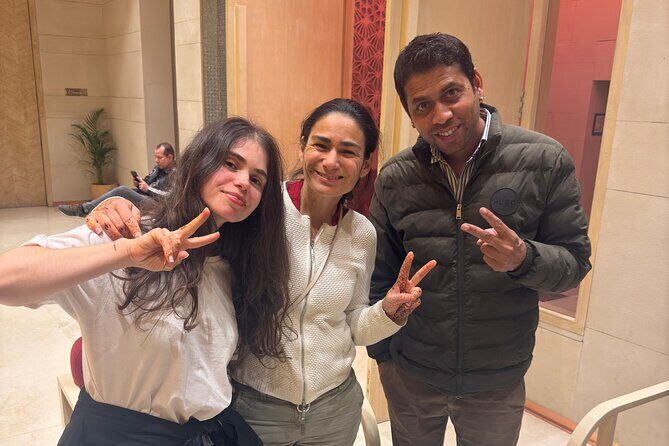
Your Delhi start leans into places that aren’t just “landmarks,” but lived spaces.
You begin at Gurudwara Bangla Sahib, a Sikh shrine known for its history linked to curing people during an epidemic by distributing water from the tank. Even if you’re not religious, it’s the kind of stop that shows how faith becomes community care, not just ritual. It’s also a welcome change from the usual stone-and-museum approach because the mood is human-scale.
Next is Agrasen Ki Baoli, a protected stepwell monument with a long footprint and steep, descending geometry. Stepwells can feel oddly emotional: you’re looking at infrastructure built for daily survival, now turned into heritage. It’s free, and it gives you a slower, textured start to a city that can move fast.
The practical payoff: this first day helps you “tune your eyes.” After a strong spiritual and historical opener, the next wave of Delhi’s UNESCO icons lands with more meaning.
Delhi Day Two: Qutub Minar, Lotus Temple, Humayun’s Tomb, and Old Delhi Noise
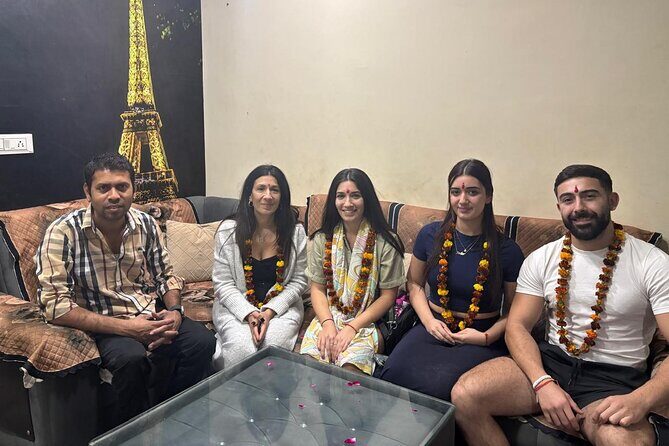
Delhi is a split personality—grand empires on one side, everyday markets on the other. Day two hits both.
You start with Qutub Minar, a UNESCO World Heritage site and a tall five-storey minaret, built in the late 12th century. It’s a major “you are in the right place” sight, and the UNESCO label is more than branding here. The scale helps you understand Delhi’s deep timeline.
Then you head to Lotus Temple, known for its flower-like shape and for being open to everyone regardless of religion. That universal access is part of why it’s such a strong contrast with the city’s more specific faith landmarks.
From there, you pass India Gate and see Parliament House (Sansad Bhavan). Even short stops help you grasp modern India’s layout around the same ceremonial corridors where imperial history echoes.
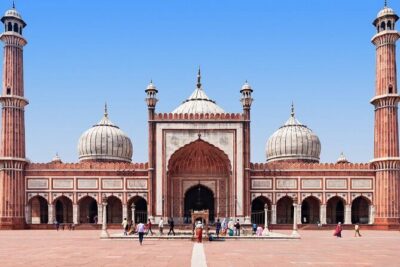
Next is Jama Masjid, one of India’s largest mosques, built in the 17th century by Shah Jahan. It’s not a quick “drive-by” moment. It’s a place where you feel the weight of the Mughal era in a working, active setting.
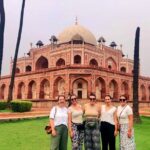
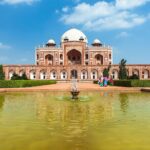
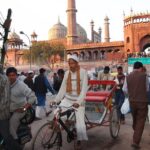
You end with Humayun’s Tomb, commissioned in 1558, and then Chandni Chowk, the Old Delhi shopping and spice streets. Chandni Chowk is where the trip stops feeling like a curated syllabus and starts feeling like the city. The sheer variety of goods is the point, even if you’re not buying.
A small consideration: this day stacks a lot of major sights. With a private guide and driver, it’s manageable, but you should be ready for a full, active schedule.
Agra: Taj Mahal in the Best Two Lighting Styles
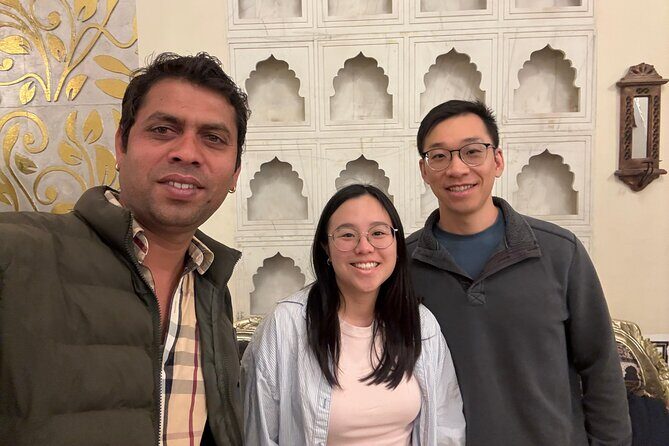
Agra is where the Golden Triangle turns from impressive to spellbinding.
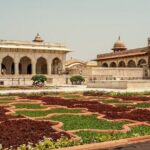
You visit Agra Fort, a UNESCO World Heritage Site tied to Mughal emperors like Akbar and Shah Jahan. Forts are useful on trips like this because they explain how power worked—where rulers lived, how control was maintained, and why buildings looked the way they did.
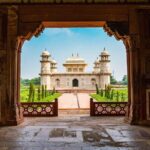
Then you see Itmad-ud-Daula, a Mughal mausoleum sometimes called the Baby Taj. This is one of those “wait, look closer” stops. You don’t just see a tomb; you notice craftsmanship and a more intimate scale than you get with the Taj Mahal itself.
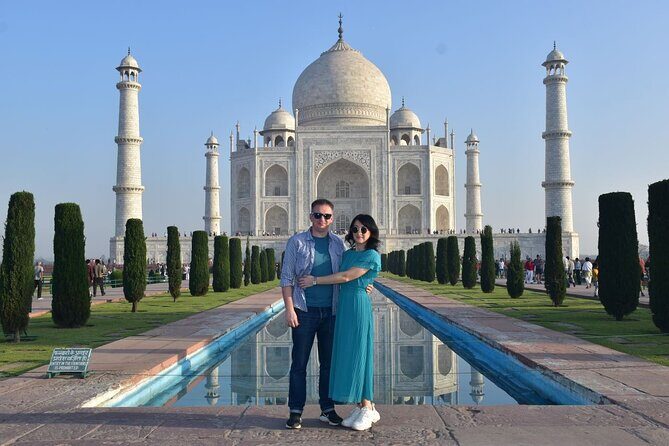
For the Taj moment, you’re offered a sunset view point option across the river, away from the heaviest crowd pressure. That’s smart. Sunset light makes white marble look warmer, and the sightlines can feel calmer.
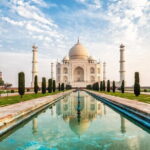
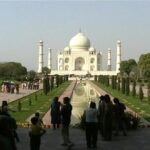
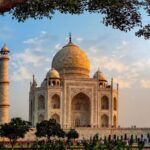
And later, you return for sunrise at the Taj Mahal, described as an ivory-white marble mausoleum on the Yamuna’s south bank. Sunrise isn’t just romantic in theory; it’s practical. Softer light helps with photos, and the vibe shifts from sightseeing to something more hushed.
You can also read our reviews of more tours and experiences in New Delhi




Fatehpur Sikri and Chand Baori: When the Trip Slows Down in the Right Way
Not every day in this trip is about one single headline monument. This section is about breadth.
You visit Taj Mahal again with a sunrise-focused plan. After that, you move to Fatehpur Sikri, Akbar’s “City of Victory.” It served as the Mughal Empire’s capital for around a decade, and you can feel that ambition in the complex layout. Even if your interest in Mughal history is light, you’ll still understand why a ruler would build a whole city to project authority.
Then comes Chand Baori near Abhaneri. It’s a huge, deep stepwell, extending about 30 meters underground according to the tour description. Stepwells are like time machines: you’re looking down into older water engineering while standing in bright daylight.
This day can be a nice mental reset. You go from the Taj’s iconic marble to a whole different type of beauty: geometric stonework meant for water storage and survival.
Jaipur Highlights That Work Even If You’re Not a Royalty Buff
Jaipur is built for visuals, but it’s also built for understanding. The tour mixes forts, palaces, observatories, and photography-friendly stops so you get both “wow” and “why.”
You start with Panna Meena ka Kund, a stepwell near the palace area. It’s small enough to fit into a tight schedule, but it adds variety so the day doesn’t feel like repeated “palace, palace, palace.”
Then you head to Jaipur’s famous fort and palace complex area for a guide-led walkthrough of palaces, squares, and monuments. The wording in the tour description points you to the old center of power, including how Jaipur served as Rajasthan’s capital until 1728.
There’s a Jal Mahal photo stop at Man Sagar Lake. The palace sitting on the water gives you a clean contrast with the fort-and-stone mood. You’ll likely want a camera ready because it’s a very postcard-friendly sight.
Next: Maharaja’s City Palace, which served as the administrative and ceremonial seat of the Maharaja of Jaipur. This is where you can connect architecture with governance and court life without needing a textbook.
You then hit Jantar Mantar, a UNESCO World Heritage Site with astronomical instruments built in 1734 by Sawai Jai Singh II. It’s one of the more interesting “surprise” stops because it reminds you that science and empire were linked.
Finally, you see Hawa Mahal, the Palace of Breeze, built with red and pink sandstone. It’s designed like a crown with many windows, and it’s instantly recognizable even if you only know it from travel photos.
Birla Mandir, Patrika Gate, and the Turn Toward Varanasi
On day six, the trip shifts mood. You stay in Jaipur a bit longer, then your schedule moves you toward Varanasi.
You visit Birla Mandir Temple, noted for its intricate latticework in white marble and its dedication to Lord Vishnu (the preserver of the universe). It’s a calm detour from the louder “royal-heritage” vibe.
Then you stop at Patrika Gate, described as a photographers’ paradise with hand-painted murals celebrating Rajasthan’s cultural heritage. It’s short but fun, especially if you like street-art style design.
After sightseeing, you proceed to Jaipur airport to board your flight for Varanasi. The key detail here is that flights aren’t listed as included. So you should line up your own flight ticket. What’s included is the onward assistance on arrival: on landing in Varanasi, you’re assisted by the next tour driver and transferred to your hotel.
Varanasi Day Seven: Kashi Vishwanath, Sarnath, and the Ganges Walk
Varanasi is the heart of why this tour is more than a typical Golden Triangle.
You start at Kashi Vishwanath Temple, a riverside temple to Shiva known for its 18th-century gold-plated spire and a sacred well. A riverside Shiva temple changes the whole feel of the city. You’re not far from where pilgrims gather and where spiritual life continues.
Then you head to Sarnath, a significant Buddhist pilgrimage site tied to the Buddha’s first Dharma teaching after enlightenment. You explore ancient ruins of monasteries and related sites. Even if you’re primarily interested in Hindu pilgrimage, this stop adds balance and shows the layered religious history around the Ganges region.
Next you move to the Ganges River for a walk along the ghats. The tour description frames it as a mesmerizing journey through India’s spiritual and cultural heritage. It’s a simple activity, but it’s also the one that makes the city feel real instead of staged.
Then comes the emotional peak: Ganga Aarti. The tour describes a grand evening ceremony at the ghats with the best view from your seat. That’s the moment that tends to stay with people, because the whole city seems to revolve around the river at night.
How the Tour Actually Feels: Drivers, Guides, and Peace of Mind
This kind of route can go wrong when transportation is chaotic or guides are rushed. Here, the strongest feedback you can take seriously is about people doing their jobs well.
In the trip experiences shared, drivers like Surendra and Vinod are praised as professional, friendly, and always available. That matters on this route because you’re dealing with multiple city transitions—long drives, airport timing, and frequent movement between sites. When a driver is calm and on top of it, your day feels lighter.
Guides are also repeatedly described as fantastic and able to explain historical monuments. Since most of the big sights here are UNESCO-listed or Mughal/Rajasthan-era powerhouses, good guiding is what turns them from static objects into understandable places.
There’s also a “first-time in India” comfort theme in the notes: people felt safe and comfortable, which is a real value point if you’re new to India and want someone to manage the difficult parts.
Budget Notes That Help You Avoid Surprise Costs
Here’s the math you should run before you book.
- Tour price: $372.86 per person
- Monument entrance fees: $100 per person (not included)
- Lunch and dinner: not included
- Travel insurance and flights/trains: not included
So even though the listed price is attractive, you should treat it as the foundation cost, then add the monument fees and your meals. If you’re the type who likes to snack through the day, the missing lunch/dinner can matter. If you prefer paid meals or already have meal plans in mind, it’s easier to manage.
Should You Book This Private Golden Triangle and Varanasi Tour?
If you want a private, comfort-first way to cover Delhi, Agra, Jaipur, and end in spiritual Varanasi with Ganga Aarti, this fits well. It’s a good pick when you value guided context, want consistent driving, and like the idea of experiencing Taj Mahal twice—sunset view and sunrise Taj Mahal—plus an evening that feels like a different world.
I’d hesitate only if you hate extra costs for entrance fees, or if you’re trying to keep the entire trip inside a tight all-in budget. The entrance fee line item and the fact that lunch/dinner and flights aren’t included are the real decision points.
If you’re excited by UNESCO sites, Mughal architecture, Rajasthan landmarks, and the riverfront drama of Varanasi nights, booking makes sense.
FAQ
How long is the tour?
It’s an 8-day private luxury tour (about 8 days).
What is the price per person?
The price is listed as $372.86 per person.
Is pickup and drop-off included?
Yes. The tour includes hotel or airport pick-up and drop-off, and it also provides drop-off at any desired location in Varanasi.
Does the tour include seven hotel breakfasts?
Yes. It includes breakfast (7), which corresponds to daily hotel breakfast.
Are monument entrance fees included?
No. Monument entrance fees are not included and are listed as $100.00 per person.
Is lunch and dinner included?
No. Lunch and dinner are not included.
Are flights included from Jaipur to Varanasi?
No. Flight and train tickets are listed as not included. The schedule includes getting to Jaipur airport and boarding your flight, and then transferring on arrival in Varanasi.
Is this tour only for my group?
Yes. It’s a private tour/activity, so only your group participates.
Closing Thought
If you want one trip that covers the Golden Triangle classics and then turns the volume way up with Varanasi’s river rituals, this route is built for you. Just budget for the entrance fees and remember that meals and flights are on you.