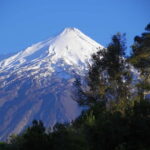
Nag Tibba works its magic early. This 2-day trek from Pantwari gives you mountain views without the stress of navigation, and you camp right at the base. I love the expert trek leader who keeps the route simple and safe, and I love that tents and camping gear are included. One drawback to plan for: private transport and any meals/stay connected to Mussoorie aren’t included.
You also get real backcountry comfort for a short trip. The walk starts gently, then you’re up early for the summit push, with a full guide team handling tents, cooking, and porters/mules. If you want a trek where you can focus on hiking and views, not logistics, this one fits.
This is run by Yeti Outdoors as a private experience, so your group stays together. Just note that the trek needs good weather, so the schedule depends on conditions.
In This Review
- Key things I’d remember about Naag Tibba Trek
- Naag Tibba Trek: A short summit with less guesswork
- Day 1: Pantwari to base camp, with a forest evening
- Day 2: Early climb to Nag Tibba summit and back by lunch
- The real deal: what’s included (and what that means for you)
- Meals and camping support
- Guides, cooks, and porters/mules
- Pickup and tickets
- Trek safety, pace, and the guide team you’ll rely on
- Pace: gradual first, early summit second
- Price and value: is $53.93 actually fair here?
- Where this trek shines (and where you should think twice)
- Practical tips before you go
- Should you book the Naag Tibba Trek?
- FAQ
- Where do I meet for the Naag Tibba trek, and where do I end?
- How long is the Naag Tibba trek?
- What does the Day 1 hike involve?
- What happens on Day 2?
- Are meals included?
- Is camping gear included?
- Is an expert trek leader included?
- What’s not included in the price?
- Can this trek be canceled for weather or refunded?
- What if I cancel my booking?
Key things I’d remember about Naag Tibba Trek
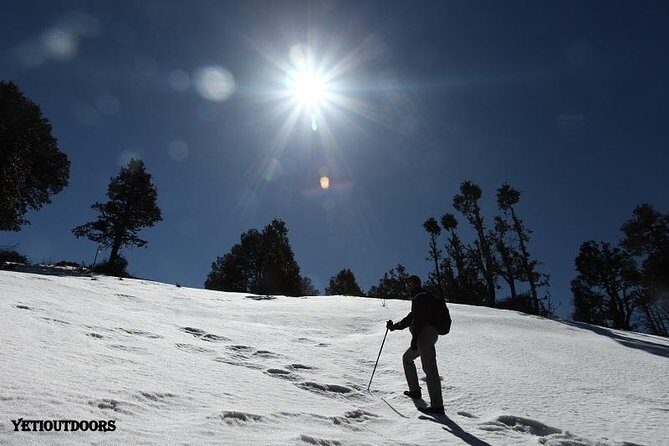
- Expert-led safety on a summit hike near Rishikesh
- Camping gear and tents included, so you travel light
- Meals covered during the trek days (breakfast, lunch, dinner)
- Pantwari village start gives you a real Himalayan setting fast
- Summit morning starts early, which is great if you like quiet trails
- Strong value for a short trek, especially with guides and equipment included
Naag Tibba Trek: A short summit with less guesswork
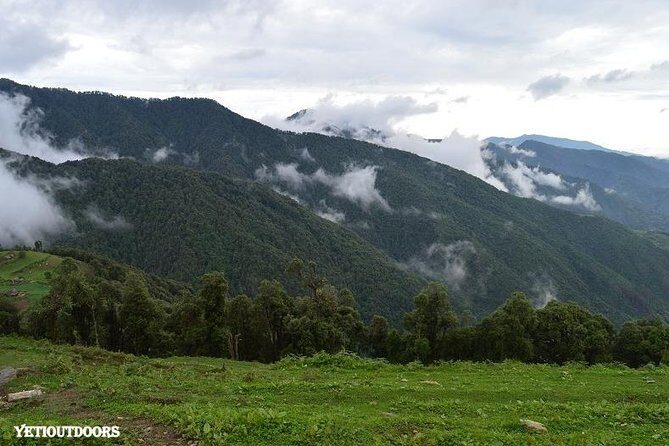
Naag Tibba is one of those hikes that feels simple on paper, but still delivers the Himalayan payoff: early light, forest trails, and the satisfaction of reaching a summit. What makes this trip practical is that the hard parts are handled. You’re not responsible for finding the route, hauling camping gear, or figuring out how meals work at altitude-like conditions (even on a compact itinerary).
I also like the “support team” model. You’ll have an expert trek leader along with guides, cooks, helpers, and porters/mules. That matters on a tight 2-day schedule, because it keeps your energy for the hiking instead of the camp setup.
At a price around $53.93 per person for about 2 days, it’s priced like a budget trek, but the inclusions push it toward good value—especially if you’d otherwise pay separately for guide services, permits, and basic camping gear. On average, it’s booked about 54 days in advance, which is a quiet hint to reserve early if you have specific dates in mind.
You can also read our reviews of more hiking tours in Rishikesh
Day 1: Pantwari to base camp, with a forest evening
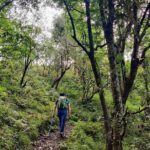
Day 1 starts from the Himalayan village of Pantwari. From there, you’ll do a gradual walk of around 3 hours to reach the base of the mountain. This is a smart first-day format: you get your legs going without being dropped into a steep fight right away.
Once you reach the base, you camp there. Then the evening is free to explore the forest. That free time is more valuable than it sounds. After a few hours of walking, you can slow down, look around, and enjoy the quiet rhythms of the area instead of spending the whole day rushing from one check-in to the next.
A practical tip for day one: treat your evening as part of the trek. If you’re the type who always wants to keep moving, resist. You’ll want rest for the early start on Day 2, and a calm night at base helps.
Day 2: Early climb to Nag Tibba summit and back by lunch
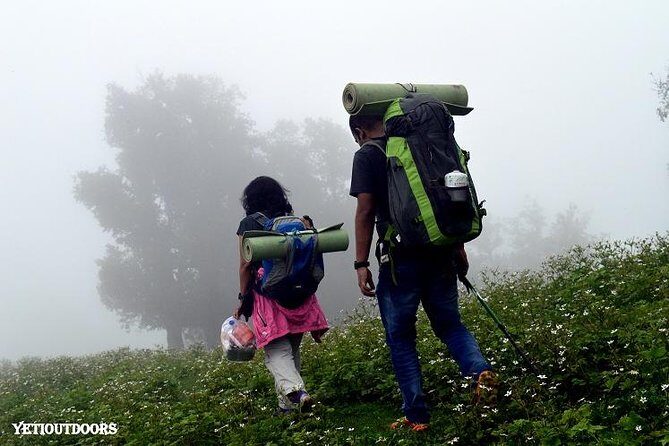
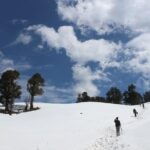
Day 2 starts early, with the goal of reaching the top of Nag Tibba in the morning hours. You’ll climb to the summit, spend time admiring the view, and then head back to the camp by lunch.
That “back by lunch” design is a key part of why this trek works well for short itineraries. You get the summit moment and then a more relaxed afternoon compared to longer treks that stretch into late evening.
After lunch, you move back toward Pantwari. From there, your journey continues to Mussoorie, and you reach it afterward. What you should plan around is what’s not included: the trek package doesn’t include stay and food in Mussoorie or food during transit. So if you’re hungry on the way, budget for it, or plan on buying food once you’re there.
Also, an early summit day can feel straightforward for some people and tough for others—so bring the right mindset. You don’t need to be a mountain athlete, but you do need to be willing to hike steadily, start before sunrise hours, and accept that the pace is set by the group and the day’s plan.
The real deal: what’s included (and what that means for you)
This trek is built to remove your biggest “trek friction.” You get the camping setup, the people to run it, and the meals that keep you fueled. Here’s how it plays out in real life.
Meals and camping support
You get breakfast and dinner, plus lunch (2) across the trek days. The point isn’t luxury food. The point is that you don’t have to carry supplies or figure out cooking while you’re already focused on hiking.
In the experience details, camping equipment is included too: tents, camping gear, and technical equipment rental. That’s huge for value because it’s exactly the category where DIY trekking becomes expensive and annoying.
Also included: permits. Permits are one of those behind-the-scenes items that can derail a trip if you try to manage everything yourself.
Guides, cooks, and porters/mules
The trek leader is described as qualified in basic/advanced mountaineering courses. You also have guides, cooks, helpers, and porters/mules. Translation: your group gets support from start to finish, and the camp doesn’t depend on you being a camping expert.
From what I’ve gathered about how the trip runs in practice, the team approach is part of the “safe feeling.” People highlight that the leaders are friendly, organized, and focused on keeping you confident on the hike.
Pickup and tickets
Pickup is offered, and the trip uses a mobile ticket. Just keep in mind: “pickup offered” does not automatically mean every door-to-door transfer is included as a private vehicle. The package says private transportation isn’t included, so if you’re thinking of a dedicated car for your full route, you’ll need to arrange that separately.
Trek safety, pace, and the guide team you’ll rely on
A summit hike is always a mix of effort and timing. What you want is a team that manages both.
The big safety signal here is the expert trek leader and the fact that guides are on the ground with you during the hike. You’ll have the route guidance so you’re not mentally wrestling with navigation while your legs are tired.
When names come up in the experiences tied to this trek, Manish shows up as a trek guide, and in some cases you’ll also meet Rishabh and Ashish as part of the team. People also mention the guide being calm and knowledgeable and providing a safe experience from pickup through drop-off.
That kind of “whole-trip” awareness matters more than it sounds. If something changes—pace, weather, or timing—the people leading you can adjust without turning it into chaos.
Pace: gradual first, early summit second
Day 1 gives you a gradual walk to the base for about 3 hours. Day 2 is the early summit day, then back by lunch. This pattern is ideal if you want:
- a warm-up hiking day,
- then a clear, focused summit attempt the next morning,
- without stretching into a 5–7 day ordeal.
If you’re someone who gets stressed by early mornings, you can still do this trek, but prepare yourself mentally for an early start.
Price and value: is $53.93 actually fair here?
For a short 2-day trek, the price looks low. The reason it can feel like a bargain is that key costs are bundled: permits, meals, and camping gear (plus the guide team and equipment support).
If you tried to recreate this on your own, the costs would usually spread out fast:
- guide fees,
- permit/admin costs,
- basic camping rentals,
- food supplies,
- and the logistics of camp staff or porters.
Here, those categories are included. That’s why the “value” feels more than just a low number.
One caution: the package doesn’t cover private transportation, insurance, or any Mussoorie stay/food. So the true cost for you depends on your starting point and how you plan your post-trek time. If you already have transport sorted and you budget for meals in Mussoorie, you’ll likely feel like you got a good deal.
Also, this trek is weather-dependent. You’ll want flexible dates or a willingness to shift plans if conditions require it.
Where this trek shines (and where you should think twice)
This trek is best when you want mountain time with a guided structure. It’s a solid fit if you’re:
- new-ish to hiking and want safety and navigation handled,
- short on time but still want a summit experience,
- tired of hauling gear and managing camp logistics,
- traveling with a group that wants everything organized in one package.
It may not be the best fit if:
- you’re expecting a fully inclusive trip that covers Mussoorie meals and stay,
- you need a fully private, dedicated transport service,
- you hate early starts and early summit-day timing,
- or you’re traveling without travel insurance (insurance isn’t included in the package).
Practical tips before you go
I’ll keep this practical and realistic:
- Plan for early morning on Day 2. Even if the hike isn’t all-day steep, the start time will feel early.
- Bring layers. Forest trails and summit mornings can feel different from afternoon base-camp time.
- Pack light. Since tents and camping gear are included, you’ll carry less, and that helps a lot on the uphill.
- Budget for food during the Mussoorie/transit part. The package covers trek meals, not everything after.
Should you book the Naag Tibba Trek?
If you want a safe, well-organized 2-day trek with camping gear handled and meals included, I think this is an easy yes—especially for a budget-friendly summit experience near Rishikesh. The guide structure, equipment support, and simple two-day format make it feel doable without sacrificing the thrill of reaching Nag Tibba.
I’d only hesitate if you need everything covered end-to-end (private transport plus Mussoorie meals/stay), or if your schedule can’t flex around weather. If that’s not you, reserve, pack smart, and get ready for an early day that turns into a satisfying summit memory.
FAQ
Where do I meet for the Naag Tibba trek, and where do I end?
You start at Yeti Outdoors. The activity ends back at the meeting point.
How long is the Naag Tibba trek?
The trek is listed as approximately 2 days.
What does the Day 1 hike involve?
Day 1 starts from the Himalayan village of Pantwari, with a gradual walk of around 3 hours to the base of the mountain. You camp at the base, and the evening is free to explore the forest.
What happens on Day 2?
On Day 2 you start early to reach Nag Tibba’s summit. After admiring the summit, you return to the camp by lunch. Post lunch, you move to Pantwari and continue your journey for Mussoorie.
Are meals included?
Yes. Breakfast and dinner are included, and there are two lunch meals included during the trek.
Is camping gear included?
Yes. The trek includes the use of all camping equipment, including tents and technical and common equipment.
Is an expert trek leader included?
Yes. The package includes the services of an expert trek leader (qualified in basic/advanced mountaineering courses), along with guides, cooks, helpers, and porters/mules.
What’s not included in the price?
Private transportation is not included, and travel insurance is not included. Also, stay and food in Mussoorie, plus food during transit, are not included.
Can this trek be canceled for weather or refunded?
Yes. The experience requires good weather. If it’s canceled due to poor weather, you’ll be offered a different date or a full refund.
What if I cancel my booking?
Free cancellation is available. You can cancel up to 24 hours in advance for a full refund. If you cancel less than 24 hours before the start time, the amount paid will not be refunded.